

Finding the healthiest sleeping ways is essential for proper spinal alignment and deep physical recovery. Many adults struggle with chronic back stiffness and poor sleep quality due to incorrect posture. Clinical studies indicate that poor night-time habits can misalign the spine, causing muscle tension and disrupting your autonomic nervous system. By using advanced biometric tracking from the Herz P1 Smart Ring, you can monitor how your resting postures directly influence your heart rate variability and deep sleep cycles to optimize your nightly recovery.
Built to Last. Save Up to 69% Today.
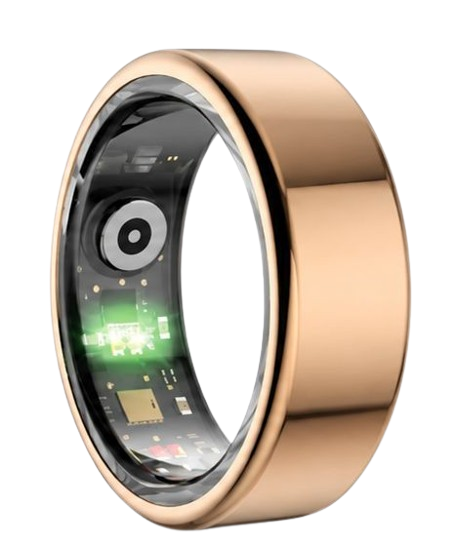
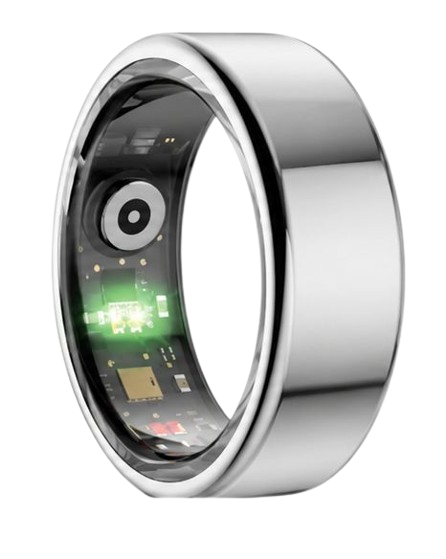
The Herz P1 Smart Ring tracks HRV, Sleep, Heart Rate & SpO2 around the clock. No subscriptions. No renewals. Ever.
In This Article
- Step-by-Step Spinal Alignment: Practical techniques to align your spine using optimized pillows and resting postures.
- Biometric Sleep Science: How heart rate variability and blood oxygen saturation correspond directly to your sleep positions.
- Ergonomics and Lifestyle Habits: Simple, impactful changes to your bedroom setup for uninterrupted overnight recovery.
- Actionable Wearable Insights: How to utilize lightweight smart ring technology to verify and refine your nightly rest stages.
How to Optimize Your Sleeping Ways for Perfect Spinal Alignment
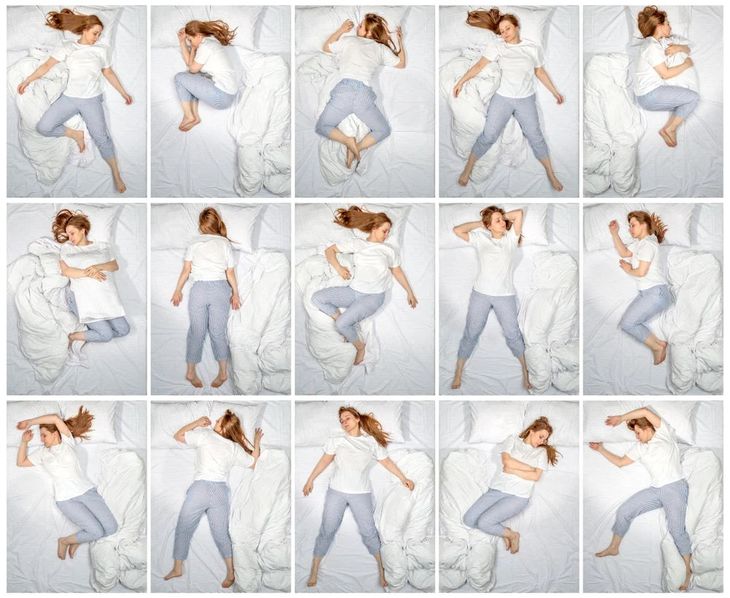
Retraining your nightly resting postures is a powerful way to reduce orthopedic tension and improve systemic recovery.
To succeed in this process, you need a comfortable mattress that supports your body weight without sagging.
You also need a collection of supportive pillows designed to hold your head, neck, and pelvis in a neutral position.
Finally, a high-quality biometric health tracker like the Herz P1 Smart Ring will help you measure how these changes affect your recovery.
Here is the complete step-by-step method to optimize your sleep poses for maximum spinal support.
-
Step 1: Choose Your Primary Sleeping Posture Wisely
Selecting the right sleeping positions is the crucial first step for keeping your vertebrae aligned.
We recommend choosing either a lateral (side) position or a supine (back) position to begin your night.
The lateral position is highly effective for keeping your airways clear and reducing snoring issues.
The supine position allows your body weight to distribute evenly across your muscles and joints.
Avoid sleeping on your stomach, as this forces your neck to turn sharply and strains your lower back.
-
Step 2: Position Your Cervical Support Pillow
Your head and neck require targeted support to prevent morning stiffness and muscle tension.
Place your pillow directly beneath the curve of your neck rather than just under your head.
The pillow must fill the entire space between your skull and the mattress surface.
Avoid using thick, double-stacked pillows that force your chin down toward your chest.
Your neck should remain in a neutral line that is perfectly parallel to your bed.
-
Step 3: Insert Alignment Pillows to Stabilize Your Pelvis
Uncontrolled pelvic twisting is a common cause of lower back pain and restless sleep.
If you prefer to sleep straight on your back, place a medium pillow under your knees.
This slight elevation flattens your lower lumbar spine against the mattress and relieves lower back pressure.
If you prefer a lateral posture, place a firm pillow between your knees and ankles.
This simple divider keeps your hips square and prevents your top leg from twisting your lumbar spine.
-
Step 4: Keep Your Shoulders and Arms in a Neutral Position
How you position your arms can create severe tension across your upper back and shoulders.
Avoid sleeping with your arms tucked under your head, which can compress the brachial nerves.
Instead, let your arms rest gently by your sides or hold a soft body pillow in front of your chest.
This forward support keeps your chest open and prevents your upper shoulders from rounding inward.
Make sure your shoulders remain completely below the lower edge of your head pillow.
-
Step 5: Adjust Your Body Positions Mindfully Throughout the Night
It is entirely normal to change your position several times during a typical sleep cycle.
When you feel the urge to turn, do so slowly and keep your core muscles slightly engaged.
Avoid sudden, jerky movements that can strain your back muscles or wake you up fully.
Reposition your alignment pillows immediately after turning to maintain continuous joint support.
This calm approach prevents spikes in your heart rate and keeps your nervous system relaxed.
-
Step 6: Monitor Your Nightly Recovery Metrics
Evaluating the success of your posture adjustments requires objective physical data.
The Herz P1 Smart Ring offers detailed biometric insights that show how your spine posture impacts your sleep quality.
By reviewing your daily sleep score, you can identify which poses yield the longest deep sleep stages.
Our team designed this lightweight wearable to provide continuous tracking without the bulk of a smartwatch.
This continuous feedback loop allows you to adjust your sleep habits based on clear scientific trends.
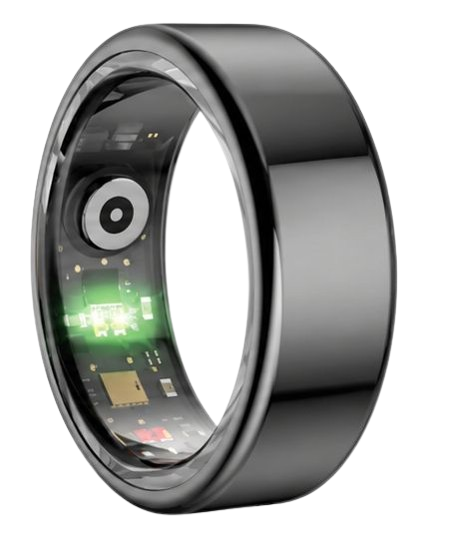
90-Day 100% Money-Back Guarantee
“The Herz Smart Ring helps me manage stress easily. It’s accurate, stylish, and lightweight—perfect for my busy life!”
— Jennifer P. | ✔ Verified Customer
- ✓ 6-Day Battery Life
- ✓ Detailed Sleep Analysis
- ✓ Fast 1-Hour Charging
- ✓ iOS & Android Ready
Questions? Call: 1-866-479-1629
The Science of Different Sleeping Ways: How Posture Affects Blood Oxygen and HRV
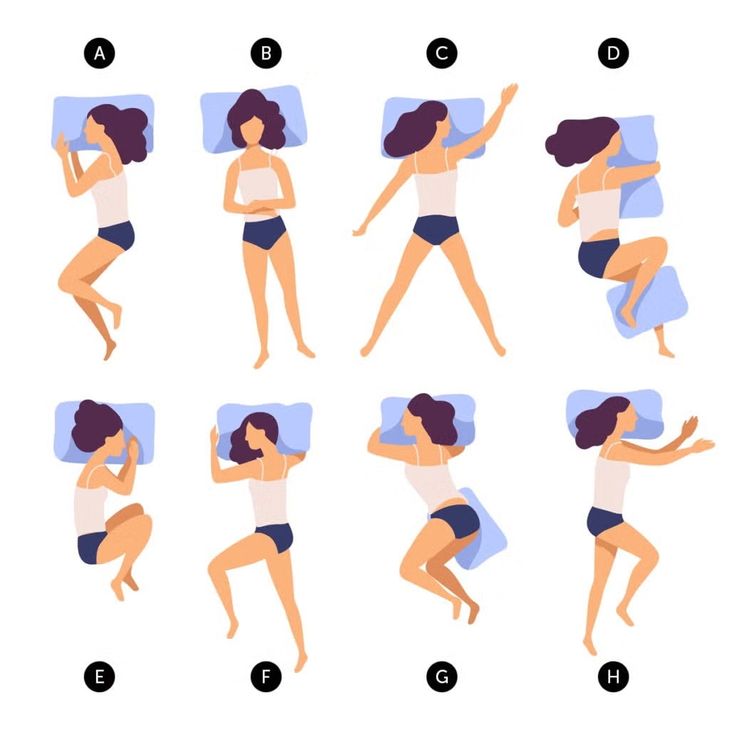
The medical community recognizes that your nightly different sleeping ways have a major impact on your vascular and neurological functions.
The National Sleep Foundation emphasizes that poor body alignment can compress blood vessels and restrict your airway during rest.
For example, sleeping flat on your back can cause your tongue to slide backward, creating a partial airway obstruction.
This restriction often leads to unexpected drops in your blood oxygen saturation (SpO2) levels.
When you investigate what your sleeping style says about your personality, you will discover that instinctive comfort often dictates our nightly habits.
However, your favorite resting position might not be the healthiest choice for your circulatory system.
Advanced wearable sensors can help you analyze what does your sleeping position say about you from a biometric perspective.
By correcting your sleep posture, you can improve your autonomic nervous system balance and increase your heart rate variability (HRV).
The American Heart Association supports tracking HRV as a primary metric for assessing cardiovascular recovery and physical resilience.
A higher overnight HRV indicate that your heart is responding well to parasympathetic signals, promoting deep cellular repair.
In contrast, an unaligned spine puts constant mechanical stress on your muscles, keeping your body in a high-alert sympathetic state.
This persistent physical stress raises your resting heart rate and lowers your overnight recovery scores.
The optical sensors in the Herz P1 Smart Ring monitor your HRV and SpO2 levels continuously every five minutes.
This continuous monitoring allows you to see the exact moment your cardiovascular system transitions into a state of deep, restorative rest.
Decoding Sleep Architecture: REM vs. Deep Sleep in Various Sleep Poses

Our nightly rest is structured into repeating cycles of light sleep, deep slow-wave sleep, and rapid eye movement (REM) stages.
Each sleep stage plays a highly specialized role in your cognitive maintenance and physical tissue repair.
Deep sleep is particularly vital for muscular growth, hormone regulation, and skeletal recovery.
REM sleep is critical for memory consolidation, mental processing, and emotional balance.
When studying the most popular sleeping positions, we find that certain poses support these cycles better than others.
An improper resting posture can trigger micro-arousals, which fragment your sleep architecture without your conscious knowledge.
Many individuals search for the clinical names of sleeping positions to understand their personal habits.
Whether you sleep in a lateral, supine, or prone position, each choice directly influences your physical stillness.
Analyzing your sleep position meaning reveals how structural mechanics alter your brainwave patterns.
For instance, lateral sleeping with correct pelvic alignment reduces spinal twisting, which prevents restless shifting.
Fewer body movements allow your brain to remain in deep slow-wave sleep for longer, uninterrupted periods.
On the other hand, stomach sleeping forces your neck to twist, causing constant tossing and turning throughout the night.
Every time your body shifts to relieve joint pressure, your brain temporarily exits deep sleep and returns to a lighter stage.
Understanding these sleeping positions meaning helps you make deliberate changes to protect your recovery cycles.
The Herz P1 Smart Ring utilizes a precise 3-axis accelerometer and multispectral PPG sensors to classify your sleep stages.
It cross-references your physical movement with minor heart rate fluctuations to deliver an accurate sleep stage breakdown.
This actionable data allows you to verify if your new sleeping postures are successfully extending your deep sleep duration.
Optimizing Your Daily Routine with the Herz P1 Health Dashboard
Gathering biological data is only valuable if you know how to apply those insights to your daily life.
The free Herz P1 companion app translates complex health metrics into simple, clear wellness trends.
Each morning, the app provides a comprehensive Sleep Score based on your total sleep duration and phase consistency.
If your sleep score is lower than usual, check your overnight HRV trend and average blood oxygen level.
A sudden drop in overnight SpO2 below 95% often points to mild airway restriction caused by an unaligned neck posture.
You can use this objective insight to adjust your pillow height or switch to a lateral sleeping posture.
The app also monitors your physical stress levels during the day by analyzing subtle variations in your pulse waves.
If you notice a major daytime stress spike, you can schedule brief breathing exercises to balance your nervous system.
The Herz P1 Smart Ring is engineered for 24/7 continuous wear, tracking both intense physical activity and nightly recovery.
Its slim, medical-grade profile ensures you can wear it comfortably all day and all night without any distraction.
Avoiding Common Pitfalls: Bulky Smartwatches vs. Smart Rings
Many health-conscious individuals make the mistake of wearing a heavy, bulky smartwatch to track their sleep.
A large watch can feel restrictive, often waking you up during delicate sleep transitions.
Furthermore, wrist-based sensors frequently slide out of place, leading to inaccurate or missing biometric data.
The Herz P1 Smart Ring provides a sleek, lightweight alternative that fits securely around the base of your finger.
This anatomical location features a highly concentrated capillary network, ensuring exceptionally stable optical readings.
Another major drawback in the modern wearable market is the hidden cost of ongoing monthly app subscriptions.
Many popular brands lock your sleep history and health trends behind expensive recurring paywalls.
We believe your personal health data should always be completely free to access.
The Herz P1 App requires no monthly subscription, ensuring you have lifetime access to all your wellness metrics.
This transparent model provides premium health monitoring without any unexpected future charges.
Frequently Asked Questions About Sleep Posture and Wearable Technology
Is the Herz P1 Smart Ring waterproof?
Yes, the Herz P1 features a certified IP68 waterproof rating for maximum moisture protection.
This rating ensures you can wear the ring while washing your hands, taking a shower, or swimming in depths up to 164 feet.
The military-grade steel construction is fully sealed to withstand daily exposure to water and sweat.
How long does the battery last?
The Herz P1 delivers a highly efficient 6-day battery life on a single charge.
The ring charges exceptionally fast, reaching a complete charge in under 1 hour.
This quick-charging capability ensures you never have to skip a night of sleep tracking.
Which finger is best to wear the Herz P1 on?
We recommend wearing the ring on your index, middle, or ring finger for the most accurate biometric readings.
The index finger has the strongest arterial blood flow, making it the ideal choice for optical PPG sensors.
Choose a size that fits snugly but comfortably without rotating excessively during daily hand movements.
Does the Herz P1 store data offline?
Yes, the Herz P1 has built-in local memory that stores up to 7 days of health metrics offline.
You do not need to keep your smartphone nearby or connected to Bluetooth throughout the night.
The ring will automatically sync your saved data as soon as you open the companion app.
Conclusion: Start Your Journey to Better Spine Health Today
Optimizing your sleeping ways is key to lifetime spinal health.
The subscription-free Herz P1 Smart Ring monitors these posture changes with medical-grade precision.
Ready to elevate your daily health?
Explore the Herz P1 Smart Ring to see if it fits your lifestyle.
Call: 1-866-479-1629 — our team is ready to help advise on the correct ring size.
Note: Individual results may vary depending on individual health conditions, age, and lifestyle habits. This article is intended for general health reference purposes only.
