

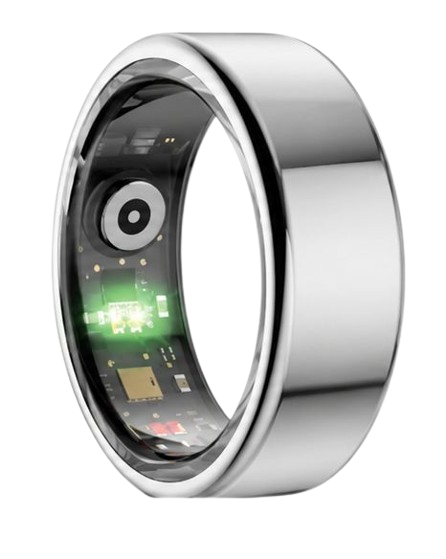
If you find yourself waking up in the classic starfish position, you might wonder what your body is trying to communicate during the night. Research from the National Sleep Foundation indicates that less than 5% of adults sleep this way, making it a unique physiological phenomenon. By analyzing your overnight biometrics with the premium Herz P1 Smart Ring, you can decode what this posture reveals about your breathing patterns, joint alignment, and autonomic stress levels.
Built to Last. Save Up to 69% Today.
The Herz P1 Smart Ring tracks HRV, Sleep, Heart Rate & SpO2 around the clock. No subscriptions. No renewals. Ever.
In This Article
- Alignment Optimization: Step-by-step techniques to improve spinal posture and prevent joint strain while resting on your back.
- Biomechanical Pros and Cons: A detailed assessment of what back-sleeping with arms overhead does to your body.
- Respiratory Monitoring: How to track your blood oxygen levels (SpO2) to rule out nocturnal airway restriction.
- Stress and HRV Correlation: Exploring the link between elevated heart rate variability and recovery sleep architecture.
How to Optimize Your Body Alignment in the Starfish Sleeping Position: A Step-by-Step Guide

Prerequisites / What You’ll Need
To safely optimize this layout, you will need a supportive mattress, a low-loft head pillow, and a medium-sized cylinder pillow for your knees.
Tracking your overnight biometric responses with an advanced wearable device will also help you measure real-time postural improvements.
Step 1: Choose a Medium-Firm Sleeping Surface
First, evaluate the firmness of your mattress to ensure your hips do not sink too deeply during the night.
A medium-firm surface provides the ideal foundation for all back-oriented sleeping positions.
If your bed is too soft, your pelvis will sag, creating structural tension in your lumbar spine.
Place a wooden support board under your mattress if you need to quickly increase its structural support.
Step 2: Place a Support Pillow Under Your Knees
Next, slide a rounded bolster or standard pillow directly underneath both of your knees.
By slightly lifting your lower extremities, you immediately reduce the structural load on your lower back.
This simple adjustment is a highly effective way to mitigate the disadvantages of sleeping on your back.
This knee elevation technique is also popular among those who prefer sleeping with knees up to relieve pelvic tilt.
Ensure the pillow height is comfortable so your lower back rests completely flat against the mattress.
Step 3: Position a Low-Loft Pillow Under Your Head
Select a thin, supportive pillow to place under your neck and head to prevent excessive forward neck bending.
A thick head pillow will push your chin toward your chest, which restricts your upper airway.
Keeping your head in a neutral plane helps you maintain a healthy, sleeping straight alignment.
Memory foam contour pillows are excellent choices because they cradle the natural curve of your neck.
Verify that your shoulders rest comfortably on the mattress rather than climbing up onto the pillow.
Step 4: Angle Your Arms Comfortably in a Relaxed Y-Shape
Avoid forcing your hands directly behind your head, as this can compress the delicate nerves in your shoulder joints.
Instead, flare your arms outward to the sides in a relaxed Y-formation to keep your chest open.
This gentle angle prevents extreme shoulder rotation and reduces muscle tension in your upper back.
If you experience any joint tingling, lower your hands slightly so they rest parallel to your ears.
This modified arm position preserves joint space while keeping your chest open for optimal lung expansion.
Step 5: Verify Your Biometric Trends Each Morning
Finally, check your overnight health data to ensure this adjustments are improving your sleep quality.
Look for stable blood oxygen levels and high heart rate variability scores on your companion app dashboard.
If your sleep data reveals frequent waking episodes, you may need to adjust your pillow setup.
Consistency is key to helping your muscles adapt to this optimized sleeping posture over time.
Enhancing Your Recovery with Herz P1
The premium Herz P1 Smart Ring is the perfect companion to help you monitor your structural alignment adjustments.
By measuring your real-time biometrics every few minutes, our subscription-free smart ring helps you track sleep trends without any monthly fees.
Check out your personalized recovery metrics today by visiting the official Herz P1 Checkout.
Why Do I Sleep with My Arms Over My Head? Physiologic Drivers and Airway Mechanics

Many individuals find themselves asking: why do i sleep with my arms over my head during the night?
According to research from the National Sleep Foundation, this instinctual arm raising can be a natural way to expand your rib cage.
Lifting your arms helps stretch the chest muscles, which allows for deeper, more relaxed breathing.
This posture can also be a sign of minor airway resistance, as your body naturally opens your lungs to draw in more oxygen.
However, sleeping with your arms elevated can sometimes compress the delicate nerves in your shoulder joints.
This nerve pressure can cause morning stiffness or a dull ache in your neck and arms.
If you experience joint discomfort, transitioning to a side-sleeping layout like the fetal position sleep pose can help relieve shoulder strain.
Evaluating your overnight respiratory metrics with a reliable smart ring is a great way to monitor these structural changes.
The Biomechanical Pros and Cons of the Starfish Sleep Pose
Like any sleep posture, the starfish sleep pose has its own unique physiological advantages and drawbacks.
On the positive side, sleeping flat on your back helps evenly distribute your body weight across your mattress.
This layout avoids the hip and shoulder compression that can occur when sleeping on your side.
However, sleeping on your back can also cause your tongue to slide backward, which can restrict your airway.
This airway restriction can lead to snoring or shallow breathing patterns during the night.
Those who suffer from severe respiratory issues may want to avoid this posture and try lying on stomach to keep their airways open.
By tracking your oxygen saturation trends with Herz P1, you can easily find the healthiest sleeping posture for your body.
What Your Sleep Biometrics Reveal About Your Autonomic Nervous System
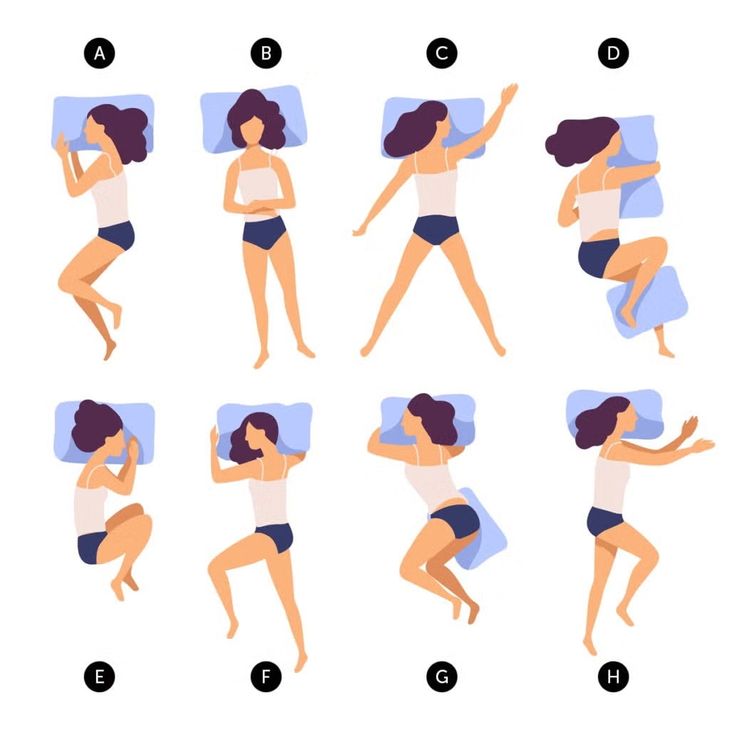
Your sleeping posture does more than just keep you comfortable; it directly impacts your heart rate variability (HRV) and oxygen saturation levels.
Heart rate variability is a key metric that measures the balance of your autonomic nervous system.
When you rest in an aligned back posture, your body can relax, which naturally supports healthy HRV recovery trends.
However, if your airway is restricted, your body will trigger a minor stress response, causing your HRV to drop.
Monitoring your overnight SpO2 trends with the American Heart Association’s health benchmarks can help you spot these patterns.
If your blood oxygen levels drop below 95% during the night, it could be a sign that back-sleeping is restricting your airway.
The Herz P1 Smart Ring tracks these vital biometrics every five minutes, providing clear, actionable data without any guesswork.
Practical Application: Deciphering the Meaning of Arms Elevated Overnight
Many curious sleepers search for the sleep position meaning behind their late-night movements.
Waking up with your arms overhead often means your body is naturally trying to stretch your chest and ease tension.
This posture is similar to the figure 4 sleeping position meaning, which indicates a subconscious effort to relieve joint pressure.
However, if you wake up with cold hands or numb fingers, your arm position may be restricting your circulation.
Using a low-loft pillow and a supportive knee bolster can help distribute your body weight more evenly.
By checking your daily Herz P1 sleep score, you can see exactly how these adjustments are improving your sleep quality.
This proactive approach helps you find the perfect sleeping posture to support your body’s natural recovery processes.
Overcoming Common Sizing and Sleep Tracking Pitfalls
Many people struggle to track their sleep biometrics accurately because of bulky, uncomfortable wrist wearables.
Traditional smartwatches can easily slide out of place during the night, resulting in incomplete sleep stage tracking.
Additionally, having to charge your smartwatch every single day can disrupt your consistent health tracking habits.
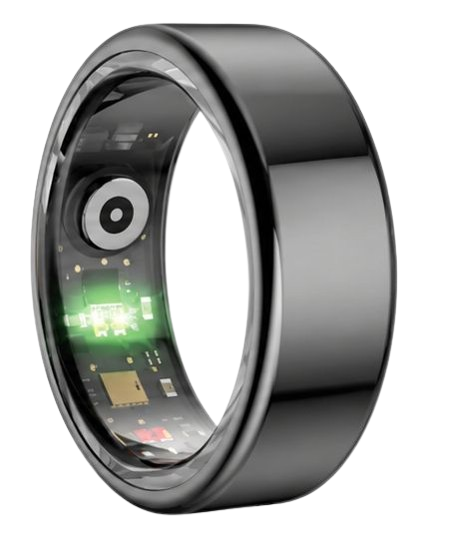
The Herz P1 Smart Ring solves this problem with its lightweight, military-grade steel design and 6-day battery life.
By wearing the ring on your index finger, you ensure the sensors maintain continuous contact with your skin.
This stable connection provides highly accurate, clinical-grade biometric tracking throughout the night.
Best of all, the Herz P1 companion app is completely free for life, saving you from expensive monthly subscription fees.
Feature Comparison: Herz P1 vs. Competitors
When choosing a health-tracking smart ring, it is important to look at both the biometric accuracy and the total cost of ownership.
The table below highlights the differences between Herz P1 and leading alternatives on the market today.
| Feature Metric | Herz P1 Smart Ring | Leading Brand A | Leading Brand B |
|---|---|---|---|
| Monthly Subscription Fee | ✓ $0.00 (Free Lifetime App) | ✗ $5.99/month | ✓ $0.00 |
| Warranty Protection | ✓ 2-Year Manufacturer Warranty | ✗ 1-Year Only | ✗ 1-Year Only |
| SpO2 & HRV Tracking Frequency | ✓ Continuous (Every 5 mins) | ✗ Nightly averages only | ✗ Periodically |
| Material Quality | ✓ Military-Grade Steel & IP68 Waterproof | ✗ Standard Titanium | ✗ Lightweight Ceramic |
Frequently Asked Questions About Sleep Tracking and Posture
Is the Herz P1 Smart Ring waterproof?
Yes, the Herz P1 Smart Ring features a premium IP68 waterproof rating.
This means it is fully protected against dust and can be safely submerged in water up to 164 feet (50 meters).
You can comfortably wear it while swimming, showering, washing your hands, or working out without worry.
The durable, military-grade outer shell is designed to handle active daily wear in any environment.
How long does the battery last?
The Herz P1 offers a long-lasting battery life of up to 6 days on a single charge.
This allows you to track your sleep, workouts, and stress levels 24/7 without constant charging interruptions.
When the battery runs low, it charges from 0% to 100% in under an hour using the included fast-charging cradle.
This efficient charging design ensures you never miss out on capturing your important overnight health metrics.
Which finger is best to wear it on?
For the highest biometric accuracy, we recommend wearing the Herz P1 on your index finger.
This finger has larger blood vessels near the skin surface, which helps the optical sensors capture the cleanest signals.
However, the ring is also fully compatible with your middle and ring fingers if you prefer those positions.
Simply ensure a snug, comfortable fit so the inner sensors stay in steady contact with your skin.
Does it store data offline?
Yes, the Herz P1 is equipped with convenient offline storage that holds up to 7 days of daily health data.
You do not need to keep your smartphone nearby or connected to Bluetooth throughout the night to track your metrics.
Once you open the companion app, the ring will automatically sync all of your stored data in seconds.
This offline storage feature is perfect for traveling, camping, or enjoying a screen-free sleeping environment.
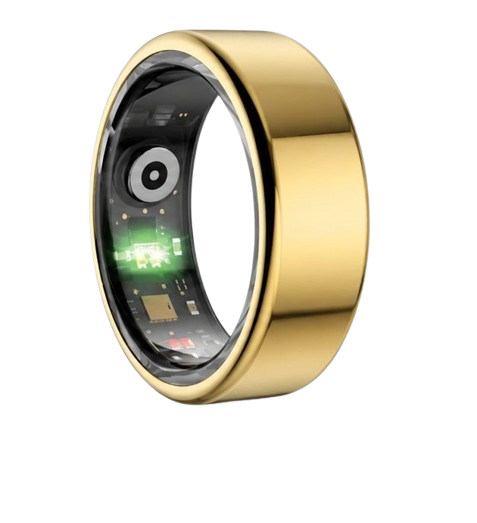
90-Day 100% Money-Back Guarantee
“The Herz Smart Ring helps me manage stress easily. It’s accurate, stylish, and lightweight—perfect for my busy life!”
— Jennifer P. | ✔ Verified Customer
- ✓ 6-Day Battery Life
- ✓ Detailed Sleep Analysis
- ✓ Fast 1-Hour Charging
- ✓ iOS & Android Ready
Questions? Call: 1-866-479-1629
Conclusion
Tracking your overnight biometric trends is the most effective way to optimize your sleep architecture and daily physical recovery.
The subscription-free Herz P1 Smart Ring offers a reliable, comfortable, and accurate way to manage your wellness journey with ease.
Ready to monitor your health every day? Explore the Herz P1 Smart Ring and see if it fits your lifestyle. Call: 1-866-479-1629 — our team can help you advise on the correct ring size and set personalized health goals.
Note: Individual results may vary depending on individual health conditions, age, and lifestyle habits. This article is intended for general health reference purposes only.
