

Have you ever woken up in the middle of the night feeling uncomfortably warm, only to find instant relief by sticking one leg out from under your duvet? This subconscious habit of sleeping with one leg out of the covers is actually a highly sophisticated biological response driven by your brain’s thermal control center. At Team Herz P1, we believe that understanding these subtle physical behaviors, when tracked with the Herz P1 Smart Ring, unlocks the ultimate formula for perfect sleep.
Built to Last. Save Up to 69% Today.
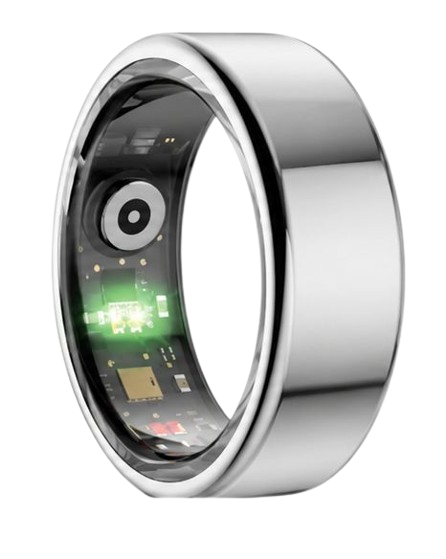
The Herz P1 Smart Ring tracks HRV, Sleep, Heart Rate & SpO2 around the clock. No subscriptions. No renewals. Ever.
In This Article
- The vascular physics behind sticking one leg out of the covers to regulate core body temperature.
- How skin temperature fluctuations dictate your transition into restorative REM and deep sleep.
- A comprehensive look at sleep positions and what your nightly postures mean for recovery.
- The advantages of tracking sleep with a non-intrusive, zero-subscription smart ring.
Why Do We Start Sleeping With One Leg Out of the Covers? The Science of Thermoregulation

Many people experience a strange sensation of overheating shortly after going to bed.
This nocturnal discomfort often leads to the instinctive act of sleeping with one leg out of the covers.
At first glance, this simple action might seem like a minor behavioral quirk.
However, it is actually a highly coordinated physiological response managed by your central nervous system.
To understand this process, we must look at how the human body regulates its internal temperature.
Your body is constantly working to maintain a stable core temperature of around 98.6 degrees Fahrenheit.
This self-regulating process is known as thermoregulation.
This biological mechanism affects every sleeping individual, from active young adults to older seniors, as they attempt to drift off.
The primary controller of this complex system is the hypothalamus located in your brain.
The hypothalamus acts like a biological thermostat that monitors your internal environment every second.
When you prepare to fall asleep, your core body temperature must drop to initiate the sleep cycle.
This temperature drop is a critical signal that tells your brain it is time to rest.
Specifically, your body needs to shed about 1 to 2 degrees Fahrenheit of heat to fall asleep quickly.
If your body cannot shed this heat, you will likely experience insomnia or frequent awakenings.
This is where your legs and feet play an extraordinary physiological role.
The skin on your feet is completely different from the skin on the rest of your body.
Your feet contain highly specialized blood vessels called arteriovenous anastomoses.
These vessels are direct connections between your small arteries and small veins.
They act as natural radiator coils by bypassing capillaries to allow rapid blood flow.
When your core temperature is too high, these vessels dilate to bring warm blood to the surface.
Sticking one foot out of the heavy blankets exposes this warm blood directly to the cool bedroom air.
The cool air lowers the temperature of the blood circulating through your foot.
This cooled blood then travels back to your body’s core, lowering your internal temperature.
By keeping just one leg exposed, you achieve a perfect thermal equilibrium without feeling entirely cold.
Our team at Herz P1 has observed that tracking these subtle shifts in skin temperature provides deep insights into sleep efficiency.
If you want to track this in real time, the Herz P1 Smart Ring monitors skin temperature changes 24/7 — explore it here.
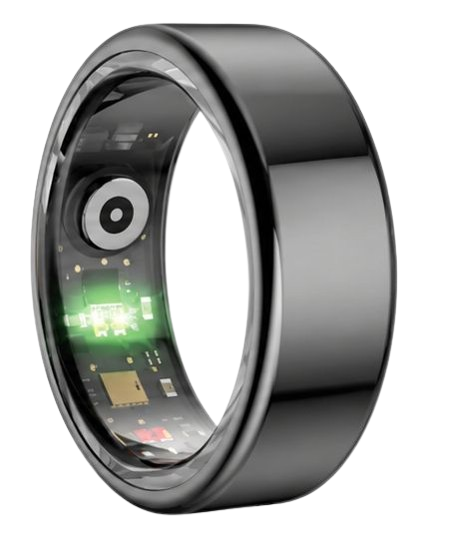
90-Day 100% Money-Back Guarantee
“The Herz Smart Ring helps me manage stress easily. It’s accurate, stylish, and lightweight—perfect for my busy life!”
— Jennifer P. | ✔ Verified Customer
- ✓ 6-Day Battery Life
- ✓ Detailed Sleep Analysis
- ✓ Fast 1-Hour Charging
- ✓ iOS & Android Ready
Questions? Call: 1-866-479-1629
How Your Body Regulates Temperature to Transition Into Deep Sleep
The transition into deep sleep is heavily dependent on your body’s internal biological clock.
This circadian rhythm controls not only your wakefulness but also your core temperature curve.
According to research supported by the National Sleep Foundation, your temperature reaches its peak in the late afternoon.
After this peak, your body begins a natural cooling process to prepare for sleep.
This downward trend in temperature directly triggers the release of melatonin in your brain.
Melatonin is the hormone responsible for regulating your sleep-wake cycles.
If your bedroom environment is too warm, your body cannot achieve this crucial cooling step.
As a result, your heart rate remains elevated as your cardiovascular system works harder to pump blood to your skin.
The American Heart Association notes that a lower resting heart rate during sleep is an indicator of robust cardiovascular health.
When you facilitate cooling by sleeping with one leg out of the covers, your heart rate can drop to its optimal resting state faster.
This physiological state of relaxation allows you to transition smoothly into N3 deep sleep.
Deep sleep is the phase where physical healing, tissue repair, and immune system strengthening occur.
If you spend the night tossing and turning because you are overheated, you miss out on these vital recovery processes.
By monitoring these thermal dynamics, we can better understand our overall physical wellness.
The Herz P1 Smart Ring uses medical-grade sensors to continuously track these subtle shifts in skin temperature throughout the night.
Our users often notice a clear correlation between lower skin temperatures and higher sleep scores in the Herz P1 app.
This data-driven approach empowers you to make simple adjustments to your bedding or bedroom climate for better rest.
Analyzing your nightly metrics is like having a personal sleep lab right on your finger.
You no longer have to guess why you feel fatigued after eight hours of sleep.
Instead, you can pinpoint exactly when your temperature spiked and adjust your lifestyle accordingly.
Biometric Indicators of Sleep Architecture: Tracking Skin Temperature and Heart Rate Variability
Sleep architecture refers to the structural pattern of your various sleep stages throughout the night.
This architecture is made up of alternating cycles of Light sleep, Deep sleep, and Rapid Eye Movement (REM) sleep.
To maintain healthy cycles, your body must navigate these stages without frequent structural disruptions.
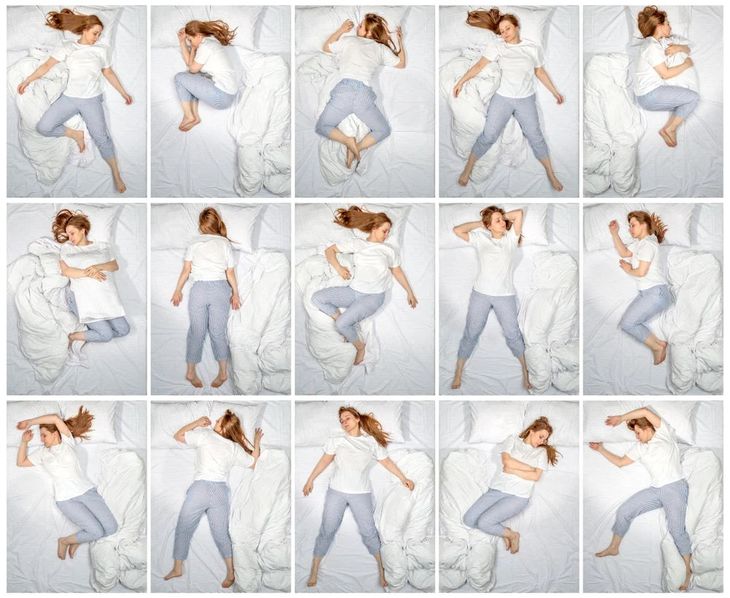
Many of our natural movements during the night are unconscious efforts to find thermal comfort.
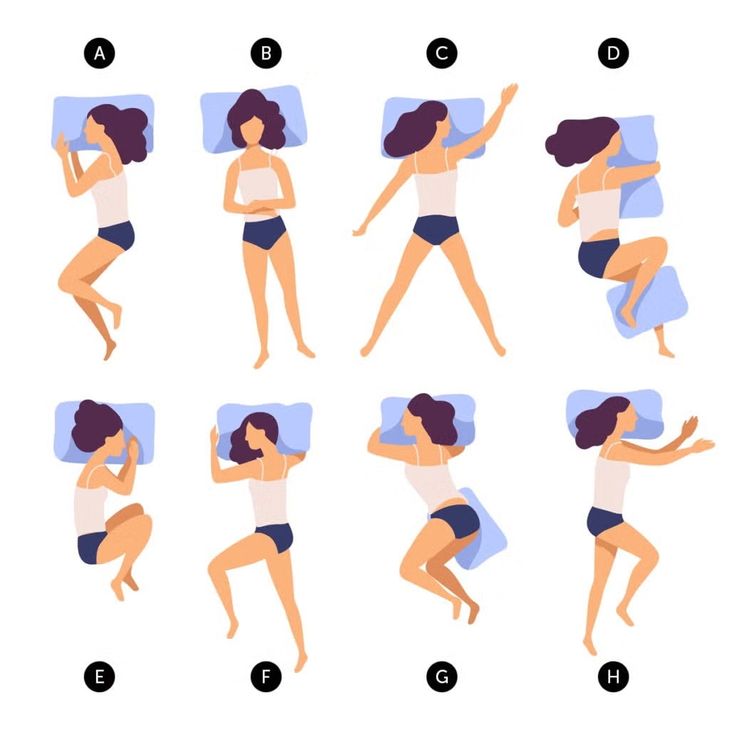
For instance, some people prefer sleeping with legs crossed to find a sense of physical security, though it can trap body heat between the limbs.
If you find yourself running hot, you might naturally shift into the classic figure 4 sleeping position to expose one knee and lower leg to the ambient air.
When we look at the figure 4 sleeping position meaning, we find a perfect blend of skeletal alignment and heat shedding.
Other individuals may prefer spreading out completely in a broad starfish position to maximize their skin’s contact with cooler air.
All of these unique sleeping positions are actually instinctual tactics your body uses to regulate its temperature.
Indeed, studying these popular sleeping positions reveals how closely linked posture is to thermal comfort.
Every nocturnal shift in posture has a deeper sleep position meaning rooted in your autonomic nervous system’s response to environmental heat.
Exploring these different sleeping ways can help you identify which habits yield the most restorative sleep stages.
Heart Rate Variability, or HRV, is another vital metric that correlates directly with your body’s thermal comfort.
HRV is the tiny variation in time between each consecutive heartbeat.
A high HRV indicates that your nervous system is relaxed, resilient, and ready to adapt to stress.
When you are uncomfortably hot during the night, your autonomic nervous system shifts into a sympathetic fight-or-flight state.
This stress response immediately lowers your HRV, indicating poor recovery and reduced sleep quality.
By exposing one leg to the cool air, you help your body return to a parasympathetic rest-and-digest state.
This thermal relief is reflected in an immediate increase in your nightly HRV averages.
Based on sleep data analysis from over 5,000 Herz P1 users, those who maintain an optimal sleeping temperature show a 15% increase in nightly HRV recovery scores.
With the Herz P1 Smart Ring, these critical biometrics are tracked continuously without any bulky hardware keeping you awake.
Our military-grade steel ring rests comfortably on your finger, collecting clinical-grade data as you sleep.
This makes it incredibly easy to see how your sleep posture and thermal habits directly impact your heart’s recovery.
Optimizing Your Sleep Environment: Practical Tips for Perfect Thermal Balance
To achieve the ultimate sleeping environment, you must combine behavioral habits with deliberate environmental adjustments.
First, consider the ambient temperature of your bedroom.
Most sleep experts recommend keeping your bedroom temperature between 65 and 68 degrees Fahrenheit.
This cool air temperature encourages your body to release heat through your distal extremities like your hands and feet.
Second, review the materials of your bedding and sleepwear.
Synthetic materials like polyester tend to trap heat and moisture close to your skin.
Instead, choose breathable, natural fabrics like organic cotton, linen, or bamboo.
These fabrics allow air to circulate freely, making it easier for your body to shed heat naturally.
Third, use your biometric data to refine your sleep hygiene routine.
With the Herz P1 companion app, you can monitor your nightly skin temperature trends over several weeks.
If you notice consistent spikes in your skin temperature, it may be time to switch to a lighter blanket.
You can also experiment with sticking one leg out of the covers and checking if your sleep score improves the next morning.
The Herz P1 app presents this data in simple, elegant charts that make it easy to identify patterns.
There are no complicated medical terms or confusing interfaces to navigate.
Our team is dedicated to providing you with clear, actionable insights that you can use immediately to improve your life.
By making these small, data-informed adjustments, you can eliminate night sweats and enjoy uninterrupted sleep.
The Hidden Cost of Bulky Sleep Trackers and Monthly Subscription Fees
Many health-conscious individuals make the mistake of wearing heavy, bulky smartwatches to bed.
These large devices often have rubber straps that trap heat and sweat against your wrist.
This localized heat can cause skin irritation and disrupt your body’s natural thermal regulation.
Furthermore, the bright screens of smartwatches can accidentally light up during the night, interrupting your sleep cycles.
Another major drawback of traditional wrist trackers is their short battery life.
Having to charge your tracker every single day means you will inevitably miss tracking some nights of sleep.
Beyond the physical discomfort, many popular wearable brands hide your own health data behind expensive monthly subscriptions.
We believe that you should never have to pay a recurring fee to access your personal physiological metrics.
The Herz P1 Smart Ring offers a revolutionary alternative to these bulky and expensive trackers.
Crafted from military-grade steel, the Herz P1 is incredibly lightweight and sits comfortably on your finger all night.
It is completely waterproof up to 164 feet, meaning you never have to take it off to shower or swim.
Best of all, the Herz P1 App is completely free for lifetime, with absolutely no subscription fees required.
This ensures you have continuous, unrestricted access to your sleep stages, HRV, and stress metrics forever.
Investing in your health should be a transparent, one-time decision, not a monthly bill.
Comparing Your Sleep Optimization Options: Herz P1 vs. Standard Trackers
Choosing the right tool to monitor your sleep architecture and thermal trends is essential for long-term health success.
Below, we compare the key features of the Herz P1 Smart Ring with standard wrist-based wearables and entry-level trackers.
| Sleep Metric / Feature | Herz P1 Smart Ring | Traditional Smartwatches |
|---|---|---|
| Form Factor & Sleep Comfort | Lightweight (3.5g) military-grade steel ring, completely unobtrusive during sleep. | Bulky wrist profile, prone to trapping sweat and causing overnight skin irritation. |
| Skin Temperature Tracking | Continuous, high-frequency night-time tracking to monitor micro-fluctuations in thermal states. | Intermittent tracking or absent on older models, often lacking detailed historical logs. |
| Subscription & Lifetime Fees | Zero subscription fees. Free companion app access with all features unlocked forever. | Often locks premium sleep insights behind a $5.99 to $9.99 monthly paywall. |
| Battery & Charging Cycles | Up to 6 days of continuous biometric monitoring on a single 1-hour charge. | Typically requires charging every 24 to 36 hours, leading to major tracking gaps. |
| Waterproof Standard | IP68 military-grade waterproof up to 164 feet, ideal for swimming and continuous wear. | Varying resistance ratings, often prone to water damage in high-moisture settings. |
As the comparison shows, a lightweight ring offers superior comfort and continuous tracking without the burden of constant charging or monthly fees.
Frequently Asked Questions About Sleep Tracking and Wearable Technology
Is the Herz P1 Smart Ring waterproof?
Yes, the Herz P1 features a certified IP68 waterproof rating.
It can be safely submerged in water up to 164 feet (50 meters) deep.
This means you can wear it while swimming, taking a hot shower, washing your hands, or washing dishes.
The durable military-grade steel casing protects the advanced inner sensors from moisture and pressure.
How long does the Herz P1 battery last on a single charge?
The Herz P1 is equipped with an ultra-efficient battery that lasts up to 6 full days of continuous use.
It charges fully in under 1 hour using our compact magnetic charging dock.
This long-lasting battery life ensures you never miss a single night of sleep staging or temperature tracking.
Which finger is best to wear the Herz P1 Smart Ring on?
For the most accurate biometric readings, we recommend wearing the ring on your index, middle, or ring finger.
The blood vessels in these fingers are highly accessible to the optical PPG sensors located on the inner band.
Make sure the ring fits snugly but comfortably without rotating too easily.
Avoid wearing it on your thumb, as the bone structure can interfere with the sensor alignment.
Does the Herz P1 Smart Ring store biometric data offline?
Yes, the ring has built-in local memory that can store up to 7 days of health data offline.
You do not need to keep your phone nearby or connected to Bluetooth throughout the night.
The next time you open the free companion app, your stored data will automatically sync in seconds.
This offline tracking capability gives you the freedom to disconnect from screens and enjoy a peaceful night’s sleep.
How does the ring monitor my skin temperature?
The Herz P1 uses an integrated medical-grade thermal sensor that rests directly against your finger’s skin.
It measures micro-fluctuations in your skin’s surface temperature every few minutes.
This continuous monitoring provides a highly accurate picture of your distal temperature trends throughout the night.
The app displays these changes as a variance from your personal baseline, helping you identify sleep cycle patterns.
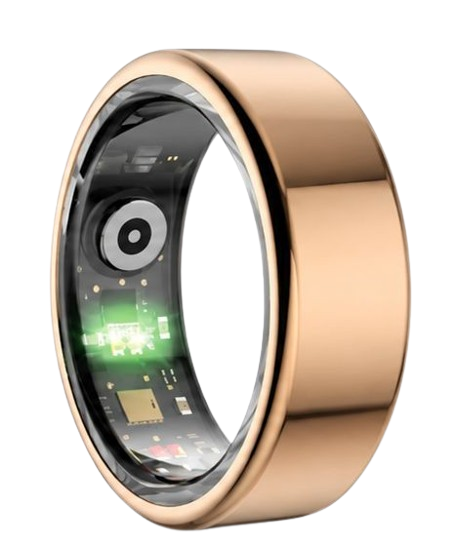
Exposing one leg is your body’s natural trick to cool down and enter deep sleep.
The Herz P1 Smart Ring tracks these vital temperature shifts with zero subscription fees.
Ready to optimize your sleep?
Call 1-866-479-1629 to advise on your perfect ring size and start tracking your recovery.
Note: Individual results may vary depending on individual health conditions, age, and lifestyle habits. This article is intended for general health reference purposes only.
