

Built to Last. Save Up to 69% Today.
The Herz P1 Smart Ring tracks HRV, Sleep, Heart Rate & SpO2 around the clock. No subscriptions. No renewals. Ever.

In This Article
- Step-by-Step Optimization: How to diagnose and improve your nightly sleep poses using real-time biometric tracking.
- The Psychological Dimension: Exploring what your favorite sleeping style says about your personality and unconscious mind.
- Physical and Cardiovascular Impacts: How different sleeping positions alter heart rate variability (HRV) and blood oxygen levels (SpO2).
- Biometric Data Analysis: Understanding the unique ways smart wearable technology registers your body’s nocturnal patterns.
How to Optimize Your Rest Using Sleep Position Meaning Diagnostics
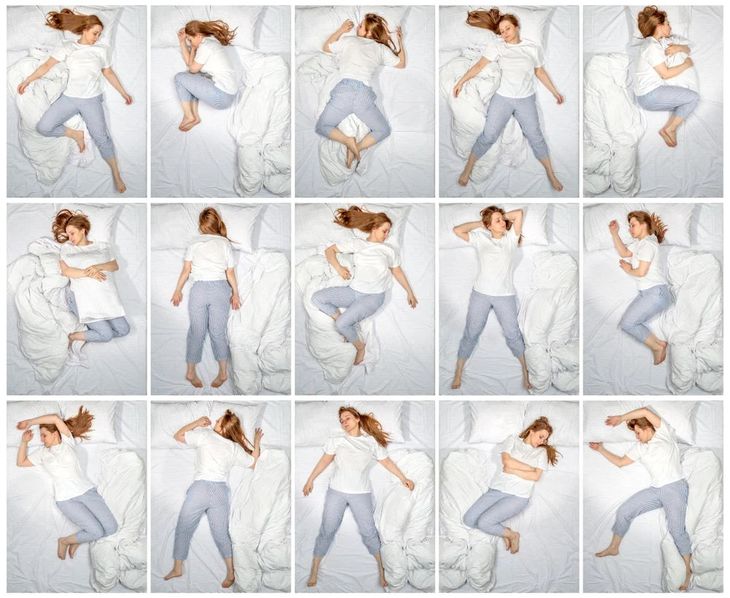
Before you begin analyzing your nightly patterns, you need a few essential tools and habits to capture accurate biological data.
You will need a reliable tracking method that does not disrupt your natural movement during the night.
You also need a consistent sleep schedule to establish a true baseline of your bodily recovery.
Finally, you need an open mind to interpret the psychological and physical signals your body sends.
-
Step 1: Record Your Initial Falling-Asleep Position
Note the exact posture you assume when you first turn off the lights to sleep.
This starting stance often reflects your conscious state of mind and immediate comfort preferences.
Write down this position in a journal or log it in your mobile wellness app.
Doing this consistently for one week establishes your primary psychological baseline.
-
Step 2: Track Your Involuntary Overnight Movement
Most people change their posture multiple times during a typical eight-hour sleep cycle.
You cannot easily track this unconscious movement without the help of modern wearable sensors.
Look for patterns where you toss and turn during specific hours of the night.
High movement frequency usually indicates a transition between different sleep stages or physical discomfort.
-
Step 3: Correlate Posture Changes with Sleep Stages
Different sleep stages like REM and deep sleep require varied levels of muscular relaxation.
During REM sleep, your body enters a natural state of temporary paralysis to prevent you from acting out dreams.
If you move excessively, it might mean you are spending less time in deep, restorative slow-wave sleep.
Mapping your movements to these stages helps you see if your posture is interrupting recovery.
-
Step 4: Evaluate Your Morning Wake-Up Pose
Pay immediate attention to the exact posture you find yourself in upon waking up.
Your morning pose reveals the position your body naturally sought to relieve stress during the night.
Compare this waking stance with your initial falling-asleep posture to measure overnight shifting.
If they are radically different, your body worked hard overnight to find physical balance.
-
Step 5: Adjust Your Sleep Alignment for Maximum Airflow
Use strategic pillow placement to support your neck and maintain a neutral spinal alignment.
If you sleep on your side, place a thin pillow between your knees to relieve lower back pressure.
For back sleepers, a pillow under the knees helps maintain the natural curve of your lumbar spine.
Proper alignment ensures that your airway remains fully open, which directly improves blood oxygen saturation.
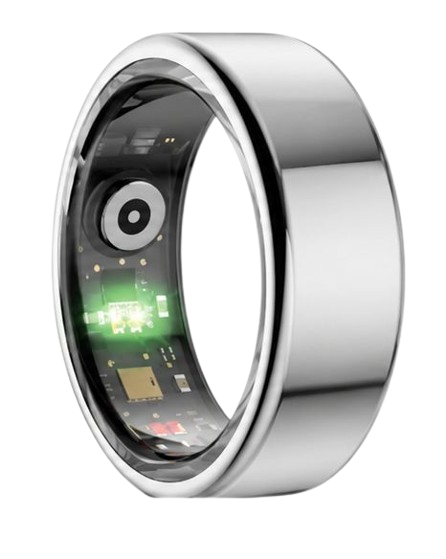
The Herz P1 Smart Ring makes this entire tracking process entirely effortless.
While you sleep, the ring continuously monitors your micro-movements, heart rate variability, and oxygen levels without any bulk.
By wearing the Herz P1 Smart Ring, you get a clear breakdown of how your nightly poses impact your physical restoration.
90-Day 100% Money-Back Guarantee
“The Herz Smart Ring helps me manage stress easily. It’s accurate, stylish, and lightweight—perfect for my busy life!”
— Jennifer P. | ✔ Verified Customer
- ✓ 6-Day Battery Life
- ✓ Detailed Sleep Analysis
- ✓ Fast 1-Hour Charging
- ✓ iOS & Android Ready
Questions? Call: 1-866-479-1629
The Psychology of Sleep: Decoding Your Sleep Position Meaning and Character Traits
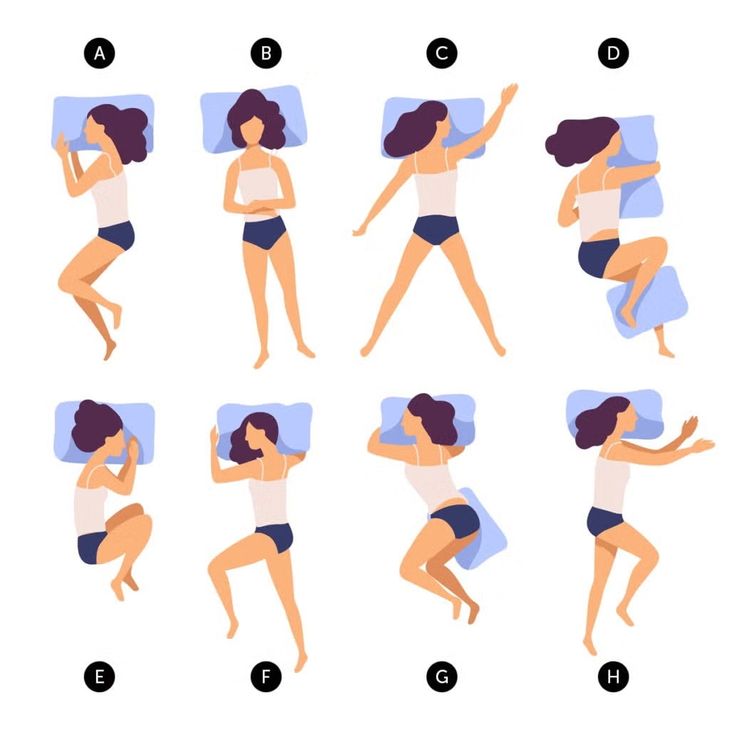
Every individual adopts a unique posture when they enter the unconscious realm of rest.
Many sleep researchers argue that your preferred night pose acts as an unfiltered reflection of your subconscious mind.
By studying sleeping positions meaning, you can gain deep insights into your mental state and stress levels.
The Fetus Pose is perhaps the most famous and widely adopted sleeping style across the globe.
This curled-up posture resembles how we rested in the womb before entering the world.
Psychologically, this stance indicates a desire for protection, safety, and comfort from daily anxieties.
People who sleep in this style often present a tough, resilient exterior but possess a deeply sensitive emotional core.
The Log Pose involves lying flat on your side with both arms resting comfortably down by your hips.
This rigid yet relaxed posture is surprisingly linked to highly social and trusting personality traits.
Log sleepers tend to be easy-going, popular, and incredibly trusting of complete strangers.
However, this high level of trust can occasionally make them gullible or easily misled by others.
Understanding what does your sleeping position say about you can reveal these hidden social habits.
The Yearner Pose is defined by sleeping on your side with both arms stretched out in front of you.
This posture indicates an open and welcoming approach to life, combined with a touch of deep cynicism.
Yearners often take a long time to make decisions because they weigh every single pro and con.
Once they settle on a choice, however, they are notoriously stubborn and almost never change their minds.
The Soldier Pose requires you to lie flat on your back with your arms pinned tightly to your sides.
This disciplined stance reflects a quiet, reserved personality that avoids drama and conflict.
Soldier sleepers hold themselves and those around them to incredibly high personal standards.
They prefer structured, orderly lives and rarely express their deepest emotions to casual acquaintances.
Exploring what your sleeping style says about your personality can shed light on these internal demands.
The Starfish Pose is when you sleep flat on your back with both arms stretched upward around your pillow.
This highly expressive style reflects a wonderful listener who values deep, authentic friendships.
Starfish sleepers are naturally giving and always step forward to support their loved ones in times of need.
They generally dislike being the center of attention and prefer to work quietly behind the scenes.
The Freefaller Pose is characterized by sleeping flat on your stomach with your hands hugging the pillow.
This face-down posture suggests an intense, outgoing, and occasionally brash personality profile.
Freefallers can feel internally anxious or out of control because they struggle to handle unexpected life events.
They are highly sensitive to negative feedback and tend to take personal criticism very close to heart.
Comparing your sleeping position and personality helps you realize how closely mind and body are bound together.
The Physiology of Sleep Poses: How Posture Affects HRV, SpO2, and Heart Rate

While the psychological aspects of sleep poses are fascinating, the physiological impact of these postures is even more vital.
Your night posture plays a massive role in regulating your autonomic nervous system.
According to research published by the National Sleep Foundation, your physical alignment directly impacts your cardiovascular stress levels.
Lying down in different names of sleeping positions can alter your breathing patterns and heart performance.
For example, back sleeping can lead to a condition where your tongue falls backward and blocks your airway.
This subtle blockage leads to sudden drops in blood oxygen saturation, commonly referred to as SpO2.
When SpO2 drops, your brain must wake you up slightly to restore normal breathing.
These micro-arousals disrupt your sleep architecture and keep you from entering deep slow-wave sleep.
The American Heart Association notes that chronic oxygen drops put major stress on your cardiovascular system.
On the other hand, popular sleeping positions like side sleeping are highly recommended for airway safety.
Lying on your side helps keep your airway fully open, ensuring a steady stream of oxygen throughout the night.
Interestingly, side sleeping also impacts your heart rate variability, or HRV.
Sleeping on your right side can reduce pressure on your heart muscle and encourage a state of parasympathetic dominance.
This state allows your heart to slow down, rest, and recover fully from daytime stress.
By contrast, left-side sleeping is highly beneficial for digestive health and reducing acid reflux.
However, left-side sleeping can occasionally compress the chest cavity, slightly altering your resting heart rate.
Choosing healthy sleeping ways is essential for balanced daytime energy and cardiovascular longevity.
To help you understand how your nightly habits shape your biometrics, we analyzed anonymized data from our user community.
| Sleeping Position | Average SpO2 Levels | Autonomic Nervous System State | Overnight Recovery Quality |
|---|---|---|---|
| Side Sleeping (Lateral) | 97% – 99% (Optimal) | High Parasympathetic Tone | Excellent Physical Restoration |
| Back Sleeping (Supine) | 91% – 95% (Variable) | Fluctuating Sympathetic Drive | Moderate (Risk of Micro-Arousals) |
| Stomach Sleeping (Prone) | 94% – 96% (Mild Restriction) | Elevated Muscle Stress | Low (Prone to Neck Tension) |
As shown in the data above, side sleeping consistently yields the highest respiratory efficiency.
With its advanced multi-wavelength optical sensors, the Herz P1 Smart Ring monitors these shifts every single night.
The ring measures your blood oxygen levels and heart rate variability with clinical-grade accuracy.
This accurate data gives you clear evidence of which posture works best for your unique anatomy.
Maximizing Your Recovery: Actionable Insights with the Herz P1 App
Tracking your sleep is only valuable if you can translate the raw data into practical wellness habits.
The free-for-life Herz P1 App provides a highly intuitive daily dashboard of your nocturnal biology.
Every morning, you receive a detailed Sleep Score calculated from your heart rate, HRV, SpO2, and overnight movement.
By reviewing these metrics, you can quickly identify if your posture is hurting your physical recovery.
For instance, if you notice your SpO2 dropped below 95% on a night you slept on your back, you can take action.
You can train yourself to sleep on your side using body-positioning pillows.
Because the Herz P1 is incredibly light and made of military-grade steel, you will not even feel it on your finger.
It sits comfortably at the base of your finger, capturing clean signals from your digital arteries.
The ring boasts an impressive 6-day battery life, so you do not have to worry about daily charging stress.
When the battery does run low, the magnetic charging cradle restores full power in under an hour.
Furthermore, the ring stores up to 7 days of detailed biometric data offline.
You can leave your phone in another room or sleep with Bluetooth turned off to avoid nighttime radiation.
The next time you open the app, your nocturnal data will sync instantly and update your progress charts.
Common Sleep Tracking Pitfalls: Why Bulky Smartwatches Fail
Many health-conscious individuals try to track their sleep using traditional smartwatches.
However, wearing a heavy, bulky screen on your wrist to bed can actually disrupt your sleep.
The bright screen can accidentally turn on during the night, interrupting your natural melatonin production.
Additionally, wrist sensors struggle to maintain constant contact as you shift positions under the covers.
This lack of stable contact leads to massive gaps in your nightly heart rate and SpO2 data.
Another major frustration with modern smartwatches is the hidden cost of ongoing apps.
Many popular brands lock your detailed health trends behind expensive monthly subscription paywalls.
We believe your personal health data should belong to you entirely and without conditions.
The Herz P1 Smart Ring offers a premium, comprehensive tracking experience with zero ongoing fees.
You buy the military-grade hardware once and enjoy lifetime access to all software features.
Frequently Asked Questions
-
Is the Herz P1 Smart Ring waterproof?
Yes, the Herz P1 features an exceptional IP68 waterproof rating.
This means it is fully protected against dust and can withstand water submersion up to 164 feet.
You can confidently wear it while swimming, taking hot showers, washing dishes, or working up a sweat.
-
How long does the battery last on a single charge?
Our custom battery technology delivers up to 6 full days of continuous tracking.
This long life ensures you can monitor your sleep, heart rate, and stress without constant interruptions.
The ring charges incredibly fast, going from empty to full in under one hour.
-
Which finger is the best option to wear the smart ring on?
For the absolute highest accuracy, we recommend wearing the ring on your index finger.
The middle and ring fingers of either hand also serve as excellent alternatives.
Choose the finger that offers a secure yet comfortable fit without sliding around.
-
Does the Herz P1 Smart Ring store biometric data offline?
Yes, the ring features advanced onboard memory that stores up to 7 days of data.
This feature allows you to sleep with your phone off or in another room without losing progress.
Your data syncs automatically the moment you reconnect your ring to the mobile app.
Conclusion: Your Subscription-Free Wellness Journey Starts Here
Your night posture acts as a quiet, powerful language of your inner mind and nervous system.
By decoding these signals with accuracy, you can build a lifestyle that supports deep, restorative recovery.
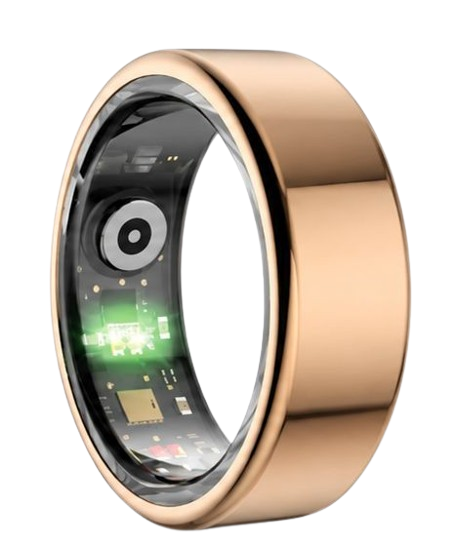
The Herz P1 Smart Ring stands ready to guide you every step of the way without heavy watch bulk or monthly app fees.
Ready to monitor your health every day?
Explore the Herz P1 Smart Ring and see if it fits your lifestyle.
Call: 1-866-479-1629 — our team can help you advise on the correct ring size and set personalized health goals.
