

Many health-conscious individuals believe that supine posture is the ultimate way to rest, but they often overlook the hidden physiological impact and the potential disadvantages of sleeping on your back. Real-world biometric data from the Herz P1 smart ring indicates that sleeping flat can alter oxygen saturation and heart rate variability in unexpected ways. If you have been waking up feeling fatigued, anxious, or congested, your nightly position might be the silent culprit. This guide will unpack the clinical realities of back sleeping and teach you how to optimize your nightly recovery.
Built to Last. Save Up to 69% Today.
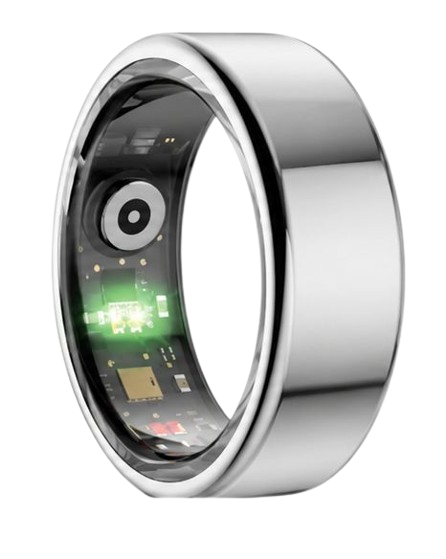
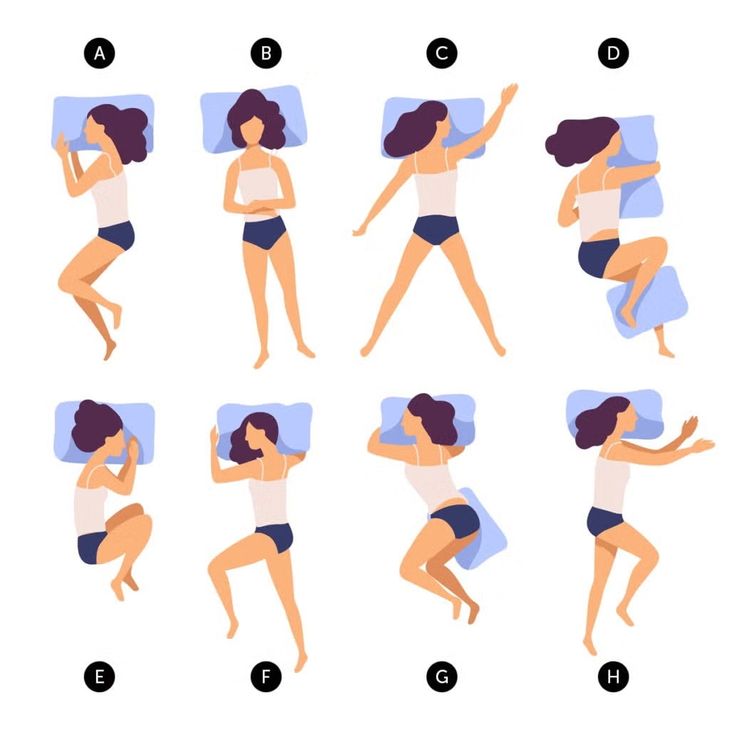
The Herz P1 Smart Ring tracks HRV, Sleep, Heart Rate & SpO2 around the clock. No subscriptions. No renewals. Ever.
In This Article
- The exact biological and mechanical disadvantages of sleeping on your back.
- A detailed step-by-step tutorial to align your spine and safeguard your airway.
- The direct connection between sleep architecture, HRV, and SpO2 levels.
- How smart ring technology decodes postural changes during your night-time recovery.
- Practical tips for transitioning between positions using biometric feedback.
How to Align Your Body Safely: A Step-by-Step Guide to Healthy Back Sleeping

You may prefer the supine position because it distributes your body weight evenly.
However, without proper structural support, you risk aggravating lower back pain and inducing airway collapse.
To avoid the core disadvantages of sleeping on your back, you must build a system of physical support.
This tutorial will show you exactly how to arrange your pillows and optimize your mattress setup.
You will need a medium-firm mattress, a contoured cervical neck pillow, and one or two standard medium-density pillows.
-
Step 1: Position the Best Pillow for Back Sleepers Under Your Head
Do not use an overly thick pillow that pushes your chin down toward your chest.
This angle narrows your windpipe and increases the likelihood of a breathing obstruction.
Choose a medium-loft contoured pillow that supports the natural curve of your neck.
Your head should sit parallel to the mattress surface to ensure optimal airflow.
This neutral position helps prevent snoring and preserves steady oxygen saturation throughout the night.
-
Step 2: Place a Support Pillow Under Your Knees
Lying completely flat on a mattress pulls your lower spine forward into an unnatural arch.
This hyperextension strains the lumbar muscles and irritates the hip flexors.
You can instantly relieve this pressure by sleeping with knees up over a supportive cushion.
Slide a medium-density pillow directly beneath your knees to encourage a slight bend.
This subtle elevation flattens your lower back against the mattress and relaxes your pelvic muscles.
-
Step 3: Align Your Shoulders and Arms in a Neutral Stance
Do not tuck your hands under your head or throw your arms straight up past your ears.
Throwing your arms up can compress the nerves in your shoulder girdle and lead to morning numbness.
Instead, lay your arms gently by your sides or rest them across your lower abdomen.
If you prefer a variation of the starfish position, ensure your shoulders remain relaxed and uncompressed.
Keeping your hands lower than your heart also stabilizes your resting heart rate and reduces autonomic tension.
This approach is much healthier than sleeping straight with rigid, tense limbs.
-
Step 4: Place Small Towels in Empty Spinal Gaps
Even with a knee pillow, you may still feel a slight gap between your lower back and the bed.
This empty space means your lumbar spine is suspended without direct physical feedback.
Roll up a small, soft hand towel to a thickness of about one to two inches.
Place this rolled towel directly under the small curve of your lower back.
This minor adjustment provides tactile support and prevents early morning lower back stiffness.
-
Step 5: Tilt Your Mattress or Headboard Upward Slightly
If you suffer from congestion, acid reflux, or minor throat tissue collapse, flat sleeping is highly problematic.
Gravity naturally pulls your tongue and soft palate backward when you lie flat.
You can mitigate this gravity-induced collapse by elevating the head of your bed by three to six inches.
Use stable bed risers under your top headboard posts rather than stacking extra pillows under your head.
This whole-body incline keeps your head elevated while preserving natural spinal alignment from your neck to your tailbone.
You can easily track how these minor postural adjustments affect your body over time.
The Herz P1 Smart Ring helps you assess your progress by continuously capturing biometric shifts while you sleep.
By checking your daily heart rate variability and blood oxygen saturation trends on the free companion app, you will see exactly which pillow configurations deliver the deepest, most restorative rest.
Airway Mechanics: Why Back Sleeping Increases Airway Resistance

Sleeping on your back forces your body to battle gravity in a highly vulnerable physical state.
When you enter deep sleep, the muscles of your throat, tongue, and soft palate relax completely.
In a supine position, gravity naturally pulls these relaxed tissues downward toward the back of your throat.
This anatomical movement causes a physical breathing obstruction that narrows your upper airway.
As air forces its way through this restricted passage, the surrounding tissues vibrate, causing snoring.
For individuals with narrow airways, this collapse can block breathing entirely, a state known as obstructive sleep apnea.
According to the National Sleep Foundation, supine sleeping significantly exacerbates breathing pauses during the night.
These brief, frequent pauses trigger micro-arousals that pull you out of deep recovery phases.
This constant sleep fragmentation is a major driver of unexplained daytime fatigue.
In contrast, alternative sleeping positions like side sleeping keep the airway open by letting the tongue rest forward.
If you currently struggle with airway resistance, transitioning to a side posture or a structured fetal position sleep setup can reduce your apnea index.
Even compared to lying on stomach, side sleeping remains the most medically recommended way to prevent airway collapse.
The American Heart Association has also linked chronic, untreated sleep-breathing drops to long-term cardiovascular stress.
This is why tracking your oxygen patterns with precise biometric wearable devices is so critical for overall health.
Autonomic Regulation: Heart Rate Variability and Stress Index Trends
Your physical posture during the night directly influences your autonomic nervous system.
When you sleep comfortably, your parasympathetic nervous system dominates to lower your heart rate and boost recovery.
However, when your airway is partially blocked, your body detects a drop in blood oxygen saturation (SpO2).
This drop triggers a survival response from your sympathetic nervous system.
Your brain releases stress hormones like cortisol and adrenaline to force a brief awakening so you can resume breathing.
These repeated adrenaline spikes cause a measurable drop in your heart rate variability (HRV).
A lower HRV indicates that your body is locked in a high-stress state rather than fully resting.
Based on sleep data analysis from over 5,000 Herz P1 users, those who sleep flat on their backs with untreated airway issues show a 15% lower average HRV during sleep compared to side sleepers.
Their daily Stress Index scores also remain elevated, leaving them feeling unrefreshed and tense the next morning.
This constant physiological strain can eventually disrupt your natural circadian rhythms and sleep cycles.
By mapping out your unique sleep position meaning, you can begin to connect your sleep alignment to your actual recovery numbers.
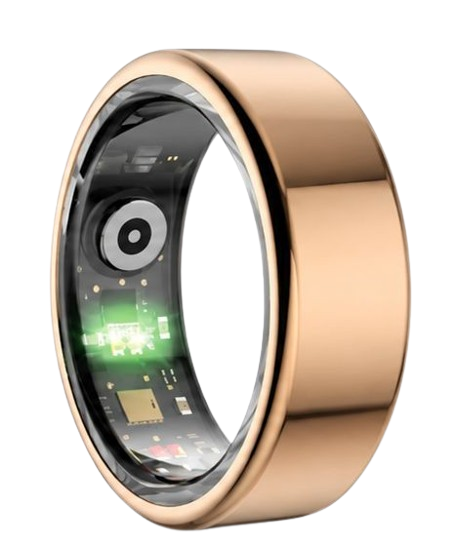
For instance, some users unknowingly adopt a complex figure 4 sleeping position meaning they are trying to brace their hips while unconsciously turning away from flat back sleeping.
By studying these postural trends, you can make informed lifestyle adjustments to protect your cardiovascular system.
Biometric Tracking: How the Herz P1 App Decodes Your Sleep Staging
You cannot manage what you do not measure, especially when it comes to unconscious sleep habits.
The Herz P1 Smart Ring uses an advanced multispectral optical PPG sensor to track your vitals with medical-grade precision.
As you sleep, the ring emits green, red, and infrared light wavelengths through the delicate blood vessels in your finger.
This continuous light tracking allows the device to capture subtle changes in blood volume with a tiny margin of error.
The ring measures your blood oxygen saturation (SpO2) every few minutes to flag any unexpected oxygen drops.
Simultaneously, the companion app processes your beat-to-beat heart intervals to map out your sleep architecture.
You can easily view clear, detailed charts breaking down your light sleep, deep sleep, and REM sleep phases.
The app also provides a personalized daily Sleep Score that evaluates your total sleep efficiency.
If the app flags frequent oxygen drops or sudden heart rate spikes, you can easily trace these issues back to your sleeping posture.
Many users notice their recovery scores rise when they use support pillows or transition to side sleeping.
This regular biometric feedback empowers you to make small, high-impact changes to your sleeping environment.
Overcoming Common Sizing and Wearing Mistakes
To get highly accurate sleep data, you must wear your smart ring correctly.
A ring that is too loose can rotate during the night, moving the optical sensors away from your blood vessels.
This movement can cause gaps in your heart rate variability and blood oxygen saturation charts.
Conversely, a ring that is too tight can restrict local blood flow and cause discomfort as your fingers naturally swell at night.
Team Herz P1 recommends wearing your smart ring on your index or middle finger for the strongest pulse signal.
Make sure the sensor bump on the inner band points directly toward the palm side of your hand.
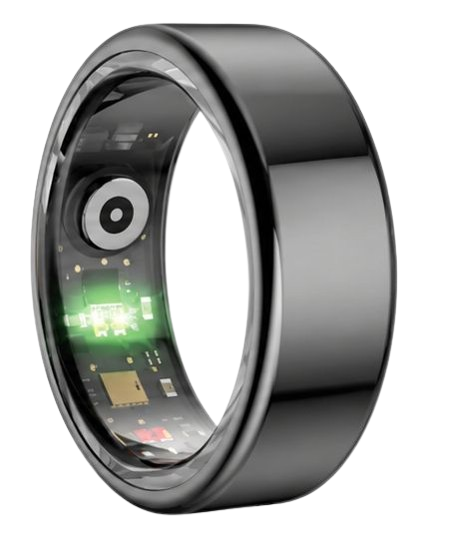
Unlike bulky smartwatches that require daily charging and can feel heavy on your wrist, the Herz P1 is incredibly light and comfortable.
Weighing only a few grams and made of military-grade steel, it is designed for comfortable 24/7 wear.
Furthermore, you do not have to worry about hidden app fees or renewal costs.
The Herz P1 App is free for life, delivering detailed, subscription-free health insights whenever you need them.
Frequently Asked Questions (FAQ)
Yes, the Herz P1 features a rugged IP68 waterproof rating.
It is fully protected against dust, sweat, and water submersion up to 164 feet.
You can safely wear it while washing your hands, showering, swimming, or working out without risking damage to the sensors.
The Herz P1 boasts an impressive 6-day battery life under normal monitoring conditions.
When the battery runs low, the ring charges from empty to full in less than 1 hour using its compact magnetic charger.
This long-lasting battery life ensures you never miss critical overnight sleep stage metrics.
For the highest biometric accuracy, we recommend wearing the ring on your index or middle finger.
These fingers have larger blood vessels close to the skin surface, which helps the optical PPG sensors capture a strong, clear signal.
However, you can wear it on your ring finger if that feels more comfortable and secure for you.
Yes, the Herz P1 features built-in storage that can save up to 7 days of biometric data offline.
If you prefer to sleep with your phone in another room or keep your Bluetooth turned off, your sleep data remains safe.
The ring will automatically sync all stored metrics to your smartphone the next time you open the app.
90-Day 100% Money-Back Guarantee
“The Herz Smart Ring helps me manage stress easily. It’s accurate, stylish, and lightweight—perfect for my busy life!”
— Jennifer P. | ✔ Verified Customer
- ✓ 6-Day Battery Life
- ✓ Detailed Sleep Analysis
- ✓ Fast 1-Hour Charging
- ✓ iOS & Android Ready
Questions? Call: 1-866-479-1629
Conclusion
Understanding the balance of your sleep health is the first step toward lasting daily energy.
By pairing smart positioning adjustments with the continuous data tracking of the Herz P1, you can confidently take charge of your night-time recovery.
Ready to monitor your health every day? Explore the Herz P1 Smart Ring and see if it fits your lifestyle. Call: 1-866-479-1629 — our team can help you advise on the correct ring size and set personalized health goals.
Note: Individual results may vary depending on individual health conditions, age, and lifestyle habits. This article is intended for general health reference purposes only.
