

Many people struggle with morning back pain and stiffness, wondering if sleep straight habits are the ultimate solution. Achieving an optimal alignment is vital for long-term health, yet many remain unsure if sleeping straight is truly the best posture for spinal recovery. At Herz P1, our team decodes your body’s subtle overnight signals to help you optimize your rest and live pain-free.
Built to Last. Save Up to 69% Today.
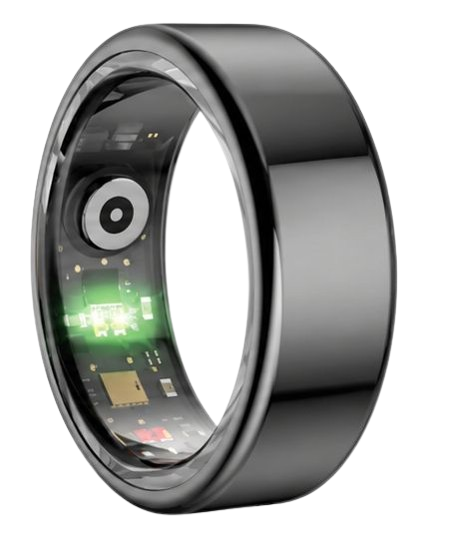
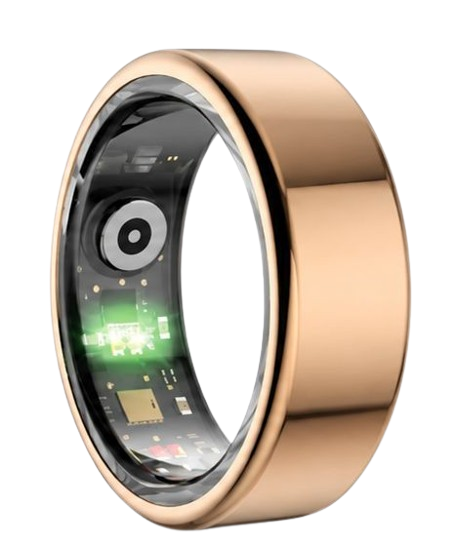
The Herz P1 Smart Ring tracks HRV, Sleep, Heart Rate & SpO2 around the clock. No subscriptions. No renewals. Ever.
In This Article
- The Spinal Alignment Truth: Discover if keeping a sleeping straight posture is ideal for your lower back.
- Expert Biometrics Explained: Learn how physical positioning influences key metrics like HRV and SpO2.
- Transition Tactics: Practical guidance on adopting healthier sleeping ways tonight.
- Advanced Health Tracking: Avoid bulky devices and discover subscription-free solutions.
Does Sleeping Straight Really Work for Your Back? Here’s What the Research Says

To understand if a sleeping straight posture works for back recovery, we must first define what this alignment means.
Sleeping straight refers to lying flat on your back with your head, neck, and spine positioned in a neutral line.
This is commonly known as the supine sleep position in orthopedic medicine.
This posture matters deeply to anyone suffering from chronic morning back pain, stiff joints, or muscular fatigue.
It is especially critical for busy office workers who spend up to ten hours a day sitting compressed at a desk.
Musculoskeletal recovery occurs primarily during your deepest overnight sleep cycles.
During these hours, gravity should ideally distribute your body weight evenly across your entire musculoskeletal frame.
When you achieve this flat orientation, you prevent the unnatural twisting or bending of your lower back.
This uniform weight distribution reduces pressure points on your hips, shoulders, and lower lumbar spine.
According to the National Sleep Foundation, nearly eighty percent of the global population will experience back pain at some point.
A major contributing factor is poor nighttime posture that places constant strain on the spinal ligaments.
By keeping your body straight, you allow your intervertebral discs to rehydrate and decompress naturally overnight.
However, the transition to sleeping on back straight setups is not always simple or universally comfortable.
Some individuals experience initial discomfort because their tight hip flexors pull their lower pelvis out of alignment.
To prevent this, orthopedic experts often recommend placing a thin pillow beneath the knees.
This minor adjustment flattens the lumbar curve against the mattress and eliminates the stress on the lower back.
Based on sleep data trends observed across thousands of users, achieving a balanced posture is a key pillar of physical recovery.
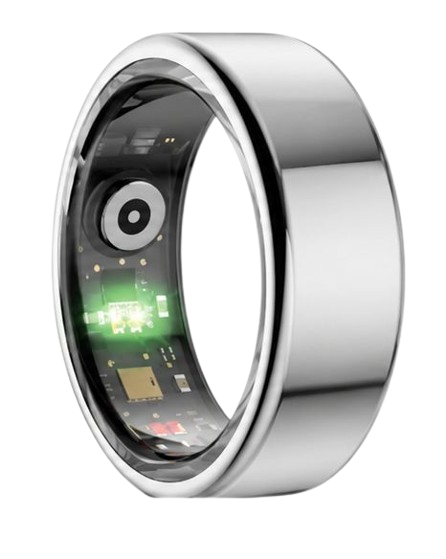
To track how different postures affect your physical recovery in real time, the Herz P1 Smart Ring monitors sleep cycles and HRV 24/7 — explore it here.
90-Day 100% Money-Back Guarantee
“The Herz Smart Ring helps me manage stress easily. It’s accurate, stylish, and lightweight—perfect for my busy life!”
— Jennifer P. | ✔ Verified Customer
- ✓ 6-Day Battery Life
- ✓ Detailed Sleep Analysis
- ✓ Fast 1-Hour Charging
- ✓ iOS & Android Ready
Questions? Call: 1-866-479-1629
Analyzing the Biomechanics of Sleeping Straight Posture
Spine Alignment and Musculoskeletal Balance
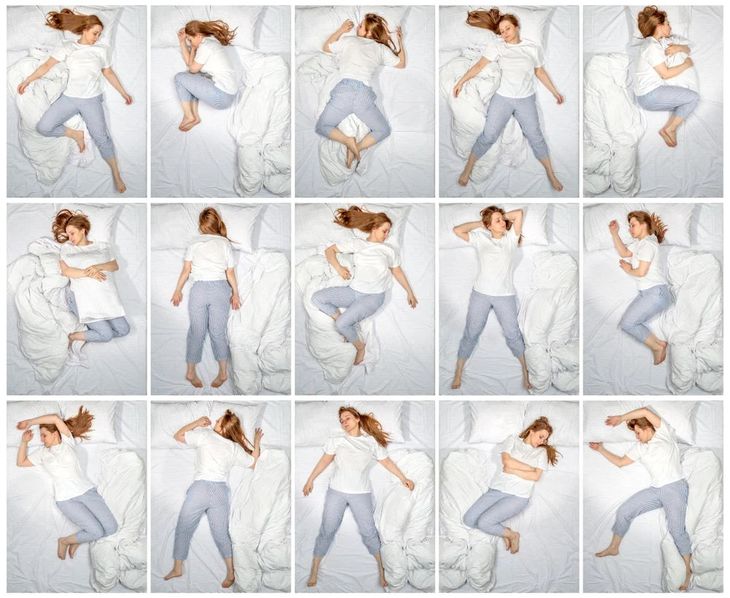
Your spine features three natural, healthy curves that must remain supported during rest.
These curves are found in the neck, the upper back, and the lower lumbar region.
When you are lying flat on back, these curves can align without resisting the bed surface.
This structural alignment neutralizes the forces that usually compress your vertebral discs during the daytime.
A mattress that is too soft can cause your heavy midsection to sink too deep.
This sinking introduces a bowed posture that strains the surrounding spinal ligaments.
Orthopedic specialists recommend a medium-firm mattress for the best balance of cushion and structural support.
This density keeps the pelvis and the thoracic spine on the same horizontal plane.
Maintaining this horizontal plane minimizes the muscular effort needed to hold your body in place.
As a result, your back muscles can fully relax and repair themselves after a strenuous day.
Cervical Spine Mechanics and Pillow Loft
The positioning of your neck is just as important as the alignment of your lower lumbar spine.
When sleeping facing up, your head must not be pushed too far forward.
A pillow with excessive height or loft will strain the delicate muscles in your cervical spine.
This unnatural strain often leads to tension headaches and stiff shoulders when you wake up.
Conversely, using no pillow at all can cause your neck to hyperextend backward.
The ideal pillow loft should fill the gap between the back of your neck and the mattress.
A contour memory foam pillow is highly effective for maintaining this delicate cervical curve.
It supports the head while allowing the neck to rest in its natural, anatomical position.
Keeping your cervical spine aligned prevents the pinching of nearby nerves that can cause numbness in your hands.
The Role of Lumbar Support and Pelvic Tilt
Many people find that sleeping flat on their back causes a dull, aching pain in their lumbar region.
This discomfort occurs because their tight hip muscles pull the pelvis into an anterior tilt.
This anterior tilt creates a gap between the lower back and the flat mattress surface.
Without support, the lower back muscles must contract all night to span this physical gap.
Placing a small, supportive pillow beneath your knees can immediately resolve this biomechanical problem.
The knee elevation tilts the pelvis backward, flattening the lumbar spine comfortably against the bed.
This simple adjustment relieves tension on the deep psoas muscles and the lower lumbar joints.
By correcting this pelvic tilt, you avoid the common disadvantages of sleeping on your back.
It allows you to enjoy all the regenerative benefits of a supine posture without any aching strain.
How Sleep Position Impacts Your Autonomic and Cardiovascular Biometrics
Understanding Heart Rate Variability (HRV) While Supine
Your physical sleeping posture directly influences your autonomic nervous system and cardiovascular health.
The autonomic nervous system regulates automatic bodily functions, including your heart rate and respiration.
A key indicator of autonomic health and recovery is Heart Rate Variability, or HRV.
A high overnight HRV score indicates that your parasympathetic nervous system, or rest-and-digest mode, is active.
When you transition between various sleeping positions, your HRV values fluctuate in response.
Sleeping flat on your back can sometimes cause minor airway resistance in certain individuals.
This subtle resistance can trigger a mild sympathetic nervous system response, lowering your overnight HRV.
This is why tracking your biometric trends with a precise optical sensor is highly valuable.
The Herz P1 Smart Ring measures your HRV every five minutes using medical-grade optical sensors.
Our app helps you correlate your sleeping posture with your overall physiological recovery scores.
If you notice your HRV rises when you sleep straight, your body is recovering efficiently in that position.
Oxygen Saturation (SpO2) and Airway Patency
Maintaining a clear and open airway is essential for deep, restorative sleep and overall wellness.
When you sleep straight on your back, gravity pulls the tongue and soft palate toward the back of the throat.
In some people, this movement can cause a partial obstruction of the airway.
This obstruction leads to snoring or temporary drops in blood oxygen saturation levels, known as SpO2.
The American Heart Association notes that frequent overnight oxygen drops put stress on the cardiovascular system.
Our smart ring monitors your SpO2 levels continuously throughout the night with high precision.
If your oxygen levels dip below normal parameters, our app documents these trends for you to review.
This feature helps you identify if certain popular sleeping positions are causing mild breathing issues.
If your SpO2 drops are linked to a flat posture, you can adjust your setup immediately.
You might try elevating your head slightly with a wedge pillow to keep your airway open.
This balance of comfort and airway health ensures your organs receive the oxygen they need all night.
Sleep Staging: Deep Sleep vs. REM Sleep Distribution
Your brain cycles through different sleep stages, including light, deep, and REM sleep, each night.
Deep sleep is critical for cellular repair, tissue growth, and physical energy restoration.
REM sleep is essential for cognitive functions, memory consolidation, and emotional regulation.
Your physical comfort determines how smoothly you transition through these critical sleep stages.
If your body is strained by a poor sleeping posture, you will experience frequent micro-arousals.
These brief, unnoticed awakenings disrupt your sleep architecture and reduce your deep sleep time.
Our multispectral PPG sensors track these subtle shifts in your sleep stages with outstanding accuracy.
By analyzing your data, you can see if sleeping straight increases your deep sleep duration.
Our user database indicates that optimized spinal alignment correlates with longer, uninterrupted sleep cycles.
This deep, restful sleep allows you to wake up feeling refreshed and energized for the day ahead.
Practical Guide: How to Transition to a Healthier Sleep Position
The Pillow-Barricade Method for Side Sleepers
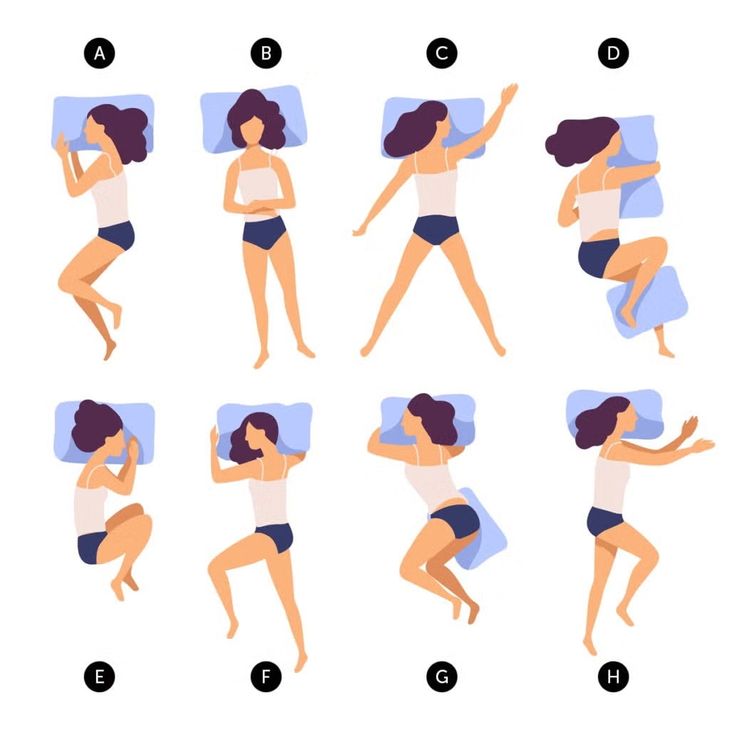
Transitioning from your habitual sleeping posture to a straight posture takes time and patience.
Most people have spent years, or even decades, sleeping in one favorite position.
Your muscles and nervous system will naturally try to return to that familiar shape during the night.
To prevent this subconscious rolling, you can use the highly effective pillow-barricade method.
Place a long, firm pillow on either side of your hips before you fall asleep.
These physical barriers will gently block your body from turning onto your side or stomach.
You can also use a heavy, weighted blanket to promote a secure, grounded feeling on your back.
This deep touch pressure helps calm the nervous system and reduces nighttime tossing and turning.
Understanding your personal sleep position meaning can help you address these physical habits.
With a structured environment, your body will soon adapt to the healthy supine position.
Adjusting Room Environment and Sleep Hygiene
A supportive mattress and pillow are only part of the equation for high-quality rest.
Your bedroom environment must also support deep, uninterrupted recovery cycles.
Keep your bedroom cool, ideally between sixty and sixty-seven degrees Fahrenheit.
A cool room temperature assists your body’s natural nighttime core temperature drop.
This temperature drop is a key biological signal that initiates the deep sleep stage.
Use blackout curtains to eliminate light interference from streetlights or passing cars.
Excessive ambient light can disrupt your melatonin production and affect your sleep architecture.
Our team recommends avoiding heavy meals and intense workouts for at least three hours before bed.
These stimulating activities can raise your heart rate and lower your HRV during the first half of the night.
Adopting these healthy sleeping ways prepares your body for maximum recovery.
Tracking Your Progress on the Herz P1 Companion App
The most rewarding part of improving your sleep is seeing the positive results in your data.
Our companion app provides a clear, detailed dashboard of your nightly biometric trends.
When you wake up, open the app to view your sleep score, HRV, and SpO2 levels.
Compare these metrics across several weeks as you adapt to sleeping straight.
You will likely notice a steady increase in your deep sleep percentage and overall sleep score.
If you experience a dip in your metrics, you can easily adjust your setup, such as changing your pillow thickness.
Our app is designed to make health data easy to understand and act upon.
You can share these reports with your physical therapist or chiropractor during your next visit.
This detailed level of insight helps you make informed choices about your physical health.
Common Sleep Position Mistakes and Wearable Device Pitfalls
The Bulky Smartwatch Discomfort Cycle
Many health-conscious individuals try to track their sleep using bulky smartwatches.
However, wearing a heavy, oversized device to bed can actually disrupt your rest.
The screen can light up unexpectedly during the night, disturbing your deep sleep cycles.
The thick watch body can press uncomfortably against your wrist or snag on your bedsheets.
This discomfort often leads to restless movements and poor data accuracy.
Additionally, loose-fitting wrist bands can slip and lose contact with your skin.
This slipping results in incomplete heart rate and oxygen data during critical recovery windows.
Our smart ring solves this problem with its ultra-lightweight, seamless design.
It weighs just three grams and sits comfortably at the base of your finger.
This location provides highly accurate sensor readings from the dense digital arteries.
You can enjoy highly precise tracking without any of the bulky discomfort of a watch.
The Hidden Costs of Monthly Subscription Fees
Another major pitfall in the wearable technology market is the hidden cost of subscriptions.
Many premium smart rings lock your health data behind an expensive monthly paywall.
These ongoing fees can quickly add up to hundreds of dollars over a few years.
We believe that you should not have to pay a monthly fee to access your own biometric data.
The Herz P1 Smart Ring companion app is completely free for life.
Every detailed graph, sleep analysis, and physiological trend report is available to you from day one.
There are no hidden charges, premium tiers, or unexpected renewal fees.
This lifetime value makes our smart ring a highly economical choice for long-term health monitoring.
You get premium, military-grade hardware paired with a complete, unrestricted health dashboard.
Frequently Asked Questions About Back Pain and Sleep Tracking
Is the Herz P1 Smart Ring completely waterproof?
Yes, our device is certified with an IP68 waterproof rating.
This means it can withstand continuous submersion up to one hundred and sixty-four feet.
You can safely wear it while swimming, showering, bathing, or doing dishes.
There is no need to remove the ring during your daily water activities or workouts.
How long does the battery last on a single charge?
The Herz P1 features an exceptionally long-lasting battery life.
It runs for up to six days on a single full charge under standard monitoring conditions.
When it is time to recharge, it takes under one hour to reach one hundred percent capacity.
This fast charging capability minimizes any potential gaps in your sleep tracking.
Which finger is best to wear the smart ring on?
Our team recommends wearing the ring on your index or middle finger.
These fingers contain robust digital blood vessels near the skin’s surface.
This vascular proximity ensures the highest level of optical sensor accuracy.
However, you can wear the ring on any finger that feels comfortable and secure.
Does the ring store my biometric data offline?
Yes, the Herz P1 has built-in local memory storage.
It can safely store up to seven days of biometric data offline.
You do not need to keep your smartphone nearby or connected while you sleep.
The ring will sync all your stored data automatically once you open the app.
Is sleeping straight on your back safe for everyone?
Most people can safely practice sleeping straight on their backs to support spinal health.
However, individuals with severe sleep apnea or loud snoring should use caution.
This supine position can sometimes cause the tongue to slip back and block the airway.
Pregnant women in their third trimester should also avoid sleeping flat on their backs.
Always consult with a qualified healthcare professional if you have specific medical concerns.
Conclusion
Finding your perfect sleeping posture is a vital step toward long-term physical health.
The Herz P1 Smart Ring is your ultimate companion for tracking this physical recovery journey.
Ready to monitor your health and recovery metrics every single day?
Explore the Herz P1 Smart Ring and see how it fits your daily lifestyle.
Call: **1-866-479-1629** — our team can help you advise on the correct ring size and set personalized health goals.
