

If you regularly wake up with a stiff neck or a dull ache in your lower back, your preferred sleep position might be the hidden culprit behind your morning discomfort. Many people find comfort in lying on stomach configurations, yet this alignment often forces the spine into unnatural angles that strain delicate muscles and ligaments overnight. Our team at Herz P1 designed this comprehensive guide to help you evaluate your sleeping habits and discover how tracking overnight biometric changes can guide you toward restorative, pain-free rest.
Built to Last. Save Up to 69% Today.
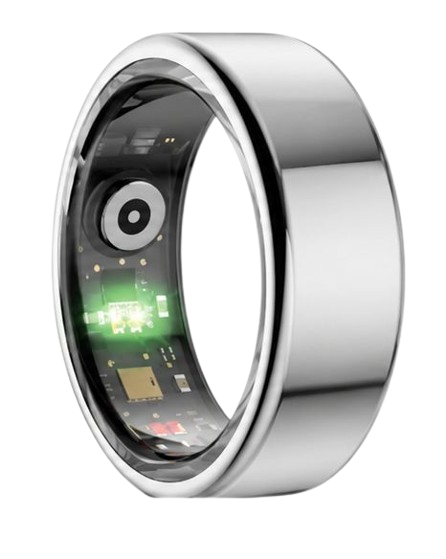
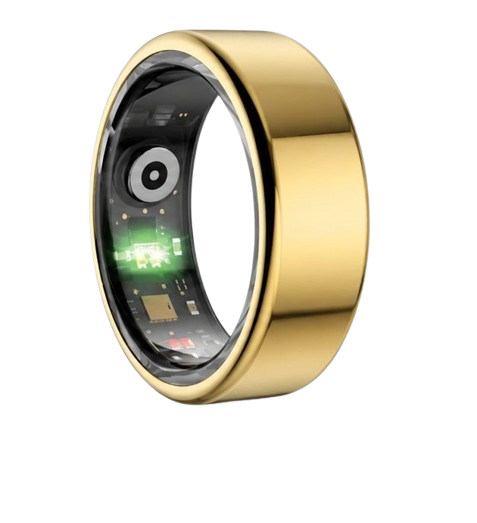
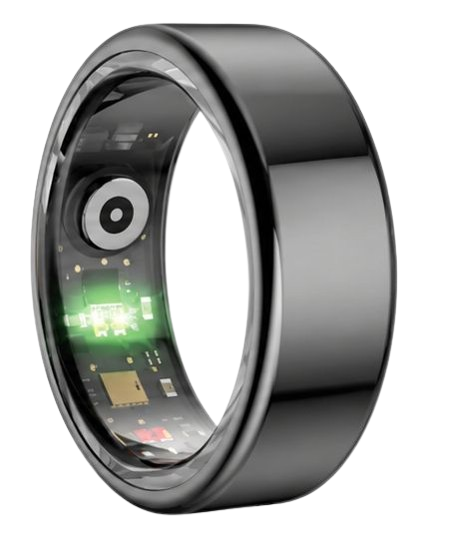
The Herz P1 Smart Ring tracks HRV, Sleep, Heart Rate & SpO2 around the clock. No subscriptions. No renewals. Ever.
In This Article
- The 5W2H Analysis: A complete look at why front sleeping challenges spinal health.
- Sleep Biomechanics: How stomach sleeping compromises your neck and lower back.
- Physiological Impact: How your sleep posture alters heart rate variability (HRV) and deep sleep.
- Corrective Strategies: Practical lifestyle changes, pillow placements, and posture hacks.
- Tracking Solutions: How the Herz P1 Smart Ring monitors your recovery without monthly fees.
Is Lying on Your Stomach Bad for Your Back? The Scientific Verdict

Sleeping habits directly influence spinal decompression and muscular recovery during your overnight rest cycles.
Understanding the exact mechanics of how laying on stomach impacts your body requires a systematic look at your sleeping posture.
To break this down clearly, let us explore the core factors of stomach sleeping through the 5W2H framework.
What is this issue? Stomach sleeping, or prone positioning, occurs when you rest flat on your abdomen with your head turned to one side.
Who is affected by this? Anyone who defaults to a face-down posture, especially individuals carrying excess weight in their midsection or those with pre-existing lumbar issues.
When does this matter? It matters throughout the entire night, particularly during deep sleep cycles when your muscles fully relax and lose their ability to support your joints actively.
Where does this apply? This positioning primarily stresses the cervical spine in your neck and the lumbar region in your lower back.
Why does it happen? Many people choose to rest face down because it feels secure, warm, or reduces snoring by keeping the airway open.
How does it work? Gravity pulls your pelvis down into the mattress, which flattens the natural curve of your spine and forces your neck into a sharp twist.
How much does this impact your health? Clinical studies from the National Sleep Foundation suggest that front sleepers experience up to 50% more tossing and turning due to micro-arousals caused by physical discomfort.
If you want to track this in real time, the Herz P1 Smart Ring monitors your overnight movement index and sleep phases 24/7 — explore it here.
Sleep Biomechanics: What Happens to Your Spine When Laying on Stomach
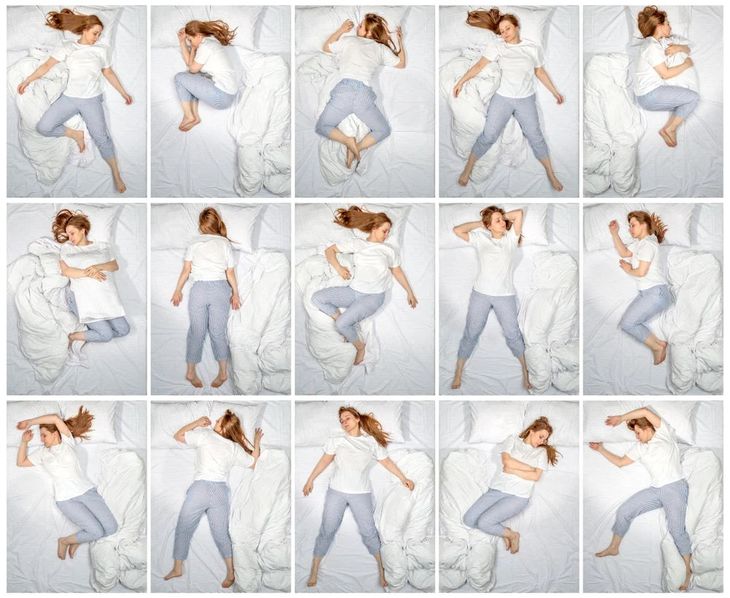
When you sleep, your spine should ideally maintain a neutral, relaxed curve from your neck down to your lower back.
Choosing to rest in a face-down position actively works against this neutral posture by creating mechanical stress.
Your midsection holds a significant portion of your body’s total weight.
When you lie face down, gravity pulls this heavy midsection deep into your mattress.
If your mattress is too soft, your pelvis sinks too low, which forces your lower back into an exaggerated arch.
This hyperextended state pinches your lumbar facet joints and strains the surrounding stabilizing muscles.
Over several hours, this continuous pressure can result in persistent lower back soreness when you wake up.
Your neck is also highly vulnerable when you choose this position.
Because you cannot breathe through your pillow, you must turn your head completely to one side.
This ninety-degree twist puts significant pressure on your cervical vertebrae and strains the delicate neck muscles.
Furthermore, many front sleepers pull one leg upward, which is often referred to as the figure 4 sleeping position meaning.
This asymmetric leg lift twists your pelvis and places additional rotational strain on your sacroiliac joints.
Understanding your sleep position meaning helps you identify why these structural aches occur night after night.
The Physiology of Sleep: How Stomach Sleeping Impacts Your Heart Rate Variability (HRV) and Rest Stages
The position you sleep in does more than just affect your muscles; it also impacts your autonomic nervous system.
When your body experiences physical discomfort, your sympathetic nervous system initiates a low-level stress response.
This elevated stress response directly influences your Heart Rate Variability (HRV).
HRV measures the variation in time between consecutive heartbeats, serving as a reliable indicator of autonomic recovery.
A high HRV suggests your nervous system is relaxed and recovering well, while a low HRV indicates your body is under stress.
When you lie face down, the persistent structural strain on your spine can cause your HRV scores to drop.
This physical tension prevents your parasympathetic nervous system from fully engaging during the night.
According to research from the American Heart Association, ongoing physical stress during sleep can elevate your resting heart rate.
This structural stress also directly interferes with your deeper, restorative sleep stages.
The body needs deep sleep for physical repair and tissue recovery, while REM sleep is crucial for cognitive processing.
When your neck is twisted or your back is arched, you will likely toss and turn to relieve the pressure.
These brief, unnoticed movements fragment your sleep architecture and pull you out of deep recovery cycles.
By wearing the lightweight Herz P1 Smart Ring to bed, you can easily track these structural stress trends.
The ring’s medical-grade optical sensors capture your continuous HRV and sleep staging without any bulky wristbands.
How to Sleep Safely on Your Belly: Posture Modifications and Support Pillows
If sleeping on your front is a deeply ingrained habit, switching positions overnight can be quite challenging.
Fortunately, you can use specific posture modifications and pillow placements to reduce spinal strain.
First, consider placing a flat, supportive pillow directly underneath your pelvis and lower abdomen.
This simple adjustment lifts your hips and helps prevent your lower back from sinking into an exaggerated arch.
Next, try using a very thin, low-loft pillow for your head, or consider sleeping without one entirely.
Reducing the height of your head pillow helps align your neck more naturally with your upper back.
You can also try using a body pillow along one side of your chest to gently transition your body onto an angle.
This semi-lateral position helps take the direct pressure off your belly while still keeping you secure.
If you prefer raising your legs, be mindful that sleeping with laying on stomach with feet up or with sleeping on belly with legs up can further tilt your pelvis.
Instead, try to keep your legs relatively flat and straight to minimize rotational stress on your lower back.
If you find yourself using a figure 4 sleeping position meaning, place a thin pillow under your bent knee.
This extra support helps keep your hips level and reduces twisting in your lower lumbar spine.
Transitioning to Ergonomic Sleep Positions
If you want to protect your back long-term, transitioning to more ergonomic sleeping positions is highly beneficial.
Side sleeping with a pillow between your knees is widely considered one of the best positions for spinal alignment.
Alternatively, learning to sleep on your back keeps your spine in a neutral alignment.
However, you should be aware of the potential disadvantages of sleeping on your back, such as a higher risk of snoring.
You can also explore options like sleeping with knees up, which helps flatten your lower back against the mattress.
If you prefer a simpler posture, sleeping straight on your side can also provide excellent support for your joints.
Gradually modifying your habits with these variations can help you find a comfortable and healthy balance.
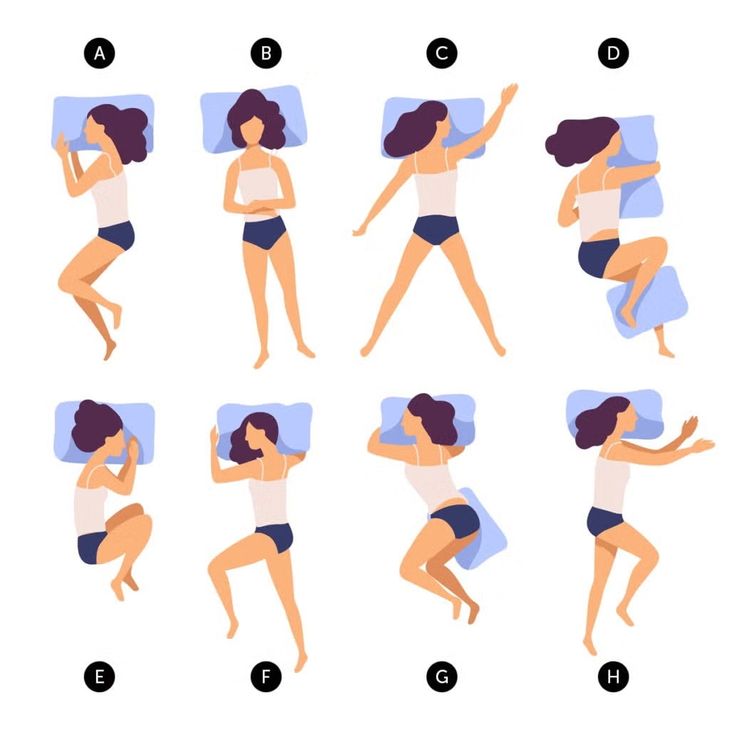
Analyzing Your Sleep Position and Spinal Health
Understanding how your body recovers each night is key to managing chronic back discomfort.
The position you choose can alter your breathing patterns, heart rate, and muscle relaxation.
For example, some people love the starfish position, while others prefer a cozy fetal position sleep setup.
Each of these options has unique effects on your musculoskeletal system and circulation.
The Herz P1 Smart Ring helps you track these effects by monitoring your blood oxygen levels (SpO2) and sleep stages.
By matching your morning physical comfort with your ring’s overnight data, you can easily find your healthiest posture.
This combination of biometric tracking and posture adjustments helps you take control of your sleep quality.
Avoid These Traps: Bulky Wearables and Hidden Subscription Costs
Many people try to track their sleep using large, heavy smartwatches that are uncomfortable to wear in bed.
These bulky devices can press into your skin and disrupt your rest, especially if you sleep face down.
Furthermore, many smartwatch screens light up accidentally during the night, which can disturb your sleep cycles.
Another major drawback is that several top wearable brands charge ongoing monthly subscription fees just to view your health data.
Paying a recurring fee to access your own biometric details can quickly become frustrating.
The Herz P1 Smart Ring offers a highly comfortable, subscription-free alternative for tracking your wellness.
Crafted from military-grade steel, this lightweight ring fits securely and comfortably on your finger all night long.
Best of all, the Herz P1 companion app is completely free for life, with no paywalls or hidden fees.
You can easily view all your detailed sleep stages, HRV trends, and daily stress insights without ever paying a subscription.
A Complete Comparison: Smart Ring Sleep Tracking Features
When selecting a health-tracking device, it is important to compare key technical specifications and features.
The table below highlights how the Herz P1 compares to other standard options on the market.
| Feature | Herz P1 Smart Ring | Standard Smartwatches | Typical Smart Bands |
|---|---|---|---|
| Monthly Subscription Fee | $0 (Free App Forever) | Often $5.99 to $9.99/mo | Variable subscription requirements |
| Battery Performance | Up to 6 Days of Continuous Wear | 1 to 2 Days (Requires Daily Charging) | 5 to 7 Days of Battery |
| Wearing Comfort | Ultra-Lightweight Ring Design | Heavy and Bulky on the Wrist | Noticeable Strap and Screen |
| Waterproof Rating | IP68 (Safe for Swimming) | Varies (Often Splashproof Only) | Varies by Model |
| Product Warranty | 2-Year Full Warranty | Typically 1-Year Coverage | Typically 1-Year Coverage |
Frequently Asked Questions About Sleep Posture and Herz P1
Is lying on stomach with head up called a specific posture?
Yes, this position is often referred to as the Sphinx pose or prone extension posture.
While it can help stretch your abdominal muscles, holding it for too long can compress your lower lumbar spine.
What is the impact of laying on stomach with feet up?
Bending your knees and raising your feet while face down increases the tilt of your pelvis.
This posture can shorten your hip flexors and put extra strain on your lower back muscles.
Why do I prefer a one leg up sleeping position?
Pulling one leg up is a natural way to relieve tension in your lower back when lying face down.
However, this asymmetrical position twists your pelvis and can cause uneven hip strain over time.
Is the Herz P1 Smart Ring completely waterproof?
Yes, the Herz P1 features a durable IP68 waterproof rating, making it safe for swimming, showering, and handwashing.
You can confidently wear your ring during all your daily activities without worrying about water damage.
How long does the Herz P1 battery last on a single charge?
The ring provides up to 6 days of continuous tracking and charges fully in under an hour.
This long battery life means you can track your sleep and workouts without needing to charge it every day.
Which finger is best for wearing the smart ring?
We recommend wearing the Herz P1 on your index, middle, or ring finger for the most accurate sensor readings.
Choosing a snug but comfortable fit ensures the optical sensors maintain consistent contact with your skin.
Can the Herz P1 store my health data offline?
Yes, the ring can store up to 7 days of detailed health metrics offline if it is not connected to your phone.
All your recorded data will sync automatically as soon as you open the companion app.
90-Day 100% Money-Back Guarantee
“The Herz Smart Ring helps me manage stress easily. It’s accurate, stylish, and lightweight—perfect for my busy life!”
— Jennifer P. | ✔ Verified Customer
- ✓ 6-Day Battery Life
- ✓ Detailed Sleep Analysis
- ✓ Fast 1-Hour Charging
- ✓ iOS & Android Ready
Questions? Call: 1-866-479-1629
Conclusion: Your Subscription-Free Health Journey
Understanding how your body recovers each night is key to managing spinal health and waking up refreshed.
The premium Herz P1 Smart Ring makes tracking your sleep quality, HRV, and daily recovery effortless.
Ready to monitor your health every day? Explore the Herz P1 Smart Ring and see if it fits your lifestyle. Call: 1-866-479-1629 — our team can help you advise on the correct ring size and set personalized health goals.
Note: Individual results may vary depending on individual health conditions, age, and lifestyle habits. This article is intended for general health reference purposes only.
