

If you find yourself waking up and realizing you are sleeping with your knees up, your body is sending you a hidden physical signal about your recovery. At Team Herz P1, we understand that every posture shift is a direct reflection of your physiological state. The Herz P1 Smart Ring tracks these subtle shifts by continuously analyzing heart rate variability (HRV) and sleep architecture. This guide reveals why you naturally elevate your knees, how it optimizes blood flow, and how you can track this recovery process without paying any monthly fees.
Built to Last. Save Up to 69% Today.
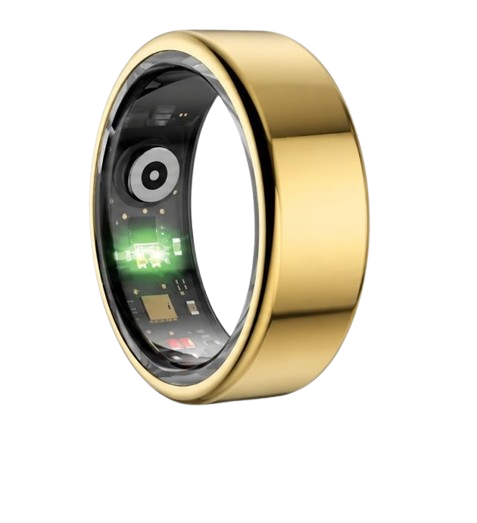
The Herz P1 Smart Ring tracks HRV, Sleep, Heart Rate & SpO2 around the clock. No subscriptions. No renewals. Ever.
In This Article
- Nighttime Ergonomics: Learn how to optimize your skeletal alignment for better sleep quality.
- Physiological Drivers: Discover the cardiovascular and muscular reasons why your knees bend during rest.
- Psychology of Posture: Understand the stress-relieving mechanisms of folded legs and protective shapes.
- Continuous Biometrics: Master the art of tracking sleep stages and heart rate variability with the Herz P1 Smart Ring.
How to Optimize Your Posture for Elevated Legs During Sleep: A Step-by-Step Guide
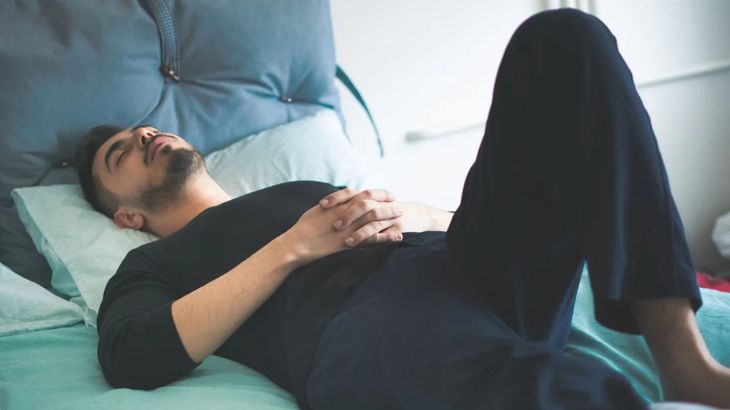
Your nighttime posture is the foundation of structural recovery and circulatory efficiency.
If you regularly lift your legs, your body is seeking a path to relieve physical tension.
This tutorial will show you how to support elevated legs during sleep without straining other joints.
Prerequisites / What You’ll Need
To follow this structural guide, you will need a semi-firm mattress that supports your pelvic weight.
You also need a specialized cylindrical bolster or a supportive memory foam pillow.
Finally, you need a tracking tool like the Herz P1 Smart Ring to monitor how these postural changes affect your resting heart rate.
-
Step 1: Position a Supportive Bolster Underneath the Popliteal Fossa
Begin by lying flat on your back on your mattress.
Place a medium-firm cylindrical pillow directly under your knees.
The pillow must fill the empty space behind your knees completely.
This support allows your lower legs to slope downward naturally toward the mattress.
This simple adjustment reduces the immediate pulling force on your lower lumbar spine.
-
Step 2: Align the Pelvis in a Neutral Horizontal Plane
Check the tilt of your pelvis by placing your hands flat on your hips.
Your hips should feel level without tilting excessively forward or backward.
Elevating the knees helps tilt the pelvis slightly backward.
This structural shift flattens your lower lumbar area against the surface of the bed.
This neutral position prevents morning lower back stiffness and muscle spasms.
-
Step 3: Secure Your Lower Limbs to Prevent Joint Twisting
Make sure your knees do not fall outward or press inward together.
Keep your feet positioned at roughly hip-width distance apart.
If your legs naturally slide apart, use a contoured leg-positioning pillow.
This keeps your hips, knees, and ankles aligned in a straight line.
Proper alignment protects your delicate lateral knee ligaments from overnight strain.
-
Step 4: Keep Your Thoracic Spine and Neck Well Aligned
Choose a head pillow that keeps your neck in line with your spine.
Avoid using a pillow that is too high, as it pushes your chin toward your chest.
An overly thick pillow can restrict your upper airway during sleep.
The goal is to create a straight structural line from your head to your tailbone.
Proper spinal alignment allows your lungs to expand fully for optimal oxygen intake.
-
Step 5: Verify Your Position’s Success Using Nighttime Biometric Data
Maintain this supported, knee-up sleep position for seven consecutive nights.
Check your sleep quality data on your mobile tracker app each morning.
Look for improvements in your deep sleep duration and overall sleep score.
A steady decline in your nightly resting heart rate suggests your cardiovascular system is under less strain.
If your metrics improve, continue using this ergonomic support setup.
The ultra-lightweight Herz P1 Smart Ring makes monitoring these physical adjustments incredibly easy.
By tracking your biometrics continuous throughout the night, we help you understand if sleeping with knees up is helping your body recover.
Our subscription-free mobile app displays clear, easy-to-read trend lines of your sleep stages.
This personal data helps you choose the perfect pillow height and sleeping position for your body.
Why Do I Sleep With My Knees Up? The Physiological Drivers of Leg Elevation
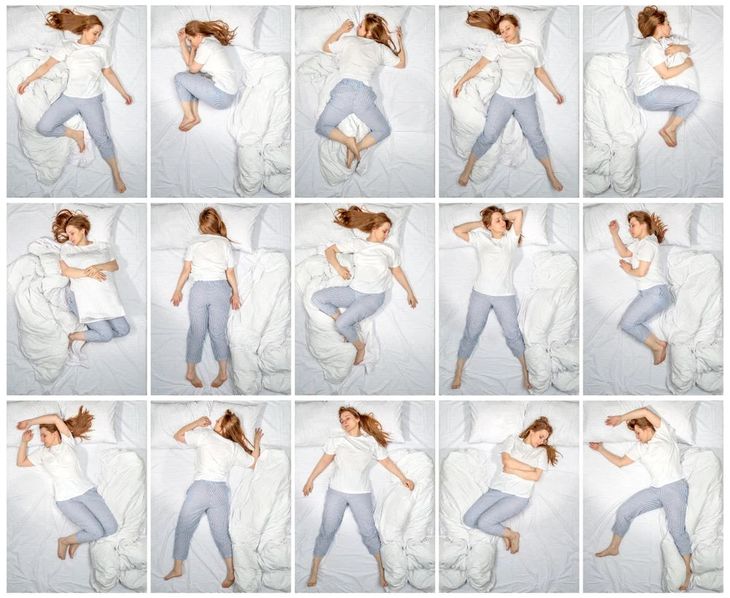
When you are asleep, your autonomic nervous system actively searches for ways to reduce stress on your muscles and bones.
If you find yourself naturally sleeping with knees up, your body is using a smart mechanical bypass to ease muscle tension.
This natural physical response can occur for several reasons, including back stiffness, tight leg muscles, or circulation needs.
According to clinical data from the National Sleep Foundation, adjusting your leg height can help lower muscular stress and support deeper sleep cycles.
When you keep your legs perfectly flat, you can experience several disadvantages of sleeping on your back, such as a hollow lumbar arch and pinched nerves.
Bending your knees relieves this structural pressure by supporting the lower back’s natural curve.
This simple physical change can significantly improve your sleep quality.
Relieving Lower Back Strain and Spinal Compression
Your lower back has a natural forward curve called lumbar lordosis.
When you lie completely flat, your tight psoas and hip flexor muscles pull on your lumbar spine.
This forward pull creates a large gap between your lower back and the mattress, leaving your spine unsupported.
This gap pinches the small facet joints in your lower spine and tightens the surrounding muscles.
When you bend your knees, your hips flex, which relieves tension on the deep psoas muscle.
This muscle relaxation tilts your pelvis backward and flattens your lower back against the bed.
This neutral position reduces pressure on your spinal discs and helps tight back muscles relax after a long day.
Our user tracking shows that keeping the pelvis neutral helps reduce middle-of-the-night wakeups caused by physical discomfort.
Enhancing Venous Return and Blood Circulation
Your heart has to work harder to pump blood back up to your chest from your lower legs and feet.
Gravity makes blood collect in your lower legs throughout the day, especially if you spend hours sitting or standing.
Elevating your knees slightly above your heart level helps your circulatory system work more efficiently.
This elevated position uses gravity to help deoxygenated blood flow back to your heart through your veins.
According to the American Heart Association, improving your nighttime circulation reduces fluid buildup and swelling in your ankles.
This circulatory boost also helps lower your resting heart rate because your heart does not have to pump as hard.
The Herz P1 Smart Ring’s precise heart rate sensor can track this positive change, showing a lower resting heart rate when your body is relaxed.
This cardiovascular relief helps your body spend more time in restorative sleep stages.
Sleeping With Legs Crossed and Bending Knees: Psychological and Neurological Aspects
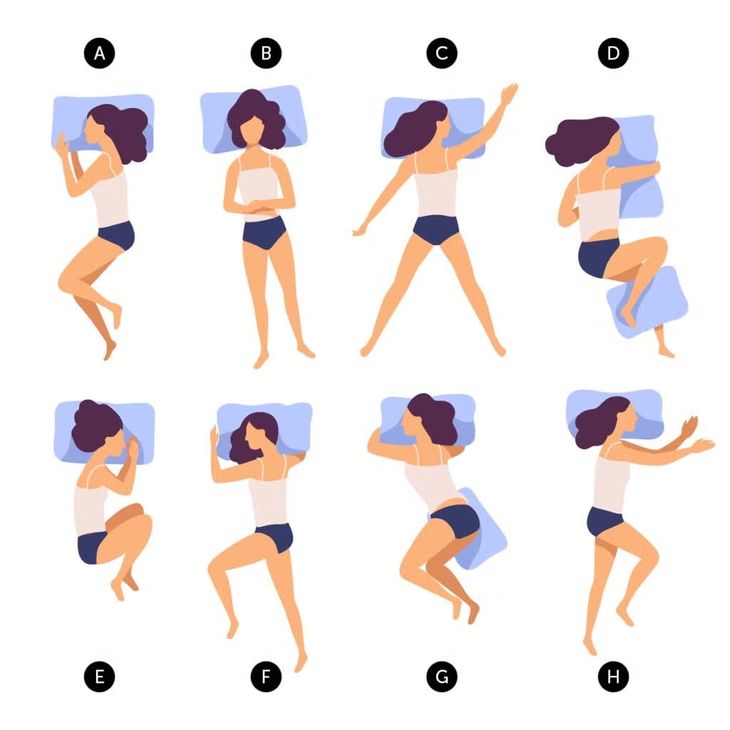
Your nighttime posture is closely linked to your mental state and how your nervous system handles daily stress.
Many people find themselves sleeping with legs crossed or folding their legs into unique shapes like the figure 4 sleeping position meaning.
These protective leg shapes are closely tied to your brain’s natural instinct to feel safe and secure during rest.
Your choice of posture is a form of non-verbal communication that reflects your body’s physical and mental needs.
Understanding your personal sleep position meaning can give you valuable insights into your stress levels and recovery.
Whether you prefer a wide, open posture or a compact shape, your body is always trying to balance and protect itself.
Our research shows that these nighttime patterns directly affect your sleep stages and recovery quality.
The Protective Instinct: Comfort and Nervous System Downregulation
When you curl up or cross your legs, your body mimics the natural, protective posture of fetal position sleep.
This compact, curled-up shape protects your soft abdominal organs and helps conserve your body heat.
This feeling of security signals your brain that it is safe to lower its guard and rest deeply.
This mental shift helps transition your autonomic nervous system from a stressed state to a relaxed, recovery state.
This relaxation leads to a healthier, more balanced heart rate variability (HRV) score overnight.
People who struggle to relax often avoid open positions like the flat, face-up starfish position.
Instead, they naturally choose comforting, folded leg positions to help soothe an overactive nervous system.
Tracking these shifts with a smart ring helps you see exactly how mental stress affects your sleep quality.
Addressing Restless Leg Syndrome (RLS) and Muscle Recovery
If you find yourself asking, “why do i cross my legs when i sleep,” your body may be trying to calm hyperactive leg nerves.
Crossing your legs or pulling your knees up tight provides a gentle, continuous stretch to your hip rotators and glutes.
This mild muscular pressure can help quiet the uncomfortable, twitchy sensations of Restless Leg Syndrome (RLS).
These intense sensations often peak during the transition to light sleep, disrupting your sleep cycles.
By folding your legs, you provide a comforting physical sensation that helps calm these hyperactive motor nerves.
This muscular relief prevents you from tossing and turning, allowing you to stay asleep.
This extra stability keeps you resting quietly, which helps protect your deep and REM sleep stages.
Avoiding flat, rigid positions like sleeping straight can prevent sudden leg spasms from waking you up.
This postural support is a simple, effective way to help your muscles recover fully overnight.
Using Smart Ring Biometrics to Monitor Sleeping Positions and Recovery
Your sleep posture directly impacts your vital signs and overall recovery quality.
Historically, tracking these changes required visiting a specialized sleep lab.
Now, advanced wearable tech allows you to monitor these complex physiological trends right at home.
By analyzing continuous sleep data, you can see exactly how different sleeping positions affect your body.
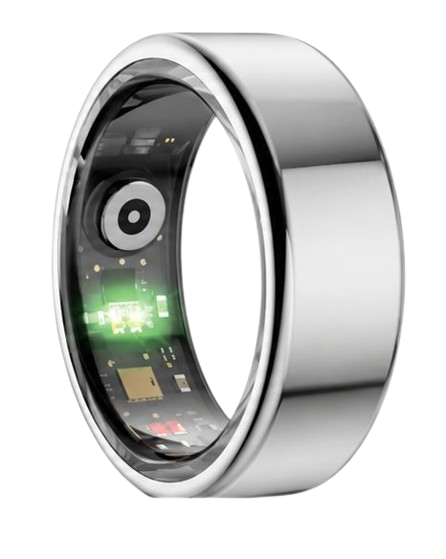
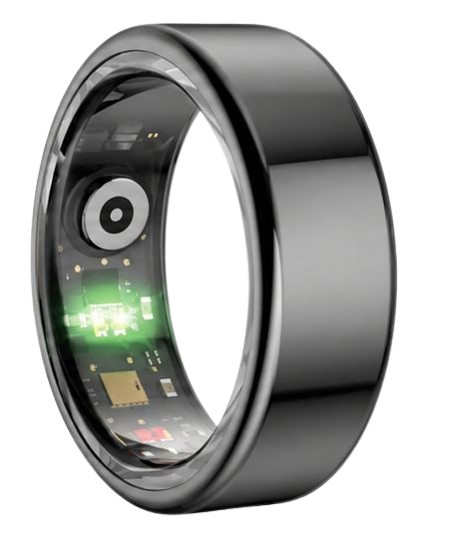
The ultra-lightweight Herz P1 Smart Ring tracks your heart rate, HRV, and oxygen levels all night long.
This personalized data helps you understand how posture adjustments can improve your recovery.
Tracking Overnight Heart Rate Variability and Oxygen Desaturation
Your heart rate variability (HRV) is a powerful indicator of your body’s stress and recovery balance.
When you find the perfect sleeping position, your autonomic nervous system relaxes and your HRV score rises.
Conversely, sleeping in an uncomfortable position like lying on stomach can restrict your chest and lower your blood oxygen level (SpO2).
The Herz P1 Smart Ring uses medical-grade optical sensors to track your SpO2 and HRV every few minutes.
If a sleep position restricts your breathing, the ring detects the slight dip in your oxygen levels.
This precise tracking helps you identify and avoid postures that strain your heart and lungs.
With these clear insights, you can adjust your sleeping setup to support your body’s natural recovery process.
Avoiding Common Pitfalls in Sleep Tracking and Nighttime Ergonomics
Many health-conscious people try to track their sleep using bulky, uncomfortable smartwatches.
These heavy wrist devices can cause wrist sweat and irritation, often disrupting your sleep.
Furthermore, many smartwatch brands lock your personal health data behind expensive monthly subscription paywalls.
We believe you should never have to pay a recurring fee to access your own biometric information.
The Herz P1 Smart Ring offers a comfortable, subscription-free alternative for tracking your wellness.
Crafted from military-grade steel, our lightweight ring is designed to be worn comfortably all night long.
Our companion app is completely free for life, giving you full access to all your sleep data and trends.
Frequently Asked Questions About Sleep Positions and Health Tracking
-
Is the Herz P1 Smart Ring waterproof?
Yes, the Herz P1 is fully IP68 waterproof and can be submerged in water up to 164 feet deep.
You can wear it safely while swimming, showering, washing your hands, or relaxing in a hot tub.
-
How long does the ring’s battery last?
The energy-efficient battery lasts up to 6 days on a single charge.
When it is low, the ring charges fully in under 1 hour using the included magnetic charging dock.
-
Which finger is the best to wear the ring on?
We recommend wearing the Herz P1 on your index, middle, or ring finger for the most accurate readings.
Make sure the ring fits snugly but comfortably without spinning too easily.
-
Does the ring store my biometric data offline?
Yes, the ring can store up to 7 days of detailed health data directly on the device.
Your stored data will sync automatically with the mobile app the next time your phone connects via Bluetooth.
90-Day 100% Money-Back Guarantee
“The Herz Smart Ring helps me manage stress easily. It’s accurate, stylish, and lightweight—perfect for my busy life!”
— Jennifer P. | ✔ Verified Customer
- ✓ 6-Day Battery Life
- ✓ Detailed Sleep Analysis
- ✓ Fast 1-Hour Charging
- ✓ iOS & Android Ready
Questions? Call: 1-866-479-1629
Conclusion: Empower Your Sleep Journey with the Herz P1 Smart Ring
Understanding why you sleep with your knees up is the first step toward improving your physical recovery.
By supporting your body’s natural alignment and tracking your biometrics, you can unlock deeper, more restorative rest every night.
Ready to monitor your health every day? Explore the Herz P1 Smart Ring and see if it fits your lifestyle. Call: 1-866-479-1629 — our team can help you advise on the correct ring size and set personalized health goals.
Note: Individual results may vary depending on individual health conditions, age, and lifestyle habits. This article is intended for general health reference purposes only.
