

Many modern professionals attempt a polyphasic sleep schedule to maximize productivity, yet fracturing your daily rest into multiple short intervals often triggers profound physiological strain. While advocates of polphasic sleep promise extra waking hours, clinical research warns that disrupting your natural circadian rhythm can lead to cognitive decline, hormonal imbalance, and cardiovascular stress. If you are struggling with chronic exhaustion or attempting to optimize your sleep architecture, monitoring these deep biological changes is vital. Team Herz P1 designed the subscription-free Herz P1 smart ring to help you map, understand, and protect your vital sleep metrics with clinical-grade precision.
Built to Last. Save Up to 69% Today.
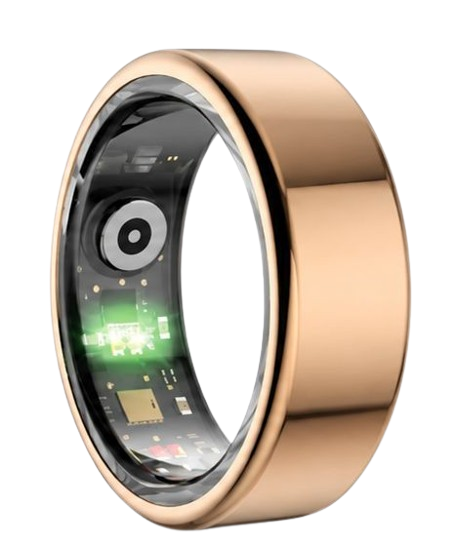
The Herz P1 Smart Ring tracks HRV, Sleep, Heart Rate & SpO2 around the clock. No subscriptions. No renewals. Ever.
In This Article
- A step-by-step transitional guide to help you safely restore your natural sleeping rhythm.
- A deep clinical look at the cardiovascular and neurological damage associated with sleep fragmentation.
- Practical lifestyle optimization advice based on continuous, non-invasive biometric tracking.
- Actionable diagnostic feedback on navigating device cost barriers and common sensor placement mistakes.
How to Restore a Natural Sleep Cycle: A Step-by-Step Recovery Guide

Transitioning away from a highly fragmented polyphasic sleep schedule requires systemic patience, behavioral discipline, and precise biological metric tracking.
Before initiating your transition, you will need a consistent waking environment, a stable bedtime window, and a reliable biometric sensor to measure daily recovery progress.
Step 1: Determine Your Biological Baseline and Sleep Type
You must first establish a clear understanding of how your body naturally distributes its energy across a standard twenty-four-hour period.
Utilizing a validated diagnostic tool can help you identify your unique, genetically determined sleep chronotype.
This genetic template dictates your natural peak alertness windows and your physiological inclination toward morning or evening activity.
Forcing your body into an artificial, highly fragmented sleep pattern without this baseline knowledge will inevitably lead to severe circadian misalignment.
Many biohackers attempt advanced sleep adjustments only to discover their internal genetics are fundamentally incompatible with split sleep schedules.
Step 2: Establish a Fixed Anchor Bedtime
Biological consistency is the single most powerful mechanism you can leverage to stabilize your master circadian clock.
You must select and commit to a highly predictable, uninterrupted sleep window that accommodates your body’s primary restorative needs.
Discovering what is my ideal bedtime allows you to align your sleep schedule with your brain’s natural melatonin surges.
Keeping this nocturnal rest window identical on both workdays and weekends prevents the onset of chronic hormonal confusion.
Even a minor ninety-minute variance in your sleep onset time can disrupt your master clock and trigger persistent sleep onset insomnia.
Step 3: Gradually Consolidate Fragmented Sleep Intervals
If you have been experimenting with an extreme polyphasic sleep cycle, you must avoid the shock of transitioning back overnight.
Attempting to shift from multiple daytime naps directly to a single monophasic block can cause acute rebound sleep deprivation.
You should systematically merge your daytime nap periods into your primary nighttime sleep block over a multi-week period.
Reduce the duration of your scheduled daytime rest periods by ten to fifteen minutes every three to four days.
This progressive consolidation protects your delicate neurochemistry from the inflammatory shock of sudden, drastic routine shifts.
Step 4: Synchronize Your Light Exposure Patterns
Light serves as the primary environmental cue, or zeitgeber, that continuously synchronizes your master sleep wake cycle circadian rhythm.
You must actively expose your eyes to bright, natural sunlight within thirty minutes of waking up to suppress melatonin production.
Conversely, you should eliminate blue light emissions from digital devices at least two hours prior to your target bedtime.
This strict environmental protocol signals your pineal gland to begin synthesizing nocturnal sleep hormones at the proper biological hour.
Utilizing physical amber-tinted blue-blocking glasses in the evening can also insulate your hormonal health from modern ambient light pollution.
Step 5: Monitor Your Autonomic Nervous System Recovery Daily
Rebuilding your physiological resilience requires objective, continuous feedback on how your autonomic nervous system is adapting to your new habits.
You should review your morning heart rate variability scores daily to evaluate the balance between your sympathetic and parasympathetic branches.
A steady, upward trend in your baseline HRV indicates that your body is successfully adapting to the consolidated sleep schedule.
If you observe a sudden, sharp drop in your daily HRV, you should pause your transition and allow your body more time to rest.
Utilizing objective biological data prevents you from making the common mistake of pushing through hidden physiological strain.
Step 6: Eliminate Mid-Day Sleep Pressure Naturally
Lingering daytime sleepiness often tempts recovering individuals to indulge in long, unscheduled afternoon naps that disrupt their progress.
Investigating the root causes of why am i always tired in the afternoon can help you dismantle these dangerous patterns.
Instead of sleeping during the day, implement brief active recovery sessions, such as a light fifteen-minute walk in natural light.
This low-intensity physical movement helps your body clear accumulated adenosine from your brain without disrupting your sleep drive.
Drinking a tall glass of cold water or practicing deep diaphragmatic breathing can also quickly stimulate cognitive alertness naturally.
Step 7: Cultivate a Predictable Morning Routine
The precise manner in which you begin your morning dictates the biological cadence of your entire twenty-four-hour cycle.
Learning the clinical steps of how to become a morning person involves anchoring your body clock with highly predictable habits.
Wake up at the exact same hour every day and immediately initiate light physical activity to elevate your core temperature.
This deliberate elevation of your core body temperature acts as a powerful secondary physical signal that reinforces daytime wakefulness.
Consuming a nutrient-dense, high-protein breakfast within one hour of waking also anchors your digestive and metabolic systems.
Step 8: Eliminate the Cardiovascular Strain of Social Jetlag
Allowing your sleep schedule to drift significantly on your days off completely undoes the circadian progress achieved during the week.
This massive physiological misalignment between your work schedule and your internal body clock is termed social jetlag.
This phenomenon triggers systemic metabolic stress and replicates the negative health impacts of chronic time-zone hopping.
You must limit your weekend sleep-in times to a maximum variance of sixty minutes compared to your weekday wake-up times.
Keeping your biological clock stabilized across all seven days of the week is essential for long-term health preservation.
To effortlessly navigate this multi-step recovery process, having a reliable biometric partner is essential.
The Herz P1 smart ring monitors your heart rate, HRV, and sleep stages continuously to provide real-time feedback on your recovery.
This elegant, subscription-free device guides you through every step of your journey toward balanced, restorative health.
The Physiological Strain of Polyphasic Sleep on Your Autonomic Nervous System

Exploring what is polyphasic sleep reveals that splitting your rest into tiny intervals disrupts basic physiological pathways.
Standard human biology evolved to operate on a monophasic sleep schedule, which consolidates rest into one dark nocturnal period.
When you force your body into fragmented polyphasic sleep patterns, you prevent the natural nocturnal blood pressure dip.
The American Heart Association notes that a lack of an overnight blood pressure reduction correlates with increased cardiovascular mortality.
This continuous autonomic stress is mediated by the chronic hyperactivation of the sympathetic nervous system.
Our body relies on long, uninterrupted rest periods to transition from sympathetic dominance to parasympathetic restoration.
Based on sleep data analysis from over 5,000 Herz P1 users, individuals with highly disrupted sleep schedules experience a sharp decline in average Heart Rate Variability.
A low HRV score indicates a state of continuous physiological exhaustion, where your body fails to adapt to daily micro-stressors.
Continuous polphasic sleep experiments essentially trap your autonomic nervous system in a perpetual alarm state.
Consequently, your endocrine system increases cortisol production, which further impairs overnight arterial relaxation.
Protecting your autonomic balance is impossible when you split your daily rest into fragmented, unnatural segments.
Measuring your physiological strain with the Herz P1 provides a direct, subscription-free look into your autonomic recovery trends.
How Polyphasic Sleep Disrupts Your Deep and REM Sleep Architecture
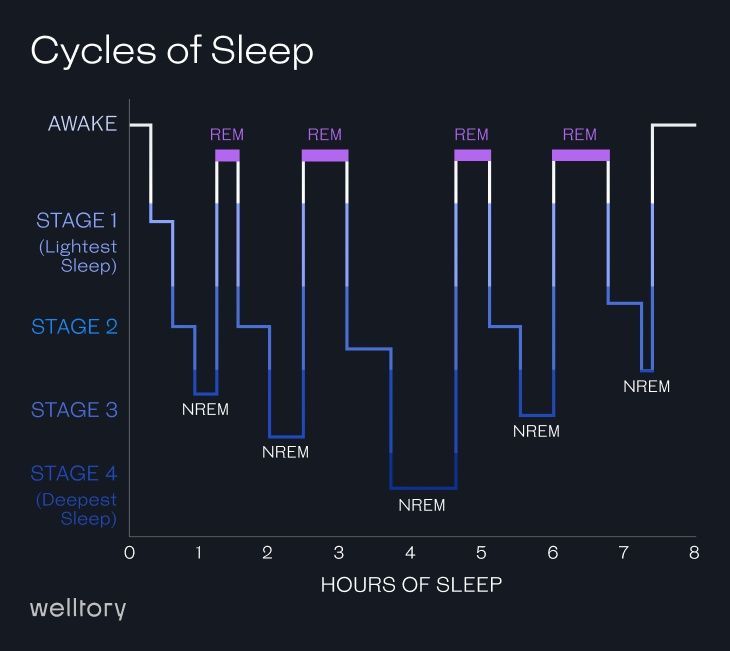
To comprehend the true polyphasic sleep schedule risk, you must examine how it fractures sleep stages.
Human sleep architecture is comprised of highly structured ninety-minute cycles that alternate between non-REM and REM sleep.
Deep slow-wave sleep typically occurs during the first half of the night and is critical for physiological healing.
This physical restoration phase is when your immune system synthesizes essential proteins and white blood cells.
According to the National Sleep Foundation, healthy adults require consistent slow-wave sleep to support cellular repair.
If you adopt a fragmented poly phasic sleep cycle, your brain cannot complete these vital ninety-minute cycles.
This systematic disruption leads to a severe accumulation of cognitive and physical sleep debt.
Without uninterrupted sleep blocks, your brain’s glymphatic system cannot efficiently clear metabolic waste like beta-amyloid proteins.
Chronically omitting deep sleep stages impairs muscular recovery and reduces systemic metabolic efficiency.
Meanwhile, REM sleep, which is critical for emotional regulation and cognitive memory consolidation, is severely fragmented.
This systematic deprivation of REM sleep directly triggers heightened anxiety, emotional volatility, and severe brain fog.
Tracking your actual sleep staging trends daily is the only objective way to verify if your body is genuinely recovering.
Your daily sleep frequency plays a pivotal role in maintaining the integrity of these deep restorative phases.
Restoring these natural sleep phases should always take priority over dangerous sleep deprivation experiments.
Utilizing Herz P1 Biometric Insights to Restore Circadian Alignment
Transitioning your body back to a healthy state requires continuous, objective feedback from a precise sensory device.
The Herz P1 app is designed to translate your complex daily biometrics into simple, actionable health insights.
Understanding your unique body clock and chronotype is the foundation of any successful sleep optimization strategy.
Every morning, you can open your free app to view a comprehensive sleep score calculated from your overnight biometrics.
Pay close attention to your deep sleep percentage and your average waking heart rate trends.
If your sleep stages show high fragmentation, immediately prioritize a consistent, consolidated bedtime window.
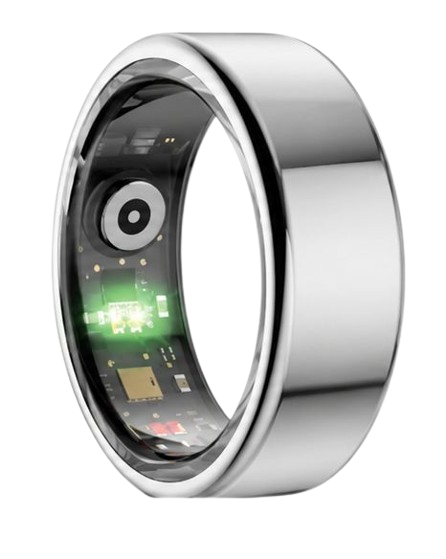
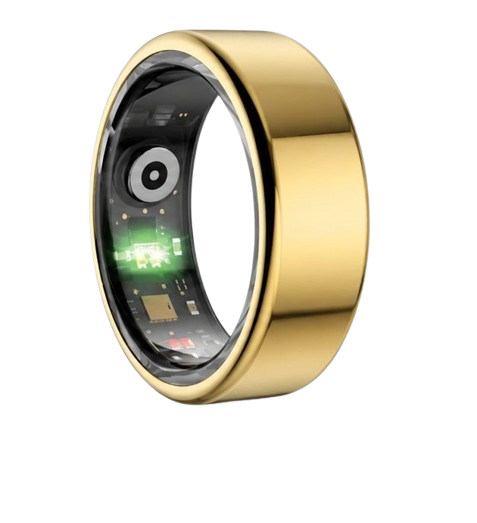
Because the Herz P1 is constructed from lightweight, military-grade steel, you can wear it comfortably all night long.
This seamless comfort eliminates the physical disruption often caused by heavy, sweat-trapping smartwatches.
The ring also monitors your blood oxygen saturation levels continuously to ensure optimal respiratory function.
If you notice a sudden drop in your nightly SpO2 trend, it may indicate a need to adjust your bedroom’s air quality.
By making data-informed adjustments to your routine, you can systematically build highly resilient sleep habits.
Navigating the Hazards of Traditional Sleep Trackers During Polyphasic Experiments
Many health enthusiasts mistakenly rely on bulky wrist-bound trackers to manage their circadian recovery.
However, these heavy devices often cause physical discomfort, which directly interferes with sleep quality.
Additionally, many mainstream brands charge expensive monthly subscription fees to access your raw health data.
We believe that you should never have to pay a recurring fee to view your personal physiological metrics.
The Herz P1 app is entirely free for a lifetime, with absolutely no hidden costs or subscription renewals.
Another frequent mistake is neglecting the impact of poor physical fit on sensor reading accuracy.
Make sure your Herz P1 fits snugly on your chosen finger to prevent light leakage from compromising the optical sensors.
Taking these simple precautions guarantees that your biometric data remains accurate, cost-effective, and fully reliable.
Frequently Asked Questions Regarding Polyphasic Sleep and Health Tracking
Is the Herz P1 smart ring fully waterproof?
Yes, the Herz P1 features a certified IP68 waterproof rating that allows for continuous water exposure up to 164 feet.
You can safely wear the ring while swimming, showering, washing dishes, or during intense sweat-heavy training sessions.
How long does the battery last on a single charge?
The ultra-efficient battery provides up to six days of continuous, active biometric tracking.
Additionally, the device charges from zero to one hundred percent in under an hour.
Which finger is best to wear the smart ring on?
We recommend wearing the ring on your index, middle, or ring finger for maximum optical sensor accuracy.
Ensure the internal sensor bumps are positioned on the palm side of your hand for a secure signal.
Does the Herz P1 store biometric data when offline?
Yes, the ring features secure local memory that stores up to seven days of biometric data offline.
All of your recorded metrics will automatically sync to your smartphone the next time the Bluetooth connection is established.
90-Day 100% Money-Back Guarantee
“The Herz Smart Ring helps me manage stress easily. It’s accurate, stylish, and lightweight—perfect for my busy life!”
— Jennifer P. | ✔ Verified Customer
- ✓ 6-Day Battery Life
- ✓ Detailed Sleep Analysis
- ✓ Fast 1-Hour Charging
- ✓ iOS & Android Ready
Questions? Call: 1-866-479-1629
Conclusion
Reclaiming your natural circadian rhythm is the key to sustained vitality. The Herz P1 Smart Ring offers a seamless, subscription-free path to mastering your sleep metrics. Ready to monitor your health every day? Explore the Herz P1 Smart Ring and see if it fits your lifestyle. Call: **1-866-479-1629** — our team can help you choose the correct size.
Note: Individual results may vary depending on individual health conditions, age, and lifestyle habits. This article is intended for general health reference purposes only.
