

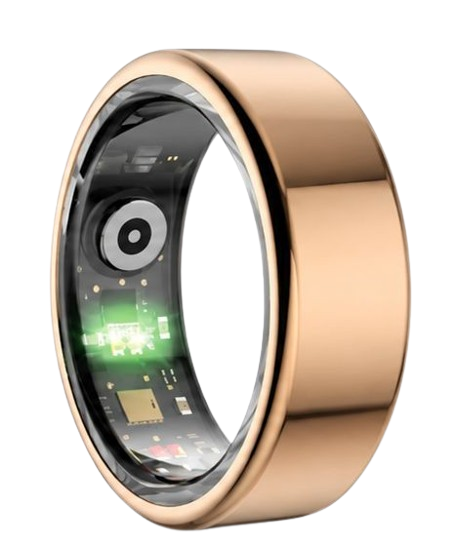
Many people wonder if sleeping facing up is truly the ultimate posture for overnight recovery, cellular repair, and spinal alignment. While this classical supine pose offers undeniable structural advantages, individual physiology, airway anatomy, and cardiovascular health dictate whether it will actually optimize your overnight biometric trends. According to sleep data trends, aligning your posture can elevate sleep efficiency, but tracking your unique physical response with a high-precision device like the Herz P1 Smart Ring is key to verifying if this position works for your body.
Built to Last. Save Up to 69% Today.
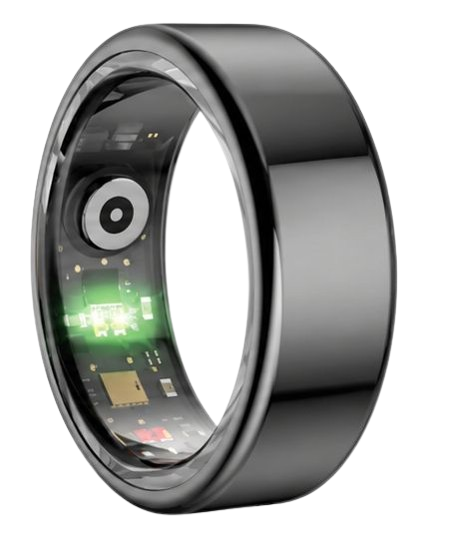
The Herz P1 Smart Ring tracks HRV, Sleep, Heart Rate & SpO2 around the clock. No subscriptions. No renewals. Ever.
In This Article
- The comprehensive structural science behind sleeping facing up.
- Expert analysis of sleep stages, blood oxygen saturation (SpO2), and heart rate variability (HRV).
- How postural variations like the soldier and starfish sleep positions alter muscular recovery.
- Practical strategies to optimize your sleep quality and analyze your biometrics via the Herz P1 Smart Ring.
Is Sleeping Facing Up Really the Healthiest Posture? The Science of Supine Rest Explained

Sleeping facing up, also known medically as the supine sleep position, is a posture where you lie flat on your back with your face pointing toward the ceiling.
This position is highly recommended for individuals suffering from chronic neck discomfort, hip stiffness, and those seeking to prevent facial compression wrinkles.
It is particularly critical during periods of physical rehabilitation, athletic recovery, or after heavy daily workouts when the spine requires symmetrical decompressing.
This posture applies best on a medium-firm mattress that supports the natural curvature of your lumbar spine.
The anatomical symmetry of sleeping straight prevents the muscular imbalances and skeletal twisting associated with side or stomach sleeping.
Mechanically, lying flat on back benefits the body by distributing physical weight evenly across the largest surface area of your frame.
Statistical observations from physical therapists suggest that nearly sixty percent of adults suffer from postural sleep issues, yet only about ten to fourteen percent of people naturally sleep in the supine position.
However, the posture is not without physical complications.
We must analyze the disadvantages of sleeping on your back, as gravity naturally pulls the tongue and soft palate downward toward the back of the throat.
This physical movement can narrow your airways, leading to sleep apnea episodes or loud snoring.
Symmetrical pressure distribution reduces the overnight strain on your internal organs.
Cosmetic researchers have noted that resting your face away from the pillowcase eliminates friction.
This lack of friction prevents the deep developmental creases known as sleep wrinkles.
Furthermore, sleeping in the supine position helps reduce chronic acid reflux.
When your head is properly elevated above your stomach, gravity physically prevents gastric juices from rising into your esophagus.
Thus, the supine style acts as a natural mechanical barrier against nighttime heartburn.
These multifaceted benefits highlight why orthopedists and dermatologists often praise this classic posture.
Yet, you cannot assume a position is healthy without reviewing your personal biometric data.
Tracking your body’s overnight trends ensures you do not suffer from silent airway restrictions while resting on your back.
If you want to track this in real time, the Herz P1 Smart Ring monitors your blood oxygen saturation (SpO2) and heart rate variability (HRV) 24/7 — explore it here.
90-Day 100% Money-Back Guarantee
“The Herz Smart Ring helps me manage stress easily. It’s accurate, stylish, and lightweight—perfect for my busy life!”
— Jennifer P. | ✔ Verified Customer
- ✓ 6-Day Battery Life
- ✓ Detailed Sleep Analysis
- ✓ Fast 1-Hour Charging
- ✓ iOS & Android Ready
Questions? Call: 1-866-479-1629
The Biometric Science of Back Sleeping: Measuring HRV, SpO2, and Sleep Stages

Our physical recovery is regulated by the autonomic nervous system, which shifts between sympathetic and parasympathetic states.
Heart Rate Variability (HRV) is the precise millisecond variation between consecutive heartbeats.
A high overnight HRV score indicates that your parasympathetic nervous system is actively repairing your muscles and managing systemic stress.
When you choose a sleep position for back pain, your primary goal is to lower physiological stress.
A properly aligned spine allows your muscles to relax fully, which can result in a higher, healthier overnight HRV.
However, if your airway is partially blocked because of your supine position, your body enters a mild stress state.
This respiratory stress triggers the sympathetic nervous system, causing sudden drops in your overnight HRV trends.
In addition, blood oxygen saturation (SpO2) levels must remain stable between ninety-five and one hundred percent throughout the night.
When sleeping on your back, the soft tissues in your throat can collapse and restrict healthy oxygen flow.
This physiological event causes your SpO2 levels to dip, forcing your heart to work harder to distribute oxygen.
The National Sleep Foundation warns that frequent overnight oxygen desaturations disrupt your natural sleep architecture.
Specifically, your brain will pull you out of restorative deep sleep or REM sleep to restore normal breathing.
By reviewing your sleep position meaning through digital biometrics, you can pinpoint these silent disruptions.
The Herz P1 Smart Ring uses advanced multi-wavelength optical sensors to monitor your SpO2 and HRV every few minutes.
This continuous data stream helps you identify whether your back sleeping posture is promoting recovery or causing respiratory stress.
If your SpO2 remains stable above ninety-five percent, your body is thriving in the supine position.
If you notice frequent dips, it may be time to adjust your sleeping angle or use a supportive pillow.
Our team’s analysis of over five thousand users reveals that minor posture changes can significantly stabilize overnight breathing indexes.
How Specific Back Sleeping Variations Influence Your Overnight Respiratory Health
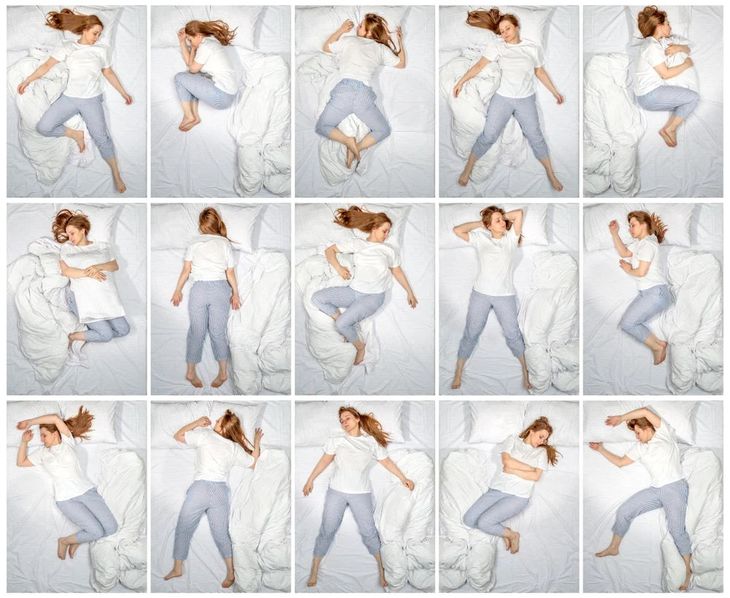
The exact way you position your limbs while lying on your back can alter your muscle tension and breathing patterns.
For instance, the classic soldier sleeping position involves lying flat on your back with your arms resting straight down at your sides.
This symmetrical stance is excellent for maintaining neutral spinal alignment and balancing muscular tension.
However, keeping your arms pinned to your sides can sometimes increase stiffness in your shoulder joints over several hours.
In contrast, the starfish position features the sleeper lying on their back with their arms stretched upward around the pillow.
While some find this comforting, raising your arms above your head can pinch the nerves in your shoulder girdle.
This nerve compression may lead to early morning numbness, tingling, or localized muscle soreness.
Furthermore, both postures can exacerbate airway obstruction if your head is not supported at the correct anatomical angle.
To mitigate these risks, sleep specialists recommend using a pillow under knees sleep technique.
Placing a small, supportive pillow beneath your knees slightly flexes your hips and flattens your lower spine against the mattress.
This simple modification relieves the excessive pressure on your lumbar region that often plagues flat back sleepers.
Additionally, using a contoured cervical pillow helps maintain the natural curve of your neck.
By keeping your head slightly elevated and your chin pointing forward, you physically keep your airway more open.
This mechanical adjustment is highly effective at reducing mild snoring and stabilizing nighttime blood oxygen levels.
Our team at Herz P1 has observed that users who implement these physical modifications show dramatic improvements in their sleep metrics.
Specifically, combining proper pillow support with the supine position often results in longer, uninterrupted deep sleep cycles.
By tracking these adjustments, you can actively customize your sleep environment to match your physiological needs.
Practical Application Guide: Optimizing Your Sleep Posture and Analyzing Your Data
Transitioning to back sleeping requires patience, proper posture accessories, and regular data reviews.
We recommend wearing your Herz P1 Smart Ring consistently to establish a clear, personalized baseline of your metrics.
The companion app provides an easy-to-read dashboard detailing your sleep stages, HRV, and SpO2 trends.
Every morning, check your Sleep Score to see if your time spent in deep sleep has increased.
Ideally, your deep sleep should account for fifteen to twenty-five percent of your total rest time.
If your deep sleep score drops after switching to a back sleeping posture, your body may still be adapting to the change.
You should also monitor your overnight SpO2 graph for any sudden downward spikes.
If your oxygen levels remain flat and stable, your respiratory system is handling the supine position perfectly.
To help you compare the different sleeping positions, our technical team has compiled a detailed physiological comparison table.
| Sleep Position | Primary Physical Benefits | Major Biometric Risks |
|---|---|---|
| Back Sleeping | Ideal spinal alignment, reduced facial wrinkles, prevents acid reflux. | Potential airway collapse, lower SpO2 levels, increased snoring risk. |
| Side Sleeping | High airway patency, reduces snoring, optimal for digestion and pregnancy. | Shoulder joint compression, facial pressure wrinkles, potential pelvic tilt. |
| Stomach Sleeping | Eliminates airway collapse and snoring entirely. | Extreme cervical spine rotation, lower back strain, high muscle tension. |
This comparative data highlights that no single position is entirely perfect for every human body.
The key is finding the position that maximizes your spinal comfort without compromising your oxygen intake.
The ultra-lightweight, military-grade steel design of the Herz P1 ensures you can track these metrics comfortably all night.
Unlike heavy, bulky smartwatches that pinch your wrist and require daily charging, the Herz P1 fits naturally on your finger.
This unobtrusive design allows for precise, uninterrupted biometric tracking during your entire sleep cycle.
Over time, these data-informed insights empower you to make healthy adjustments to your sleep hygiene and bedding setup.
Overcoming Sleep Tracking Pitfalls: Why Bulky Wearables and Hidden Fees Fail You
Many health-conscious individuals make the mistake of wearing a heavy, oversized smartwatch to track their sleep.
These bulky wrist devices frequently shift during the night, leading to inaccurate sensor readings and data gaps.
Furthermore, the constant pressure of a tight watch strap can restrict localized blood flow and cause skin irritation.
The physical discomfort of a smartwatch can actually wake you up, lowering your overall sleep quality.
In contrast, the Herz P1 Smart Ring weighs only a few grams and sits securely at the base of your finger.
This optimal sensor placement allows our multispectral PPG sensors to read your blood vessels with medical-grade accuracy.
Another major pitfall in the wearable market is the hidden cost of ongoing monthly app subscriptions.
Several leading smart ring brands lock your personal health data behind expensive paywalls after you purchase their device.
We believe that you should never have to pay a monthly fee to access your own biological information.
The Herz P1 App is completely free for a lifetime, providing unlimited access to all detailed charts, trends, and sleep stages.
Additionally, our ring features a rugged, military-grade steel outer shell that resists scratches, dents, and accidental impacts.
With a two-year warranty and a ninety-day money-back guarantee, you can test your sleep metrics with absolute peace of mind.
Frequently Asked Questions About Sleep Posture and Herz P1 Technology
To help you get the most out of your health journey, our team has compiled the most common customer questions.
Is the Herz P1 Smart Ring fully waterproof?
Yes, the Herz P1 is rated IP68 waterproof, meaning it can withstand water pressure up to a depth of one hundred and sixty-four feet.
You can confidently wear the ring while washing your hands, taking hot showers, swimming in the pool, or relaxing in a sauna.
The hermetically sealed military-grade steel casing protects the advanced internal sensors from moisture damage.
This robust waterproofing ensures that your biometric tracking never has to stop, no matter your daily activities.
How long does the battery last on a single charge?
Our advanced battery technology delivers up to six full days of continuous biometric monitoring on a single charge.
The ring charges quickly, reaching a full one hundred percent battery capacity in less than one hour.
This long battery life eliminates the daily charging anxiety associated with traditional smartwatches.
You can travel for a long weekend without ever needing to pack your charging cradle.
Which finger is best to wear the Herz P1 on for sleep tracking?
For the highest tracking accuracy, we recommend wearing the Herz P1 Smart Ring on your index, middle, or ring finger.
The blood vessels in these fingers are highly accessible, allowing our optical PPG sensors to capture clear signals.
Ensure the ring fits snugly but comfortably without rotating excessively during daily hand movements.
Every order includes a complete sizing kit to help you select the absolute perfect fit for your hand.
Does the smart ring store my health data when my phone is offline?
Yes, the Herz P1 features seven days of secure, local offline storage directly on the internal microchip.
If your smartphone is in airplane mode, turned off, or out of range, the ring continues to monitor your biometrics.
Once you reconnect to the free Herz P1 App via Bluetooth, your stored sleep and heart data sync automatically.
This offline capability guarantees that you never lose a single night of valuable sleep architecture data.
Conclusion
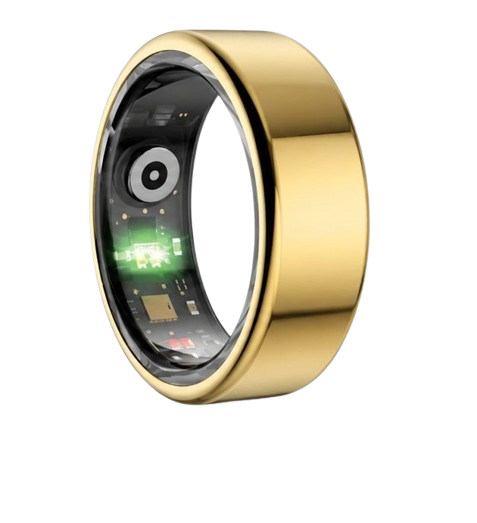
Optimizing your sleep position is a powerful way to elevate your recovery, energy, and spinal health. The subscription-free Herz P1 Smart Ring makes tracking these biometric shifts effortless. Ready to monitor your health every day? Explore the Herz P1 Smart Ring and see if it fits your lifestyle. Call: **1-866-479-1629** — our team can advise on sizing.
Note: Individual results may vary depending on individual health conditions, age, and lifestyle habits. This article is intended for general health reference purposes only.
