

If you wake up with morning stiffness, your sleep posture might be silently sabotaging your physical recovery. Learning the therapeutic art of lying flat on back is one of the most effective, natural ways to restore physical balance. By practicing sleeping straight, you can easily guide your body toward restorative sleep. We at Team Herz P1 created our premium Herz P1 Smart Ring to help you effortlessly track how these structural posture adjustments lower your resting heart rate and elevate sleep quality every day.
Built to Last. Save Up to 69% Today.
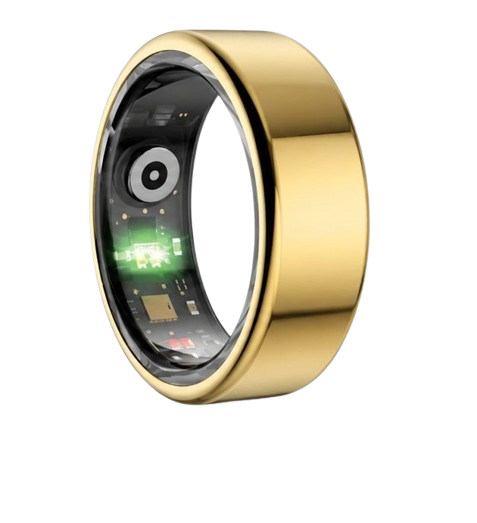
The Herz P1 Smart Ring tracks HRV, Sleep, Heart Rate & SpO2 around the clock. No subscriptions. No renewals. Ever.
In This Article
- Biomechanical Spine Alignment: The precise steps needed to align your spine while resting in a flat supine position.
- Spinal Decompression Science: How lying flat reduces intervertebral pressure and mitigates localized pain.
- Autonomic Health Metrics: The direct impact of supine sleep on heart rate variability (HRV) and respiration.
- Biometric Data Analytics: Using smart ring technology to track sleep quality trends and physical recovery.
How to Align Your Spine: A Step-by-Step Guide to Lying Flat on Your Back

To begin your posture alignment journey, you must gather a few simple tools and understand your baseline spinal anatomy.
You will need a supportive mattress, a low-profile orthotic neck pillow, and a small bolster or knee cushion.
These tools will help you achieve a neutral posture that distributes your body weight symmetrically.
Before you begin, ensure your sleeping environment is quiet, cool, and free from bright lights that disrupt sleep preparation.
Step 1: Position Your Head and Neck in Neutral Alignment
You must place your head directly in the center of a low-profile orthotic pillow.
Avoid using overly thick or stacked pillows that force your chin down toward your chest.
This improper elevation strains the cervical spine and restricts the natural airway.
Instead, choose a pillow that fills the space between the back of your neck and the mattress.
Your forehead and chin should align on a parallel plane relative to the ceiling.
This neutral position maintains your natural cervical lordosis and eliminates neck muscle tension.
Keep your gaze directed straight up to prevent side-to-side rotation strain during the night.
By keeping your neck straight, you prevent morning stiffness and muscle tension headaches.
This provides a solid foundation for optimal cerebral blood flow as you rest.
It is the first crucial step to establishing a healthy spinal posture.
A properly aligned cervical spine ensures that your brain can communicate efficiently with your body during sleep cycles.
This simple adjustment reduces the mechanical load on your upper back muscles, allowing them to fully relax.
Step 2: Place a Support Cushion Under Your Knees
Lying completely flat can pull the lower back upward, causing a painful hollow arch.
To fix this, slide a medium-sized pillow under knees sleep setups require to relax the lower back.
Elevating your knees slightly tilts your pelvis backward into a neutral position.
This biomechanical adjustment instantly reduces the pressure on your lumbar vertebrae.
It also prevents the hip flexor muscles from pulling on your lower spine.
Your lower back should gently rest closer to the surface of the mattress without straining.
This simple trick makes it easy to practice a sleep position for back pain relief.
Over time, your lower spinal joints will enjoy therapeutic decompression while you rest.
This position ensures your muscles do not contract overnight to guard your spine.
It is an essential practice for anyone suffering from morning lower back stiffness.
By removing pressure from the sciatic nerve, you prevent shooting pains and leg discomfort during the night.
This allows your lower body to settle into a state of deep, undisturbed recovery.
Step 3: Align Your Shoulders and Relax Your Shoulder Blades
Many people sleep with their shoulders hunched or rolled forward toward the chest.
You must consciously draw your shoulder blades down and flat against the mattress surface.
This chest-opening adjustment relieves tension in the pectoral muscles and upper thoracic spine.
Ensure that your pillow does not extend underneath your shoulders or upper back.
Your shoulders must remain fully supported by the mattress rather than the neck pillow.
This allows your thoracic kyphosis to settle into its natural curvature without forcing.
Open shoulders also improve your thoracic expansion, making deep breathing much easier.
With fully relaxed shoulders, your upper torso enters a state of structural rest.
This relaxation helps prevent tension from building in your upper trapezius muscles.
It supports natural lymphatic drainage around your collarbone and neck area.
When your shoulders remain flat, your body can expand the chest cavity naturally with every breath.
This breathing efficiency translates directly to higher blood oxygen saturation levels and a lower resting heart rate.
Step 4: Distribute Your Limb Weight Evenly
Choose an arm placement that does not put uneven pressure on your shoulder joints.
You can adopt the classic soldier sleeping position with your arms flat at your sides.
This symmetrically distributes your body weight and prevents one-sided muscular strain.
Alternatively, you can opt for the starfish position with your hands placed up near your head.
Be careful not to over-extend your shoulders if you choose the starfish posture.
Your legs should be spaced about hip-width apart and allowed to flare outward naturally.
This symmetric weight distribution keeps your pelvis and hips in perfect balance.
It prevents lateral pelvic tilt and protects your sacroiliac joints from shearing forces.
Balanced limbs allow your blood vessels to transport nutrients without physical compression.
This simple symmetry is the secret to waking up without localized numbness or tingling.
By spreading your weight evenly, you reduce the physical triggers that cause you to toss and turn.
Your body remains in a quiet state, allowing you to stay in deeper sleep stages for longer periods.
Step 5: Perform a Head-to-Toe Body Scan for Tension Points
Close your eyes and focus on your physical breathing patterns for two minutes.
Consciously release any tightness in your jaw, forehead, and facial muscles.
Verify that your hips are resting evenly and not tilting to one side.
If you feel any muscular strain, adjust your support pillows to relieve the pressure.
This mental check-in transitions your nervous system from active mode to sleep mode.
It signals your brain that it is safe to down-regulate your heart rate.
By clearing physical tension, you prepare your mind and body for deep slow-wave sleep.
Consistency is key to transforming this posture into an automatic habit.
Within a few weeks, your body will instinctively seek this aligned position.
Your sleep metrics will show a corresponding increase in overnight recovery efficiency.
A conscious body scan releases subconscious guarding mechanisms that keep muscles tight during the night.
This mental and physical release is the ultimate preparation for a night of truly restorative sleep.
How the Herz P1 Smart Ring Validates Your Posture Progress
Adjusting your habitual sleep posture can initially cause subtle, imperceptible shifts in your autonomic nervous system.
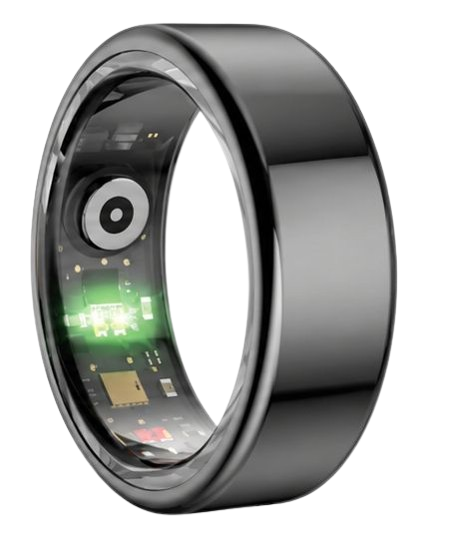
By wearing the Herz P1 Smart Ring, you can directly monitor how these posture changes affect your physical recovery.
Our advanced optical sensors track your resting heart rate and Heart Rate Variability (HRV) down to the millisecond throughout the night.
This real-time biometric tracking proves whether your new posture is reducing physiological stress levels.
If your alignment is correct, you will see your HRV scores steadily rise over a two-week period.
Our comprehensive app organizes this complex biological data into clear, simple trends you can check every morning.
90-Day 100% Money-Back Guarantee
“The Herz Smart Ring helps me manage stress easily. It’s accurate, stylish, and lightweight—perfect for my busy life!”
— Jennifer P. | ✔ Verified Customer
- ✓ 6-Day Battery Life
- ✓ Detailed Sleep Analysis
- ✓ Fast 1-Hour Charging
- ✓ iOS & Android Ready
Questions? Call: 1-866-479-1629
Spinal Decompression Science: How Lying Flat Modifies Intervertebral Pressure

When you stand or sit, gravitational forces exert constant vertical pressure on your spine.
This daily axial loading causes the intervertebral discs to lose moisture and compress.
By lying flat on back surfaces, you eliminate this gravitational load completely.
This supine posture allows the spinal discs to rehydrate through a natural process called imbition.
However, you must be aware of the potential disadvantages of sleeping on your back if your setup lacks proper support.
Without correct lumbar cushioning, gravity can over-extend the lower spine and strain the facet joints.
Medical studies from the National Sleep Foundation confirm that flat sleeping reduces pressure points when properly supported.
By maintaining a neutral posture, you prevent muscular guarding and chronic muscle spasms.
Your spinal cord is protected, allowing your nerves to transmit signals without mechanical interference.
This reduction in sensory input helps transition your body into a deep state of physiological rest.
Team Herz P1 tracks this transition by analyzing your overnight movement and body temperature variations.
A stable, aligned posture directly correlates with fewer toss-and-turn events on your daily dashboard.
When your body moves less, your nervous system remains longer in highly restorative deep sleep stages.
This physical quietness allows cellular repair mechanisms to operate at their absolute peak performance.
Over time, consistent decompression helps heal micro-injuries in the connective spinal tissues.
It is a simple, passive therapy that works wonders for your long-term skeletal health.
Cardiovascular and Respiratory Optimization in the Supine Position
Your choice of posture significantly impacts your cardiovascular efficiency and breathing dynamics.
When lying flat on your back, your heart does not have to pump blood against gravity.
This uniform gravitational plane enhances venous return from your lower limbs to your thoracic cavity.
The American Heart Association notes that optimal resting positions can lower your baseline resting heart rate.
This circulatory efficiency allows your heart to work less while delivering rich nutrients to your tissues.
However, lying flat can sometimes cause the tongue to relax backward, narrowing the upper airway.
This restriction is a major contributor to obstructive sleep apnea and sudden drops in blood oxygen levels.
You can identify these respiratory challenges by tracking your Blood Oxygen Saturation (SpO2) overnight.
Our Herz P1 Smart Ring features a multispectral PPG optical sensor that continuously monitors SpO2 levels.
If your airway becomes partially blocked, the app will display a drop in your oxygen tracking graph.
To resolve this, you can slightly elevate your head or use an orthotic neck roll to keep the airway open.
This ensures you enjoy the spinal benefits of back sleeping without compromising your respiratory health.
Continuous monitoring allows you to make informed adjustments to your pillow thickness and sleep setup.
A healthy airway keeps your brain supplied with constant oxygen, protecting your cognitive performance.
It prevents silent awakenings that ruin sleep architecture and leave you feeling exhausted.
By optimizing both circulation and breathing, your body enters a state of complete cardiovascular rest.
This balance is reflected in a high overnight Heart Rate Variability score on your dashboard.
Biometric Data Analytics: Tracking Your Posture Adjustments with Herz P1

Understanding the sleep position meaning behind your body’s physical signals is key to long-term wellness.
When you shift your habits to laying flat on your back, open your Herz P1 App every morning.
First, analyze your Heart Rate Variability (HRV) trends under the recovery tab.
A higher overnight HRV score indicates strong parasympathetic nervous system activation.
This is a clear signal that your body is resting deeply and recovering from daily stress.
Next, check your sleep staging breakdown to see how your sleep architecture is responding.
Look for an increase in deep sleep and REM sleep percentages relative to your historical baselines.
Our lightweight smart ring is comfortable enough for 24/7 wear, unlike bulky, heavy smartwatches.
This comfortable design ensures you collect seamless data without interrupting your natural sleep cycles.
Use these visual trends to test different sleeping ways to find your optimal setup.
By connecting your physical adjustments to real biometric data, you take complete control of your wellness journey.
You no longer have to guess whether your new posture cushion is actually helping your body.
The hard data on your smartphone screen provides absolute clarity about your physical recovery.
Over time, these minor adjustments build a lifestyle of proactive health and vitality.
You will start each day feeling truly refreshed, energized, and ready to perform.
Avoiding Common Alignment Mistakes and Wearable Tracking Pitfalls
One of the biggest mistakes people make is trying to sleep flat on their back on an saggy mattress.
A worn-out mattress will cause your midsection to sink, creating a bad posture that hurts your back.
Another common mistake is wearing heavy, bulky smartwatches to bed to track sleep progress.
These large devices cause wrist discomfort and often wake you up during deep sleep cycles.
Furthermore, many smartwatch companies charge expensive monthly app subscription fees to view your own data.
We believe your personal health metrics should never be locked behind a paywall.
The Herz P1 App is completely free for life, with no subscription fees or hidden costs ever.
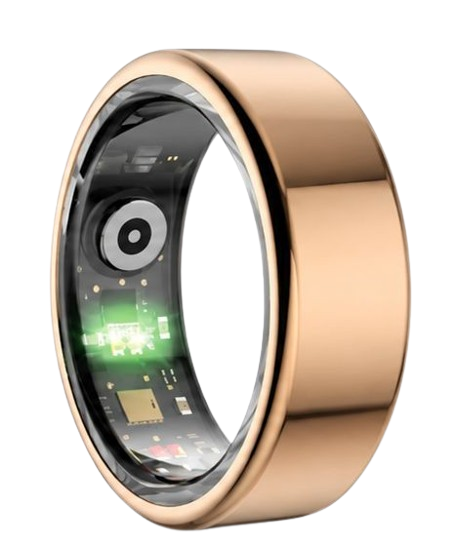
Our sleek, military-grade ring fits comfortably on your finger, allowing you to sleep naturally.
It provides clinical-grade sleep tracking without the bulk or continuous financial burden.
The ring’s durable steel casing is built to withstand years of daily wear and tear.
It offers a practical, stylish alternative for individuals who dislike bulky wrist wearables.
By choosing a smart ring, you eliminate tracking discomfort and ensure consistent nightly data collection.
This consistency is crucial for detecting subtle changes in your long-term cardiovascular trends.
Make the switch to a comfortable, subscription-free tracking experience that puts your health first.
Frequently Asked Questions
Is the Herz P1 Smart Ring waterproof?
Yes, the Herz P1 is fully IP68 waterproof certified.
It can withstand continuous water submersion up to a depth of 164 feet.
You can wear it safely while washing your hands, showering, or swimming in a pool.
There is no need to remove your ring during your daily water activities.
How long does the Herz P1 battery last on a single charge?
The Herz P1 battery lasts up to 6 days under normal, continuous tracking conditions.
It features an ultra-fast charging system that reaches 100% capacity in under 1 hour.
This long battery life minimizes tracking gaps and eliminates daily charging anxiety.
The ring will notify you via the app when the battery drops below 20 percent.
Which finger is best to wear the Herz P1 Smart Ring on?
For the highest biometric accuracy, we recommend wearing the ring on your index finger.
The middle finger and ring finger are also excellent choices for comfortable daily wear.
Choose the finger that offers a secure fit without restricting your natural blood circulation.
A snug fit ensures the optical sensors maintain continuous contact with your skin.
Does the Herz P1 Smart Ring store my biometric data offline?
Yes, the ring has built-in memory that stores up to 7 days of local data offline.
You do not need to keep your smartphone nearby or connected to Bluetooth all night.
The next time you open the app, your stored data will sync automatically.
This feature allows you to sleep peacefully with your phone in another room.
Conclusion: Your Biometric Journey to Better Alignment
Lying flat on your back offers powerful benefits for your physical alignment.
Combine this posture with the biometric insights of Herz P1 to optimize your recovery.
Ready to monitor your health every day?
Explore the Herz P1 Smart Ring and see if it fits your lifestyle.
Call: 1-866-479-1629 — our team can advise on the correct size.
Note: Individual results may vary depending on individual health conditions, age, and lifestyle habits. This article is intended for general health reference purposes only.
