

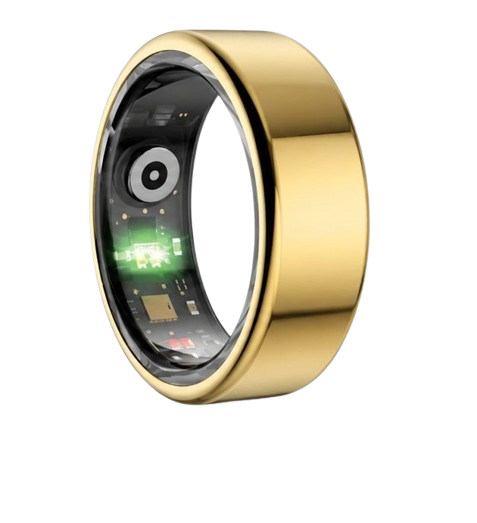
Scientific research shows that over 80% of adults suffer from lower back strain, a condition that can be greatly alleviated by adjusting your nighttime biomechanics with a strategic pillow under knees sleep position. To measure the exact impact of this posture on your body’s autonomic recovery, the Herz P1 smart ring monitors your resting heart rate and HRV variations in real time, validating your physical relief with robust data.
Built to Last. Save Up to 69% Today.
The Herz P1 Smart Ring tracks HRV, Sleep, Heart Rate & SpO2 around the clock. No subscriptions. No renewals. Ever.
In This Article
- How to Achieve the Perfect Sleep Posture: A detailed, step-by-step framework to set up your orthopedic knee support.
- The Biomechanical Science: Why elevating your knees relieves intense pressure on the lower spine, hips, and muscles.
- Sleep Staging and HRV Impact: How structural alignment directly improves deep sleep cycles and autonomic nervous system health.
- Tracking with Herz P1: Practical steps to utilize advanced biometric indicators to measure structural comfort overnight.
How to Perfect Your Sleep Posture: A Step-by-Step Guide to the Pillow Under Knees Sleep Method
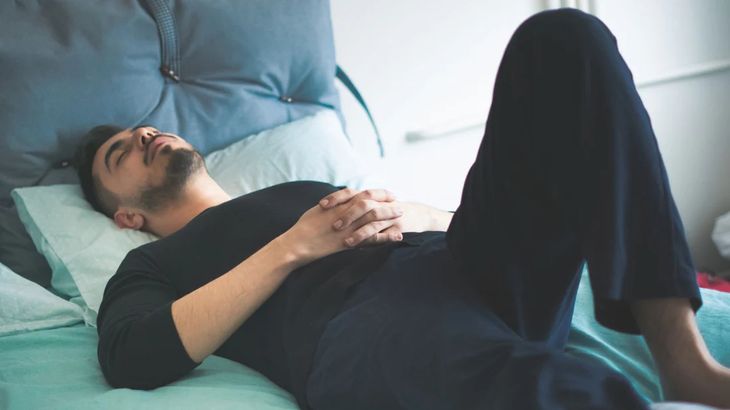
Many individuals unknowingly place immense physical strain on their lumbar spines while resting.
An improper resting setup can lead to micro-awakenings and a noticeable drop in daily vitality scores.
Fortunately, learning how to position your body correctly can resolve these structural issues immediately.
Prerequisites / What You’ll Need
Before beginning, you will need a supportive medium-firm pillow, preferably made of memory foam or dense down alternative.
Your mattress should provide uniform support, and your sleepwear should allow for unrestricted joint movement.
Finally, ensure your smart ring is fully charged to accurately capture the structural improvement in your heart rate trends.
-
Step 1: Choose the Correct Pillow Density and Height
Selecting the proper support tool is the foundation of successful sleep posture modification.
Your chosen pillow should ideally measure between three and five inches in height when slightly compressed.
A pillow that is too flat will fail to elevate your legs enough to unload your lower back.
Conversely, a pillow that is too thick will force your lower back to flatten completely against the mattress, reversing the natural curvature of your spine.
Memory foam is highly recommended because it contours to your unique leg shape without losing structural height.
-
Step 2: Position Your Body Flat on the Mattress
Lie flat on your back and align your head and shoulders with your hips.
Ensure that you are practicing lying flat on back with your weight distributed evenly across your shoulder blades.
Avoid twisting your pelvis or tilting your neck forward with a bulky head pillow.
Keep your arms resting gently at your sides or on your abdomen.
This neutral starting position prepares your spinal columns for optimal decompression.
-
Step 3: Elevate Your Legs and Insert the Support Pillow
Gently bend your knees and lift both legs several inches off the mattress surface.
Slide the support pillow directly beneath your knee joints to practice sleeping with knees up.
The pillow must settle directly under the crease of your knees to support the joint structures properly.
Avoid placing the pillow too far down under your calves or too far up under your thighs.
When you release your leg muscles, your knees should remain slightly bent at a soft 15-to-20-degree angle.
-
Step 4: Keep Your Ankles and Feet in Neutral Alignment
Once your knees are propped up, allow your feet to flare outward naturally.
Your heels should rest comfortably on the mattress without feeling compressed.
Ensure that your lower legs are fully relaxed and not holding any muscular tension.
If you feel stretching in your calves, slide the pillow slightly closer to your thighs.
This ensures your hip joints remain completely relaxed throughout the night.
-
Step 5: Verify Your Lumbar Curve is Contacting the Bed
Slide your hand under your lower back to check the space between your skin and the mattress.
You should feel a very gentle contact, meaning your lower spine is no longer hanging in an unsupported arch.
This structural change indicates that you have successfully achieved a knees propped up posture.
Your pelvic region should feel grounded, balanced, and free from pinching sensations.
Maintain this neutral position as you transition into deep sleep.
To ensure that this new posture is actively reducing your physical stress, we recommend wearing the Herz P1 Smart Ring consistently.
By observing your nightly heart rate trends, you can easily verify whether this physical adjustment lowers your physiological stress levels.
Our team at Team Herz P1 designed this device with advanced sensors to track how your nervous system responds to positive structural alignment.
To start monitoring your sleep biomechanics, explore the Herz P1 today.
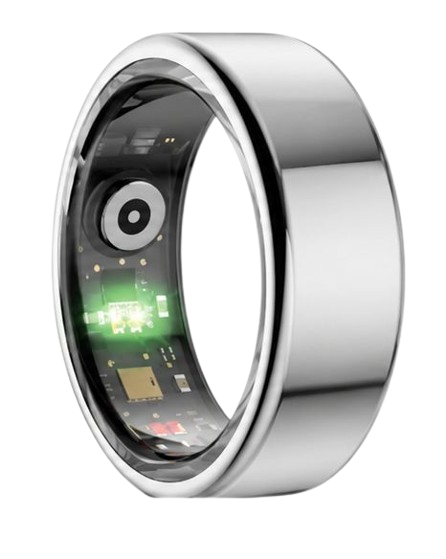
90-Day 100% Money-Back Guarantee
“The Herz Smart Ring helps me manage stress easily. It’s accurate, stylish, and lightweight—perfect for my busy life!”
— Jennifer P. | ✔ Verified Customer
- ✓ 6-Day Battery Life
- ✓ Detailed Sleep Analysis
- ✓ Fast 1-Hour Charging
- ✓ iOS & Android Ready
Questions? Call: 1-866-479-1629
The Biomechanical Science of Spinal Decompression: How Elevating the Knees Reduces Lumbar Stress
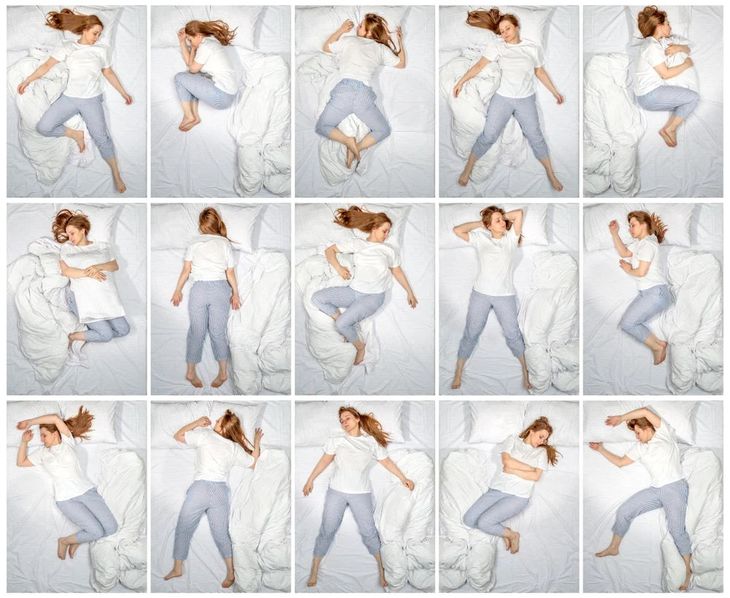
Sleeping on a flat surface without leg elevation can create structural strain inside the lumbar region.
According to the National Sleep Foundation, standard back sleeping can pull the pelvis forward and strain the lower back.
This dynamic occurs because your leg muscles remain fully extended, pulling on your pelvic bone.
By elevating the knees, you reduce this pelvic pull, allowing your lower back to relax into its natural shape.
Why Lying Flat on Your Back Can Cause Hidden Spinal Strain
When you are sleeping straight without support, your lower spine is forced into an exaggerated arch.
This position strains the facet joints of your vertebrae and can pinch surrounding nerves.
Over several hours, this pressure causes deep muscle tightness and stiffness by morning.
Many individuals mistakenly believe that simply lying flat is the healthiest way to rest.
However, without proper leg elevation, your body struggles to achieve true muscular relaxation.
Using a dedicated sleep position for back pain ensures your spine remains in a neutral, strain-free position.
Relieving Hip Flexor and Pelvic Tilt Issues Overnight
Constant sitting during the day tightens your hip flexors, pulling your pelvis forward.
When you go to sleep, these tight muscles continue to pull on your lower back.
This mechanical tension is a primary cause of morning back pain and stiffness.
Elevating your knees is the best sleeping position for hip flexor pain as it slackens these tight tissues.
This adjustment relieves pressure on the psoas and iliacus muscles instantly.
Consequently, your pelvis settles into a neutral position, allowing your lower back muscles to heal.
Tracking Your Restorative Sleep Metrics: How Sleep Posture Affects HRV and Deep Sleep
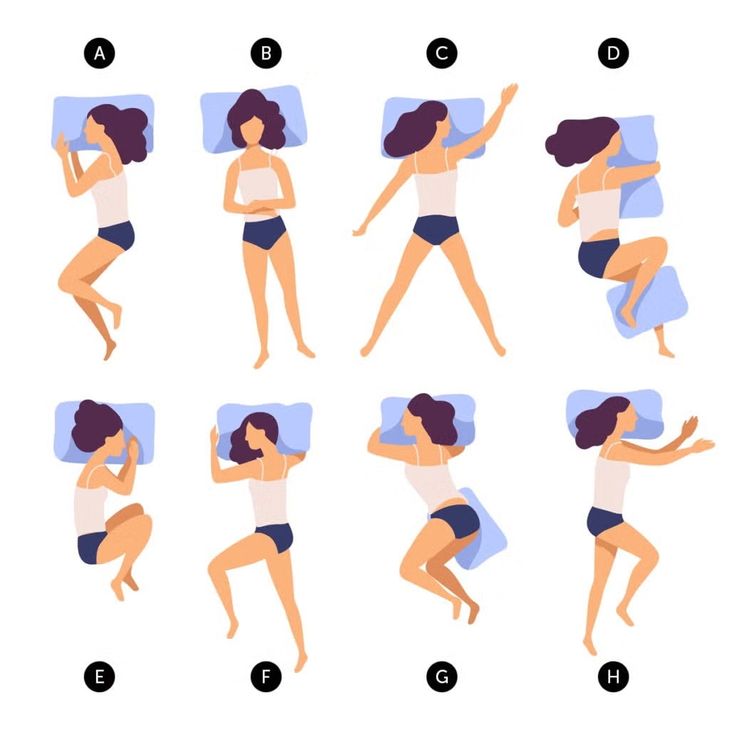
Your sleep posture directly influences how your autonomic nervous system recovers overnight.
Physical pain and muscle tension trigger a mild fight-or-flight response, raising your heart rate.
This stress state prevents your body from spending enough time in deep, restorative sleep stages.
Tracking these subtle physiological changes requires highly accurate biometric sensors.
Understanding the Link Between Physical Comfort and Heart Rate Variability (HRV)
Heart Rate Variability (HRV) is a key indicator of your body’s stress and recovery levels.
When your body is in pain or poorly aligned, your HRV levels will drop noticeably.
This drop shows that your sympathetic nervous system is working harder to manage physical discomfort.
By using the pillow under knees sleep method, you reduce this physical strain on your spine.
Your body responds by shifting into a parasympathetic, restorative state, which naturally increases your overnight HRV.
Monitoring these trends over time helps you verify that your sleep setup is truly supporting your physical recovery.
Maximizing Deep Sleep and REM Cycles Through Ergonomic Optimization
Deep sleep is essential for repairing muscles, tissues, and bone structures.
If you are constantly turning to relieve back pressure, your brain will struggle to stay in deep sleep.
These brief, unnoticed awakenings disrupt your natural sleep architecture and reduce your recovery quality.
Using a knee support pillow helps keep your body stable and comfortable throughout the night.
This stability reduces tossing and turning, allowing you to enjoy longer, uninterrupted deep sleep cycles.
Over time, these improvements will reflect in your daily sleep scores and energy levels.
Optimizing Your Daily Recovery Protocol with Herz P1 Biometric Analysis
The Herz P1 Smart Ring translates complex physiological signals into clear, actionable health insights.
By wearing the ring to bed, you can easily track how changes in your sleep posture affect your body’s recovery.
Our companion app provides simple charts that show your daily trends without any hidden subscription fees.
How to Read Your Overnight Sleep Metrics on the Herz P1 App
Each morning, the Herz P1 app presents a comprehensive breakdown of your sleep stages.
You can view your exact percentages of Deep, REM, and Light sleep on a single dashboard.
Look closely at your movement index; a lower score indicates that your knee pillow is keeping you stable.
Additionally, check your resting heart rate curve to see if it reaches its lowest point during the first half of the night.
A lower resting heart rate indicates that your body is relaxing quickly and recovering efficiently.
A 14-Day Posture and Sleep Quality Experiment
We encourage you to test the benefits of knee elevation for two weeks.
For the first seven days, sleep flat on your back without any knee support.
Record your daily HRV and deep sleep scores using your Herz P1 app.
For the next seven days, use a supportive pillow under your knees and observe the changes in your data.
Most users notice a significant increase in deep sleep duration and a calmer overnight heart rate.
This simple experiment provides clear, personalized proof of how proper posture improves your health.
Smarter Recovery: Avoiding Wearable Discomfort and Subscription Traps
Many individuals struggle to track their sleep because standard wearables are often heavy and uncomfortable to wear in bed.
Additionally, many health trackers require expensive ongoing subscriptions just to view your personal data.
Our team believes that tracking your health should be comfortable, accessible, and transparent.
The Downside of Heavy Smartwatches for Nighttime Tracking
Large smartwatches can feel bulky and restrictive when you are trying to sleep.
They can press into your skin, cause sweating, and occasionally wake you up during the night.
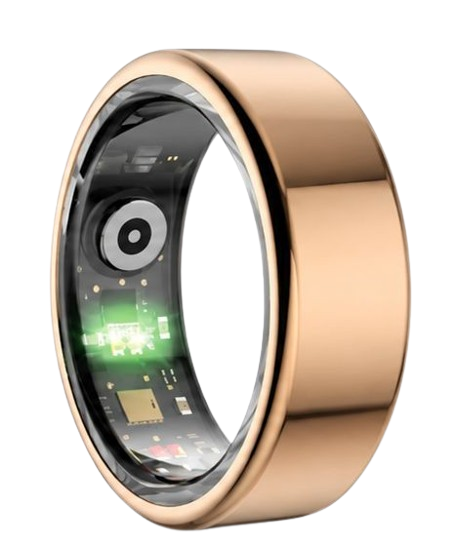
The Herz P1 Smart Ring is crafted from military-grade steel and weighs only 3.5 grams.
Its slim profile fits comfortably on your finger, allowing you to sleep without distractions.
This comfort ensures you get accurate, uninterrupted biometric data every single night.
Eliminating Hidden Costs with Lifetime Free Biometric Access
We believe your health data belongs to you, and you should never have to pay to access it.
Unlike other brands, the Herz P1 app is completely free for lifetime use with no hidden fees.
You get full access to your HRV, sleep stages, oxygen levels, and stress trends from day one.
This saves you hundreds of dollars over time while providing top-tier, reliable health monitoring.
Frequently Asked Questions About Sleep Posture and Smart Rings
If you prefer a side sleeping position, placing a pillow between your knees is highly recommended.
This adjustment helps align your hips and prevents your upper leg from pulling your spine out of alignment.
For those exploring the figure 4 sleeping position, a thin pillow under the bent knee can provide excellent joint relief.
Understanding your unique sleep position meaning and structural needs is key to customized comfort and recovery.
You can safely wear it while washing your hands, showering, swimming, or sweating during workouts.
Its durable military-grade steel shell protects the sensitive sensors from water damage up to 164 feet.
This allows you to track your biometrics continuously without worrying about removing the ring throughout the day.
It charges quickly from 0% to 100% in less than an hour using the included charging cradle.
This long battery life means you can track your sleep and daytime activity with minimal charging interruptions.
The app will also send a gentle reminder when your battery drops below 20%.
These fingers typically have the strongest blood flow, which helps the optical sensors read your biometrics accurately.
However, you can also wear it on your ring finger if that feels more comfortable.
Ensure the ring fits snugly but comfortably, without rotating easily during daily movement.
This means you don’t need to keep your phone nearby or connected to Bluetooth all night.
When you open the app, your stored data will sync automatically in just a few seconds.
This feature keeps your data secure and helps conserve your phone’s battery life.
Conclusion
Optimizing your sleep posture with a knee support pillow is a highly effective way to relieve back tension and improve your rest.
By pairing this change with the Herz P1 Smart Ring, you can easily track and verify your physical recovery progress.
Ready to monitor your health every day? Explore the Herz P1 Smart Ring and see if it fits your lifestyle. Call: 1-866-479-1629 — our team can help you advise on the correct ring size and set personalized health goals.
