

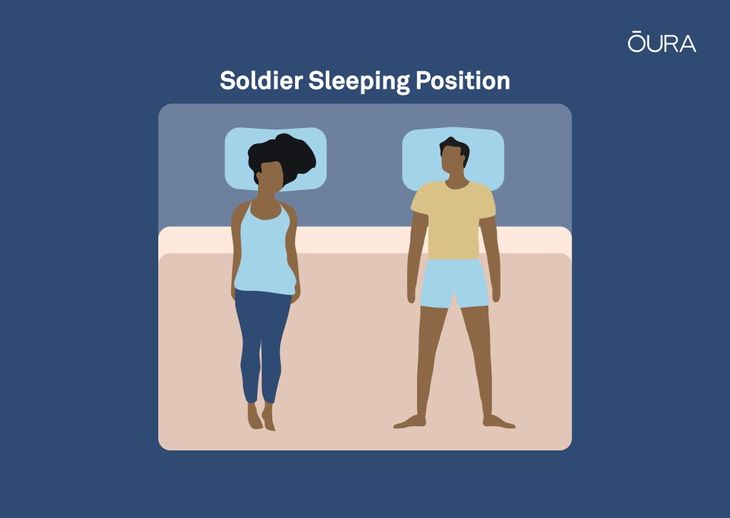
Optimizing your nightly rest begins with understanding your soldier sleeping position, a posture where you lie flat on your back with arms held straight at your sides, and tracking how it influences your recovery metrics using the premium Herz P1 smart ring. Clinical data reveals that back sleeping offers excellent spinal alignment but can significantly lower blood oxygen saturation levels in individuals prone to airway obstruction.
Built to Last. Save Up to 69% Today.
The Herz P1 Smart Ring tracks HRV, Sleep, Heart Rate & SpO2 around the clock. No subscriptions. No renewals. Ever.
In This Article
- Postural Step-by-Step Guide: Learn how to correctly align your cervical and lumbar spine while sleeping flat on your back.
- Biomechanics of Back Sleeping: Understand the physiological pros and cons of the soldier sleep position, including oxygen desaturation risks.
- The “Best Piles” Strategy: Discover the optimal pillow heights and support piles required to eliminate joint stress.
- Smart Wearable Diagnostics: Learn how to utilize non-invasive biometric monitoring to evaluate your nightly respiratory health.
How to Master the Soldier Sleeping Position for Spine Alignment
Prerequisites / What You’ll Need
To successfully adopt this position, you need the proper physical conditions and sleep accessories.
You will need a medium-firm supportive mattress, an ergonomic cervical neck pillow, and a secondary low-profile pillow to support your knees.
Step-by-Step Instructions
-
Step 1: Choose a Medium-Loft Cervical Pillow
Select a head pillow that keeps your cervical spine in a completely neutral alignment.
If the loft is too high, your neck will flex forward and compress your airway.
If the loft is too low, your head will tilt backward and strain your neck muscles.
Ensure your shoulders rest on the mattress and not on the pillow itself to avoid extra pressure.
-
Step 2: Place a Low-Profile Pillow Under Your Knees
Lie flat on your back with your legs fully extended.
Slide a small pillow or rolled memory foam support directly underneath your knees to create a slight bend.
This minor elevation reduces the rotational pressure on your lumbar spine.
It prevents the lower back from hyperextending and arching excessively during the night.
-
Step 3: Align Your Arms Straight Along Your Torso
Keep your arms extended straight down along both sides of your body.
Ensure your palms face inward or rest gently against your thighs.
Do not place your hands on your chest or stomach, as this can restrict diaphragmatic breathing.
Keeping your arms parallel prevents shoulder compression and nerve impingement.
-
Step 4: Check for Symmetrical Spine Alignment
Ensure your head, shoulders, hips, and ankles are aligned in a straight line.
Avoid tilting your pelvis to one side or twisting your torso while settling into bed.
A symmetric posture distributes your body weight evenly across the mattress surface.
This balance reduces localized pressure points on your major joints and muscles.
-
Step 5: Verify Your Nightly Respiratory Health
Observe your breathing pattern once you are settled flat on your back.
Take deep, slow diaphragmatic breaths to ensure your airway remains completely open.
If you feel any restriction, adjust your head elevation slightly to improve airflow.
Use your biometric tracker to monitor your overnight oxygen levels and verify that your airways are unobstructed.
Enhance Your Sleep Posture Recovery with Herz P1
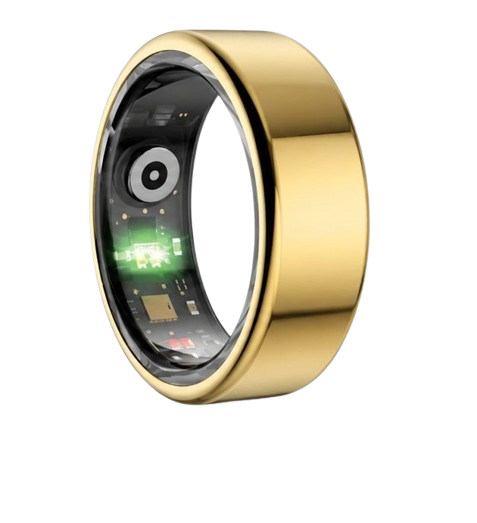
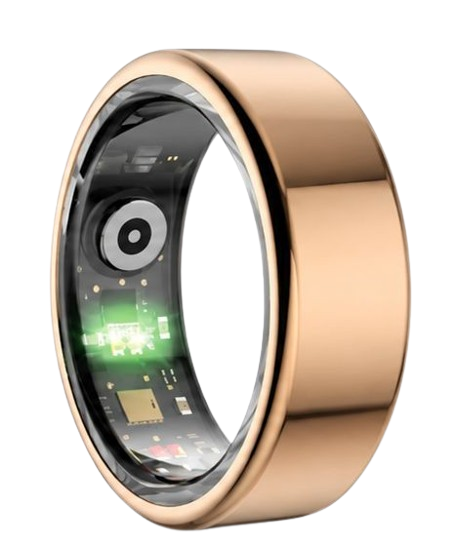
The premium Herz P1 Smart Ring is the perfect companion for anyone adopting the soldier sleeping position.
By monitoring your blood oxygen saturation (SpO2) and heart rate variability (HRV) every five minutes, it detects if this back-sleeping posture is causing silent respiratory events.
You can analyze these precise trends in our free mobile app without worrying about monthly subscription fees.
Discover how your sleep posture impacts your recovery by visiting our checkout page today at Herz P1 Smart Ring.
90-Day 100% Money-Back Guarantee
“The Herz Smart Ring helps me manage stress easily. It’s accurate, stylish, and lightweight—perfect for my busy life!”
— Jennifer P. | ✔ Verified Customer
- ✓ 6-Day Battery Life
- ✓ Detailed Sleep Analysis
- ✓ Fast 1-Hour Charging
- ✓ iOS & Android Ready
Questions? Call: 1-866-479-1629
The Physiology of Back Sleeping: Pros, Cons, and Airway Dynamics

The soldier sleeping position is celebrated by orthopedists for its structural benefits.
Lying flat on your back allows the mattress to support your entire skeletal framework evenly.
This posture minimizes physical pressure on your neck, shoulders, hips, and knees.
Dermatologists also favor the soldier sleeping posture because it keeps your face away from the pillow.
This lack of contact prevents friction, skin irritation, and the development of premature facial wrinkles.
However, the soldier position has a major physiological drawback related to respiration.
When you sleep flat on your back, gravity naturally pulls your tongue and soft palate toward the back of your throat.
For many individuals, this movement narrows the upper airway and leads to loud snoring.
In more severe cases, it can trigger obstructive sleep apnea, causing your breathing to stop temporarily.
These respiratory interruptions cause your blood oxygen saturation to drop rapidly.
The National Sleep Foundation warns that frequent oxygen desaturation puts immense stress on your cardiovascular system.
Your heart has to work harder to pump oxygenated blood, which lowers your heart rate variability (HRV) and raises blood pressure.
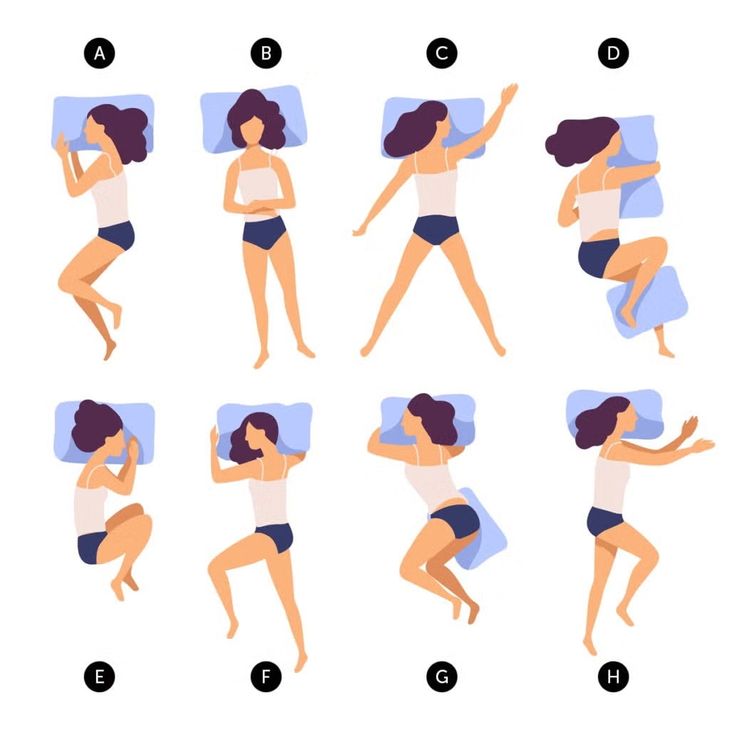
If you experience frequent nighttime waking, you might want to compare the soldier posture to other popular setups.
Explore our comprehensive analysis of the names of sleeping positions to see how they affect your breathing.
Understanding the deeper physiological consequences can help you make an informed decision.
Our team recommends reading our guide on sleeping positions meaning to decode what your preferred posture says about your health.
By tracking your physiological responses, you can easily determine if the sleeping soldier position is safe for your respiratory system.
Adjusting your posture based on actual biometric data is a highly effective way to protect your long-term cardiovascular health.
Check the overall trends using a comfortable wearable to ensure you remain in safe zones all night long.
Understanding these dynamics is crucial for anyone trying to optimize their sleep architecture.
Understanding Pillow Loft and Best Piles for the Soldier Position
Finding the right pillows and piles is critical for maintaining spinal health in the sleep soldier position.
Historically, orthopedic experts used the term “piles” to describe supportive cushion arrangements placed under different body parts.
To prevent back strain, you must use a dual-pillow strategy to support your natural spinal curves.
The primary pillow under your head must be firm enough to prevent sinkage but soft enough to cradle your neck.
A contour memory foam pillow with a hollow center is highly recommended for back sleepers.
This design keeps your head stable and prevents it from rolling to the side.
The secondary pillow under your knees is equally important for relieving pressure on your lower back.
Without this knee support, your hip flexors will pull on your pelvis and cause your lumbar spine to arch.
This arching compresses the lower vertebrae and leads to chronic morning back pain.
If you transition from a fetal position sleep, you may find the flatness of the soldier posture difficult at first.
Side sleeping positions naturally allow the spine to curve slightly forward, which feels comforting to many.
However, the soldier posture offers much better weight distribution if you set up your piles correctly.
You can also look into the starfish position, which is another back-sleeping variation where your arms are raised.
While the starfish posture is comfortable for some, it can cause shoulder strain over long periods.
If you prefer keeping your arms down, the soldier posture remains the superior back-sleeping choice.
Those who suffer from acid reflux should also consider elevating the head of their bed by a few inches.
Elevating your torso utilizes gravity to keep stomach acid from traveling up into your esophagus.
This simple adjustment can dramatically improve your comfort and sleep quality.
To compare all options, read our guide on popular sleeping positions for more expert layout tips.
How to Track Your Sleep Architecture and Recovery on the Herz P1 App
Once you arrange your pillows, you need a reliable way to measure your actual sleep quality.
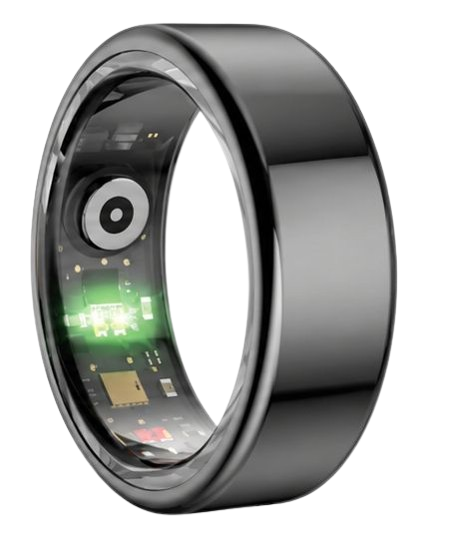
The Herz P1 Smart Ring tracks your entire sleep cycle with clinical-grade accuracy.
Our advanced optical sensors monitor your heart rate, HRV, and SpO2 every five minutes while you sleep.
When you wake up, open the Herz P1 companion app to view your daily Sleep Score.
The app breaks down your sleep stages into Light, Deep, and REM sleep phases.
Deep sleep is essential for physical recovery, tissue repair, and muscle growth.
REM sleep is crucial for cognitive function, memory consolidation, and emotional processing.
If your soldier posture causes mild airway obstruction, you will notice frequent brief awakenings in your sleep chart.
These awakenings can severely fragment your sleep architecture and reduce your total deep sleep time.
The app also displays your overnight SpO2 trends to help you identify potential breathing issues.
If your oxygen levels regularly drop below 95%, you may need to adjust your pillow setup or try a different posture.
For instance, you might want to read about the yearner sleeping position to see if side sleeping improves your breathing.
Alternatively, some back sleepers find relief by switching to the stomach-sleeping freefall sleeping position.
However, stomach sleeping can strain your neck and lower back over time.
By using the Herz P1 App, you can experiment with different setups and see exactly how they affect your body.
Our lightweight ring weighs only 3.5 grams, making it incredibly comfortable to wear all night long.
Unlike bulky smartwatches, you will barely notice it on your finger while you rest.
This comfort ensures you get highly accurate, uninterrupted biometric data every single night.
Continuous tracking is the best way to make informed adjustments to your sleep hygiene.
Common Pitfalls of Tracking Sleep Quality and How to Avoid Them
One of the most common mistakes is wearing a heavy, bulky smartwatch to bed.
Large watches can press into your wrist and cause micro-awakenings that ruin your sleep quality.
Additionally, many smartwatches require daily charging, meaning they are often sitting on your nightstand when they should be tracking your sleep.
Another frustrating issue in the wearable market is the hidden cost of monthly app subscriptions.
Some brands lock your detailed biometric data behind expensive paywalls after you buy their hardware.
We believe you should never have to pay a subscription fee to access your own health data.
The Herz P1 App is completely free for life, giving you full access to all your advanced sleep metrics.
Another common pitfall is wearing a sleep tracker that is either too loose or too tight.
If your smart ring is too loose, the optical sensors will lose contact with your skin and produce inaccurate readings.
If it is too tight, it can restrict blood flow and cause discomfort during the night.
To avoid this, use our complimentary sizing kit to find your perfect fit before finalizing your order.
The ring should fit snugly on your index or middle finger without causing any pinching.
Ensure you clean the sensor window occasionally to keep dust from blocking the optical signals.
By avoiding these simple mistakes, you can unlock highly reliable, long-term health insights.
Frequently Asked Questions About Sleep Positions and Tracking
Embrace Better Sleep Today
The way you position your body overnight has a profound impact on your daily energy, focus, and long-term health.
By mastering the soldier position and aligning your spine correctly, you can alleviate joint pressure and wake up feeling fully refreshed.
Ready to monitor your health every day? Explore the Herz P1 Smart Ring and see if it fits your lifestyle. Call: 1-866-479-1629 — our team can help you advise on the correct ring size and set personalized health goals.
Note: Individual results may vary depending on individual health conditions, age, and lifestyle habits. This article is intended for general health reference purposes only.
