

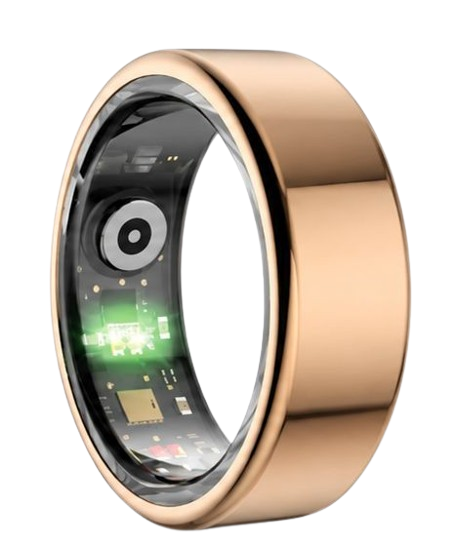
Your nocturnal posture plays a vital role in morning vitality, and mastering the art of sleeping one side can systematically unlock dramatic improvements in your digestion, respiration, and spinal alignment. If you frequently wake up with stiff shoulders, lower back soreness, or unexplained brain fog, optimizing your lateral alignment is your next essential wellness move. The premium, subscription-free Herz P1 smart ring monitors your overnight body recovery and biometrics to ensure your posture delivers maximum restorative benefits.
Built to Last. Save Up to 69% Today.
The Herz P1 Smart Ring tracks HRV, Sleep, Heart Rate & SpO2 around the clock. No subscriptions. No renewals. Ever.
In This Article
- How to align your body perfectly for lateral sleep.
- The neurological and cardiovascular benefits of sleeping on one side.
- How biometric metrics like HRV and SpO2 change when you shift positions.
- Practical lifestyle tips to track and optimize your sleep quality with the Herz P1.
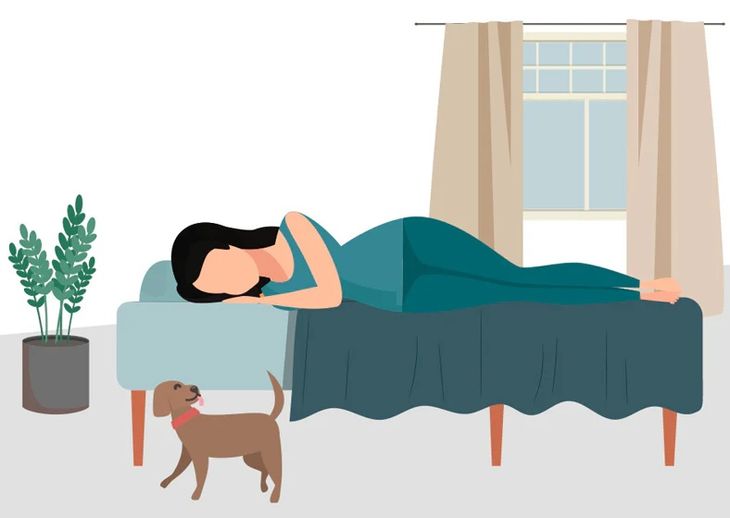
How to Align Your Body Perfectly for Side Sleeping: A Practical Blueprint
Prerequisites and Bedding Needs
Before you begin restructuring your nighttime sleep habits, you must choose supportive sleep accessories.
You will need a medium-firm mattress that cradles your hips and shoulders without sagging.
You must acquire a contouring head pillow that matches the height of your shoulder contour.
Finally, you should find a supportive, firm knee pillow to prevent spinal rotation during the night.
Step-by-Step Instructions
-
Step 1: Select Your Core Lateral Side
You must first decide which side of your body fits your immediate wellness goals.
Your left side is highly recommended if you struggle with frequent acid reflux or slow digestion.
The right side is ideal if you want to minimize structural pressure on your cardiovascular system.
Select your lateral orientation before adjusting your pillows.
Lie down slowly onto your mattress without twisting your lower back.
-
Step 2: Align Your Cervical Spine
Place your contouring head pillow flat against your mattress.
Your head should rest in a completely neutral position parallel to the bed surface.
Do not use pillows that are too high because they force your neck to bend upward.
Avoid thin, flat pillows that allow your head to droop toward the bed.
Proper neck support maintains clear airways and prevents morning tension headaches.
-
Step 3: Insert the Knee Spacer
Bend your knees gently at a comfortable ninety-degree angle.
Place your dedicated knee pillow directly between your knees and upper calves.
This spacer keeps your upper leg from sliding forward over your lower leg.
It prevents your pelvic bones from twisting out of their natural alignment.
This setup relieves pressure on your lower lumbar spine.
-
Step 4: Position Your Arms Comfortably
Avoid tucking your lower arm directly underneath your head pillow.
Extend your lower arm gently forward onto the mattress surface.
You can hug a medium-sized body pillow to support your upper arm.
This placement prevents your top shoulder from collapsing forward.
It keeps your chest expanded for natural breathing throughout the night.
-
Step 5: Verify Your Pelvic Angle
Ensure your hips are stacked directly on top of each other.
Do not allow your upper hip to tilt forward or backward.
Keep your core abdominal muscles slightly engaged as you settle into place.
This stacked position protects your sacroiliac joints from shearing forces.
It maintains a straight line from your ears down to your tailbone.
Postural Post-Assessment with Herz P1
Our team at Team Herz P1 designed our smart ring to monitor the physical outcomes of these structural changes.
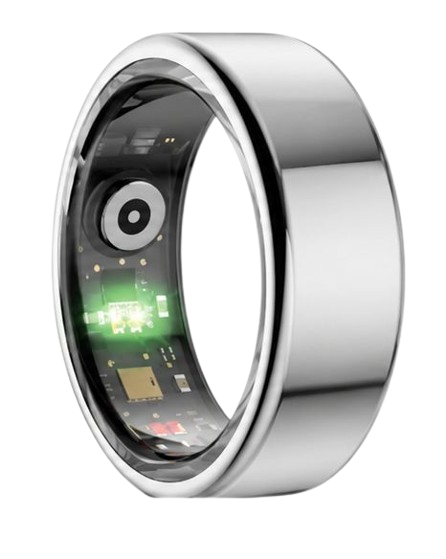
By wearing the Herz P1 smart ring overnight, you receive a detailed, subscription-free breakdown of your sleep stages.
This personal biometric data shows you exactly how well your body recovers when utilizing these step-by-step alignment techniques.
90-Day 100% Money-Back Guarantee
“The Herz Smart Ring helps me manage stress easily. It’s accurate, stylish, and lightweight—perfect for my busy life!”
— Jennifer P. | ✔ Verified Customer
- ✓ 6-Day Battery Life
- ✓ Detailed Sleep Analysis
- ✓ Fast 1-Hour Charging
- ✓ iOS & Android Ready
Questions? Call: 1-866-479-1629
The Physiological Mechanisms of Sleeping on One Side: Left vs. Right Positions

Cardiac Hemodynamics and Gravity
Your body’s internal anatomy is naturally asymmetric.
Sleeping on your left side allows gravity to assist cardiovascular blood flow.
The aorta arches directly to the left as it exits the heart chambers.
This lateral posture makes it easier for the heart to pump blood throughout the body.
Conversely, sleeping on your right side can compress the inferior vena cava.
The inferior vena cava is the large vein that returns deoxygenated blood to your heart.
Compression of this vessel slightly reduces venous return to the heart.
This minor reduction forces your heart to beat slightly faster to maintain stable blood pressure.
The American Heart Association notes that proper sleep posture supports long-term resting cardiac efficiency.
Our team at Team Herz P1 consistently observes lower resting heart rates in users who sleep on their left side.
These users also demonstrate higher heart rate variability (HRV) during deep sleep stages.
This suggests a healthy shift toward parasympathetic nervous system dominance.
Monitoring these subtle cardiac shifts is simple with a high-fidelity biometric ring.
Glymphatic System Clearance and Digestion
Your brain has a unique waste clearance mechanism called the glymphatic system.
This system clears harmful metabolic waste products from your neural tissues during rest.
Research shows that glymphatic clearance is highly active during deep sleep.
Interestingly, lateral sleep postures facilitate more efficient glymphatic waste removal than back sleeping.
Understanding these side sleeper health benefits can help you make informed decisions about your nightly rest.
Left-side sleeping also provides significant physical benefits for your digestive tract.
The stomach sits naturally on the left side of the human abdomen.
Gravity keeps gastric juices pooled below the esophageal sphincter when you lie on your left.
This positioning prevents acid reflux and heartburn from waking you up during the night.
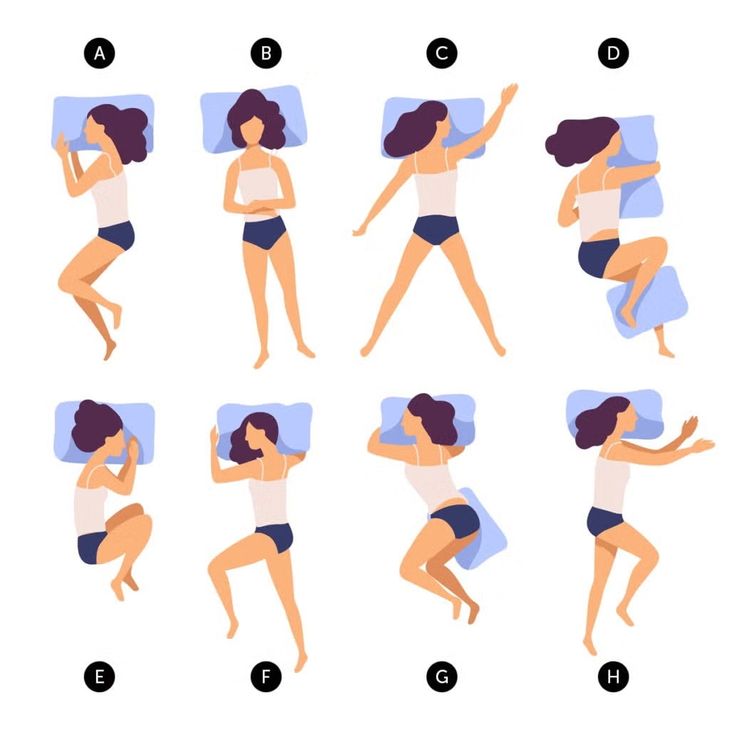
Many individuals who prefer a fetal position sleep style report better digestion.
This curled-up shape can offer comfort, provided your joints are not overly compressed.
Tracking your overnight sleep cycles helps you understand how these digestive improvements impact your deep sleep.
Anatomical Alignment, Sleep Stages, and Airway Patency
Preventing Skeletal Distortion and Joint Shearing
Sleep posture directly influences physical comfort and joint longevity.
Sleeping on your side can sometimes lead to hip or shoulder pain if alignment is neglected.
Many people enjoy sleeping curled up in their beds.
However, an extreme curl can compress the chest and restrict lung capacity.
It is beneficial to make a gradual transition from fetal sleep to a more elongated posture.
An elongated side posture keeps your spine in a natural neutral alignment.
This prevents the muscles in your lower back from stretching unevenly.
It also minimizes rotational stress on your pelvic joints.
Choosing among the most popular sleeping positions requires attention to individual joint health.
A biometric tracker like the Herz P1 tracks how frequently you toss and turn.
High movement counts often signal physical discomfort caused by poor alignment.
Correcting your alignment reduces movement and extends your restorative sleep phases.
Airway Patency, Sleep Apnea, and Blood Oxygen Trends
Sleeping on your back often causes the tongue to collapse backward into the throat.
This airway obstruction leads to loud snoring and sleep apnea.
Sleeping on one side naturally keeps your airway open and unobstructed.
This open position reduces airway resistance and supports stable breathing.
The yearner sleeping position is characterized by arms reaching straight forward.
This specific shape helps open up the chest cavity for deeper diaphragmatic breathing.
Analyzing your unique sleep position meaning goes beyond simple psychological interpretation.
It reveals critical physiological truths about how your body breathes and recovers.
The National Sleep Foundation highlights lateral sleep as a primary non-medical option to reduce snoring.
The Herz P1 smart ring features a high-precision multi-wavelength PPG sensor array.
It measures your blood oxygen saturation (SpO2) every few minutes.
Stable SpO2 levels confirm that your lateral sleep posture is successfully maintaining a clear airway.
How to Use Your Herz P1 Smart Ring to Track and Optimize Side Sleeping Alignment
Navigating the Metrics Dashboard
Improving your sleep posture is a continuous, data-driven process.
The Herz P1 companion app provides all the metrics you need to evaluate your progress.
Wear the ring on your index finger for the most accurate biometric readings.
Check your overnight Sleep Score as soon as you wake up.
Look specifically at your Deep Sleep and REM sleep ratios.
If your deep sleep duration is below fifteen percent, your posture may be causing micro-arousals.
Micro-arousals are brief awakenings that you do not consciously remember.
They occur when physical pain or airway restriction forces you out of deep sleep.
Try adjusting the thickness of your knee pillow for three consecutive nights.
Observe whether your deep sleep duration increases on the app dashboard.
The lightweight military-grade steel ring is designed for absolute comfort during 24/7 wear.
You can track your metrics continuously without any uncomfortable bulk on your wrist.
Why Modern Sleep Enthusiasts Choose Smart Rings Over Watches
Comparing Comfort, Accuracy, and Lifetime Cost
Many people make the mistake of wearing heavy smartwatches to bed.
These bulky devices shift during the night and disturb your natural sleep cycles.
They can also cause painful skin irritation and sensor misalignment.
The Herz P1 is crafted from military-grade steel for maximum comfort and durability.
It is so lightweight that you will completely forget you are wearing it.
Another major mistake is paying expensive monthly subscription fees for health data.
Many popular smart rings hide your personal metrics behind paywalls.
We believe that accessing your own health data should be completely free.
The Herz P1 companion app is completely free for life.
You get full access to advanced sleep staging, HRV trends, and SpO2 tracking without hidden fees.
Our ring features an IP68 waterproof rating and a long-lasting six-day battery.
Frequently Asked Questions About Sleeping Positions and Smart Ring Tracking
Yes, the Herz P1 is rated IP68 waterproof.
It can be submerged up to 164 feet in water.
This makes it completely safe for swimming, showering, and daily hand washing.
The battery lasts up to six days on a single charge.
This long battery life is ideal for continuous sleep tracking.
The ring fully recharges in under one hour using the magnetic cradle.
We recommend wearing the Herz P1 on your index, middle, or ring finger.
These fingers have rich blood flow near the skin surface.
This helps the optical sensors capture highly accurate biometric data.
Yes, the ring has built-in memory.
It can store up to seven days of biometric data offline.
The stored data syncs automatically when you connect to the app.

Conclusion: Your Subscription-Free Wellness Journey Starts Here
Optimizing your sleep alignment on one side is a simple yet powerful strategy to enhance overnight recovery.
Ready to monitor your health every day? Explore the Herz P1 Smart Ring and see if it fits your lifestyle. Call: 1-866-479-1629 — our team can help you advise on the correct ring size and set personalized health goals.
