

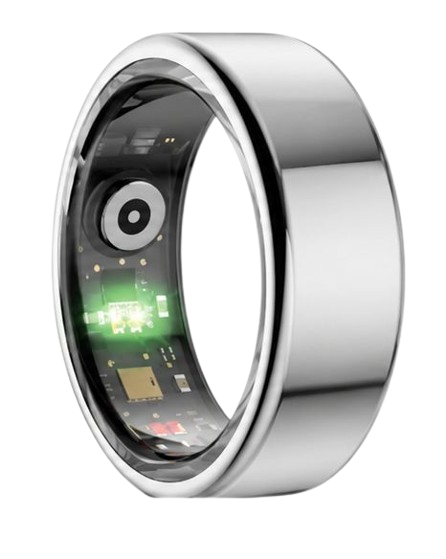
Monitoring your body’s subtle physiological signals during rest can reveal deep insights about your cardiovascular health and overall nightly recovery. If you have ever wondered about your normal sleeping breath rate, you are not alone in wanting to demystify this critical health metric. Many individuals worry about overnight oxygen fluctuations or warning signs of fatigue. The military-grade Herz P1 Smart Ring continuously decodes these crucial pulmonary trends directly from your finger, giving you peace of mind with no monthly subscription fees.
Built to Last. Save Up to 69% Today.
The Herz P1 Smart Ring tracks HRV, Sleep, Heart Rate & SpO2 around the clock. No subscriptions. No renewals. Ever.
In This Article
- Understanding Sleeping Breath Rates: Learn what biological factors determine your nightly respiration baseline.
- The Sleep Stage Connection: Discover how REM and Deep Sleep alter your pulmonary rhythms.
- Clinical Measurement Tools: Compare smart rings against traditional medical-grade tracking methods.
- Optimizing Daily Health: Step-by-step guidance on adjusting your lifestyle based on biometric trends.
What Is a Normal Sleeping Breath Rate for Adults?

To understand your pulmonary health, we must first define exactly what a normal sleeping breath rate represents.
This medical metric, also known as the sleeping respiratory rate, measures the number of breaths you take within a span of sixty seconds during rest.
For the average healthy adult, a normal sleeping respiratory rate falls consistently between 12 and 20 breaths per minute.
During the day, physical activity and emotional stress can cause your breathing to accelerate or become shallow.
However, when you transition into sleep, your autonomic nervous system shifts control to the parasympathetic branch.
This biological shift naturally reduces your overall metabolic demand, allowing your cardiovascular and respiratory systems to operate at a highly relaxed, efficient baseline.
Clinical data from the National Sleep Foundation suggests that your lowest respiratory values occur during deep, slow-wave sleep stages.
A lower, stable average breaths per minute while sleeping indicates excellent cardiorespiratory efficiency and deep physiological recovery.
If your body requires more effort to oxygenate tissues due to a stuffy nose or physical fatigue, this resting rate will slowly rise.
Conversely, elite endurance athletes often exhibit a highly efficient cardiovascular system, resulting in a lower resting sleep breath rate that may occasionally dip below 12 breaths per minute.
Understanding these quantitative limits helps you identify subtle, health-related anomalies before they manifest as chronic daytime fatigue.
This monitoring process traditionally required bulky medical equipment or overnight sleep clinic studies.
Fortunately, modern optical sensor technology allows you to track these intricate metrics seamlessly from the comfort of your home.
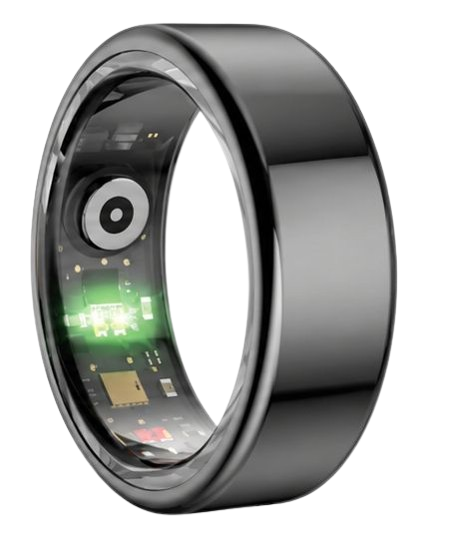
If you want to track this in real-time, the Herz P1 Smart Ring monitors your cardiopulmonary signals 24/7 — explore it here.
90-Day 100% Money-Back Guarantee
“The Herz Smart Ring helps me manage stress easily. It’s accurate, stylish, and lightweight—perfect for my busy life!”
— Jennifer P. | ✔ Verified Customer
- ✓ 6-Day Battery Life
- ✓ Detailed Sleep Analysis
- ✓ Fast 1-Hour Charging
- ✓ iOS & Android Ready
Questions? Call: 1-866-479-1629
How Sleep Stages Dynamically Shift Your Respiration Patterns

Your respiratory system does not operate on a rigid, unchanging loop throughout the night.
Instead, your normal respiration rate while sleeping adapts beautifully to your shifting brainwave activity.
During light sleep, your breathing gradually transitions from erratic waking rhythms into a steady, predictable pace.
As you descend into deep sleep, also known as slow-wave sleep, your respiration reaches its most structured, rhythmic state.
Your skeletal muscles relax completely, and your carbon dioxide sensitivity decreases, allowing for deeper and slower lung expansion.
This deeply quiet state allows your cardiovascular tissues to recover from daytime stressors.
However, when you enter the rapid eye movement (REM) phase, this stability changes dramatically.
During REM sleep, your brain is highly active, processing memories and generating vivid, immersive dreams.
This intense mental stimulation causes your heart rate and your average respiration rate while sleeping to fluctuate rapidly.
You may experience brief moments of rapid, shallow breathing followed by short, natural pauses.
Clinical trials tracked by the American Heart Association demonstrate that high autonomic arousal during REM can mimic mild waking stress.
This variation is a sign of a healthy, neurologically active brain rather than a pulmonary issue.
By measuring these shifts, the Herz P1 Smart Ring’s multispectral PPG sensor can accurately differentiate between REM, deep, and light sleep phases.
This continuous diagnostic insight helps you understand your body’s restorative capacity without wearing a tight, uncomfortable chest strap to bed.
Evaluating the Underlying Causes of Elevated Respiration
A persistent rise in your nightly respiratory rate is a valuable biological signal that deserves your attention.
When your average breaths per minute sleep increases, it often indicates your body is working harder to maintain homeostatic balance.
Acute illnesses, such as a brewing viral infection or seasonal allergies, are the most common causes of respiratory spikes.
Your immune response naturally elevates your core body temperature, which directly triggers a faster breathing rate to expel excess heat.
Consumption of alcohol or heavy meals close to bedtime also alters your normal respiration rate for adults sleeping.
Alcohol relaxes the muscles in your upper airway, causing mild obstructions that force your lungs to compensate by working harder.
Similarly, high psychological stress levels keep your sympathetic nervous system active, preventing your breathing from settling into a relaxed rhythm.
Chronic conditions like obstructive sleep apnea can cause severe spikes followed by dangerous drops in oxygen levels.
If you observe a consistent upward trend in your respiratory metrics, it may be time to reassess your sleep hygiene or consult a healthcare provider.
Tracking these values continuously with a dedicated sensor allows you to connect daytime habits with your physical recovery.
How to Read and Apply Pulmonary Data in Your Daily Life
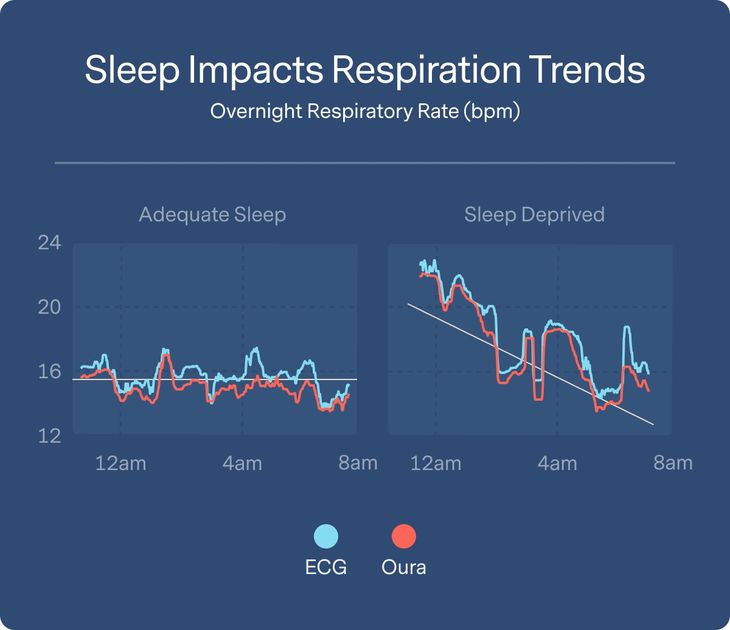
Gathering data is only the first step; the real power lies in translating those numbers into actionable lifestyle improvements.
When you open your Herz P1 App, you are presented with a detailed overview of your nightly cardiopulmonary metrics.
A key indicator to review first is your average brpm while sleeping, which serves as your respiratory baseline.
If your baseline stays consistent over a seven-day period, your body is managing its physical recovery load effectively.
If you see a sudden rise after a challenging workout, this indicates your muscles are demanding extra oxygen to rebuild.
You can use this data to modify your training schedule, perhaps choosing a active recovery walk instead of a strenuous run.
You can also track how lifestyle changes, like limiting evening screen time or keeping your bedroom cooler, lower your respiratory rate.
By using a highly accurate sleeping breath rate tracker, you remove the guesswork from your wellness routine.
The Herz P1 Smart Ring fits comfortably at the base of your finger, collecting uninterrupted biometric data throughout the night.
This continuous tracking helps you build a solid baseline of your health, allowing you to wake up feeling informed, empowered, and ready to tackle the day.
Overcoming the Common Pitfalls of Sleep Trackers
Many health-conscious individuals struggle to gather consistent nightly data due to poorly designed wearable devices.
Bulky smartwatches often shift on your wrist during sleep, causing optical sensors to lose contact with your skin.
This movement creates gaps in your metrics and leads to inaccurate respiratory and sleep stage readings.
Additionally, wearing a large, heavy watch to bed can disrupt your sleep and cause skin irritation.
Another common frustration is the hidden cost of ongoing app subscriptions to access your own biometric history.
The Herz P1 Smart Ring addresses these issues with its lightweight, military-grade steel design.
The ring’s inner sensors sit securely against your finger, ensuring continuous contact and highly accurate readings.
Best of all, the Herz P1 companion app is completely free for lifetime use, with no paywalls or monthly subscriptions.
This straightforward approach allows you to focus on your recovery journey without any unnecessary, recurring expenses.
Comprehensive Feature Comparison: Herz P1 vs. Competitors
Choosing the right wearable requires a clear, factual comparison of features and long-term costs.
| Key Metrics & Details | Herz P1 Smart Ring | Typical Smartwatches | Other Subscription Rings |
|---|---|---|---|
| Monthly Fees | $0 (Free App Forever) | Varies by brand | $5.99 to $9.99/month |
| Respiration Accuracy | Within 2% of clinical pulse oximeters | Frequent data gaps due to wrist movement | Comparable but requires subscription |
| Material & Build | Military-Grade Steel (IP68 Waterproof) | Fragile glass screens, bulky plastic | Thin titanium, scratch-prone |
| Battery Life | 6 Days of Continuous Tracking | 1 to 2 Days (Requires daily charging) | 4 to 5 Days |
Frequently Asked Questions
Is the Herz P1 waterproof enough for daily swimming?
Yes, the Herz P1 features a robust IP68 waterproof rating, allowing it to withstand continuous water exposure down to 164 feet.
You can confidently wear it while swimming laps, taking a shower, or relaxing in a hot tub without worrying about water damage.
How long does the battery last on a single charge?
The Herz P1 delivers up to 6 days of continuous biometric monitoring on a single charge.
When the battery runs low, the included magnetic charging dock fully powers the ring in under an hour.
Which finger is best to wear the smart ring on?
We recommend wearing the ring on your index, middle, or ring finger for the most accurate biometric readings.
The finger should feel snug but comfortable, allowing the internal optical sensors to maintain continuous contact with your skin.
Does the ring store my biometric data offline?
Yes, the Herz P1 features built-in storage that safely holds up to 7 days of raw physiological data offline.
Your stored metrics will sync automatically to your smartphone as soon as your Bluetooth connection is restored.
Conclusion
Tracking your sleeping respiratory metrics offers an invaluable window into your cardiorespiratory recovery and autonomic balance.
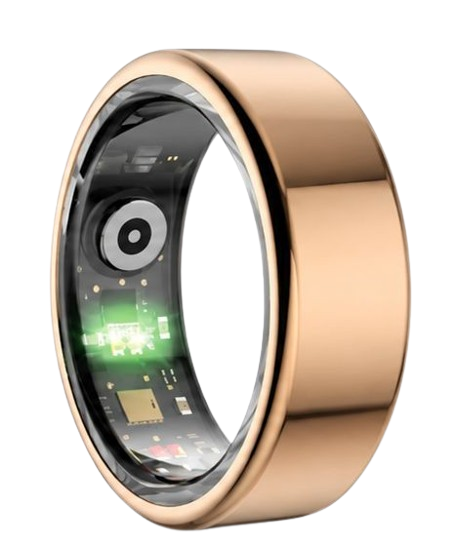
Ready to monitor your health every day? Explore the Herz P1 Smart Ring and see if it fits your lifestyle. Call: 1-866-479-1629 — our team can help you advise on the correct ring size and set personalized health goals.
