

Understanding the deep physiological connection behind your resting heart rate vo2 max correlation is the ultimate step toward unlocking your true cardiovascular potential. With the sleek, military-grade Herz P1 smart ring tracking your heart rate around the clock, you can easily gather highly accurate baseline biometrics without wearing bulky straps or heavy screens. Many active individuals feel consistently exhausted simply because they lack clear, actionable data regarding their daily cardiorespiratory capacity. This comprehensive guide will decode these vital bodily signals to help you optimize your recovery, elevate your daily energy levels, and safely improve your overall cardiorespiratory fitness.
Built to Last. Save Up to 69% Today.
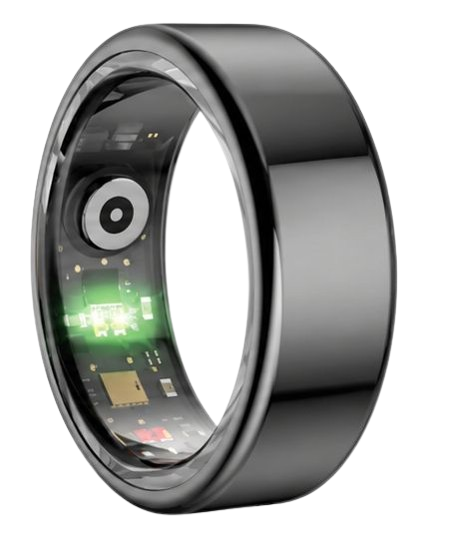
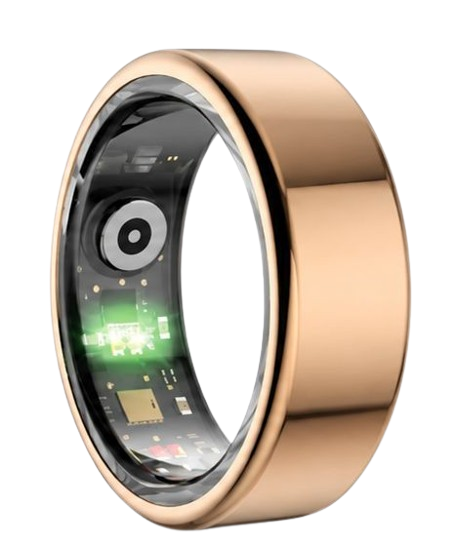
The Herz P1 Smart Ring tracks HRV, Sleep, Heart Rate & SpO2 around the clock. No subscriptions. No renewals. Ever.
In This Guide
- The How-To Protocol: Learn the exact steps to assess, track, and systematically improve your VO2 max and resting pulse.
- Physiological Deep-Dive: Discover how stroke volume and autonomic regulation dictate your cardiovascular capacity.
- PPG Technology Demystified: See how multi-spectral optical sensors read arterial blood flow directly from your finger.
- Lifestyle and Safety Integration: Learn to balance training intensity with deep sleep and recovery to avoid overtraining.
How to Optimize Your Aerobic Fitness: A Step-by-Step Biometric Guide

Prerequisites & Baseline Requirements
To begin optimizing your cardiorespiratory health, you must gather reliable tools and meet specific environmental conditions.
First, you will need a highly accurate biometric tracking device, such as a multi-spectral optical smart ring, to log your resting pulse automatically.
Second, ensure you have access to a measured flat path, a standard treadmill, or a stationary bicycle to execute consistent physical assessments.
Third, establish a baseline of normal hydration and ensure you are completely free from acute physical illness or excessive muscular fatigue before testing.
-
Step 1: Establish Your True Baseline Resting Heart Rate
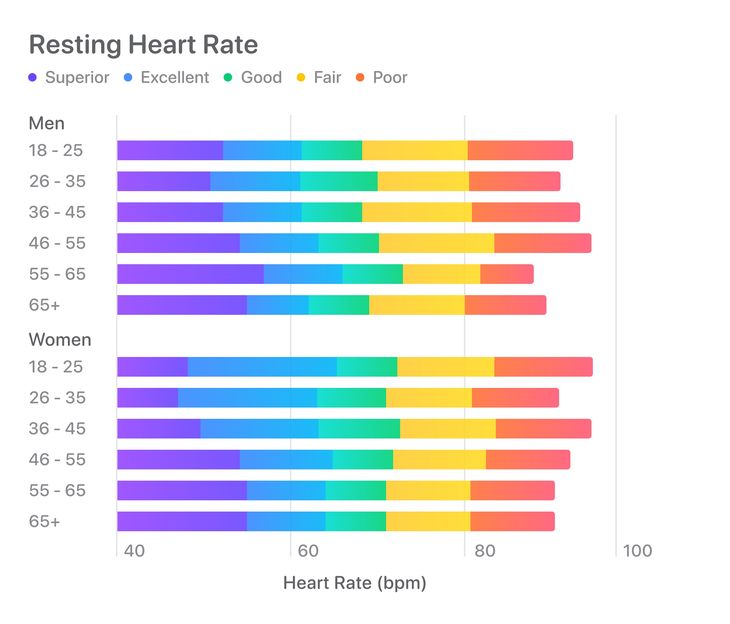
Measure your pulse immediately upon waking up in the morning before stepping out of bed or consuming any liquids.
Avoid checking your smartphone notifications or engaging in stressful thoughts prior to taking your baseline measurement.
Record this morning pulse value for seven consecutive days to calculate a highly reliable weekly baseline average.
This average serves as your control metric, showing how hard your heart must pump to sustain basic life functions at rest.
-
Step 2: Estimate Your Starting VO2 Max Capacity
Execute a standardized submaximal fitness assessment, such as the Cooper twelve-minute run or the Rockport one-mile walk test.
Use a stopwatch to log your exact completion time while monitoring your pulse continuously during the physical effort.
Input your finishing heart rate, completion time, and body weight into a validated cardiorespiratory fitness calculator.
This calculated value represents your body’s current maximal capacity to transport and utilize oxygen during heavy physical exertion.
You can read our highly detailed resource on how to increase vo2 max to understand the best training protocols for your baseline fitness level.
-
Step 3: Define Your Personalized Target Heart Rate Zones
Subtract your current age from the number two hundred and twenty to calculate your estimated maximum heart rate.
Apply the Karvonen formula to integrate your specific resting pulse and establish precise training intensities.
Divide your physical efforts into distinct brackets ranging from light active recovery to maximum anaerobic intervals.
Structuring your workouts within validated heart rate zones prevents unnecessary cardiovascular overexertion while maximizing your metabolic adaptations.
-
Step 4: Perform Structured Zone 2 Aerobic Conditioning
Engage in steady-state cardiovascular training, such as brisk walking, rowing, or light cycling, for forty to sixty minutes per session.
Maintain an intensity where you can easily carry on a full conversation without gasping for breath.
This specific level of exertion stimulates mitochondrial density and capillary growth in your slow-twitch muscle fibers.
Learning how to figure out zone 2 heart rate ensures you stay in the optimal aerobic window for maximum fat oxidation and stroke volume growth.
-
Step 5: Monitor Your Cardio Recovery Rate Trends
Stop your physical training session abruptly and sit down in a comfortable position for exactly two minutes.
Log the physical drop in your pulse during the first and second minutes of this quiet rest period.
A rapid decline of over twelve beats in the first sixty seconds indicates highly responsive parasympathetic nervous system activity.
Regularly reviewing your cardio recovery rate helps you determine whether your body has successfully adapted to your current physical training volume.
Leveraging the Herz P1 Smart Ring to Automate Your Aerobic Progress
The Herz P1 Smart Ring makes tracking this complex cardiovascular relationship entirely effortless by capturing your biological trends around the clock.
Our advanced sensor system continuously monitors your pulse while you sleep, ensuring you get an authentic, undisturbed resting heart rate reading every morning.
Additionally, the subscription-free mobile app automatically processes your physical activity patterns to provide deep insights into your overall cardio capacity.
By wearing this lightweight ring, you eliminate the need to manually log your baseline metrics or wear tight, uncomfortable chest straps during your recovery sleep.
90-Day 100% Money-Back Guarantee
“The Herz Smart Ring helps me manage stress easily. It’s accurate, stylish, and lightweight—perfect for my busy life!”
— Jennifer P. | ✔ Verified Customer
- ✓ 6-Day Battery Life
- ✓ Detailed Sleep Analysis
- ✓ Fast 1-Hour Charging
- ✓ iOS & Android Ready
Questions? Call: 1-866-479-1629
Understanding the Physiological Link: Resting Heart Rate and VO2 Max Correlation
The Stroke Volume Equation
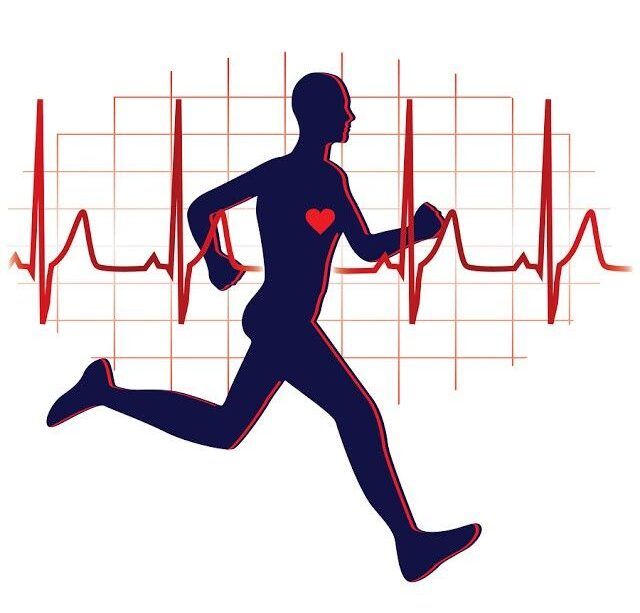
Your heart is a highly adaptable muscular pump designed to meet the oxygen demands of your entire physical body.
As you consistently engage in structured aerobic exercise, the left ventricle of your heart physically expands and grows stronger.
This physiological remodeling allows the cardiac muscle to pump a significantly greater volume of blood with every single contraction.
A higher stroke volume means your heart does not have to beat as frequently to sustain your baseline cellular oxygen levels.
Consequently, your resting heart rate naturally declines as your overall heart efficiency improves over months of regular training.
Simultaneously, this structural improvement allows your system to deliver massive amounts of oxygenated blood during heavy exertion.
This direct correlation explains why individuals with high max vo2 levels almost always exhibit a remarkably low resting heart rate.
By measuring this relationship, you are looking directly at the structural health and pump efficiency of your cardiovascular muscle.
Cardiac Autonomic Regulation and Vagal Tone
Your autonomic nervous system exerts constant, invisible control over your daily resting pulse and cardiovascular response.
The parasympathetic branch of this system acts as a natural brake to slow down your heart rhythm during periods of peace.
This calming inhibitory signal travels to the cardiac muscle primarily through the pathways of the vagus nerve.
A strong vagal tone is highly desirable, as it keeps your baseline heart rate low and supports nervous system resilience.
Conversely, persistent work stress and poor sleep sleep-deprive your body, suppressing this crucial parasympathetic brake.
When this braking system is chronically weak, your resting pulse remains elevated and your cardiovascular capacity drops.
By prioritizing consistent aerobic training, you systematically strengthen your vagal pathways and balance your autonomic response.
This autonomic balance is critical for protecting your heart from daily strain while maximizing your natural recovery potential.
How Optical Wearables Decode Your Cardio Capacity and Pulse Trends
Multi-Spectral Photoplethysmography (PPG) Technology
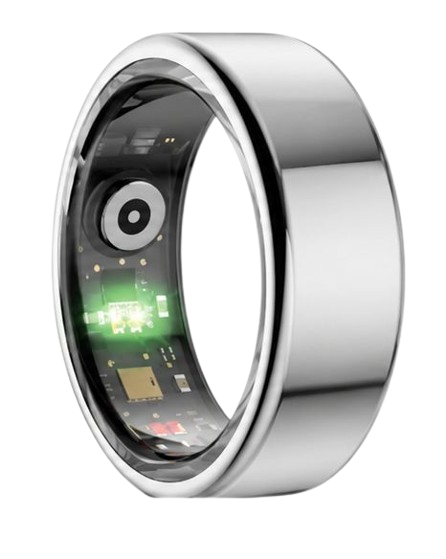
Modern biometric smart rings utilize miniature optical sensors to gather accurate circulatory insights right from your finger.
These advanced sensors emit specific wavelengths of light down through the skin and into your dense capillary beds.
Your blood vessels expand and contract with each pulse wave, changing the amount of light that is absorbed by your tissue.
A highly sensitive photodiode receiver captures the reflected light to generate a detailed volumetric diagram of your pulse.
By utilizing green, red, and infrared wavelengths, smart rings can filter out movement artifacts and physical noise.
Green light is exceptionally effective for tracking your pulse during active daytime movement and daily household chores.
Infrared light penetrates deeper into your capillaries during sleep, providing clean readings with a minimal margin of error.
Using continuous active heart rate monitoring ensures that your biometric records remain clean and complete throughout the day.
Algorithmic Estimation of VO2 Max in Smart Rings
A smart ring does not directly measure the volume of respiratory gases you inhale during high-intensity treadmill testing.
Instead, the companion app relies on highly sophisticated mathematical modeling to estimate your true cardiorespiratory capacity.
These algorithms continuously analyze the mathematical ratio between your resting heart rate and your peak physical exertion pulse.
They cross-reference this heart rate ratio with data from your movement speed, step count, and physical acceleration.
By analyzing how quickly your heart rate climbs and drops during daily activities, the system models your oxygen efficiency.
The software also factors in your demographic variables, including your age, biological sex, and current body composition.
This multi-layered approach ensures your fitness estimations remain highly accurate when compared to expensive laboratory metabolic testing.
This data helps you make intelligent, real-time adjustments to your workout intensity without needing access to a clinic.
Practical Application: Optimizing Your Herz P1 Data for Daily Performance
Interpreting Your Daily Biometric Trends
Your morning readiness score is an invaluable tool for planning your daily physical workload and recovery focus.
A sudden, unexplained rise in your resting heart rate indicates that your body is currently managing an elevated physical load.
This spike can be caused by a late-night meal, poor sleep hygiene, dehydration, or an oncoming subclinical illness.
When you see this trend, it is highly wise to adjust your daily training downward to prevent physical overreaching.
On the other hand, a stable or dropping morning pulse indicates that your autonomic nervous system is fully recovered.
You can use these green-light days to challenge yourself with demanding workouts or stressful professional projects with complete confidence.
Paying attention to these daily shifts prevents chronic exhaustion while building a highly intuitive connection to your physical body.
Over time, tracking these variations will help you pinpoint which lifestyle habits yield the greatest improvements in your energy.
Safe Intensity Adjustments for Every Fitness Level
If you are new to aerobic training, your primary goal should be developing a highly resilient cardiovascular foundation.
Avoid the temptation to engage in extremely intense, exhausting high-intensity interval sessions during your first few weeks.
Focus instead on performing thirty to forty minutes of low-intensity aerobic exercise three to four times per week.
This consistent, moderate training volume stimulates heart remodeling and capillary growth without putting excessive strain on your joints.
As your baseline fitness improves, you can safely introduce brief, structured interval sessions to further challenge your heart.
Always ensure that these high-intensity efforts are balanced with adequate rest days and premium overnight sleep quality.
Remember that physical growth and structural cardiorespiratory improvements occur when your body is resting, not while you are working.
Consistently balancing physical output with recovery is the single most effective strategy for building sustainable cardiovascular health.
Avoiding Common Biometric Mistakes: Wearability, Subscriptions, and Material Choice
Many active adults make the critical mistake of wearing heavy, oversized smartwatches to monitor their overnight sleep quality.
These large wrist devices frequently slip and shift during the night, resulting in fragmented and highly inaccurate sensor readings.
Additionally, wearing a bulky screen to bed can cause physical irritation, directly disturbing the deep sleep stages required for physical recovery.
Switching to a lightweight smart ring forged from military-grade steel solves these persistent comfort and tracking accuracy issues.
A sleek, low-profile ring sits snugly and securely against your finger, maintaining constant contact with your capillaries all night long.
Another common pitfall in the wearable market is purchasing devices that require expensive, recurring monthly app subscriptions.
These sneaky fees can quickly add up to hundreds of dollars, locking your personal health metrics behind a frustrating paywall.
We believe that you should own your biological data entirely without facing monthly bills or ongoing financial commitments.
That is why the feature-rich Herz P1 companion app is completely free to use for your entire lifetime.
Furthermore, fragile consumer electronics often crack, scratch, or fail when exposed to water, heavy lifting, or accidental drops.
Choosing a ring engineered with robust, scratch-resistant materials and certified IP68 waterproofing protects your tracking investment for years.
This premium durability allows you to track your heart rate safely while washing dishes, swimming laps, or lifting heavy weights.
Frequently Asked Questions About Cardiac Health and Wearable Tech
Is the Herz P1 smart ring waterproof enough for swimming?
Yes, the Herz P1 features a robust IP68 waterproof rating to support all your active aquatic pursuits.
This rating certifies that the device is fully protected against continuous water submersion at depths up to one hundred and sixty-four feet.
You can wear it with complete peace of mind while swimming in pools, showering, or washing your hands throughout the day.
This superior ingress protection makes it an excellent option for triathletes, swimmers, and outdoor fitness enthusiasts alike.
How long does the Herz P1 battery last on a single charge?
The Herz P1 is equipped with a highly optimized battery that delivers up to six full days of continuous tracking.
This outstanding battery life is achieved through advanced low-energy sensor algorithms that maximize power efficiency.
When your battery does run low, the ring charges from zero to one hundred percent in under one hour.
This ultra-fast charging cycle ensures that you rarely have to miss a minute of valuable daytime or overnight health tracking.
Which finger is the best choice for wearing a biometric smart ring?
The index, middle, or ring finger of your non-dominant hand typically provides the cleanest biometric signals.
These fingers contain robust digital arteries and generally experience fewer grip-related muscle movements during daily physical tasks.
Ensure that the inner sensor bumps of your ring rest gently against the palm side of your hand for optimal accuracy.
This specific placement keeps the optical light beams perfectly aligned with the main blood vessels in your finger.
Does the Herz P1 smart ring store your biometric data offline?
Yes, the Herz P1 smart ring features built-in local flash memory that stores up to seven days of data offline.
This offline capability means you do not need to keep your smartphone nearby during intense workouts or sleep.
You can enjoy phone-free outdoor runs, hikes, or peaceful nights without worrying about losing your valuable metrics.
As soon as you open the companion app near your ring, your recorded historical data will sync automatically.
Conclusion: Your Subscription-Free Wellness Journey Starts Here
Monitoring your resting heart rate and VO2 max trends is the single most effective strategy for building lifelong physical health. The Herz P1 Smart Ring provides the precise, subscription-free biological data you need to make smart, daily fitness choices. Ready to monitor your health every day? Explore the Herz P1 Smart Ring and see if it fits your lifestyle. Call: **1-866-479-1629** — our team can help you advise on the correct ring size and set personalized health goals.
Note: Individual results may vary depending on individual health conditions, age, and lifestyle habits. This article is intended for general health reference purposes only.
