

According to recent cardiovascular studies, understanding your average human resting heart rate is one of the most reliable ways to gauge your baseline physiological health. By tracking this vital metric with the advanced, subscription-free Herz P1 Smart Ring, you can decode your body’s subtle daily recovery trends and easily optimize your long-term fitness goals without any complicated settings or uncomfortable chest straps.
Built to Last. Save Up to 69% Today.
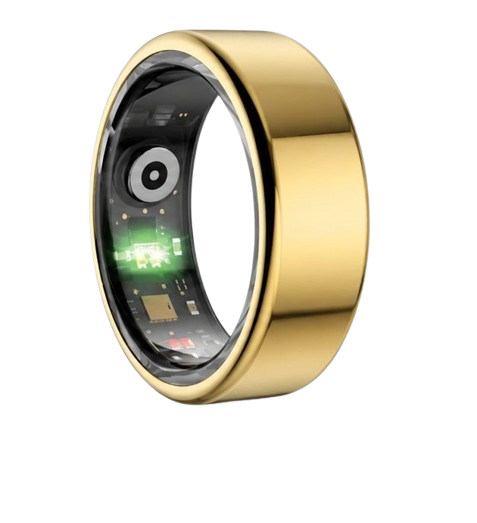
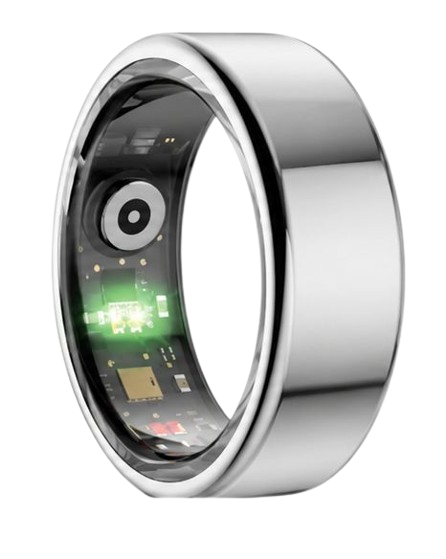
The Herz P1 Smart Ring tracks HRV, Sleep, Heart Rate & SpO2 around the clock. No subscriptions. No renewals. Ever.
In This Guide
- Learn the exact, step-by-step methodology to accurately measure and track your daily resting heart rate.
- Explore how biological variables like age, fitness, and biological sex influence your cardiorespiratory baselines.
- Understand the physiological significance of hitting a resting baseline of sixty beats per minute.
- Discover how to utilize seamless smart ring biometrics to make informed daily recovery choices.
How to Accurately Track and Optimize Your Heart Health Baseline
What You’ll Need:
You will need a quiet, comfortable space where you can remain seated or lying down without interruption.
You must ensure that your mobile phone or manual logbook is within arms reach before starting.
Make sure you have not consumed any caffeinated beverages or nicotine products for at least two hours.
Ensure your bladder is completely empty as physical discomfort can falsely raise your vascular metrics.
Having a precise biometric wearable device is highly recommended to eliminate human counting errors.
Let us begin the step-by-step methodology to establish your baseline cardiorespiratory metrics.
-
Step 1: Choose the Ideal Measurement Window
You must select a consistent measurement window to obtain highly reliable daily metrics.
The absolute best time to measure your resting pulse is immediately after waking up in the morning.
Do not get out of bed to brush your teeth or drink water before starting your tracking session.
You should also avoid checking news updates or social media as these can trigger minor adrenaline spikes.
Remaining completely stationary allows your autonomic nervous system to stay in its truest baseline state.
This morning routine provides the most accurate and repeatable data over long periods of tracking.
-
Step 2: Establish a Fully Relaxed Physical Position
If you cannot measure your pulse in bed, you must establish a highly relaxed sitting posture.
Find a comfortable, supportive chair located in a quiet room with minimal ambient noise.
Sit upright with your back fully supported and both feet resting flat on the floor.
Avoid crossing your legs or ankles as this physical restriction can slightly elevate your systemic blood pressure.
Keep your arms fully relaxed and resting gently on your lap or a flat desk surface.
This relaxed configuration allows you to establish a stable and normal heart rate sitting position.
Breathe slowly, deeply, and rhythmically through your nose for five minutes before counting the beats.
-
Step 3: Capture Your Radial Pulse Beats
Place the tips of your index and middle fingers gently on the inside of your opposite wrist.
You should position your fingers just below the base of your thumb and press down softly.
Count the physical pulsations for a full sixty seconds using a highly accurate digital timer.
Avoid counting for only fifteen seconds and multiplying by four as this introduces significant statistical errors.
This sixty-second count reveals your actual average rhr with clinical accuracy.
Pay close attention to the rhythm and force of each heartbeat during the entire measurement window.
-
Step 4: Record and Analyze Your Multi-Day Trends
You must record your daily beats-per-minute metrics systematically to track long-term wellness changes.
Log your daily numbers in a dedicated wellness app, journal, or digital spreadsheet every morning.
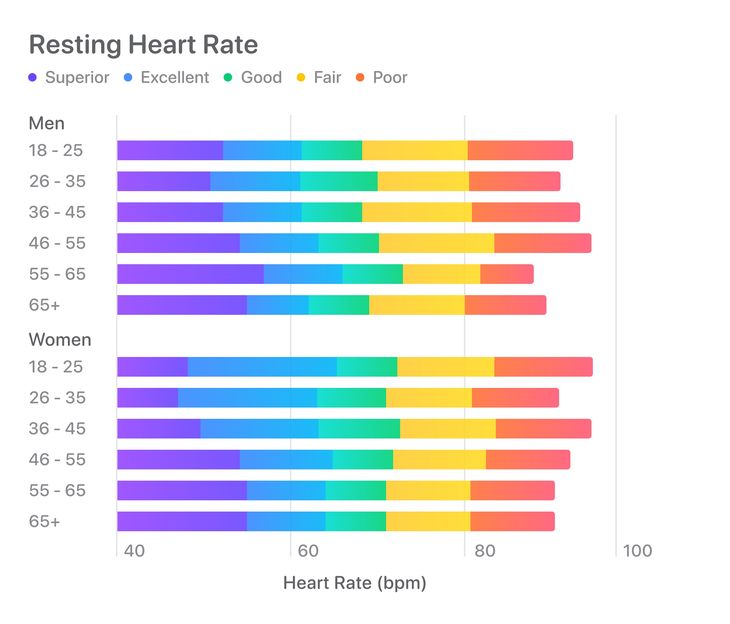
Compare your personal baselines with a scientifically backed, age-adjusted resting bpm chart.
Observe how various external factors like physical fatigue, alcohol intake, and stress raise your baseline.
Keep tracking your metrics for at least three consecutive weeks to identify stable cardiovascular trends.
A steady downward trend over several weeks indicates an improvement in your overall physical fitness.
-
Step 5: Implement Key Lifestyle Adjustments
Implement consistent physical and dietary changes to safely optimize your cardiovascular efficiency.
Engage in at least one hundred and fifty minutes of moderate aerobic exercise every week.
Incorporate structured deep-breathing exercises or daily meditation to stimulate your vagus nerve.
Prioritize getting seven to nine hours of high-quality, restful sleep every single night.
These consistent lifestyle adjustments will slowly guide your baseline toward a resting heart rate healthy range.
Consult your healthcare provider if you notice any sudden, unexplained shifts in your baseline metrics.
Manually keeping track of your cardiovascular trends every single morning can quickly become tedious.
The advanced Herz P1 Smart Ring removes this physical burden by tracking your heart rate automatically.
Our premium wearable device monitors your cardiorespiratory metrics continuously while you sleep.
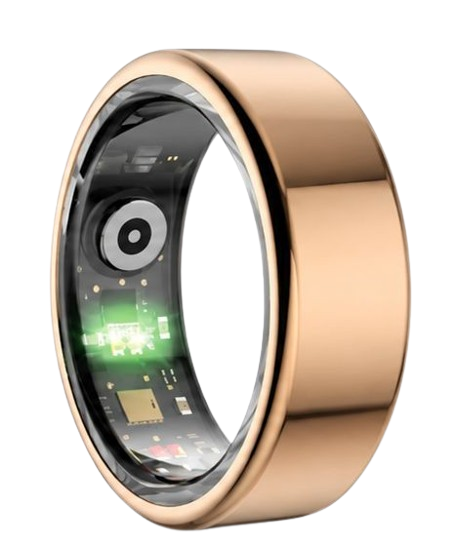
It utilizes state-of-the-art optical PPG sensors to log your lowest pulse rates during your deepest sleep stages.
This automated system ensures you receive pristine, human-error-free wellness data every single day.
90-Day 100% Money-Back Guarantee
“The Herz Smart Ring helps me manage stress easily. It’s accurate, stylish, and lightweight—perfect for my busy life!”
— Jennifer P. | ✔ Verified Customer
- ✓ 6-Day Battery Life
- ✓ Detailed Sleep Analysis
- ✓ Fast 1-Hour Charging
- ✓ iOS & Android Ready
Questions? Call: 1-866-479-1629
Biological Factors Shaping Your Resting Adult Heart Rate Baselines
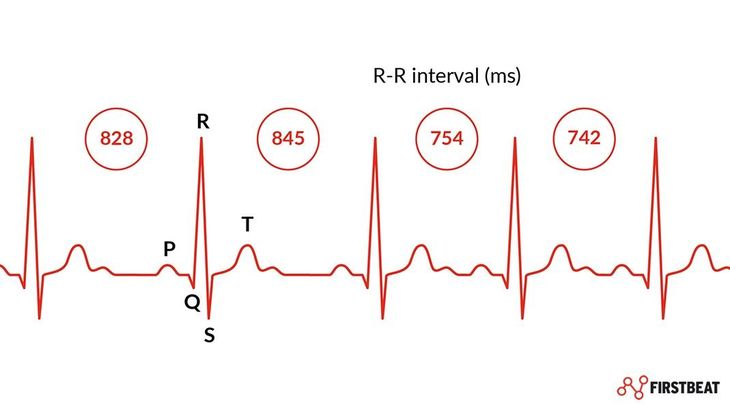
Your resting cardiorespiratory metrics serve as a direct window into your autonomic nervous system.
A highly optimized resting adult heart rate typically indicates a robust, healthy myocardium.
When your heart muscle is physically strong, it pumps a higher volume of blood with each physical contraction.
This increased stroke volume allows your cardiovascular system to deliver oxygen to tissues with fewer total beats.
Consequently, highly active individuals naturally maintain a much lower average resting human heart rate.
Conversely, a chronically elevated resting pulse indicates that your heart muscle is working harder than necessary.
Biological sex is another powerful factor that determines your baseline cardiorespiratory metrics.
Women typically have physically smaller anatomical heart sizes compared to men of similar height.
To compensate for this smaller chamber volume, the female heart must beat slightly faster to maintain systemic blood flow.
You can examine these sex-based physiological differences in detail through our average resting heart rate for women health directory.
Men’s cardiovascular systems also exhibit unique baseline characteristics driven by testosterone and higher muscle mass.
These masculine patterns are mapped out clearly inside our dedicated resting heart rate chart men index.
Daily factors such as high altitude, ambient heat, and dehydration also cause temporary shifts in your pulse rate.
Chronic psychological stress keeps your sympathetic nervous system activated, leading to an elevated baseline.
The American Heart Association notes that tracking these daily baseline variations is highly helpful for identifying systemic strain.
The Herz P1 Smart Ring provides continuous, non-invasive tracking to capture these critical shifts automatically.
Our advanced multispectral PPG sensor array logs your pulse every five minutes for complete data coverage.
By collecting continuous baseline data, we help you make informed decisions about your daily physical exertion.
Understanding these natural biological variables is the key to managing your long-term cardiovascular health.
With our subscription-free technology, you can track these intricate cardiorespiratory patterns without any hidden costs.
Evaluating Cardiovascular Efficiency: Is 60 a Good Resting Heart Rate?
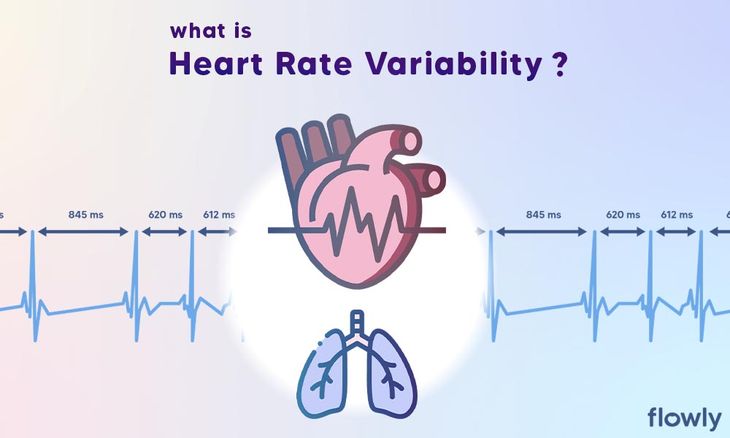
Many health-conscious individuals frequently ask, is 60 a good resting heart rate for an active adult?
In the medical field, a pulse of sixty beats per minute sits at the lower end of the traditional normal range.
Most medical professionals consider a baseline of sixty beats per minute to be an indicator of excellent cardiovascular health.
A lower resting pulse typically points to superior aerobic fitness and a highly active parasympathetic nervous system.
Highly trained endurance athletes often record baseline metrics well below fifty beats per minute during deep sleep.
This extreme efficiency develops as their heart muscle adapts to sustained athletic training over several years.
However, a low resting pulse in a sedentary individual can sometimes point to underlying electrical conduction issues.
If a low pulse is accompanied by chronic dizziness, fatigue, or fainting, a medical evaluation is absolutely necessary.
This clinical condition is known as bradycardia and requires diagnostic guidance from a certified cardiologist.
Monitoring your daily resting hr patterns is the most reliable way to separate healthy adaptation from illness.
Consistency in your baseline readings over time is far more important than any single daily snapshot metric.
The National Sleep Foundation emphasizes that your pulse must drop during deep sleep to allow proper physical recovery.
If your nighttime heart rate remains elevated, your nervous system is struggling with physical strain or stress.
The Herz P1 Smart Ring monitors your heart rate continuously while you sleep to catch these critical trends.
It records your lowest heart rate during your longest resting window to establish your true daily baseline.
This continuous overnight tracking helps you identify when your body requires active recovery instead of physical training.
By reviewing these trends, you can easily optimize your daily routine to support your cardiovascular system.
Practical Application: Utilizing Smart Ring Data to Enhance Your Wellness
The companion app for the Herz P1 translates complex cardiorespiratory data into a clear daily readiness score.
When you wake up, you can instantly review your nocturnal heart rate variability and blood oxygen trends.
A sudden rise in your overnight resting pulse indicates that your body is dealing with physical strain or dehydration.
You can use this real-time feedback to modify your workout intensity and protect your muscles from injury.
If your heart rate indicates low recovery, focus on gentle walking or stretching instead of high-intensity workouts.
The sleek, military-grade steel construction of the Herz P1 ensures you can collect this data comfortably 24/7.
Unlike heavy smartwatches, our lightweight ring does not cause wrist fatigue or disrupt your sleep cycles.
This superior comfort factor is essential for maintaining a continuous, uninterrupted baseline of your health metrics.
You can wear the ring while swimming, lifting weights, or showering without worrying about water damage.
Our advanced sensors maintain constant contact with your skin to log every beat with outstanding accuracy.
Over time, this continuous monitoring helps you build a highly personalized map of your cardiovascular efficiency.
By making small, data-informed changes to your daily habits, you can steadily improve your cardiac baseline.
Avoiding Common Mistakes in Cardiorespiratory Baselines and Wearable Tech
A highly common mistake among health enthusiasts is wearing heavy, uncomfortable smartwatches to bed.
These bulky wrist devices frequently shift position during sleep, causing the optical sensors to lose contact with your skin.
This displacement results in highly inaccurate nighttime tracking data and false health warning alerts.
Furthermore, constant screen emissions and vibration alerts from wrist devices can disrupt your deep sleep cycles.
Another major pitfall is purchasing smart wearables that lock your personal health data behind expensive monthly app subscriptions.
These recurring subscription fees can easily double the true cost of owning the health tracker over its lifespan.
Team Herz P1 solves this barrier by offering a completely free companion app with no ongoing monthly charges.
You pay once for your smart ring and receive lifetime access to all advanced biometric metrics and updates.
Additionally, physical ring sizing errors can severely compromise the quality of optical photoplethysmography sensors.
Always use our provided sizing kit to ensure the ring sits snugly against the blood vessels of your finger.
A proper fit guarantees that the optical PPG sensors maintain continuous skin contact for highly precise readings.
Avoid measuring your ring size when your hands are extremely cold as your fingers will be temporarily smaller.
Comparing Wearable Technology Performance in 2025
To make an informed choice, it is highly helpful to analyze how the Herz P1 Smart Ring compares to average wearable devices across critical cardiorespiratory metrics.
| Biometric Feature | Herz P1 Smart Ring | Competitor Average |
|---|---|---|
| Monthly Subscription Fee | $0 (Free App Forever) | $5.99 to $10.00 / Month |
| Manufacturer Warranty | 2-Year Warranty Coverage | Standard 1-Year Coverage |
| Battery Life Span | Up to 6 Days Continuous Wear | 1 to 3 Days Average |
| Waterproof Rating | IP68 (Up to 164 Feet) | Basic Splash Proof Only |
Frequently Asked Questions
Is the Herz P1 Smart Ring waterproof?
Yes, the Herz P1 features a certified IP68 waterproof rating.
It is fully protected against continuous water immersion up to a depth of 164 feet.
You can confidently wear the ring while swimming, showering, washing dishes, or relaxing in a hot tub.
The military-grade steel construction ensures water never compromises the advanced internal sensor array.
No additional protective cases or covers are required to maintain this high-level water resistance.
How long does the battery last on a single charge?
The smart ring features an optimized battery that lasts up to 6 days under normal continuous use.
This long-lasting performance eliminates the frustration of daily charging associated with traditional smartwatches.
When the battery does run low, the ring charges completely from zero to one hundred percent in under 1 hour.
The magnetic charging cradle snaps effortlessly onto the ring for fast and convenient power delivery.
An indicator light on the charger tells you exactly when your smart ring is ready to wear again.
Which finger is best to wear the smart ring on?
We highly recommend wearing the Herz P1 on your index, middle, or ring finger.
These three digits have the strongest capillary blood flow, which maximizes the accuracy of our optical PPG sensors.
Ensure that the internal sensor bumps are positioned securely against the palm side of your chosen finger.
A snug but highly comfortable fit will prevent the ring from rotating and compromising your biometric logs.
You can easily switch fingers if your hands swell slightly during hot weather or physical exercise.
Does the smart ring store tracking data offline?
Yes, the Herz P1 features an integrated local flash memory chip.
It can securely store up to 7 days of complete health metrics offline without an active Bluetooth connection.
Your historical tracking data will automatically sync to the companion app once your phone is nearby.
This convenient feature allows you to disconnect your smartphone at night for an EMF-free sleeping environment.
You do not have to worry about data loss even during long weekend trips without your charging dock.
Take Control of Your Daily Cardiovascular Health
Take control of your wellness with a premium, subscription-free tracking companion.
The Herz P1 Smart Ring provides the precise cardiorespiratory insights you need to optimize your recovery.
Ready to monitor your health every day? Explore the Herz P1 Smart Ring and see if it fits your lifestyle. Call: 1-866-479-1629 — our team can help you advise on the correct ring size and set personalized health goals.
Note: Individual results may vary depending on individual health conditions, age, and lifestyle habits. This article is intended for general health reference purposes only.
