

Tracking your biometrics with the Herz P1 smart ring exposes the immense physiological differences between heart rate and heart rate variability, two vital cardiovascular metrics that dictate daily human energy levels. Based on clinical cardiovascular research, while your pulse tracks total beats per minute, the microscopic timing between those beats reveals your real-time autonomic nervous system recovery, providing a definitive roadmap to managing stress and optimizing sleep without subscription fees.
Built to Last. Save Up to 69% Today.
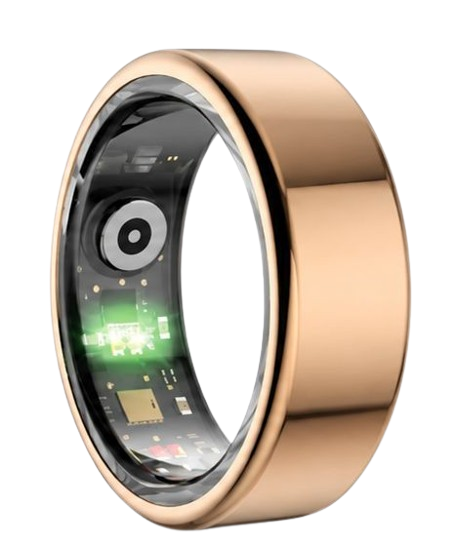
The Herz P1 Smart Ring tracks HRV, Sleep, Heart Rate & SpO2 around the clock. No subscriptions. No renewals. Ever.
In This Article
- The microscopic mechanical differences between heart rate and HRV.
- How the autonomic nervous system regulates physical exertion and recovery.
- How to evaluate resting heart rate trends alongside baseline HRV fluctuations.
- Practical methods for tracking and interpreting metrics using the Herz P1 companion application.
- Simple strategies to avoid common smart ring sizing and positioning tracking mistakes.
Decoding the Functional Blueprint of Heart Rate and Heart Rate Variability
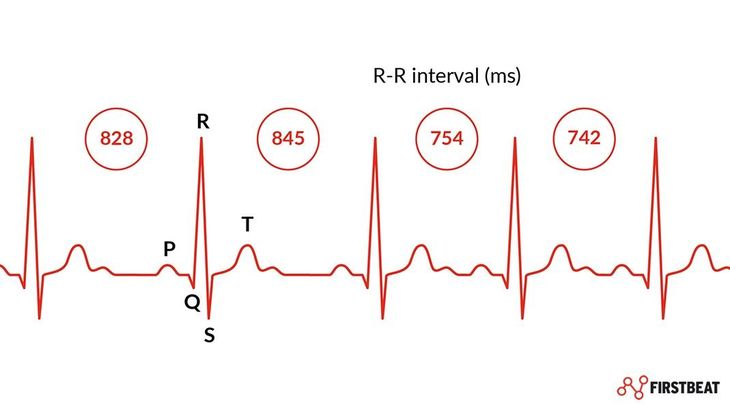
A common misconception is that a perfectly healthy heart must beat at a completely rigid, metronome-like pace.
Under the microscope of modern digital health science, your cardiovascular output is highly dynamic and adaptive.
Examining heart rate and heart rate variability reveals two completely distinct aspects of your physiological system.
While both metrics originate from your cardiac muscle, they provide totally different insights into your daily health.
Your heart rate is simply a macroscopic measurement of how many times your heart contracts in sixty seconds.
In contrast, heart rate variability measures the tiny, microscopic fluctuations in time between each of those consecutive beats.
Understanding the core differences of hrv vs heart rate helps you decode how your body responds to daily environmental challenges.
Heart rate tells you how hard your body is working, whereas heart rate variability indicates your actual capacity to handle stress.
Our team at Herz P1 designed our advanced smart ring to track these complementary metrics in real-time without bulky hardware.
We know that relying on heart rate alone only provides half of your physical wellness picture.
By measuring both metrics, you gain a clear and highly accurate understanding of your cardiovascular performance and recovery status.
For example, a heart rate of 60 beats per minute might look identical from one day to the next on a basic tracker.
However, your underlying nervous system control could be completely different depending on your daily stress levels.
Tracking these fluctuations enables you to make informed decisions about your daily activities, exercise intensity, and recovery needs.
This deeper level of insight is why advanced biometric trackers have become essential tools for proactive health management.
Our goal is to translate these complex biological signals into clear, actionable data that you can use to elevate your quality of life.
By understanding how these metrics work together, you can optimize your sleep, reduce anxiety, and improve your athletic performance.
Many busy professionals use this information to determine when to push their physical limits and when to rest.
Without this dual perspective, you might accidentally overtrain your body or ignore critical warning signs of fatigue.
Investing in a high-quality biometric device ensures that you are never left guessing about your internal physical state.
Our cardiovascular systems are designed to react instantly to changes in our physical state, environment, and emotions.
When you inhale, your heart rate naturally accelerates slightly to facilitate rapid oxygen absorption.
When you exhale, your heart rate slows down as your parasympathetic system exerts a calming influence.
This natural variation is a highly positive indicator of excellent cardiac adaptability and resilience.
If your pulse remains static during these breathing cycles, it indicates a state of physical or mental exhaustion.
By comparing hrv vs heart rate, you can visually track these subtle internal shifts on a daily basis.
This is why athletes, busy professionals, and wellness enthusiasts use these metrics to gauge their body’s readiness.
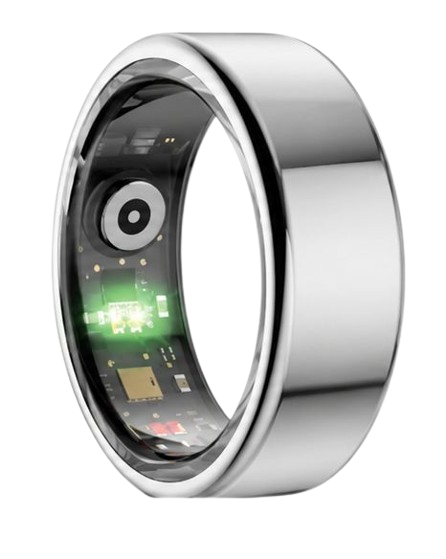
90-Day 100% Money-Back Guarantee
“The Herz Smart Ring helps me manage stress easily. It’s accurate, stylish, and lightweight—perfect for my busy life!”
— Jennifer P. | ✔ Verified Customer
- ✓ 6-Day Battery Life
- ✓ Detailed Sleep Analysis
- ✓ Fast 1-Hour Charging
- ✓ iOS & Android Ready
Questions? Call: 1-866-479-1629
How the Autonomic Nervous System Controls Your Cardiovascular Rhythms
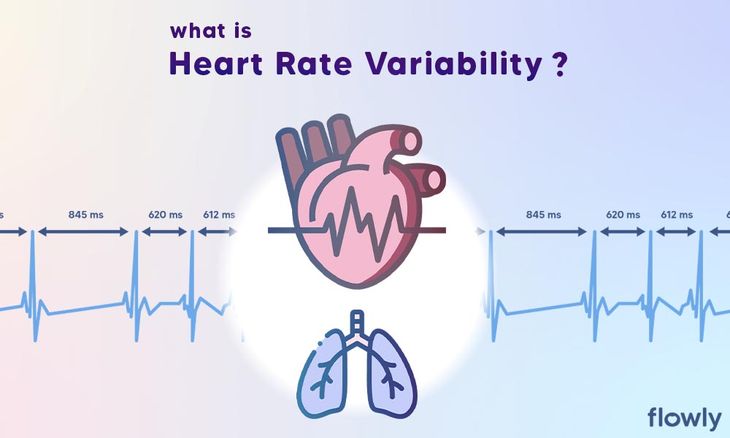
Your autonomic nervous system regulates all of your body’s involuntary physiological functions automatically.
This complex internal network is divided into two main branches that act like an accelerator and a brake pedal.
The sympathetic nervous system acts as the accelerator, preparing your body for action during stressful situations.
When this branch dominates, your heart rate increases and your heart rate variability typically drops.
The parasympathetic nervous system serves as the brake pedal, promoting relaxation, digestion, and deep tissue recovery.
Active parasympathetic regulation slows down your pulse and naturally raises your overall biometric variability.
Your heart is constantly receiving signals from both of these systems simultaneously.
This constant physiological tug-of-war is the biological reason why does my hrv fluctuate so much throughout the day.
When you are well-rested, your autonomic branches are balanced and responsive, creating highly variable inter-beat patterns.
If you are chronically fatigued, the sympathetic nervous system takes over, making your heart beat in a rigid pattern.
Establishing a consistent hrv baseline is essential for recognizing when your body is sliding into chronic exhaustion.
Our team at Herz P1 has integrated multispectral optical sensors to capture these subtle nervous system shifts.
This technology continuously reads the tiny blood volume changes in your finger with remarkable accuracy.
By monitoring this deep autonomic balance, you can actively prevent overtraining and manage daily workplace fatigue.
These insights empower you to schedule high-intensity efforts only when your nervous system is fully prepared.
A resilient nervous system is capable of transitioning smoothly between high-energy and calm states.
When your body experiences physical or psychological strain, this transition becomes sluggish.
This sluggishness is reflected immediately in your morning wellness metrics.
Using our subscription-free app, you can easily view these nervous system trends over days, weeks, and months.
Our military-grade hardware ensures that these sensitive signals are recorded accurately without external interference.
This reliable data collection allows you to build a personal wellness profile that is unique to your biology.
Ultimately, understanding your nervous system’s rhythms is the key to unlocking sustainable daily energy.
Understanding how these autonomic systems communicate with your heart pacemaker is truly fascinating.
The sinoatrial node acts as the heart’s natural pacemaker, receiving continuous chemical inputs from your brain.
Sympathetic pathways release norepinephrine, which speeds up the electrical firing of the sinoatrial node.
Parasympathetic pathways release acetylcholine, which immediately dampens the electrical speed of your heart.
A balance of these chemical signals creates a healthy, chaotic, and highly variable inter-beat timeline.
Monitoring your overnight average hrv helps you confirm if these systems are communicating effectively.
It provides a direct window into your central nervous system’s current capacity to manage internal inflammation.
The Scientific Differences: Measuring Resting Heart Rate vs HRV
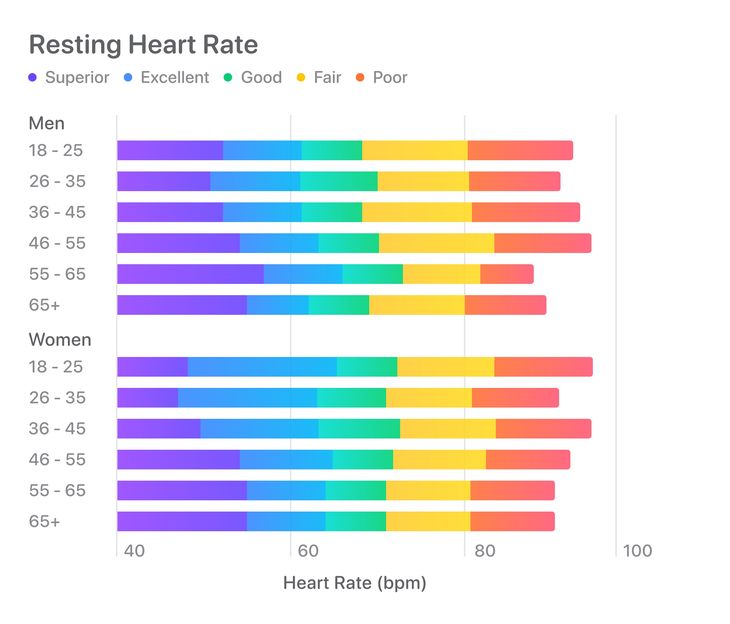
To maximize your personal recovery strategy, you must understand the interplay between heart rate vs hrv metrics.
Resting heart rate is an excellent indicator of overall aerobic fitness and general cardiovascular health.
For most adults, staying within a resting heart rate healthy range of 60 to 100 beats per minute is standard.
Well-conditioned athletes often exhibit an even lower resting pulse because their cardiac muscles are highly efficient.
You can refer to our detailed resting heart rate chart men to compare your baseline against age-matched averages.
While a lower resting heart rate is generally positive, it does not tell the entire recovery story on its own.
This is where tracking your individual average hrv score becomes highly valuable.
A high HRV score generally indicates a highly adaptable autonomic nervous system that is ready to perform.
Conversely, a sudden drop in your baseline HRV often signals that your body is working hard to recover from physical stress or illness.
The table below provides a direct, side-by-side comparison of how these two metrics function in your daily tracking.
| Cardiovascular Metric | Primary Physiological Meaning | What It Indicates About Recovery |
|---|---|---|
| Resting Heart Rate (RHR) | The total number of heart contractions per minute during complete physical rest. | Macro-level cardiovascular efficiency and baseline aerobic physical fitness. |
| Heart Rate Variability (HRV) | The millisecond-level variation in time intervals between consecutive heartbeats. | Autonomic nervous system balance, stress tolerance, and readiness to perform. |
| Active Heart Rate | The immediate pulse rate during physical exercise, digestion, or high stress. | Acute physical energy expenditure and immediate metabolic demands of the body. |
By observing these two metrics together, you get a highly complete view of your daily physical capacity.
For example, a stable resting heart rate paired with a high HRV score confirms that your recovery is optimal.
However, if your resting pulse rises while your HRV plummets, your body is likely experiencing significant strain.
Our team designed the Herz P1 to process these complex calculations automatically so you can focus on making healthy lifestyle choices.
This seamless tracking allows you to make data-backed adjustments to your sleep schedules and exercise routines easily.
Over time, these small adjustments can lead to significant improvements in your overall health and daily energy levels.
Understanding these subtle shifts is particularly useful for tracking your body’s adaptation to chronic stressors.
If you ignore these signs, you may experience burnout or physical exhaustion without realizing why.
Many smart ring users find that tracking these trends is the most effective way to stay ahead of physical fatigue.
Our military-grade steel ring is light enough to wear comfortably during both high-intensity workouts and deep sleep.
This continuous wear ensures that your data collection is unbroken, providing the most accurate baseline possible.
By committing to tracking both metrics, you are taking a proactive step toward mastering your personal health.
Let’s take a closer look at how resting heart rate and HRV trends diverge over a long period.
Your resting heart rate changes slowly over weeks and months as your physical conditioning improves or declines.
In contrast, your daily HRV can shift dramatically from one night to the next based on acute stressors.
A single poor night of sleep, an intense workout, or a stressful meeting can cause a temporary dip.
This sensitivity is exactly why understanding heart rate vs hrv metrics is so essential.
One metric gives you a long-term fitness baseline, while the other acts as an immediate stress indicator.
How Modern Smart Rings Capture Inter-Beat Intervals in Milliseconds
Standard heart rate tracking is calculated in beats per minute, which is a relatively simple calculation.
Measuring the exact time differences between heartbeats requires precision calculated down to the individual heart rate ms level.
To capture this delicate data, smart rings utilize advanced optical sensors known as photoplethysmography.
These sensors emit light into the capillaries of your finger to measure microscopic changes in blood volume.
Because the blood vessels in your fingers are highly accessible, smart rings can capture exceptionally clean pulse signals.
Conducting a high-quality hrv test requires you to remain completely still to minimize movement artifacts.
The Herz P1 automatically performs these precise measurements while you sleep to ensure the most accurate results possible.
This overnight tracking avoids the errors caused by daytime physical movement and active talking.
By focusing on consistent overnight data, we provide a clean, noise-free view of your cardiovascular recovery trends.
This professional approach ensures that your daily health decisions are guided by highly reliable, clinical-grade tracking.
Our team utilizes red, green, and infrared optical sensors to achieve this high standard of accuracy.
This multispectral technology adapts to different skin tones and blood flow conditions seamlessly.
The resulting data points are processed securely on our encrypted companion application.
You can access these raw millisecond measurements at any time to examine your physical trends in depth.
By prioritizing microscopic accuracy, we help you eliminate the guesswork from your daily wellness routines.
Practical Application Guide: How to Read Biometric Data on the Herz P1 App
Interpreting your daily biometric numbers should never feel like solving a complex mathematical puzzle.
The Herz P1 companion application translates your raw sensory data into simple, actionable daily scores.
When you open the application each morning, you are greeted with a comprehensive wellness readiness score.
This score is calculated by analyzing your sleep stages, overnight resting heart rate, and latest HRV trends.
If your readiness score is in the green zone, your body is fully prepared for physical training or highly demanding cognitive work.
A readiness score in the yellow or red zone suggests that prioritizing active rest and stress management is your best choice.
You can easily tap on the heart rate tab to view your continuous 24-hour cardiovascular trends.
The app also provides a detailed breakdown of your sleep architecture, showing your light, deep, and REM sleep phases.
Tracking these sleep cycles is essential because deep sleep is when your cardiovascular system undergoes cellular repair.
Our application runs entirely on a lifetime-free model, meaning you will never face paywalls or unexpected monthly subscription fees.
This zero-fee structure allows you to build a long-term historical health database without any financial friction.
We believe that access to your personal biological data is a fundamental right, not a paid privilege.
By checking your trends weekly, you will begin to notice how specific habits directly affect your cardiovascular scores.
For instance, eating a heavy dinner late at night often correlates with an elevated resting pulse and lower overnight HRV.
Armed with this personalized information, you can make immediate, positive adjustments to your daily routines.
Our app also allows you to share these reports with your personal trainer or health consultant easily.
This transparent data sharing helps you design highly personalized fitness and recovery plans.
Whether you are trying to improve your sleep or run a marathon, these insights are incredibly valuable.
The interface is designed to be clean, intuitive, and accessible for users of all ages.
We provide regular software updates to enhance your user experience and add new features regularly.
These updates are always provided at no additional cost to our global community.
By choosing the Herz P1, you are investing in a lifetime of continuous health improvement without hidden costs.
Overcoming Risks and Common Wearable Tracking Mistakes
Many health-conscious individuals unintentionally compromise their biometric data by making a few common tracking mistakes.
The most frequent issue is wearing an improperly fitted device that slips or rotates during sleep.
If your smart ring is too loose, the optical sensors will lose direct contact with your skin, causing data gaps.
To prevent this, our team provides a comprehensive sizing kit to ensure a perfect, snug fit before you buy.
Another common pitfall is wearing a bulky, uncomfortable smartwatch to bed every single night.
Large watches can disrupt your natural sleep movements and lead to highly inaccurate overnight tracking results.
The lightweight, military-grade steel design of the Herz P1 provides an incredibly comfortable, non-intrusive alternative for overnight wear.
Additionally, many users overlook the massive financial burden of ongoing, mandatory monthly app subscriptions.
Over several years, these hidden recurring fees can easily cost you double the initial price of the hardware itself.
We eliminated this frustrating issue entirely by offering our comprehensive companion app with absolutely no monthly subscription fees.
Finally, make sure to clean your smart ring’s inner sensors regularly to prevent dust or skin oils from blocking the optical light.
A quick wipe with a soft cloth once a week is all it takes to maintain pristine biometric tracking accuracy.
By avoiding these simple mistakes, you can ensure that your wearable device delivers highly accurate, long-term health insights.
Many users also make the mistake of comparing their daily numbers directly to other people’s metrics.
Biometrics are highly individual, meaning your personal baseline is the only metric that truly matters.
A low HRV score for one person might represent peak physical recovery for another.
Focusing on your own relative trends over time will yield the most meaningful lifestyle improvements.
Our app displays these relative trends clearly so you do not get discouraged by comparing yourself to others.
We also advise against wearing your ring on fingers that have poor blood circulation or thick calluses.
Positioning the ring correctly on your index or middle finger guarantees the strongest possible sensor signal.
By taking these simple precautions, you will get the absolute most out of your digital health investment.
Our customer support team is always available to help you troubleshoot any tracking concerns you might have.
Frequently Asked Questions About Biometric Smart Rings
Is the Herz P1 smart ring completely waterproof?
Yes, the Herz P1 is engineered with military-grade steel and carries an official IP68 waterproof rating.
This advanced certification means the ring can be safely submerged in water up to 164 feet deep.
You can confidently wear it while washing your hands, showering, swimming, or even during high-intensity water sports.
Our durable outer shell protects the inner optical sensors from moisture damage in all daily environments.
How long does the battery last on a single charge?
The Herz P1 features a highly optimized battery that lasts up to 6 days of continuous, round-the-clock tracking.
When the battery runs low, you can recharge it back to 100% capacity in under 1 hour.
This long battery life minimizes tracking gaps and eliminates the daily charging anxiety associated with standard smartwatches.
Our custom magnetic charging cradle makes the weekly replenishment process incredibly fast and convenient.
Which finger is best for wearing the smart ring?
For the absolute highest biometric accuracy, we recommend wearing the Herz P1 on your index, middle, or ring finger.
These specific fingers contain rich blood capillary networks that provide the cleanest optical PPG signals.
Ensure the sensor bumps are positioned on the palm side of your hand to maintain constant skin contact.
Choosing your non-dominant hand can also help reduce daily wear-and-tear and prevent minor scratches during manual tasks.
Does the smart ring store my health data offline?
Yes, the Herz P1 is equipped with advanced onboard memory that stores up to 7 days of biometric data offline.
You do not need to keep your smartphone nearby or connected to Bluetooth constantly throughout the day.
Once you open the companion app, the ring will automatically sync all stored metrics to your phone in seconds.
This offline capability is perfect for tracking long outdoor hikes, relaxing tech-free weekends, or overnight sleep cycles.
Conclusion: Begin Your Wellness Transformation Today
Decoding your body’s cardiovascular signals is the first step toward lasting health improvement.
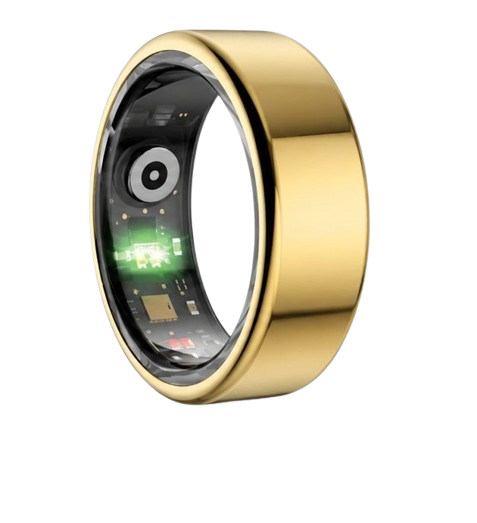
The Herz P1 Smart Ring offers a durable, subscription-free path to mastering your sleep, stress, and recovery daily.
Ready to monitor your health every day? Explore the Herz P1 Smart Ring and see if it fits your lifestyle. Call: **1-866-479-1629** — our team can help you advise on the correct ring size and set personalized health goals.
Note: Individual results may vary depending on individual health conditions, age, and lifestyle habits. This article is intended for general health reference purposes only.
