

Built to Last. Save Up to 69% Today.
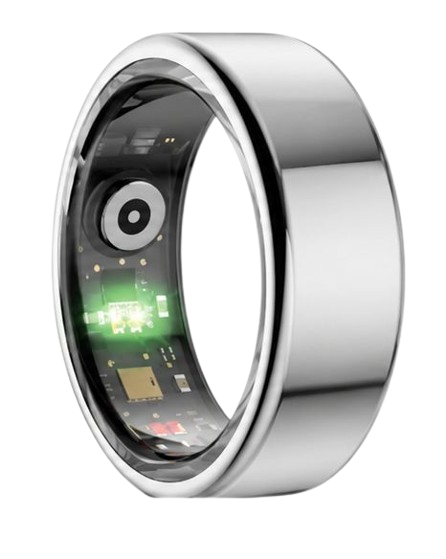
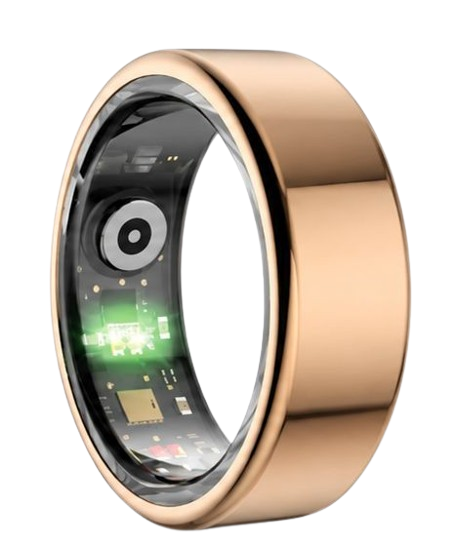
The Herz P1 Smart Ring tracks HRV, Sleep, Heart Rate & SpO2 around the clock. No subscriptions. No renewals. Ever.
In This Educational Guide
- Establish Your Baseline: Learn how to measure and improve your resting pulse accurately.
- Normal Ranges & Biology: Explore the physiological differences and science behind the average heart rate for women.
- HRV & Cycle Tracking: Discover how to leverage smart metrics like HRV to optimize your daily recovery protocols.
- Wearable Pitfalls: Understand why bulky watches fail and how to avoid hidden subscription fees.
How to Measure and Improve Your Resting Heart Rate: A Step-by-Step Guide
Before you begin optimizing your cardiovascular baseline, you must establish an accurate testing environment.
You will need a reliable biometric tracker, a quiet space, and a consistent morning routine.
A modern women’s health smart ring provides automated background measurements that eliminate manual testing errors, keeping data collection completely passive.
Step 1: Choose the Optimal Measuring Time
You should always measure your heart rate immediately upon waking up in the morning.
Ensure you have not gotten out of bed, stretched aggressively, or checked stressful notifications on your mobile phone.
This window of time represents the pure state of physical inactivity necessary for cardiorespiratory baselines.
If you move around too quickly, your sympathetic nervous system activates and elevates your heart rate.
This sudden surge of adrenaline and cortisol artificially inflates your pulse rate by several beats per minute.
Your body is in its most relaxed state after sleeping, providing a true and unbiased physiological measurement.
Many health-conscious individuals make the mistake of measuring their resting pulse after their morning coffee.
Caffeine acts as a strong cardiac stimulant that alters your vascular tension and skewing your data.
By adhering to a strict morning measurement habit, you ensure that external environmental stressors do not interfere with your results.
Step 2: Ensure Proper Physical and Mental Stillness
You must lie completely flat on your back and breathe deeply for two full minutes before starting.
Avoid any sudden movements, speaking, or muscle contractions that might increase peripheral circulation demands.
Your breathing should be slow, rhythmic, and abdominal to keep your parasympathetic nervous system fully engaged.
Assess Your Morning Readiness
Women’s heart rates fluctuate based on many unique factors. Have you noticed any of these?
This slow breathing technique stimulates the vagus nerve, which naturally slows down cardiac pacing.
Even small shifts in your posture can cause your heart to pump harder to maintain steady blood pressure.
By remaining perfectly motionless, you allow your blood vessels to dilate and stabilize.
Step 3: Position Your Sensor Accurately
You need to place your smart tracking ring on the index or middle finger of your non-dominant hand.
The internal optical sensors must face inward toward the palm side of your hand to read your pulse properly.
This specific palm-side area has a rich blood supply close to the skin surface, ensuring excellent signal capture.
Wrist-based wearables often struggle to maintain tight skin contact, leading to frequent data gaps.
The digital arteries in your fingers are much easier to scan than the radial artery in your wrist.
Why Finger Tracking is Superior
Women often experience slight fluid retention or swelling in their hands during sleep or specific cycle phases. Advanced smart rings are designed to adapt:
- Multispectral PPG Sensors: Filter out minor movement noise throughout the night, ensuring consistent tracking even when you toss and turn.
- No Wrist Friction: Eliminates the discomfort of tight watch straps, allowing for uninterrupted sleep.
Step 4: Record Your Daily Readings Over a Seven-Day Baseline
You should log your resting metrics at the same hour every single morning to establish a reliable baseline.
A single isolated reading can easily be skewed by late-night meals, alcohol consumption, or acute dehydration.
By tracking your biometrics over a full seven-day week, you create a highly stable trend line.
This historical baseline makes it much easier to detect hormonal shifts or physical recovery patterns.
A healthy baseline is not a static number, but rather a dynamic range that fluctuates naturally.
Women often notice that their resting pulse shifts in response to different phases of their menstrual cycle.
Having a week of consistent data helps you distinguish normal cycle changes from signs of overtraining.
Step 5: Apply Targeted Aerobic Adjustments
You should incorporate thirty minutes of moderate-intensity zone two cardiovascular exercise three times per week.
This consistent physical practice gradually strengthens your heart muscle, improving its stroke volume over time.
A stronger heart does not have to beat as frequently to sustain your vital organs and tissues.
This natural cardiac adaptation gradually lowers your resting pulse and raises your overall physical resilience.
Understanding the Science of the Average Resting Heart Rate for Women
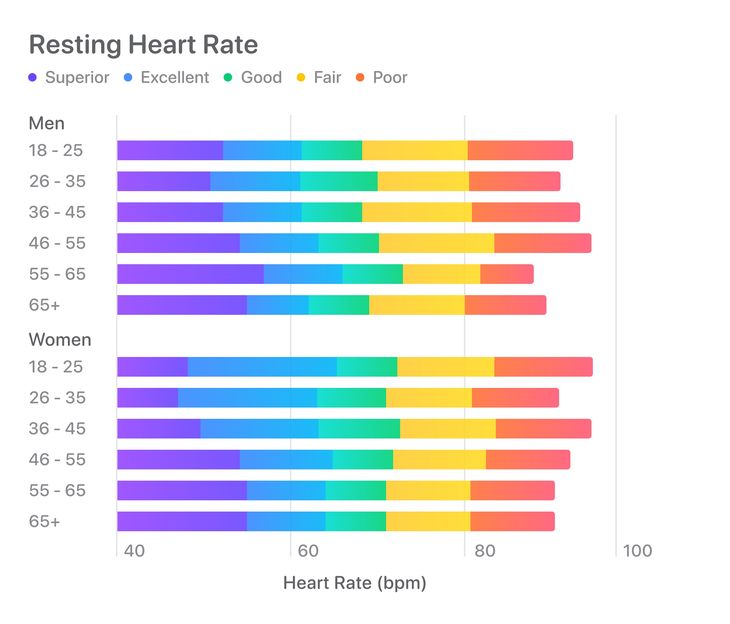
To understand what is a healthy pulse, we must first look at the official guidelines from the American Heart Association.
They state that a normal resting pulse for adults ranges anywhere between sixty and one hundred beats per minute.
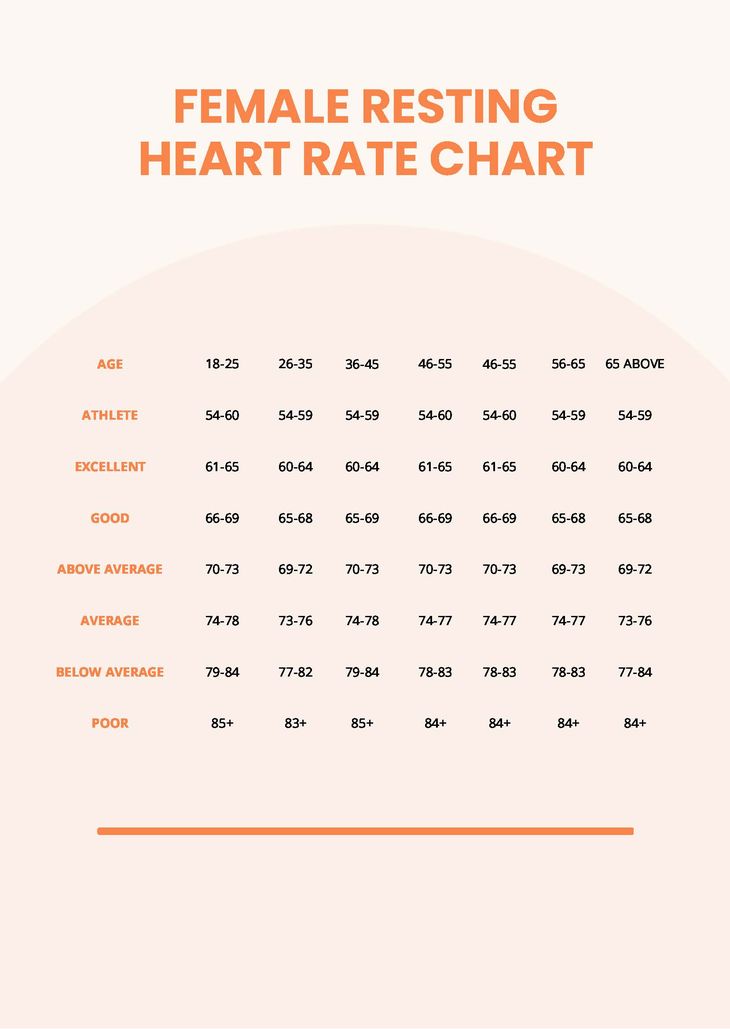
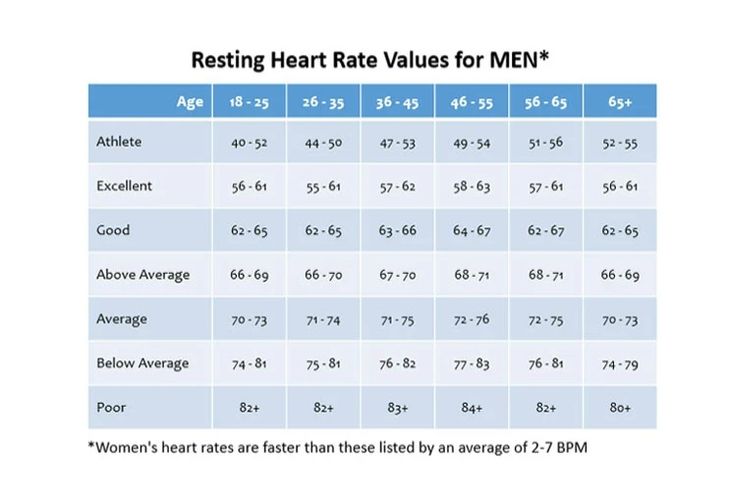
However, clinical observations reveal that the true average resting heart rate for women often skews slightly higher than that of men.
This slight elevation is not a sign of poor health or cardiovascular weakness.
Instead, it is a direct consequence of biological design, hormone levels, and unique physical structures.
By consulting a detailed resting bpm chart, you can see how your numbers compare to global age brackets.
Staying within a resting heart rate healthy range is a strong indicator of robust aerobic fitness.
“I used to panic when my resting heart rate went up by 5 beats. Once I started tracking my cycles with a smart ring, I saw the exact pattern: my heart rate naturally rises during my luteal phase. It wasn’t stress; it was just biology!”
— Sarah K., Health Coach & Smart Ring User
Why Female Physiology Demands Gender-Specific Baselines
Female physiology differs fundamentally from male physiology, particularly in the structure of the cardiovascular system.
On average, women have physically smaller hearts and blood vessels than men of a similar height.
Because a smaller heart has a smaller stroke volume, it pumps less blood with each individual contraction.
To supply the same amount of oxygen to the body, the female heart must beat slightly faster to compensate.
This physiological difference is why the average pulse rate for women is typically five to ten beats higher than men.
Hormonal fluctuations during the menstrual cycle also play a significant role in altering your daily heart rate.
Estrogen and progesterone directly influence the autonomic nervous system and cardiac pacing.
During the luteal phase, you may notice a steady rise in your resting heart rate by several beats.
90-Day 100% Money-Back Guarantee
"The Herz Smart Ring helps me manage stress easily. It's accurate, stylish, and lightweight—perfect for my busy life!"
— Jennifer P. | ✔ Verified Customer
- ✓ 6-Day Battery Life
- ✓ Detailed Sleep Analysis
- ✓ Fast 1-Hour Charging
- ✓ iOS & Android Ready
Questions? Call: 1-866-479-1629
The Crucial Connection Between Resting Heart Rate, HRV, and Sleep Architecture
Your resting heart rate is closely connected to your heart rate variability and your overnight sleep quality.
During sleep, your parasympathetic nervous system should dominate, causing your heart rate to drop to its lowest point.
This phenomenon is known as cardiac dipping, and it is crucial for cellular repair and mental recovery.
The average heart rate sleeping woman should ideally be lowest during the deep sleep phases.
If your sleeping pulse remains elevated, it indicates that your body is struggling to recover from the previous day.
This lack of recovery is often accompanied by a low heart rate variability score, which signals chronic stress.
Monitoring your average hrv by age for women aged 50 can help you assess your nervous system health.
Leveraging Biometric Data to Optimize Your Daily Health Protocol
Once you have gathered your baseline resting heart rate data, you can use it to design a personalized wellness strategy.
An advanced companion app turns your raw physiological signals into a simple, actionable daily readiness score.
If you wake up and see that your resting pulse is five beats higher than your normal average, you should adjust your plans.
This rise is a clear signal that your body is fighting off fatigue, dehydration, or an oncoming cold.
On these high-pulse days, it is wise to swap a high-intensity workout for a gentle walk or a yoga session.
Conversely, when your resting pulse is low and your HRV is high, your body is primed for peak performance.
Want to see your personalized readiness score every morning?
Explore Advanced Wearable Trackers →Common Mistakes in Tracking Resting Pulse and How to Avoid Them
Many people who start tracking their biometrics fall into common traps that compromise the accuracy of their data.
One of the biggest mistakes is wearing a bulky, uncomfortable smartwatch to bed every night.
These large devices often shift during sleep, causing the optical sensors to lose contact with your skin.
This movement leads to inaccurate readings and frustrating gaps in your overnight sleep metrics.
A slim, lightweight smart ring solves this problem by providing a comfortable, secure fit around your finger.
Beware of the Hidden Subscription Trap
Another major risk is falling for the hidden costs of popular wearable devices on the market. Many top brands charge an expensive monthly subscription fee just to unlock your own health data.
We believe that you should never have to pay a recurring fee to access your personal physiological insights. Our recommended solution comes with an app that is completely free for a lifetime, with no hidden paywalls.
Choosing a subscription-free device protects both your wallet and your long-term health journey.
By avoiding these common mistakes, you can focus on what truly matters: understanding your body and improving your wellness.
Biometric Wearable Hardware Comparison
To help you choose the right wearable for your needs, we have created a simple comparison mapping out key tracking features.
| Biometric Metric | Advanced Smart Ring | Typical Smartwatches |
|---|---|---|
| Monthly App Subscription | Zero Fees (Free Lifetime App) | Up to $72/Year Subscription |
| Battery Capacity | 6 Days of Continuous Tracking | 1 to 2 Days (Requires Daily Charging) |
| Sensor Contact & Accuracy | Secure Finger PPG Sensors | Bulky Wrist PPG (Prone to Gaps) |
| Cycle & Temp Tracking | Highly sensitive finger reading | Varies by expensive models only |
Resting Heart Rate and Wearable Tech: Your FAQs Answered
Yes, high-quality smart rings are fully waterproof with an official IP68 rating. This standard certifies that the device can withstand continuous submersion in water up to 164 feet deep. You can confidently wear the ring while swimming laps, taking a shower, or relaxing in a bath without damaging the internal sensors.
Advanced smart rings feature exceptionally long-lasting batteries that run for up to six full days on a single charge. When the battery does run low, the ring charges from zero to one hundred percent in under one hour using a compact magnetic charging cradle.
For the absolute highest accuracy in biometric tracking, we recommend wearing it on your index finger. The index finger has a highly accessible network of blood vessels close to the skin surface. Our complimentary sizing kit includes multiple sizes to help you find the perfect fit before finalizing your choice.
Yes, they feature local onboard memory that safely saves up to seven full days of biometric data offline. Your sleep stages, heart rate, and activity levels will continue to be tracked and recorded automatically. Once you open the companion application near your phone, the ring will sync all stored data instantly.
Note: Individual results may vary depending on individual health conditions, age, and lifestyle habits. This article is intended for general health reference purposes only.
