

According to clinical guidelines from the American Heart Association, a resting heart rate of 60 to 100 beats per minute is considered standard, meaning that if you discover your heart rate sits exactly at this lower boundary, you may wonder: is 60 a good resting heart rate for your overall health? Recent clinical studies reveal that individuals with a baseline resting pulse near 60 beats per minute typically demonstrate excellent cardiovascular fitness and efficient heart muscle performance. To track these metrics daily without bulky devices, the Herz P1 smart ring monitors your heart rate, sleep architecture, and stress levels 24/7 with military-grade precision.
In This Article
- Clinical Meaning: Discover if a resting heart rate of 60 bpm indicates optimal cardiovascular health or requires medical attention.
- Physiological Mechanisms: Learn how autonomic nervous system activity and vagal tone regulate your daily pulse.
- Smart Tracking Technology: Understand how modern wearables like the Herz P1 track your blood oxygen, HRV, and sleep stages.
- Actionable Optimization: Gain insights on how to improve your physical readiness scores and lower your heart rate naturally.
Is 60 a Good Resting Heart Rate for Your Health? What Clinical Data Tells Us
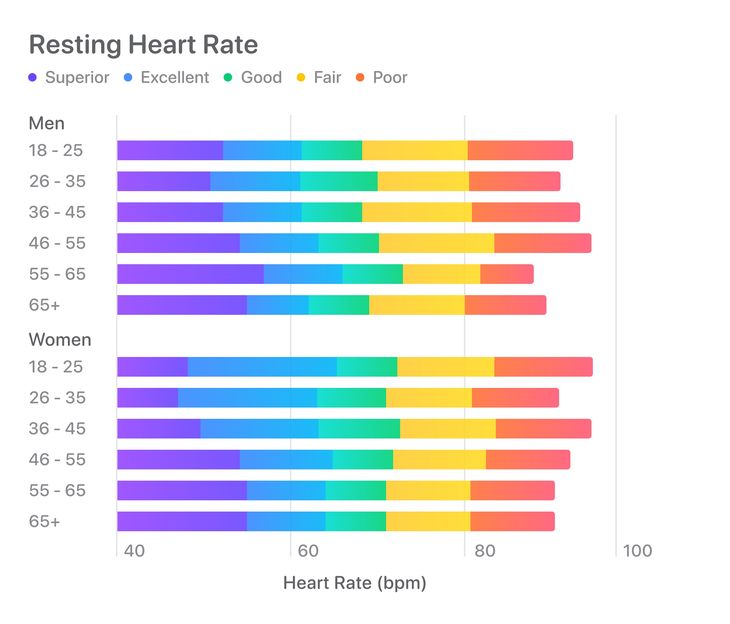
A resting heart rate of 60 beats per minute represents a highly efficient state of cardiovascular function for most adults.
To understand why this is true, we must look at the physiological definition of a resting pulse, which measures the minimum number of times your heart beats per minute when your body is completely at ease.
According to the American Heart Association, the standard range for adults is 60 to 100 beats per minute, which positions a resting heart rate of 60 right at the optimal lower threshold.
This specific rate applies directly to individuals who are physically active, well-rested, or naturally possess high vagal tone.
In fact, highly trained individuals often experience athlete heart rates that dip well below this mark, sometimes reaching into the 40s or 50s.
For sedentary individuals, achieving a resting heart rate 60 bpm is also an excellent indicator of low systemic stress and healthy myocardial tissue.
This metric matters most when measured consistently during your body’s longest periods of inactivity, particularly during the middle of your overnight sleep cycle.
Measuring this metric during active hours, such as when you are standing or working, can lead to inaccurate baseline assessments because physical movement and emotional demands temporarily elevate your pulse.
Your resting pulse is regulated within the sinoatrial node, which is the heart’s natural pacemaker located in the upper wall of the right atrium.
Wearable devices measure this activity by detecting the volume of blood passing through the microvascular bed of your skin tissue.
This process, known as photoplethysmography, translates light absorption fluctuations into an accurate estimation of your daily resting pulse.
A resting rate of 60 bpm occurs because your parasympathetic nervous system exerts a healthy, calming influence over your heart muscle.
This biological state means your heart does not have to work excessively hard to deliver oxygen-rich blood to your vital organs and skeletal tissues.
When your stroke volume is high, your left ventricle pumps a larger amount of blood with each contraction, allowing the heart to beat less frequently while still meeting your body’s metabolic needs.
In terms of quantitative thresholds, a resting pulse of 60 bpm sits comfortably below the average human resting heart rate, which typically ranges from 70 to 80 beats per minute for the general population.
While many adults find that their average rhr sits slightly higher, a value of 60 indicates superior aerobic capacity and efficient systemic recovery.
To put this in perspective, some individuals might wonder is 73 a good resting heart rate, and while 73 is perfectly normal and healthy, a rate of 60 represents a more optimized cardiovascular reserve.
Conversely, when an individual’s heart rate is 90 at rest, the heart must beat 43,200 more times per day than a heart beating at 60 bpm, creating significantly more wear and tear on the arterial walls.
If you are wondering is a resting heart rate of 100 bad, clinical guidelines state that consistently hovering at or above 100 bpm is classified as tachycardia and warrants immediate medical consultation.
Understanding these distinct ranges is essential for accurately assessing your physical readiness scores and daily recovery patterns.
If you want to track this in real time, the Herz P1 Smart Ring monitors your heart rate, sleep metrics, and physical readiness 24/7 — explore it here.
Defining the Boundaries of Cardiac Efficiency
The rhythmic contraction of your heart is an intricate bio-electrical process that sustains human life.
Each beat is initiated by an electrical depolarization wave that sweeps across the myocardial tissue, causing the chambers to contract and relax in perfect synchrony.
A resting rate of exactly 60 beats per minute indicates that this cycle is executing with optimal efficiency, ensuring that the heart has ample time to rest between beats.
During this brief resting interval, known as diastole, the coronary arteries receive the majority of their blood flow, which nourishes the heart muscle itself.
If the heart beats too rapidly, this relaxation window is cut short, potentially reducing the oxygen supply to the cardiac tissues over time.
By maintaining a baseline of 60 bpm, your cardiovascular system establishes a healthy equilibrium that minimizes structural wear and tear.
This resting baseline is highly responsive to changes in physical fitness, emotional stress, hydration, and sleep quality.
Monitoring this metric daily allows you to detect subtle shifts in your systemic health before physical symptoms manifest.
Many clinicians view a stable, low-normal resting pulse as a primary marker of overall longevity and physical durability.
Demographics and Variabilities: Who Fits into the 60 BPM Baseline?
While a resting heart rate of 60 is widely considered excellent, its clinical significance can vary depending on your age, sex, and activity level.
For dedicated endurance athletes, a baseline of 60 bpm might actually represent an elevated state, as highly conditioned hearts often rest in the 40s or 50s.
For sedentary adults, however, reaching 60 bpm is a strong indicator of low cardiovascular risk and excellent autonomic nervous system balance.
Women typically exhibit slightly higher resting heart rates than men due to smaller average heart sizes and hormonal variations throughout the menstrual cycle.
Therefore, a resting pulse of 60 in an adult female is exceptionally strong, reflecting a highly efficient stroke volume and robust parasympathetic tone.
As we age, our maximum heart rate decreases, but our resting baseline should ideally remain stable if we maintain a consistent lifestyle.
Younger adults and children often have higher resting pulses because their smaller bodies require more rapid blood circulation to distribute nutrients.
By comparing your personal metrics against standardized age-adjusted ranges, you can better understand where your cardiovascular health stands.
Regardless of your demographic profile, tracking your individual trends over time is far more valuable than comparing yourself to general population averages.
The Physiological Mechanisms of a Resting Heart Rate of 60 BPM
The human heart is a highly adaptable organ that responds dynamically to the opposing forces of the autonomic nervous system.
The autonomic nervous system is divided into two primary branches: the sympathetic nervous system, which drives your fight-or-flight response, and the parasympathetic nervous system, which governs your rest-and-digest functions.
A resting pulse of 60 beats per minute indicates a strong parasympathetic dominance, often referred to as high vagal tone.
The vagus nerve serves as the primary pathway for parasympathetic signals traveling from the brainstem directly to the sinoatrial node of the heart.
When the vagus nerve releases acetylcholine, it slows down the electrical impulses within the heart, resulting in a calm, efficient rhythm.
This low rate allows the heart muscle to spend more time in diastole, which is the relaxation phase of the cardiac cycle when the ventricles fill with blood.
A longer diastolic phase improves coronary artery perfusion, ensuring that the heart muscle itself receives an optimal supply of oxygenated blood.
Furthermore, an efficient heart exhibits a high stroke volume, meaning it expels a larger amount of blood with every single compression.
If your heart muscle is strong and your blood vessels are elastic, your body can maintain a perfect normal heart rate sitting of 60 bpm without compromising systemic blood pressure.
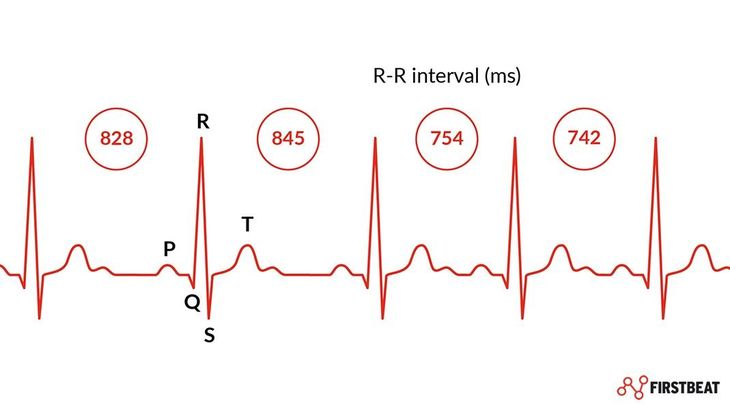
This physiological efficiency directly influences your Heart Rate Variability, which is the variation in the time interval between consecutive heartbeats.
A resting pulse of 60 bpm is frequently paired with a high heart rate variability, signaling a highly resilient autonomic nervous system capable of adapting swiftly to stress.
If you are actively focused on reducing resting heart rate metrics to this optimal zone, engaging in consistent aerobic exercise is the most effective approach.
Aerobic training stimulates physiological cardiac remodeling, where the left ventricle chamber slightly expands and its muscular walls strengthen.
This positive adaptation allows the heart to pump more blood per beat, ultimately lowering the total workload of your cardiovascular system over your entire lifetime.
Continuous tracking with the Herz P1 Smart Ring allows you to monitor these gradual, healthy changes in your cardiovascular efficiency over weeks and months.
Myocardial Stroke Volume and Cardiac Output Dynamics
To fully grasp the mechanics of a heart rate of 60, we must examine the mathematical relationship that defines cardiovascular performance.
Cardiac output, which is the total volume of blood your heart pumps per minute, is calculated by multiplying your stroke volume by your heart rate.
If your heart rate is low, your stroke volume must be high enough to maintain a stable, healthy flow of oxygenated blood throughout your body.
A high stroke volume indicates that your left ventricle is pumping blood efficiently, without needing to contract rapidly to compensate for poor muscular strength.
This muscular efficiency is a hallmark of physical fitness, often seen in individuals who engage in regular aerobic conditioning.
When your heart is strong, each beat delivers more oxygen-rich blood, allowing the heart muscle to rest more frequently between contractions.
This reduced mechanical strain lowers the resting tension on your arterial walls, helping to prevent chronic vascular stiffening.
By tracking your heart rate over time, you can monitor how your heart adapts to lifestyle changes and physical conditioning.
A consistent resting rate of 60 bpm is a clear sign that your myocardial tissue is operating within its most efficient thermodynamic zone.
Autonomic Balance: The Play Between Sympathetic and Parasympathetic Systems
Your heart rate is never a static number, but rather a dynamic indicator of your body’s internal stress levels.
The sympathetic nervous system accelerates your pulse by releasing hormones like norepinephrine, preparing your muscles for immediate physical action.
Conversely, the parasympathetic nervous system acts as a natural brake, slowing your pulse to promote digestion, cellular repair, and recovery.
A resting pulse of 60 bpm represents a state of optimal autonomic balance, where the parasympathetic system gently dominates your resting state.
This delicate balance is reflected in your heart rate variability, which measures the subtle fluctuations in the millisecond intervals between your heartbeats.
When you are relaxed, these intervals vary significantly, producing a high variability score that indicates a healthy, flexible autonomic system.
If you are chronically stressed, these intervals become rigid and uniform, resulting in a low variability score even if your resting pulse appears normal.
Tracking these subtle autonomic shifts requires sensitive sensors that can capture real-time biometrics without disrupting your daily life.
By analyzing these trends, you can gain deep insights into how your body responds to work stress, exercise load, and sleep quality.
Deciphering the Relationship Between Your Resting Heart Rate and Sleep Stages
Your sleeping heart rate acts as a direct window into your physiological recovery and overall sleep architecture.
During a healthy night of rest, your heart rate should experience a natural drop of 10% to 20% compared to your daytime resting baseline.
This phenomenon, known as nocturnal cardiovascular dipping, is a vital component of the body’s natural restorative processes.
If your average daytime resting pulse is 60 bpm, your heart rate during deep slow-wave sleep may safely dip into the high 40s or low 50s.
This drop occurs because the body enters a state of profound physical relaxation, where muscle activity ceases and metabolic demands reach their lowest point.
During deep sleep, the anterior pituitary gland releases growth hormone, which facilitates tissue repair, muscle growth, and cellular regeneration.
If your resting pulse fails to dip during the night, it may indicate elevated cortisol levels, late-night alcohol consumption, or impending illness.
As you transition into Rapid Eye Movement sleep, your autonomic nervous system becomes more active and unpredictable.
During REM sleep, which is the stage responsible for vivid dreaming and emotional memory consolidation, your heart rate and blood pressure can fluctuate rapidly.
Despite these fluctuations, a healthy baseline rate of 60 bpm ensures that your cardiovascular system remains resilient throughout these dynamic transitions.
By examining a comprehensive resting bpm chart, you can see how your nocturnal dipping patterns compare to clinical standards for your age and demographic.
Analyzing these subtle variations requires high-frequency sampling that most consumer wrist trackers fail to provide because they only measure heart rate periodically.
The Herz P1 Smart Ring utilizes advanced multispectral photoplethysmography sensors to capture your heart rate and blood oxygen levels every few minutes throughout the night.
This continuous monitoring ensures that you receive an accurate, uninterrupted map of your sleep stages, helping you identify sleep fragmentation and recovery deficits.
Nocturnal Cardiovascular Dipping and Growth Hormone Release
The physiological transition into deep sleep triggers a cascade of chemical changes designed to rebuild your body at a cellular level.
As your brainwaves slow down into delta waves, your heart rate and blood pressure reach their lowest points of the 24-hour cycle.
This overnight dip is critical because it gives your cardiac muscles a much-needed break from the constant demands of daytime activity.
If your sleep is interrupted by noise, stress, or sleep apnea, your body will release adrenaline, preventing this natural dip from occurring.
A lack of nocturnal dipping is associated with an increased risk of hypertension, arterial stiffness, and chronic cardiovascular strain.
By tracking your heart rate overnight, you can confirm whether your body is successfully entering this deeply restorative cardiovascular state.
During these deep sleep cycles, your body also prioritizes physical repairs, rebuilding muscle fibers and strengthening your immune system.
Ensuring that your heart rate drops consistently every night is one of the most effective ways to support long-term physical recovery.
A comfortable, lightweight smart ring provides the ideal, distraction-free way to monitor these vital overnight trends without disrupting your sleep.
REM Sleep Variability and Autonomic Storms
Unlike the calm, predictable rhythm of deep sleep, Rapid Eye Movement sleep introduces a highly active state known as autonomic storms.
During REM sleep, your brain is highly active, processing emotions, consolidating memories, and organizing cognitive data from the previous day.
This intense mental activity causes your sympathetic and parasympathetic systems to trade control rapidly, leading to sudden heart rate spikes.
These natural fluctuations are completely normal and indicate that your brain is successfully navigating the complexities of cognitive recovery.
However, if your baseline heart rate is already elevated, these REM-induced spikes can put additional stress on your cardiovascular system.
By maintaining a healthy baseline resting heart rate of 60 bpm, you ensure that these temporary spikes remain within a safe, comfortable range.
Tracking these fluctuations requires continuous, high-resolution optical sensors that can capture fast-changing biometric data in real time.
This detailed level of sleep staging analysis helps you understand the balance between your physical and cognitive recovery each night.
Using a dedicated smart ring allows you to collect this complex data seamlessly, transforming raw numbers into clear, actionable recovery insights.
Practical Application Guide & Lifestyle Tips to Maintain Cardiac Health
Monitoring your resting heart rate is only the first step; the true value lies in translating these digital insights into daily health habits.
When you open the companion app of your Herz P1 Smart Ring, you are greeted with a physical readiness score that synthesizes multiple biometric inputs.
This holistic score combines your overnight resting pulse, heart rate variability, previous day’s activity, and sleep quality into a single, intuitive number.
If your readiness score is high, it indicates that your cardiovascular system has fully recovered and is prepared for intense cognitive or physical challenges.
If your readiness score is low, it suggests that your autonomic nervous system is under stress, signaling that you should prioritize active recovery and rest.
To help you interpret these daily fluctuations, our clinical advisory team has compiled a straightforward reference guide for rest heart rate ranges.
| Heart Rate Range (BPM) | Physiological Interpretation | Actionable Wellness Step |
|---|---|---|
| Below 50 BPM | High athletic conditioning or athletic bradycardia; common in endurance runners. | Confirm absence of fatigue or lightheadedness; maintain your current training schedule. |
| 50 to 69 BPM | Optimal cardiovascular efficiency and strong parasympathetic tone. | Continue regular aerobic exercise, proper hydration, and consistent sleep schedules. |
| 70 to 89 BPM | Moderate cardiovascular strain; average physical fitness levels. | Incorporate structured zone-2 cardio training twice a week to improve lung volume. |
| 90+ BPM | Elevated heart rate; may indicate chronic fatigue, systemic stress, or dehydration. | Assess daily stress levels, limit caffeine and alcohol, and consult a physician if persistent. |
If you discover that your resting pulse consistently sits in the moderate or elevated ranges, there are several clinically validated ways to optimize it.
First, prioritize consistent aerobic exercise, focusing specifically on low-intensity, long-duration workouts often referred to as Zone 2 cardio.
Zone 2 training stimulates cellular mitochondrial biogenesis, which enhances your body’s oxygen utilization and lowers your heart’s pumping burden.
Second, optimize your hydration status by consuming an adequate volume of water and balanced electrolytes throughout the day.
Dehydration decreases your total blood volume, forcing your heart to beat faster to maintain systemic blood pressure and oxygen delivery.
Third, implement structured breathwork or meditation exercises to actively stimulate your vagus nerve during high-stress moments.
Taking slow, controlled diaphragmatic breaths at a rate of six breaths per minute instantly shifts your autonomic nervous system toward parasympathetic recovery.
Finally, practice strict sleep hygiene by avoiding heavy meals, intense exercise, and blue light exposure for at least two hours before bedtime.
By tracking these lifestyle adjustments on your Herz P1 dashboard, you will observe a steady, motivating decline in your resting pulse over time.
How to Read the Herz P1 Readiness Dashboard
The Herz P1 companion app translates complex physiological metrics into a simple, daily readiness score designed to guide your recovery.
This score is calculated each morning by analyzing your overnight heart rate, respiratory rate, blood oxygen levels, and skin temperature variations.
By viewing these parameters as a unified dashboard, you can quickly determine how your body is responding to external life stressors.
A stable resting heart rate of 60 bpm, combined with a high heart rate variability, will consistently yield an optimal readiness score.
If you notice your heart rate rising while your HRV drops, the app will gently advise you to scale back your physical exertion for the day.
This proactive feedback helps you avoid overtraining, reduce injury risk, and optimize your weekly workout schedules with clinical precision.
Accessing these comprehensive insights requires no ongoing fees, giving you a lifetime of high-level wellness tracking at no extra cost.
Structured Protocols for Improving Your Resting Pulse Naturally
Lowering your resting pulse is a gradual process that relies on consistent, healthy daily habits and proper physical recovery.
To achieve this goal, structure your weekly physical activity to include at least 150 minutes of moderate aerobic conditioning.
Activities like cycling, swimming, or brisk walking are excellent for expanding your left ventricle volume and boosting cardiovascular efficiency.
In addition to exercise, managing your daily stress through mindfulness techniques has a profound impact on lowering your baseline heart rate.
Spending just ten minutes practicing slow, deep breathing exercises can instantly lower your immediate heart rate and boost your vagal tone.
Maintaining a regular sleep schedule also helps align your circadian rhythms, allowing your heart to recover efficiently during the night.
By implementing these structured protocols, you can steadily transition your resting cardiovascular state into its most optimal, healthy zone.
Conclusion
A resting heart rate of 60 indicates excellent cardiovascular health.
Track your trends effortlessly with the subscription-free Herz P1 Smart Ring.
Ready to monitor your health daily? Explore the Herz P1 Smart Ring.
Call: **1-866-479-1629** — our team can advise on the correct ring size and help set personalized health goals.
Note: Individual results may vary depending on individual health conditions, age, and lifestyle habits. This article is intended for general health reference purposes only.
