

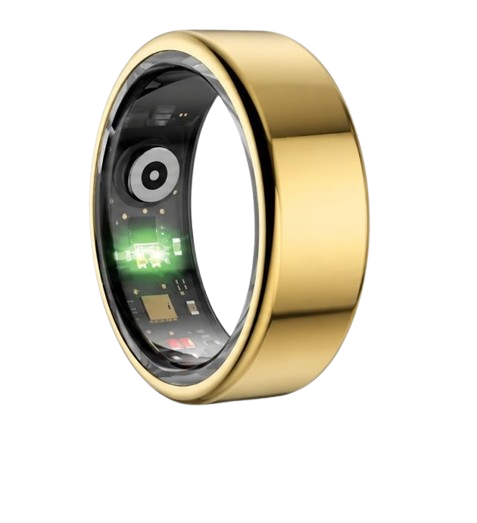
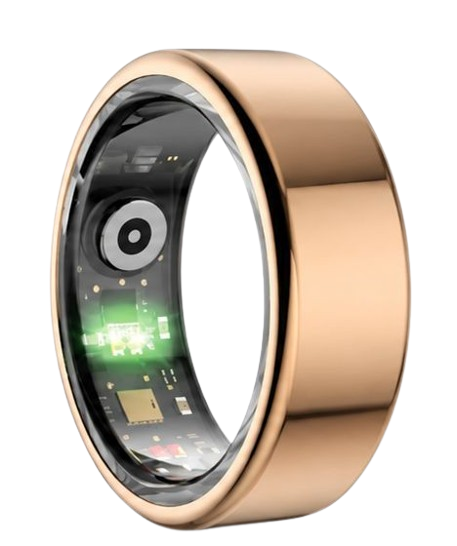
To optimize your daily physical recovery and cognitive performance, you must understand how to measure breathing rate accurately at rest, as this physiological metric acts as a direct window into your nervous system health. The Herz P1 smart ring monitors this vital signal continuously around the clock with zero monthly fees, medical-grade sensor accuracy, and a durable military-grade steel construction designed to fit seamlessly into your active lifestyle.
Built to Last. Save Up to 69% Today.
The Herz P1 Smart Ring tracks HRV, Sleep, Heart Rate & SpO2 around the clock. No subscriptions. No renewals. Ever.
In This Article
- Step-by-Step Practical Breathing Guide: Master manual respiration tracking protocols seamlessly.
- The Science of PPG Sensing & RSA: Discover how optical ring sensors isolate breathing frequencies.
- Sleeping Breathing Rate & Cardiac Health: Uncover critical warnings linked to nocturnal respiration dips.
- Lifestyle Breathing Optimization: Harness actionable exercises to control nighttime overthinking and restore deep sleep.
- Mitigating Wearable Limitations: Learn how to maintain high precision without monthly app fees.
How to Measure Your Breathing Rate Accurately at Rest: A Step-by-Step Guide
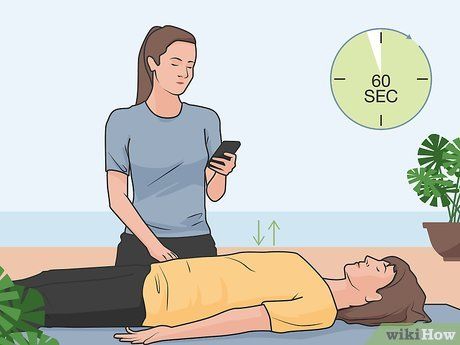
To establish a reliable baseline of your respiratory health, you must gather some simple timing equipment and sit in a peaceful, quiet space.
You will need a stopwatch, a comfortable chair, and five minutes of uninterrupted resting time to perform this manual measurement process accurately.
-
Step 1: Sit or Lie Down in a Completely Quiet Environment
Before you begin tracking your resting respiratory rate, you must ensure your body is in a state of complete physical and mental stillness.
Any physical exertion, even walking across a room, can temporarily elevate your heart rate and accelerate your breaths per minute.
Sit comfortably in a supportive chair with your back straight or lie flat on a comfortable bed.
Keep your feet flat on the floor and avoid crossing your legs to prevent any slight restriction of blood flow.
Remain in this peaceful posture for at least five minutes without looking at your smartphone or engaging in stimulating thoughts.
This resting buffer period allows your autonomic nervous system to transition into its parasympathetic, resting state.
External noises or thermal discomfort can trigger a micro-arousal response that skews your baseline physiological measurements.
Therefore, choosing a quiet room with a stable, comfortable temperature is essential for diagnostic accuracy.
By stabilizing these environmental variables, you ensure your physiological measurements represent true resting homeostasis.
-
Step 2: Place Your Hand Gently on Your Abdomen or Upper Chest
An essential aspect of how do you measure breathing rate accurately is establishing a clear physical feedback mechanism.
Place your dominant hand flat against your abdomen, just above your navel, or rest it gently on the center of your chest.
This manual positioning allows you to feel the physical rise and fall of your thoracic cavity as you breathe.
Diaphragmatic breathing will cause your abdomen to expand outward during inhalation and contract during exhalation.
If you observe your chest rising instead of your abdomen, you are likely engaging in shallow, upper-chest breathing.
Shallow breathing can artificially alter the breathing rate and distort your resting baseline values.
Ensure your arm is fully relaxed and supported by a pillow or the surface of the bed to prevent muscular fatigue.
This physical contact transforms an invisible internal process into a tangible, easy-to-track movement.
-
Step 3: Set a Timer and Initiate Your Respiratory Rate Counting
To complete a precise respiratory rate counting session, you must use a reliable timing device.
Position a clock with a second hand or set a digital stopwatch on your phone within your direct line of sight.
A standard measuring window requires exactly sixty seconds to capture a true resting respiratory rate.
Some clinical guidelines suggest counting for thirty seconds and multiplying by two to save time.
However, counting for a full minute is far superior because it accounts for natural variations in breathing patterns.
Avoid looking at the timer continuously, as this can induce a mild performance anxiety that alters your respiration.
Instead, wait for the second hand to reach the twelve o’clock position before you begin counting.
Keep your focus on your hand rising and falling rather than watching every passing second on the clock.
-
Step 4: Calculate Respiratory Rate by Counting Full Breath Cycles
To calculate respiratory rate properly, you must count only complete respiratory cycles.
One complete breath consists of one inhalation followed by one full exhalation.
A common error is counting the inhalation and exhalation as two separate breaths, which doubles your actual score.
To avoid this, count “one” at the peak of your first abdominal rise, “two” at the peak of the second, and so on.
If you experience a sudden cough, a yawn, or a sigh during the timing window, reset the timer and start over.
These sudden involuntary respiratory events are natural but will skew your resting baseline calculation.
By maintaining a strict definition of a complete breath cycle, you ensure your data remains clean and medically useful.
-
Step 5: Record Your Biometric Data and Establish a Personal Baseline
Once the sixty-second timer expires, note down the exact number of breaths on a piece of paper or in a digital health log.
This single data point represents your resting respiratory rate in breaths per minute.
To establish an accurate baseline, you should repeat this measurement process at the same time every day for a week.
The optimal time to calculate respiratory rate manually is immediately after waking up while still lying in bed.
Tracking this metric over several consecutive days helps you identify what is normal for your unique physiology.
A normal resting respiratory rate for healthy adults typically ranges from twelve to twenty breaths per minute.
Any persistent deviation from your established baseline can serve as an early warning sign of physiological stress or illness.
-
Step 6: Eliminate Conscious Breathing Bias Through Passive Monitoring
The biggest challenge when you attempt to calculate respiratory rate manually is the Hawthorne effect.
As soon as you become consciously aware of your breathing, your brain automatically alters its depth and frequency.
This cognitive interference makes it nearly impossible to measure your true resting breathing rate while awake.
To bypass this bias, clinicians often count a patient’s breaths while pretending to check their pulse.
In a home setting, the most effective way to eliminate this bias is through continuous, passive wearable technology.
Passive tracking devices monitor your breathing throughout the night when your conscious brain is completely offline.
This automated approach provides highly reliable data that reflects your genuine, undisturbed resting state.
This is where the Herz P1 smart ring offers an extraordinary clinical advantage over manual tracking methods.
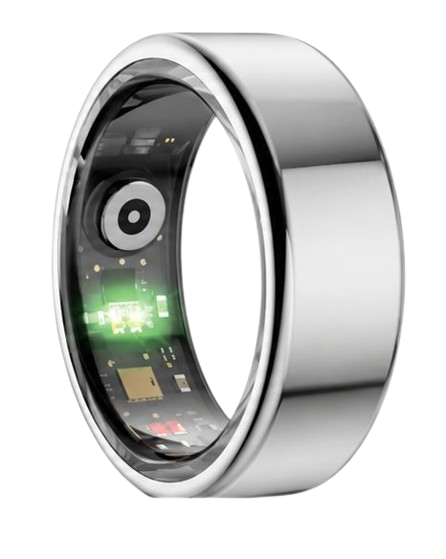
Equipped with advanced multi-wavelength optical sensors, the Herz P1 quietly tracks your respiration metrics throughout the night.
It completely removes human error and conscious cognitive bias from the measurement process.
The companion app compiles your resting data into highly visual, easy-to-read trend lines.
You no longer have to worry about manually setting stopwatches, placing hands on your chest, or writing down numbers.
Instead, you can simply wear the sleek, military-grade steel ring to bed and wake up to a complete medical-grade analysis of your night.
The Physiology of Respiratory Sinus Arrhythmia: How Is Respiration Rate Measured via Optical Sensors?

To understand how is respiration rate measured by state-of-the-art wearables, you must dive into optical sensor technology.
Smart rings like the Herz P1 do not measure chest expansion directly like a clinical respiratory strap.
Instead, they utilize Photoplethysmography, which is commonly abbreviated as PPG sensor technology.
A PPG sensor shines light of specific wavelengths, such as infrared and green light, directly through the skin of your finger.
This light penetrates the superficial capillary bed, where it is absorbed by oxygenated and deoxygenated hemoglobin.
The sensor captures the fraction of light that is reflected back to determine the volume of blood passing through the vessels.
Every time your heart beats, a pulse wave travels through your arteries, causing a temporary expansion of blood volume.
This rhythmic pulse wave is visible on a PPG waveform as a series of peaks and valleys.
However, your breathing also modulates this waveform in three distinct, predictable ways.
First, as you breathe in, the pressure inside your chest cavity decreases, which draws blood back toward your heart.
This pressure change slightly modulates the amplitude of the pulse wave, a phenomenon known as pulse amplitude modulation.
Second, your respiratory cycle changes the baseline blood volume in your finger, which shifts the baseline of the PPG wave.
Third, and most importantly, your autonomic nervous system adjusts your heart rate in response to your breath.
This neurological phenomenon is called Respiratory Sinus Arrhythmia, or RSA.
When you inhale, your vagus nerve activity is temporarily suppressed, which causes your heart rate to accelerate.
When you exhale, the vagus nerve re-engages, which slows your heart rate down and promotes recovery.
By measuring these rapid, subtle changes in heart rate variability, the Herz P1 can extract your exact respiration rate.
This autonomic feedback loop is closely linked to your cardiorespiratory fitness and overall neurological balance.
Using this data, you can actively practice vagal toning to strengthen your parasympathetic nervous system over time.
This intricate extraction process allows the Herz P1 to track your breathing with a margin of error under two percent.
Analyzing Sleep Quality: What Your Sleeping Breathing Rate Says About Cardiac Health
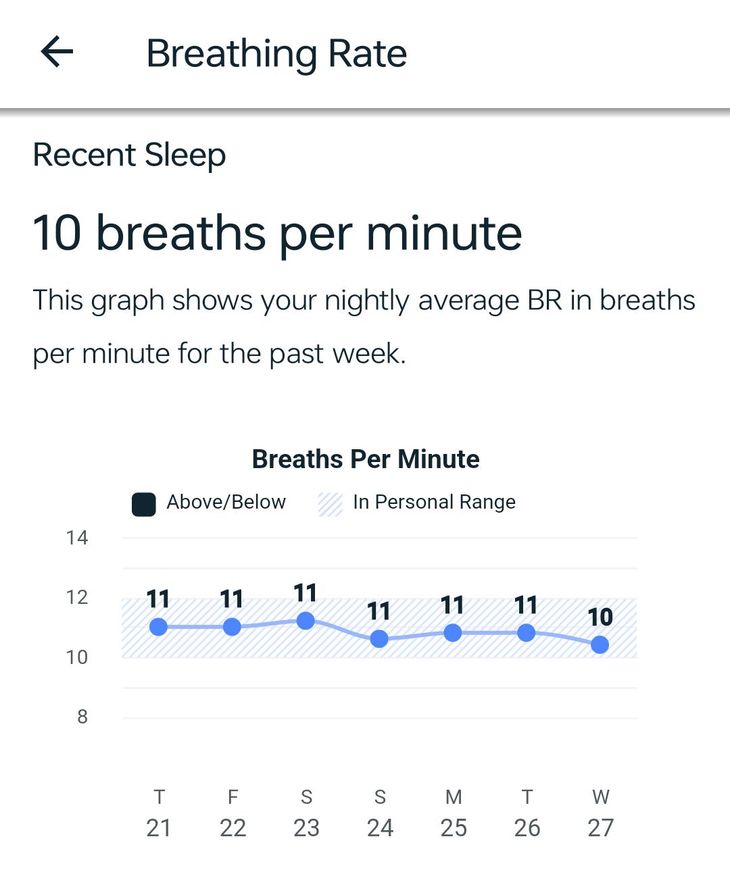
Analyzing your breathing rate while sleeping is one of the most effective ways to identify underlying health complications early.
During the night, your body is free from the cognitive demands and stressors of your waking life.
This makes sleep the perfect physiological laboratory to observe your true, undisturbed resting respiratory state.
A healthy adult should maintain a highly stable, consistent breathing rate throughout the night.
The American Heart Association notes that a sudden spike in nocturnal respiration can indicate cardiovascular strain.
Similarly, the National Sleep Foundation emphasizes that subtle changes in sleep architecture are directly reflected in your breathing.
If your average breathing rate increases by even two or three breaths per minute, your body may be fighting an infection.
A high respiratory rate often precedes the physical symptoms of a fever, flu, or viral illness by up to twenty-four hours.
Furthermore, chronic elevations in your sleeping respiratory rate can point toward mild sleep apnea or airway resistance.
When your airway partially collapses, your body must work harder to draw oxygen, which increases your breaths per minute.
This respiratory struggle triggers micro-arousals that pull you out of deep sleep and REM cycles.
As a result, you wake up feeling completely exhausted, even if you slept for a full eight hours.
The Herz P1 continuously tracks these nightly trends, warning you of any deviations from your established personal baseline.
By detecting these subtle cardiovascular stressors early, you can take proactive steps to adjust your recovery routine.
Rather than guessing about your sleep quality, you receive hard biometric evidence that guides your daily decisions.
Optimizing Your Autonomic System: Daily Lifestyle Protocols and Conscious Respiration
Once you know how to track your respiration, you can use targeted lifestyle interventions to optimize your metrics.
If your Herz P1 app reveals elevated daytime stress or poor sleep scores, conscious breathing is your fastest remedy.
By slowing your breath, you signal your brain to transition from a sympathetic state to a parasympathetic state.
One highly effective clinical breathing protocol is the physiological sigh.
This technique involves taking two quick inhalations through your nose, followed by a long, slow exhalation through your mouth.
Doing this simple exercise just three times can instantly lower your heart rate and reduce physical anxiety.
To prepare your mind for a restorative night, you can perform structured breathing exercises for sleep before bed.
These exercises help slow your racing thoughts, lowering your physiological arousal level in preparation for deep sleep.
Incorporating other restorative habits can compound these benefits and dramatically improve your overnight recovery.
Engaging in quiet, relaxing calming activities for sleep, like reading or stretching, is highly recommended.
If you find yourself lying awake in bed, learning how to stop overthinking at night is crucial for mental peace.
To support this transition, you can practice peaceful, unguided sessions of mindfulness in a dark, quiet room.
Taking a relaxing, warm bath can also prepare your body by dropping your core temperature afterward.
You can read about how a warm bath for sleep works to induce drowsiness and deepen slow-wave sleep.
When you combine these behavioral protocols with consistent wearable tracking, you can witness your body transform in real-time.
The Herz P1 companion app will show your resting respiratory rate drop as your body adapts to these healthy habits.
Avoiding Common Pitfalls in Calculating Respiratory Rate and Wearable Accuracy
While tracking your resting respiratory rate is incredibly valuable, several common pitfalls can compromise your data.
The first major mistake is relying on manual counting during moments of intense stress or acute physical exhaustion.
Manual counting requires conscious attention, which naturally disrupts your normal, involuntary breathing mechanics.
The second pitfall involves wearing bulky, uncomfortable smartwatches to sleep to capture overnight biometric data.
Large smartwatches easily shift and lose contact with your wrist when you toss and turn during the night.
This loose contact creates sensor motion artifacts that lead to highly inaccurate or missing respiration data.
Furthermore, many premium smartwatches require a daily charge, forcing you to choose between daytime tracking and sleep monitoring.
The final, and most frustrating, pitfall is the hidden financial cost of modern health-tracking wearables.
Many brands charge ongoing monthly subscription fees to access your sleep stages, HRV trends, and respiration logs.
This means your personal biological data is effectively held hostage behind an expensive paywall every month.
The Herz P1 completely eliminates these tracking errors and financial barriers with its thoughtful design.
Crafted from military-grade steel, the Herz P1 is incredibly lightweight and sits securely at the base of your finger.
This finger placement provides a much stronger, cleaner optical signal than any wrist-based sensor can offer.
With a six-day battery life and zero monthly subscription fees, you enjoy continuous, highly accurate data tracking without interruption.
Frequently Asked Questions About Respiration Tracking and Smart Rings
Here are the answers to the most common questions about tracking your physiological metrics with the Herz P1.
Is the Herz P1 waterproof enough for active daily use and swimming?
Yes, the Herz P1 features a certified IP68 waterproof rating, making it completely impervious to dust, sweat, and water.
You can wear it safely while washing your hands, taking a shower, swimming in a pool, or relaxing in a hot tub.
The hermetically sealed military-grade steel casing protects the delicate optical sensor array at depths of up to 164 feet.
How long does the battery last and how quickly does it charge?
The Herz P1 is engineered with an ultra-efficient battery that lasts up to six days on a single charge.
This allows you to track your heart rate, sleep quality, and breathing metrics continuously without daily charging anxiety.
When the battery runs low, you can charge the ring back to one hundred percent in under one hour using the magnetic USB charger.
Which finger is best to wear the Herz P1 smart ring on?
For the highest physiological tracking accuracy, you should wear the Herz P1 on your index, middle, or ring finger.
The index finger generally has the most robust blood flow, which helps the optical sensors capture the cleanest PPG signal.
Ensure the ring fits snugly but comfortably without rotating loosely or restricting your blood circulation.
Does the Herz P1 store my biometric data offline if my phone is disconnected?
Yes, the Herz P1 features onboard memory that stores up to seven days of local biometric data offline.
You can sleep, exercise, or travel without your smartphone nearby, and your health metrics will remain completely safe.
As soon as you open the companion app, the ring will automatically sync and upload your stored data via Bluetooth.
90-Day 100% Money-Back Guarantee
“The Herz Smart Ring helps me manage stress easily. It’s accurate, stylish, and lightweight—perfect for my busy life!”
— Jennifer P. | ✔ Verified Customer
- ✓ 6-Day Battery Life
- ✓ Detailed Sleep Analysis
- ✓ Fast 1-Hour Charging
- ✓ iOS & Android Ready
Questions? Call: 1-866-479-1629
Conclusion: Your Subscription-Free Health Journey
Monitoring your resting breathing rate is a powerful way to take control of your long-term cardiovascular health and recovery.
Ready to monitor your health every day?
Explore the Herz P1 Smart Ring and see if it fits your lifestyle.
Call: 1-866-479-1629 — our team can help you advise on the correct ring size and set personalized health goals.
Note: Individual results may vary depending on individual health conditions, age, and lifestyle habits. This article is intended for general health reference purposes only.
