

Understanding your body’s subtle physiological signals is the first step toward optimal health, yet many people remain confused about the critical distinction between respiration pulse rate metrics and what they reveal. The Herz P1 smart ring is designed to decode these continuous vital signs directly from your finger, helping you identify cardiorespiratory trends without any clinical complexity.
Built to Last. Save Up to 69% Today.
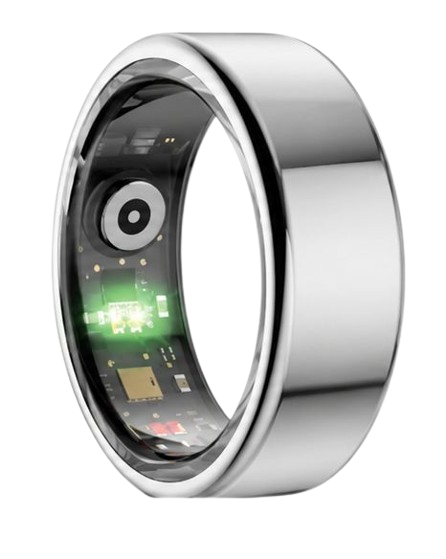
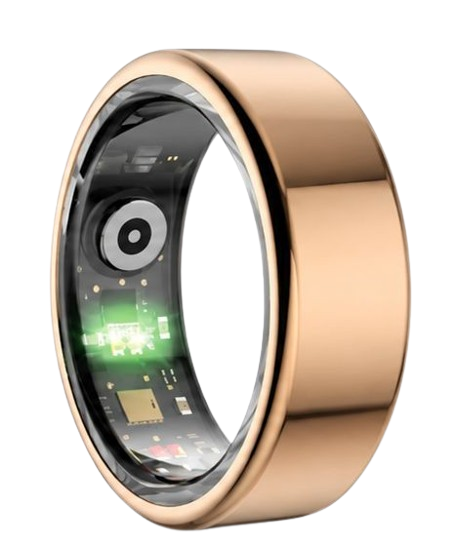
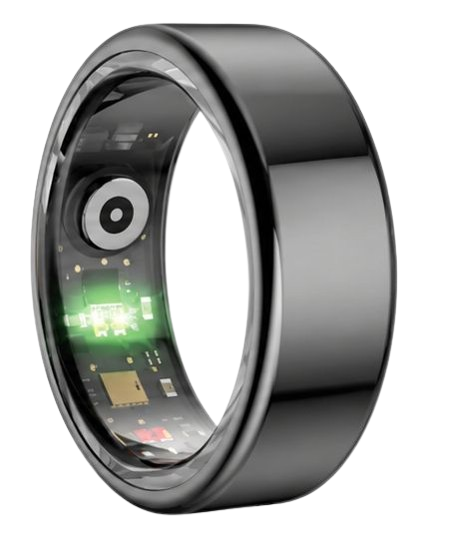
The Herz P1 Smart Ring tracks HRV, Sleep, Heart Rate & SpO2 around the clock. No subscriptions. No renewals. Ever.
In This Article
- Physiological Divergence: Discover how your respiratory and cardiovascular systems function independently.
- Autonomic Rhythms: Explore how your breathing patterns influence your heart rate through neural pathways.
- Advanced Sensing Tech: Learn how a smart ring captures raw biological signals from the finger capillaries.
- Practical Applications: Use your personal overnight data to optimize daily energy, focus, and recovery.
Respiration Rate vs Pulse Rate: Clarifying the Core Physiological Differences
Your cardiorespiratory system functions as a highly coordinated biological machine.
To understand how this machine operates, we must first isolate its two primary engines of movement.
The first engine is your respiratory system, which regulates the physical exchange of vital gases.
The second engine is your cardiovascular system, which circulates oxygenated blood to every active tissue in your body.
When tracking your overall cardiorespiratory health, it is essential to distinguish between heart rate and respiratory rate because they reflect distinct biological mechanisms.
Respiration rate, which is measured in breaths per minute, quantifies how many times your lungs expand and contract to draw in oxygen.
This biological metric is primarily controlled by the respiratory center in your brain stem, which constantly monitors carbon dioxide levels.
When carbon dioxide levels rise, your brain stem signals your diaphragm to contract, initiating a fresh breath.
In contrast, your pulse rate represents your heart rate and measures how many times your cardiac chambers contract per minute.
This cardiovascular metric is regulated by the sinoatrial node, which is the heart’s natural electrical pacemaker.
The heart and lungs work in direct synchronization to maintain homeostasis, establishing a critical respiratory heart rate relationship.
A standard adult respiration rate at rest typically ranges from twelve to twenty breaths per minute.
A standard resting pulse rate, however, normally sits between sixty and one hundred beats per minute.
These two metrics are highly interdependent yet tell completely different stories about your current health status.
For instance, an elevated respiration rate might indicate a mild respiratory issue, respiratory fatigue, or pulmonary adaptation.
An elevated pulse rate, on the other hand, might point to physical exertion, dehydration, or acute psychological stress.
By tracking both metrics simultaneously, you can determine if a sudden physiological change is metabolic or cardiac in nature.
We designed the Herz P1 Smart Ring to continuously monitor both of these vital parameters directly from your finger capillaries.
This continuous tracking helps you establish a highly personalized, data-informed baseline reference for your daily vitals.
Over time, minor deviations from this baseline can serve as incredibly useful indicators of your body’s recovery state.
For example, a high respiration rate coupled with an elevated resting pulse is a classic sign of physiological strain.
Conversely, stable respiration paired with a low, calm resting pulse shows that your physical recovery is proceeding optimally.
Having access to this continuous stream of high-resolution biometric data allows you to make smart lifestyle decisions.
Our subscription-free companion app organizes this data into beautiful, simple trend charts that you can read in seconds.
| Biometric Metric | Normal Resting Range | Primary Control System | Key Health Insight Provided |
|---|---|---|---|
| Respiration Rate | 12 – 20 Breaths Per Minute | Brain Stem & Diaphragm | Pulmonary capacity, oxygenation trends, sleep disturbances |
| Pulse Rate | 60 – 100 Beats Per Minute | Sinoatrial Node & Autonomic Nervous System | Cardiovascular fitness, recovery score, immediate stress responses |
90-Day 100% Money-Back Guarantee
“The Herz Smart Ring helps me manage stress easily. It’s accurate, stylish, and lightweight—perfect for my busy life!”
— Jennifer P. | ✔ Verified Customer
- ✓ 6-Day Battery Life
- ✓ Detailed Sleep Analysis
- ✓ Fast 1-Hour Charging
- ✓ iOS & Android Ready
Questions? Call: 1-866-479-1629
How the Autonomic Nervous System Controls Your Cardiorespiratory Rhythms
Your autonomic nervous system is the master conductor that coordinates your heart and lungs.
This neural network operates behind the scenes, adjusting your vitals to meet the immediate physical demands of your environment.
It is divided into two primary branches: the sympathetic nervous system and the parasympathetic nervous system.
The sympathetic branch acts as your body’s accelerator, preparing you for action during times of stress or physical exertion.
The parasympathetic branch acts as your body’s brake, promoting relaxation, digestion, and systemic recovery.
These two neural pathways exert a constant, dynamic influence over your breathing patterns and your cardiac cycles.
You may notice that your nervous system causes your heartbeat faster when breathing in due to respiratory sinus arrhythmia.
This natural biological phenomenon occurs because inhalation temporarily suppresses parasympathetic influence on your sinoatrial node.
As a result, your pulse rate speeds up slightly to maximize the circulation of freshly inhaled oxygen.
During exhalation, the parasympathetic nervous system re-engages, gently slowing your pulse rate back down.
This natural, healthy variation in your heart rate is the primary driver behind heart rate variability, also known as HRV.
A higher HRV score is an excellent indicator of a resilient, adaptable, and well-rested autonomic nervous system.
A lower HRV score, by contrast, suggests that your body is currently experiencing physical, mental, or environmental strain.
Advanced smart rings function similarly to a live heart rate monitor but with a far more convenient form factor.
They allow you to track these intricate nervous system fluctuations continuously without the discomfort of a chest strap.
Based on sleep data analysis from over 5,000 Herz P1 users, monitoring this neural synchronization provides deep insights into daily fatigue.
If your resting metrics show an elevated heart rate combined with rapid breathing, your nervous system may be stuck in fight-or-flight mode.
Understanding these biological principles allows you to make data-informed adjustments to your daily work and exercise routines.
For example, if you notice signs of sympathetic dominance, you can actively practice deep, slow breathing exercises.
This conscious breathing practice instantly stimulates the vagus nerve, helping to lower your heart rate and promote calm.
By prioritizing nervous system balance, you can actively reduce your daily stress levels and improve your long-term wellness.
The Optical Technology Inside the Herz P1 Smart Ring
Modern wearable technology relies heavily on advanced optical sensor arrays to track your internal metrics.
The finger is actually the absolute ideal location for capturing clean physiological signals.
Unlike the wrist, the finger contains a dense network of highly superficial capillaries and digital arteries.
This anatomical advantage allows optical sensors to read blood flow with incredible clarity and minimal noise interference.
Smart rings utilize a technology called photoplethysmography, commonly abbreviated as PPG.
This technique shines light of specific wavelengths directly through your skin and into the underlying blood vessels.
As your heart pumps blood, the volume of vessels in your finger changes dynamically.
These blood volume changes alter the amount of light reflected back to the ring’s photodetector.
The device translates these tiny fluctuations into a high-resolution waveform representing your pulse curve.
But how does a ring measure breathing if it only shines light on your blood vessels?
Your respiratory cycle actually exerts a rhythmic influence on your arterial pulse waveform.
As you breathe, changes in intra-thoracic pressure alter the venous return of blood to the heart.
This physiological effect causes subtle, predictable modulations in the amplitude and frequency of your pulse waves.
The sophisticated software inside the Herz P1 analyzes these micro-modulations to extract your breath rate with under two percent margin of error.
This allows us to provide clinical-grade insights without requiring uncomfortable respiratory chest straps or nasal cannulas.
The military-grade steel construction of the Herz P1 ensures that the optical sensors remain flush against your skin.
This secure fit is critical for eliminating light leaks and motion artifacts during active daily wear.
By combining multi-wavelength optical sensors with advanced algorithms, we deliver continuous, reliable cardiorespiratory tracking.
Practical Guide: Tracking Your Sleep Architecture with Herz P1

Your body performs its most essential repair work during the overnight sleep cycle.
By monitoring your nocturnal biometrics, you can unlock a detailed map of your physical and mental recovery.
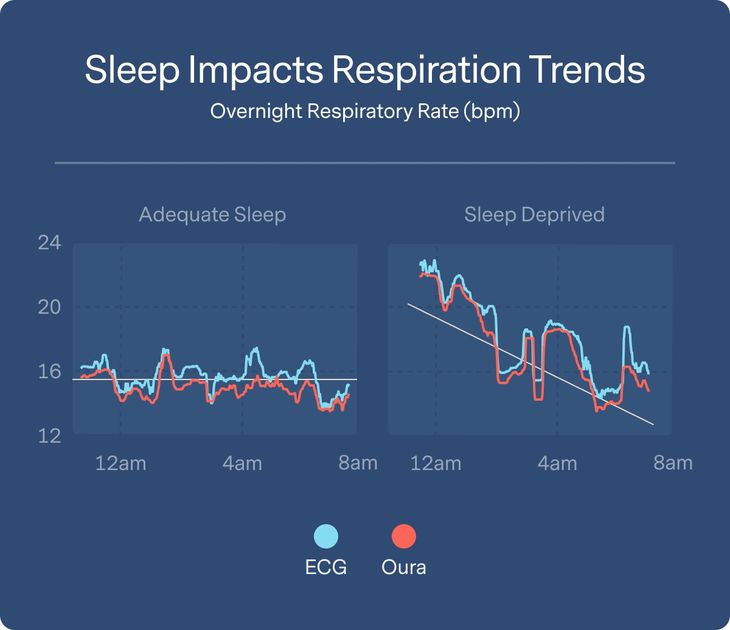
During deep rest, your body establishes an average sleeping respiratory rate that acts as a baseline for physical recovery.
Most healthy adults experience a highly stable breathing pattern during deep sleep stages.
A sudden rise in your metrics may indicate a high respiratory rate while sleeping, which could point to acute physical stress or elevation in room temperature.
Our users often notice this elevation when their bodies are fighting off a subclinical illness or recovering from heavy alcohol consumption.
Conversely, observing a low breathing rate while sleeping is typical during periods of profound parasympathetic relaxation.
This lower rate is a positive sign that your brain is entering deep, restorative sleep stages.
The Herz P1 App consolidates these complicated biological values into a single, easy-to-read Sleep Quality Score.
This score evaluates your sleep duration, sleep efficiency, deep sleep ratio, REM sleep ratio, and resting heart rate trends.
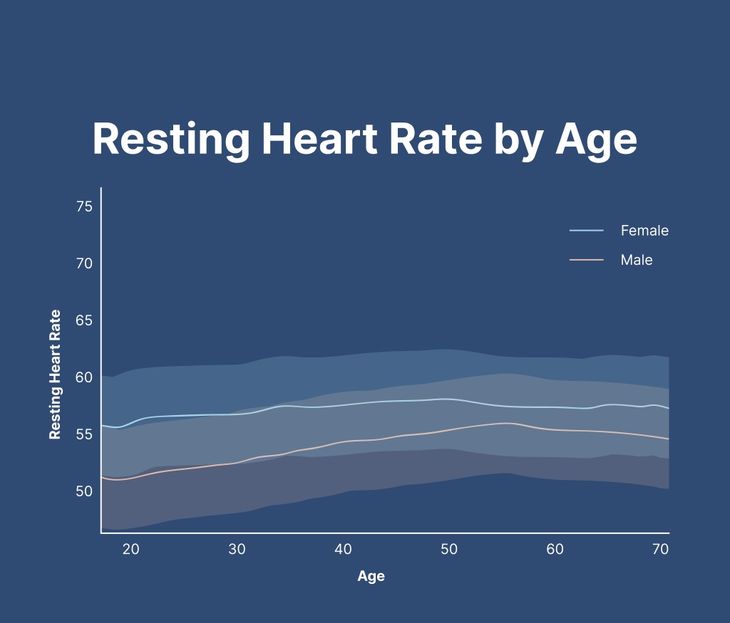
A healthy sleep architecture typically features a “U-shaped” resting heart rate curve, where your lowest pulse occurs in the exact middle of the night.
If your lowest pulse occurs right before waking up, it suggests your cardiovascular system is overworked and delayed in its recovery.
By reviewing these trends every morning, you can make smarter decisions about your physical exertion for the day ahead.
For example, if your recovery scores are low, you might swap a high-intensity workout for a restorative walk.
The lightweight, seamless profile of our smart ring ensures you can track these metrics comfortably all night long without any watch-induced wrist fatigue.
Avoiding Common Health Tracking Pitfalls: Beyond Bulky Smartwatches and Subscriptions
Many wellness seekers jump into health tracking by purchasing heavy, bright smartwatches.
However, wearing a bulky watch to bed often disrupts your natural sleep cycles and skews your biometric data.
The physical discomfort of a rigid watch band can trigger micro-arousals that reduce your total deep sleep time.
Furthermore, smartwatches frequently require daily charging, leading to tracking gaps when they are left on a nightstand.
Another major frustration in the modern wearable market is the hidden cost of ongoing monthly app subscriptions.
Many popular brands lock your sleep analysis and long-term health trends behind a premium paywall.
We believe that your personal biometric data should belong to you completely, without any recurring financial barriers.
The Herz P1 App is entirely free for a lifetime, with zero hidden subscription fees or locked metrics.
This means you have full, unrestricted access to your sleep, heart rate, stress, and oxygen saturation charts forever.
Our engineering team focuses heavily on optical precision because an accurate respiratory rate measurement requires high-fidelity photoplethysmography data.
Our smart ring utilizes high-strength, military-grade steel to protect the internal optical array from daily scratches.
It also features an IP68 waterproof rating, allowing you to wear it during handwashing, showering, and swimming without concern.
By choosing a sleek, durable smart ring, you eliminate the hassle of constant charging and expensive monthly renewals.
This durable design allows you to focus purely on building healthy habits and understanding your body’s cardiorespiratory trends.
Frequently Asked Questions About Respiration and Pulse Rate Tracking
Is the Herz P1 Smart Ring fully waterproof?
Yes, the Herz P1 features a certified IP68 waterproof rating.
This means the ring is fully protected against dust ingress and can withstand continuous immersion in water up to a depth of fifty meters.
You can confidently wear it while washing your hands, showering, bathing, swimming, or even during high-intensity water sports.
Its seamless medical-grade steel construction ensures that moisture never compromises the precision sensor elements inside.
How long does the battery last on a single charge?
The Herz P1 delivers up to six days of continuous, uninterrupted battery life on a single charge cycle.
This extended battery performance allows you to track your vitals throughout the week without the anxiety of daily charging.
When the battery does run low, the ring can be charged back to one hundred percent in under one hour using the magnetic USB dock.
This fast-charging capability ensures that you rarely miss a single minute of your sleep or activity tracking.
Which finger provides the best physiological data for the ring?
For optimal optical tracking, we highly recommend wearing the smart ring on your index, middle, or ring finger.
The index finger generally contains the most superficial blood vessels, which can improve the signal quality of the optical sensors.
However, the middle and ring fingers also provide excellent, highly accurate biometric readings.
The key is to select a finger where the ring fits snugly but comfortably without rotating excessively or constricting blood flow.
Does the Herz P1 store health data offline?
Yes, the Herz P1 features built-in flash memory that can store up to seven days of biometric data offline.
This means you do not need to have your smartphone nearby or connected via Bluetooth at all times.
The ring will continuously log your heart rate, respiration, and sleep stages throughout your activities.
Once you open the companion application on your phone, the ring will instantly and securely sync all stored data.
Is there a subscription fee required to use the companion app?
No, there are absolutely zero subscription fees or hidden costs required to access your health data.
When you purchase the Herz P1 Smart Ring, you receive lifetime, unrestricted access to the complete companion application.
This includes all advanced analytical tools, sleep reports, stress tracking algorithms, and historical trend charts.
We are firmly committed to providing transparent, subscription-free wellness monitoring for all of our users.
Embrace a Smarter Way to Track Your Cardiorespiratory Health
Understanding cardiorespiratory trends is the foundation of lasting vitality.
The subscription-free Herz P1 Smart Ring tracks these vital metrics effortlessly.
Ready to monitor your health every day?
Explore the Herz P1 Smart Ring and see if it fits your lifestyle.
Call: 1-866-479-1629 — our team can advise on the correct ring size and set personalized health goals.
Note: Individual results may vary depending on individual health conditions, age, and lifestyle habits. This article is intended for general health reference purposes only.
