

Understanding your unique respiratory heart rate correlations is the first step toward masterfully decoding how daily stress and sleep quality impact your body’s cardiovascular performance. At Team Herz P1, we engineered the medical-grade Herz P1 Smart Ring to track these precise physiological changes seamlessly without any annoying monthly subscription fees. If you frequently wake up feeling exhausted or notice sudden unexplained pulse spikes during stressful work meetings, this comprehensive scientific guide will help you understand your body’s signals and optimize your recovery.
Built to Last. Save Up to 69% Today.
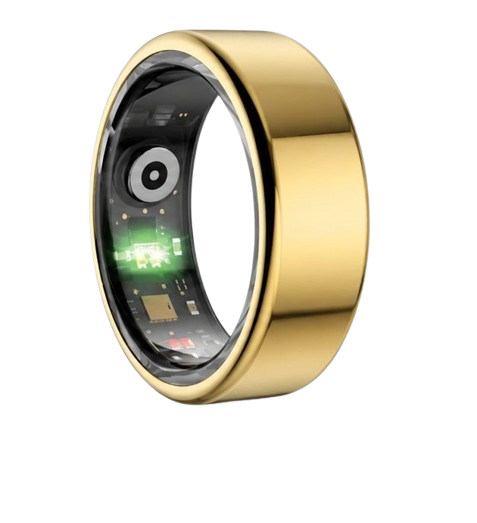
The Herz P1 Smart Ring tracks HRV, Sleep, Heart Rate & SpO2 around the clock. No subscriptions. No renewals. Ever.
In This Article
- How to Optimize Cardiorespiratory Metrics: A step-by-step practical implementation plan.
- The Physiology of Autonomic Breathing: Explaining why your pulse fluctuates with every single breath.
- Deciphering Sleeping Patterns: Real-world implications of average resting respiratory rates.
- Wearable Data Practical Guide: How to utilize the Herz P1 companion application to map health trends.
How to Optimize Your Cardiorespiratory Health: A Step-by-Step Guide
Prerequisites and Baseline Setting
To begin optimizing your cardiorespiratory health, you must first gather consistent baseline data over a period of seven consecutive days.
Make sure you have your biometric wearable fully charged and paired with its companion app before starting your tracking journey.
-
Step 1: Choose the Ideal Finger for Optical Tracking
Position your tracking device on the index or middle finger of your non-dominant hand for maximum signal reception.
Ensure the optical PPG sensors sit securely against the palm side of your finger base where capillary density is highest.
Avoid placing the band too tightly, as compressing local blood vessels can artificially distort your cardiovascular readings.
-
Step 2: Calibrate Your Daytime Baseline Metrics
Sit quietly in a comfortable chair with both feet flat on the floor for exactly five minutes without looking at screens.
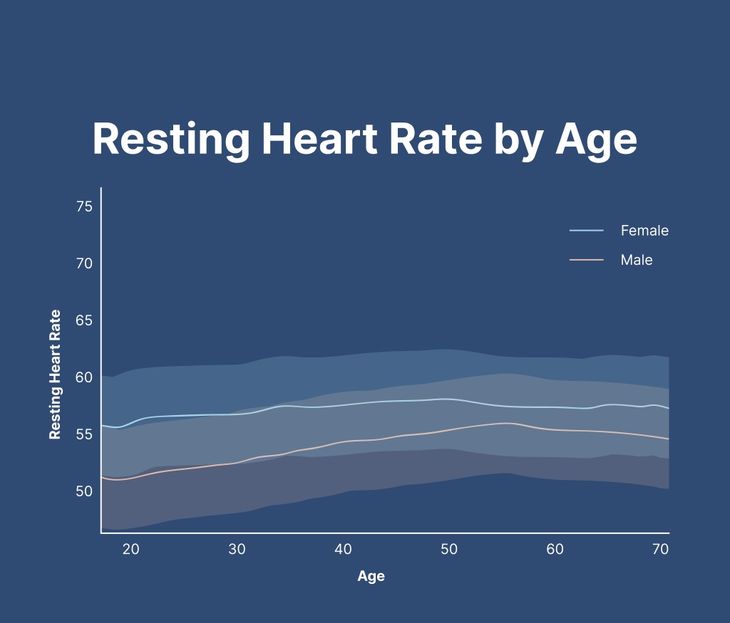
Open your app to measure your resting respiration pulse rate during this completely relaxed state.
Write down this calm baseline number to serve as your physiological reference point for future stress tracking.
-
Step 3: Track How Deep Breathing Changes Your Pulse
Inhale slowly through your nose for a count of four seconds while monitoring your live biometric dashboard.
Observe how your heart rate naturally rises during this inhalation phase as your sympathetic nervous system activates.
This biological variance demonstrates why you feel your heartbeat faster when breathing in during typical daily activity.
-
Step 4: Execute a Daily Five-Minute Resonant Breathing Protocol
Inhale slowly for five seconds, then exhale smoothly for five seconds to achieve a consistent pace of six breaths per minute.
Repeat this rhythmic cycle for five minutes every afternoon to naturally boost your heart rate variability (HRV) score.
This structured practice helps balance your autonomic nervous system and quickly relieves physical sensations of workplace anxiety.
-
Step 5: Analyze Your Overnight Recovery Trends
Examine your sleeping metrics every morning to check for structural changes in your cardiorespiratory coordination.
Look specifically for your average sleeping respiratory rate to ensure it remains stable over time.
Compare this resting breathing frequency against your historical averages to evaluate your physical recovery from heavy training.
Enhancing Your Journey With Herz P1
The Herz P1 Smart Ring dramatically simplifies this complex educational tracking process.
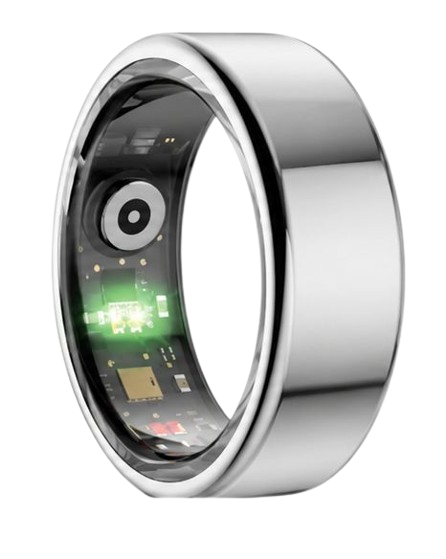
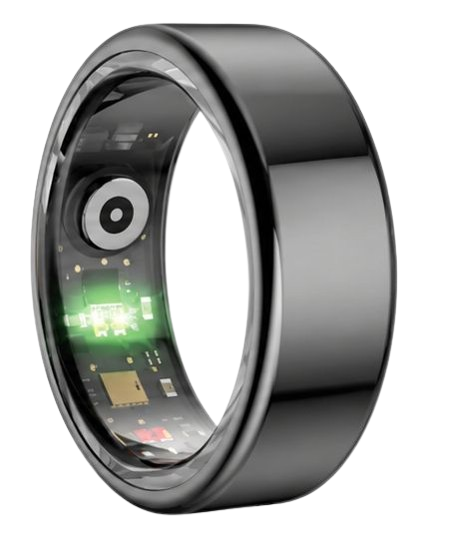
Its ultra-lightweight military-grade steel body monitors your vitals around the clock with incredible precision.
By using the completely free companion app, you can seamlessly review these crucial metrics without being burdened by hidden recurring monthly subscription fees.
Discover how easy it is to elevate your daily recovery by securing your own premium Herz P1 Smart Ring today.
90-Day 100% Money-Back Guarantee
“The Herz Smart Ring helps me manage stress easily. It’s accurate, stylish, and lightweight—perfect for my busy life!”
— Jennifer P. | ✔ Verified Customer
- ✓ 6-Day Battery Life
- ✓ Detailed Sleep Analysis
- ✓ Fast 1-Hour Charging
- ✓ iOS & Android Ready
Questions? Call: 1-866-479-1629
The Physiology of Respiratory Sinus Arrhythmia
Understanding Rhythmic Pulse Fluctuations
The human heart does not beat like an unyielding mechanical metronome.
Instead, your pulse rate fluctuates constantly to adapt to the metabolic demands of breathing.
This natural physiological phenomenon is medically defined as Respiratory Sinus Arrhythmia (RSA).
When you inhale, your diaphragm moves downward and temporarily reduces pressure within your thoracic cavity.
This pressure drop allows more blood to enter your heart, triggering a compensatory reflex that accelerates your pulse.
Conversely, exhaling activates the vagus nerve and promptly slows your heartbeat down.
These constant fluctuations reflect a healthy, highly responsive autonomic nervous system.
The Vital Link to Autonomic Balance
RSA serves as a direct window into your overall neurological resilience and cardiac health.
Clinical data from the American Heart Association confirms that robust heart-lung synchronization indicates strong parasympathetic activity.
If you have high heart rate variability (HRV), your body can transition smoothly between stressful states and deep rest.
Conversely, a rigid, unchanging pulse pattern often signals chronic overtraining or high psychological fatigue.
By observing your heart rate and respiratory rate, you can accurately gauge your daily capacity for stress.
The Herz P1 uses clinical-grade multispectral PPG sensors to register these micro-adjustments with exceptional fidelity.
Deciphering Sleeping Cardiorespiratory Trends for Deeper Recovery
What Your Overnight Breathing Metrics Reveal
Your body performs critical tissue repair and memory consolidation during the quiet hours of sleep.
This nocturnal recovery window is the best time to record clean, unaffected biometric data.
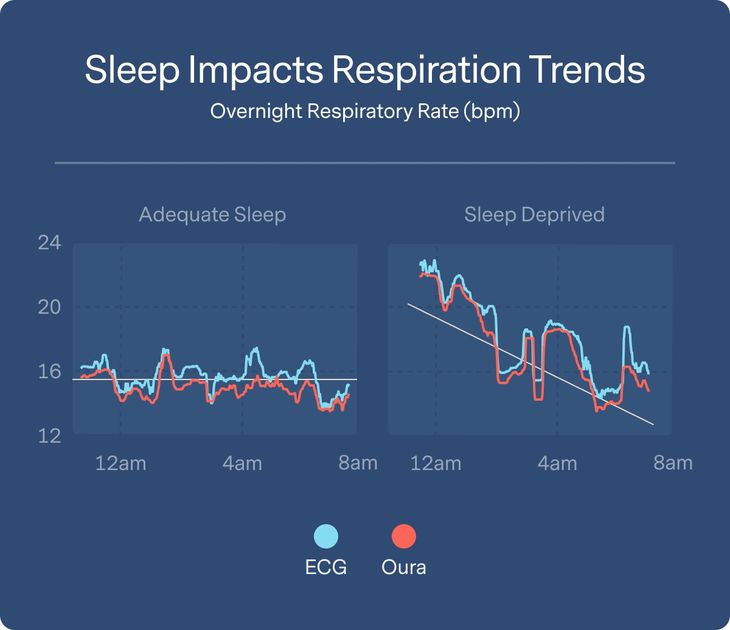
Tracking your average sleeping respiratory rate provides crucial insights into your respiratory health.
A typical healthy adult averages between 12 and 20 complete breaths per minute while resting.
If your numbers remain highly stable from night to night, your respiratory system is functioning optimally.
However, minor deviations can highlight the onset of physical stress before you feel any symptoms.
Monitoring these trends over weeks helps you identify subtle shifts in your baseline recovery patterns.
Identifying Critical Sleep Metrics
Unusual spikes or drops in your nightly breath counts warrant careful attention.
Experiencing a elevated high respiratory rate while sleeping often points to acute physiological stressors.
These triggers include oncoming seasonal illnesses, late-night alcohol consumption, or intense physical overtraining.
Your body must breathe faster to process waste products and deliver oxygen to strained muscle tissues.
On the other hand, registering a low breathing rate while sleeping generally indicates deep cardiovascular relaxation.
However, abnormally low values can also stem from specific sleep environments or neurological adjustments.
Understanding these shifts empowers you to make informed, proactive adjustments to your evening habits.
Translating Your Wearable Biometric Data Into Daily Wellness Actions

Mastering Your Live Mobile Dashboard
The Herz P1 companion application translates complex physiological numbers into clear, actionable advice.
By checking the live heart rate monitor, you can immediately observe how simple breathing changes affect your pulse.
The application charts your daily stress trends by matching your pulse curves with your breathing rate.
This clear visualization makes it simple to pinpoint exactly when stress starts to build during your workday.
You can use these real-time insights to take a brief screen break before physical tension accumulates.
Consistently utilizing these daily trend charts helps you build positive wellness habits over time.
Refining Your Athletic Training
Optimizing your workout program requires a precise understanding of your recovery capabilities.
Relying solely on how tired you feel can often lead to accidental overtraining and injury.
By conducting a formal respiratory rate measurement every morning, you can scientifically plan your training volume.
If your waking vitals show high stress, you should pivot to light, low-intensity recovery exercises.
When your metrics show complete recovery, you can safely tackle demanding strength or speed sessions.
This smart, data-driven approach to fitness ensures you achieve consistent progress without burning out.
Sizing Mistakes and Subscription Pitfalls to Avoid in Smart Wearables
The Discomfort of Bulky Wrist Devices
Many health enthusiasts struggle to collect clean biometric data due to uncomfortable tracking devices.
Traditional smartwatches are often bulky, heavy, and highly inconvenient to wear through the night.
They can easily snag on bedsheets or cause skin irritation during warm summer evenings.
As a result, many users leave their watches on the charger overnight, missing out on crucial sleep data.
A premium smart ring offers a sleek, lightweight alternative that fits comfortably into your sleep routine.
The Herz P1 weighs only 2.9 grams, making it virtually imperceptible while you rest.
Avoiding Hidden Lifetime Fees
The wearable tech market is filled with hidden costs that frustrate budget-conscious consumers.
Many popular health rings lock your personal biometric charts behind strict, expensive paywalls.
These recurring subscription fees can quickly add hundreds of dollars to your long-term ownership costs.
Team Herz P1 strongly believes that you should always own your personal health data completely.
Our companion application is entirely free to use, ensuring you never have to pay a monthly fee.
This transparent pricing makes elite health tracking accessible to everyone without any financial stress.
Frequently Asked Questions About Cardiorespiratory Tracking
Is the Herz P1 waterproof?
Yes, the Herz P1 is fully IP68 waterproof and rated for safe submersion up to 164 feet deep.
You can confidently wear it while swimming laps, taking hot showers, or relaxing in the sauna.
Its robust construction protects the advanced internal sensors from moisture damage in all daily environments.
How long does the ring battery last on a single charge?
The high-capacity battery delivers up to 6 days of continuous monitoring on a single charge cycle.
When it is time to charge, the ring powers up from empty to 100% in under one hour.
This rapid charging capability ensures you never miss crucial physiological trend data during the week.
Which finger is best to wear it on?
We recommend wearing the smart ring on the index or middle finger of your non-dominant hand.
These fingers typically feature the most stable blood flow for consistent, accurate optical PPG measurements.
However, you can wear the ring on any finger that offers a secure and comfortable fit.
Does the device store my data offline?
Yes, the internal memory chip safely stores up to 7 days of continuous biometric data offline.
You do not need to keep your smartphone nearby or connected via Bluetooth around the clock.
Your stored health metrics will sync automatically the next time you open the companion application.
Conclusion
Tracking your cardiorespiratory metrics provides the ultimate foundation for managing stress and optimizing sleep.
The Herz P1 Smart Ring is your reliable companion for continuous health monitoring.
Ready to monitor your health every day? Explore the Herz P1 Smart Ring and see if it fits your lifestyle. Call: 1-866-479-1629 — our team can help you advise on the correct ring size and set personalized health goals.
Note: Individual results may vary depending on individual health conditions, age, and lifestyle habits. This article is intended for general health reference purposes only.
