

Have you ever noticed your heartbeat faster when breathing in and wondered if this fluctuation is a sign of peak cardiovascular performance or an underlying physiological warning? This biological phenomenon is actually a highly coordinated response between your lungs and heart known as Respiratory Sinus Arrhythmia. In this comprehensive guide, we will explore the science behind this natural cardiac rhythm and explain how the premium, subscription-free Herz P1 Smart Ring helps you monitor these vital biometric trends every single day.
Built to Last. Save Up to 69% Today.
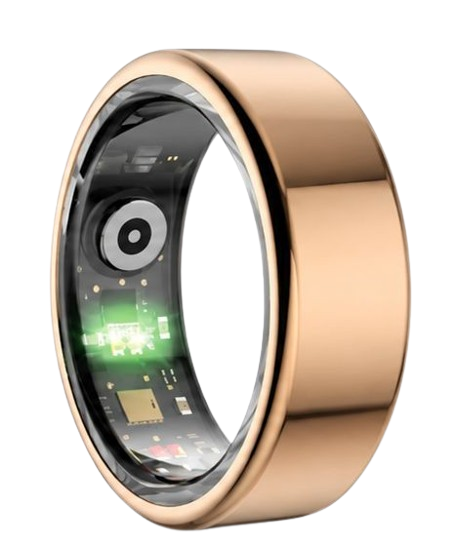
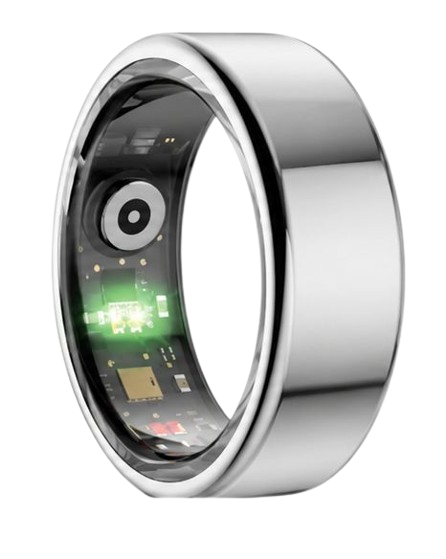
The Herz P1 Smart Ring tracks HRV, Sleep, Heart Rate & SpO2 around the clock. No subscriptions. No renewals. Ever.
In This Article
- The mechanical and biological mechanisms behind why your heartbeat is faster when breathing in.
- How Respiratory Sinus Arrhythmia acts as a primary indicator of strong vagus nerve health.
- The relationship between breathing patterns, autonomic nervous system balance, and heart rate variability (HRV).
- Practical daily metrics and tracking strategies using premium subscription-free wearables.
Why Your Heartbeat is Faster When Breathing In: The Science Explained
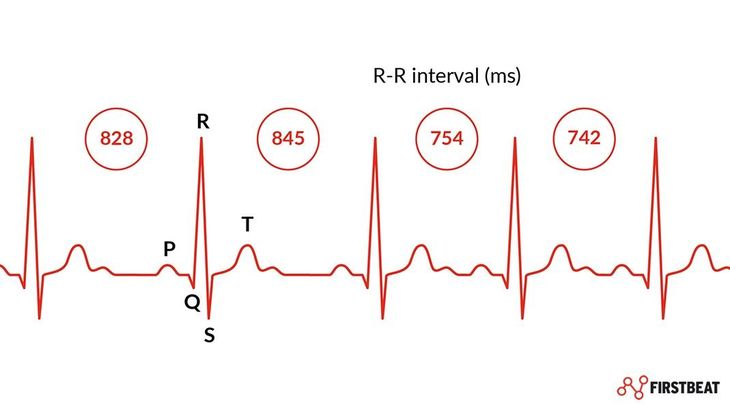
When you inhale deeply, a highly coordinated sequence of cardiovascular and respiratory actions occurs inside your chest cavity.
This biological phenomenon is scientifically documented as Respiratory Sinus Arrhythmia (RSA).
Physiologists and cardiologists view this variation not as an erratic malfunction, but as a hallmark of a highly resilient, adaptive, and healthy heart.
To understand the mechanics, we must look closely at how heart rate changes with respiration in real time.
As you pull air into your lungs, your diaphragm moves downward, expanding your thoracic cavity and decreasing the pressure inside your chest.
This negative intrathoracic pressure allows your lungs to fill with air, but it also physically draws more blood into your chest region from the rest of your body.
This fluid shift temporarily decreases the stroke volume of the heart because the blood briefly pools inside the pulmonary vasculature.
To keep your total cardiac output stable, special pressure receptors called baroreceptors located in your carotid arteries and aorta sense this temporary drop.
The baroreceptors immediately communicate with your brainstem, which responds by suppressing parasympathetic nervous activity.
This suppression acts like lifting your foot off the brake pedal of a car, causing your heart to speed up temporarily as you breathe in.
Conversely, when you exhale, the pressure in your chest increases, blood returns to normal circulation, and the parasympathetic nervous system applies the brake again, slowing your pulse.
According to research supported by the American Heart Association, this delicate feedback loop keeps your respiration pulse rate optimized for gas exchange.
If you want to track this vital physiological response in real time, the Herz P1 Smart Ring monitors your autonomic nervous indicators 24/7 — explore it here.
90-Day 100% Money-Back Guarantee
“The Herz Smart Ring helps me manage stress easily. It’s accurate, stylish, and lightweight—perfect for my busy life!”
— Jennifer P. | ✔ Verified Customer
- ✓ 6-Day Battery Life
- ✓ Detailed Sleep Analysis
- ✓ Fast 1-Hour Charging
- ✓ iOS & Android Ready
Questions? Call: 1-866-479-1629
Respiratory Sinus Arrhythmia (RSA): The Vagus Nerve and Autonomic Balance
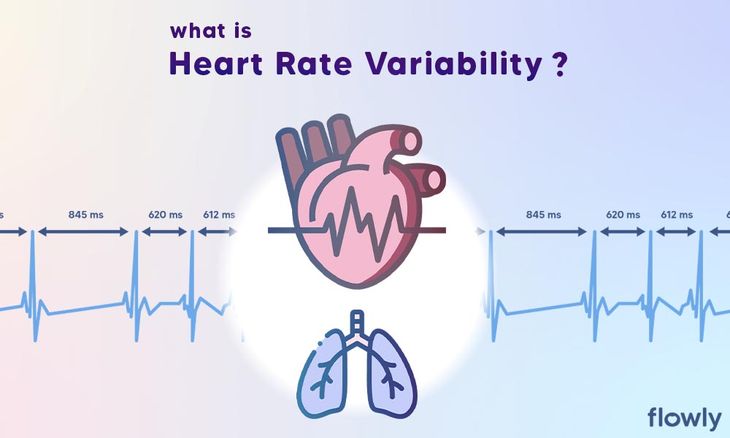
Respiratory Sinus Arrhythmia serves as a direct window into the functional strength of your autonomic nervous system.
The primary nerve responsible for this cardiac deceleration is the vagus nerve, which represents the powerhouse of your parasympathetic system.
A high degree of heart rate variability during breathing indicates strong vagal tone, meaning your body can transition quickly from stress to relaxation.
Healthy individuals who possess a strong vagal response exhibit a very pronounced speed-up when inhaling and slow-down when exhaling.
Your autonomic nervous system relies on this constant fluctuation to keep your blood pressure, metabolic rates, and emotional states balanced.
If your vagal tone is poor due to chronic stress, poor sleep, or illness, your pulse may remain flat and unvarying throughout the breathing cycle.
Research published by the National Sleep Foundation underscores that tracking the relationship between your heart rate and respiratory rate is critical for understanding metabolic recovery.
The more distinct your respiratory heart fluctuations are during deep sleep, the more restorative your night has been.
By observing your personal respiratory heart rate trends over time, you can spot early signs of chronic overtraining or systemic stress.
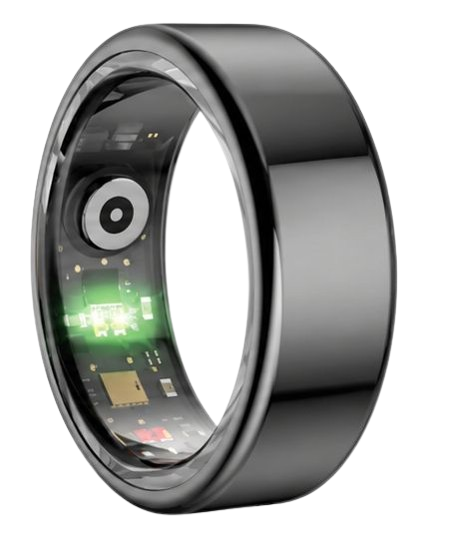
The premium multispectral PPG sensors inside the Herz P1 Smart Ring measure these micro-changes in heart rate with outstanding accuracy.
Because the skin on your fingers contains a highly dense capillary network, the ring captures these rapid heartbeat shifts much more effectively than bulky wrist devices.
Decoupling HRV and Sleep Quality Biometrics
Tracking cardiac biometrics while awake is helpful, but the absolute best time to evaluate your autonomic nervous system is during deep sleep.
While you sleep, your conscious mind rests, allowing your parasympathetic nervous system to take full control of your bodily functions.
The Herz P1 Smart Ring utilizes advanced infrared sensors to measure your sleep architecture and respiration patterns with precision.
One critical metric to observe is your average sleeping respiratory rate, which typically ranges from 12 to 20 breaths per minute.
Any sudden spike or sustained increase, such as a high respiratory rate while sleeping, can serve as a vital cue that your body is fighting an infection or suffering from intense physical fatigue.
By measuring heart rate variability alongside respiration, the smart ring can determine how well your heart responds to autonomic signals.
A higher night-time HRV reading demonstrates that your heart is adapting perfectly to the mechanical forces of breathing.
This biological flexibility ensures that your vital organs receive oxygen-rich blood without placing unnecessary strain on your cardiac muscle.
The Herz P1 App displays this detailed breakdown in a simple, intuitive graph, allowing you to trace your recovery trends over weeks and months.
Unlike other fitness trackers that lock this premium metric behind a steep monthly paywall, our brand offers complete access for free.
Harnessing Your Heartbeat Fluctuations for Optimal Recovery
Once you understand why your heartbeat is faster when breathing in, you can actively use this knowledge to lower your daily stress levels.
By deliberately slowing your respiration rate to around 5.5 to 6 breaths per minute, you can maximize your heart rate variability.
This deliberate slow-breathing technique is known as resonance frequency breathing or coherent breathing.
When you breathe at this specific pace, the mechanical pressure changes in your chest synchronize perfectly with your heart’s electrical rhythm.
This synchronization maximizes vagal nerve stimulation, which immediately lowers your blood pressure and dampens the “fight-or-flight” response.
You can verify this shift in real time by checking a live heart rate monitor during your breathing sessions.
Over several days, this exercise can help reduce systemic cortisol, lower your resting heart rate, and dramatically improve your sleep quality.
Many individuals struggle with morning exhaustion or find themselves waking with fast heartbeat sensations due to underlying chronic stress.
Using the Herz P1 Smart Ring allows you to identify if these sudden morning spikes are related to sleep apnea, high stress, or physical exhaustion.
The ring’s feather-light, military-grade steel construction ensures it remains exceptionally comfortable to wear throughout these night-time tracking sessions.
Avoiding Pitfalls in Wearable Biometric Tracking
Many health-conscious individuals try to track their sleep and cardiac health using heavy, glowing smartwatches.
However, wearing a bulky smartwatch to bed often disrupts sleep stages due to screen glare, heavy wrist straps, and battery heat.
Furthermore, many premium smartwatches require daily charging, meaning they are often sitting on a charger right when you need sleep tracking the most.
Another common mistake is purchasing health tracking hardware only to realize that your personal data is locked behind a monthly app subscription.
At Team Herz P1, we believe that you should own your health data forever without paying recurring monthly fees.
The Herz P1 Smart Ring charges fully in under an hour and operates continuously for six days on a single charge.
Its IP68 waterproof rating means you never have to remove it when washing your hands, swimming, or showering.
By shifting your tracking to your finger, you get superior sensor accuracy because the light does not have to penetrate through wrist bones and thick skin tissue.
Frequently Asked Questions About Respiration and Heart Rates
Is the Herz P1 Smart Ring completely waterproof?
Yes, the Herz P1 features a certified IP68 waterproof rating and can be submerged in water up to 164 feet.
This means you can wear the ring safely while swimming in pools, washing dishes, taking warm showers, or relaxing in a steam room.
How long does the battery last on a single charge?
The Herz P1 is engineered with advanced energy-efficient microchips that provide up to 6 full days of continuous biometric tracking.
When the battery runs low, the ring charges from zero to one hundred percent in under 60 minutes using the included magnetic charging dock.
Which finger is best to wear the smart ring on?
For the highest level of biometric accuracy, we recommend wearing the Herz P1 on your index, middle, or ring finger.
These fingers have the most robust blood flow and thinnest skin, which allows our optical sensors to read your capillaries clearly.
Does the Herz P1 store health data when offline?
Yes, the ring features secure onboard memory that can save up to 7 days of detailed health metrics offline.
Once you open the companion mobile app, your stored data will automatically sync via Bluetooth to your personalized dashboard.
Conclusion
Respiratory Sinus Arrhythmia explains why your heart speeds up as you inhale, acting as a vital indicator of parasympathetic strength.
Tracking these cardiovascular trends with a reliable biometric tool can help you sleep better and optimize daily recovery.
Ready to monitor your health every day? Explore the Herz P1 Smart Ring and see if it fits your lifestyle. Call: 1-866-479-1629 — our team can help you advise on the correct ring size and set personalized health goals.
Note: Individual results may vary depending on individual health conditions, age, and lifestyle habits. This article is intended for general health reference purposes only.
