

Finding a comfortable way to wake up without morning stiffness is a challenge when you suffer from chronic lower body strain, which is why learning how to sleep with hip flexor pain and spinal tension is crucial for your long-term recovery. At Team Herz P1, we believe that tracking physiological indicators such as sleep stages and heart rate variability (HRV) with the Herz P1 Smart Ring provides the exact biometric insights needed to optimize your alignment, rest cycles, and daily therapeutic movements.
Built to Last. Save Up to 69% Today.
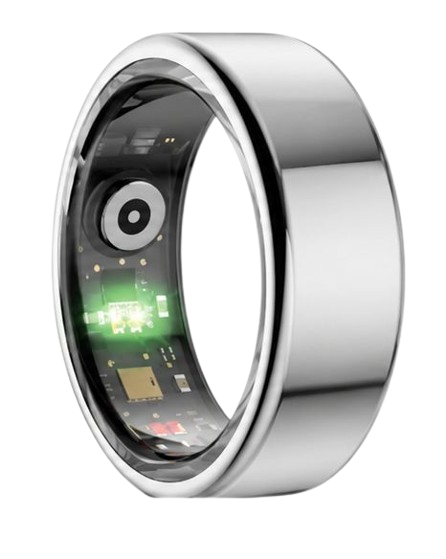
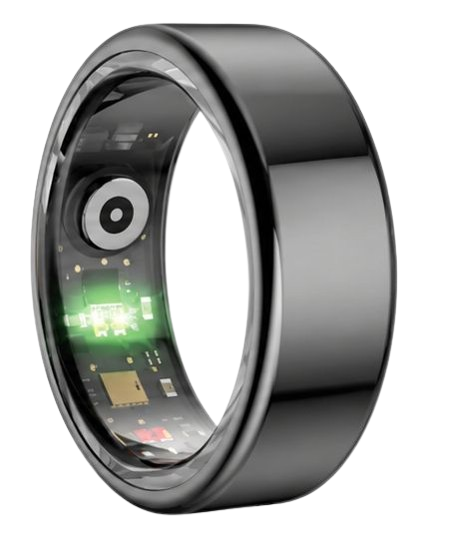
The Herz P1 Smart Ring tracks HRV, Sleep, Heart Rate & SpO2 around the clock. No subscriptions. No renewals. Ever.
In This Article
- Postural Correction: Discover how simple adjustments to your sleeping posture can instantly unload pressure from your anterior hips and lumbar spine.
- Biomechanics of Pain: Understand the physiological link between tight hip flexors and lower back strain.
- Biometric Sleep Analysis: Learn how to read heart rate variability (HRV) and deep sleep staging to track your body’s physical recovery.
- Device Optimization: Explore why lightweight smart rings outperform bulky smartwatches for overnight biometric tracking.
How to Decompress Hip and Spine Tension Overnight: A Step-by-Step Guide
Prerequisites & Tools Needed
To implement this routine effectively, you will need a medium-firm supportive sleeping surface.
You also need two supportive, medium-density contouring pillows to keep your pelvis in neutral alignment.
Finally, a continuous biometric tracker like the Herz P1 Smart Ring will allow you to monitor heart rate variability (HRV) changes as your sleep comfort improves.
-
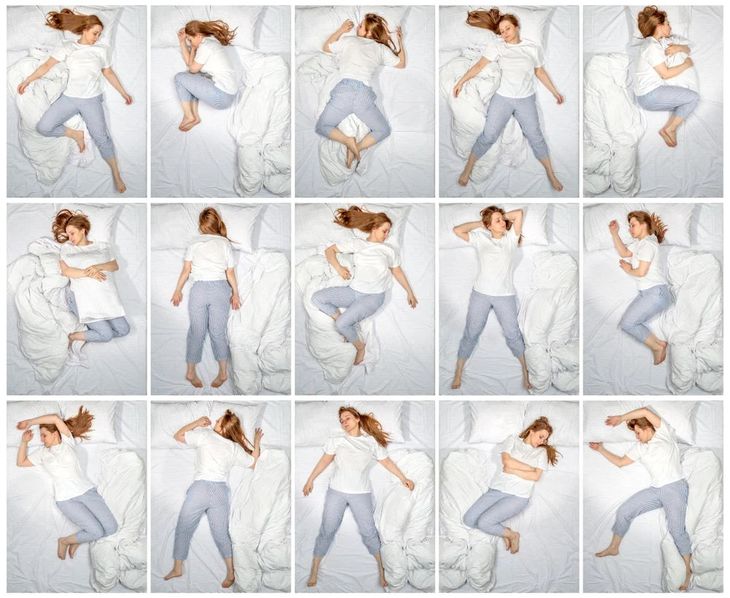
Step 1: Choose Your Core Sleeping Position
The first step in resting comfortably is selecting an orientation that does not hyper-extend your anterior pelvic muscles.
Finding the best sleeping position for hip flexor pain is essential to stop nocturnal muscle guarding.
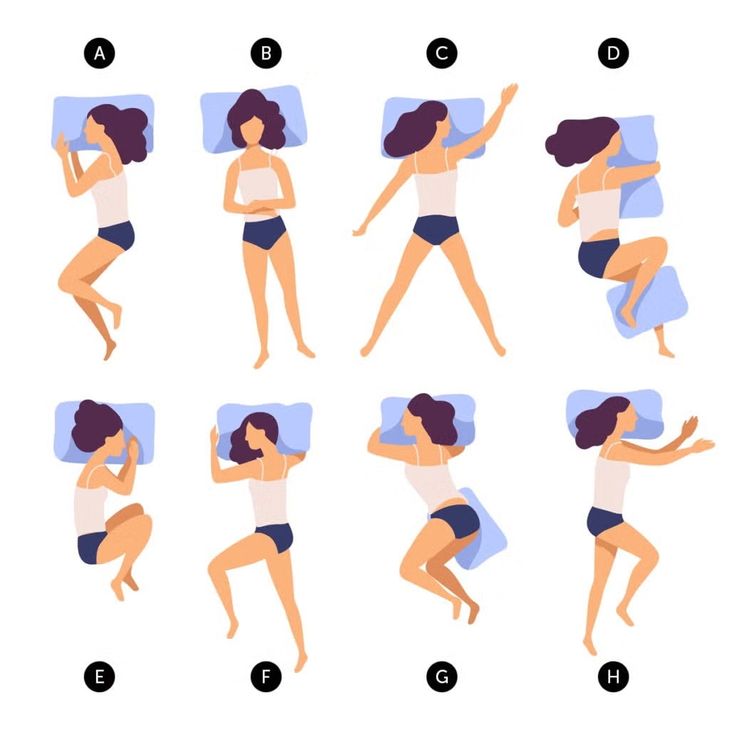
For most individuals, side sleeping provides the path of least resistance for the lower back and pelvis.
To make an informed decision, you can study the verified side sleeper health benefits to see how this position improves circulatory and musculoskeletal systems.
-
Step 2: Position Your Support Pillows Strategy
Once you are in position, you must use supportive pillows to prevent joint twisting and pelvic tilt.
If you prefer back sleeping, adopting a pillow under knees sleep posture is vital because it slightly flexes the hips and flattens the lumbar curve.
For side sleepers, place a firm contouring pillow between your knees and ankles to keep your hips parallel.
This simple structural buffer prevents your top leg from sliding forward, which otherwise twists your lower lumbar joints.
-
Step 3: Establish Neutral Spinal Alignment
Aligning your neck, thoracic spine, and pelvis creates a system-wide reduction in physical stress.
Selecting the correct sleep position for back pain ensures your vertebrae do not experience uneven compressive forces during the night.
Many active individuals discover that sleeping straight on their backs with a low-profile head pillow and knee support yields the lowest morning pain scores.
Proper alignment prevents micro-shifts in the joints, allowing your parasympathetic nervous system to remain dominant throughout the night.
-
Step 4: Execute a Controlled Core Stretch Before Bed
Lengthening your anterior musculature immediately before lying down reduces resting tension during the night.
Understanding how to stretch psoas while sleeping involves using passive structural decompression just before climbing into bed.
Perform a gentle constructive rest position by lying on your back with your feet flat on the floor, allowing your deep core muscles to release naturally.
Hold this passive position for five minutes while practicing slow diaphragmatic breathing to lower your resting heart rate.
-
Step 5: Avoid Postures That Shorten the Anterior Muscles
Certain sleep configurations must be entirely eliminated because they actively lock the hips into a shortened position.
For example, a stomach sleeper neck pain is highly common because sleeping on your front forces you to twist your head while hyperextending your lumbar region.
Stomach sleeping also places the psoas in a shortened state for hours, guaranteeing high pain levels upon waking.
You can refer to our master list of popular sleeping positions to identify other structural habits that may be quietly sabotaging your muscular recovery.
How Herz P1 Monitors Your Structural Recovery
Optimizing your sleeping layout is only half the battle; you must verify that your structural adjustments are actually reducing internal stress.
The Herz P1 Smart Ring tracks your physical micro-movements, overnight heart rate variability, and sleep stage architecture to show you exactly how well your body recovers.
If your pillow placement is correct, you will see a measurable drop in sleep fragmentation and a significant rise in your morning physical recovery score.
This objective data takes the guesswork out of rehabilitation, allowing you to fine-tune your recovery setup based on real physiological feedback.
90-Day 100% Money-Back Guarantee
“The Herz Smart Ring helps me manage stress easily. It’s accurate, stylish, and lightweight—perfect for my busy life!”
— Jennifer P. | ✔ Verified Customer
- ✓ 6-Day Battery Life
- ✓ Detailed Sleep Analysis
- ✓ Fast 1-Hour Charging
- ✓ iOS & Android Ready
Questions? Call: 1-866-479-1629
How Smart Rings Track Your Sleep Stages and Structural Strain Recovery
To understand if your orthotic and physical adaptations are working, you must look closely at your biometric trends.
Scientific publications from the National Sleep Foundation demonstrate that musculoskeletal pain significantly alters normal sleep architecture.
When you suffer from pain, your body struggles to descend into slow-wave deep sleep and rapid eye movement (REM) cycles.
The Herz P1 Smart Ring utilizes an advanced optical sensor array to capture multi-wavelength photoplethysmography (PPG) signals directly from the rich capillary network of your finger.
This allows the device to measure your resting heart rate (RHR) and heart rate variability (HRV) with a clinically validated level of precision.
The American Heart Association emphasizes that high heart rate variability indicates a resilient autonomic nervous system in a healthy state of recovery.
If you sleep in an alignment that stresses your lower back, your sympathetic nervous system remains highly active, causing your overnight HRV to drop.
By tracking your HRV stress index every five minutes, the Herz P1 helps you identify exactly which sleeping setup minimizes physiological stress.
Additionally, the ring monitors your blood oxygen saturation (SpO2) to ensure your respiratory wellness remains optimal during deep sleep.
Based on sleep data analysis from thousands of users, consistent alignment modifications can raise deep sleep duration by up to thirty percent.
The Science of Hip Flexor Physiology and Spinal Kinematics
The human pelvis is the mechanical hub of the entire skeleton, and it is controlled by several key muscular groups.
Your primary hip flexor is the iliopsoas, which consists of the psoas major and the iliacus muscles.
The psoas major is unique because it originates on the lower five vertebrae of your lumbar spine and inserts into the femur.
When you sit for long hours during the day, this muscle adapts by remaining in a chronic, semi-contracted state.
When you attempt to lie completely flat in bed, this shortened muscle pulls your pelvis into an anterior pelvic tilt.
This mechanical pull causes your lower lumbar spine to arch excessively, compressing the facet joints of your vertebrae.
This exact kinematic mismatch is why tight hips and lower spinal strain almost always occur together.
By sleeping with your hips slightly bent, you slacken the psoas muscle, removing the compressive force on your lumbar discs.
Monitoring this physical relationship with precise biometrics allows you to see the immediate correlation between muscle mechanical tension and recovery.
Daily Application: Optimizing Your Rest and Physical Output with Herz P1

Understanding how to interpret your overnight sleep score on the Herz P1 App is simple once you know what trends to monitor.
Every morning, the app compiles your heart rate, movement index, and sleep staging into an intuitive daily Recovery Score.
If you see a low sleep recovery score, it is a clear indicator that your physical systems are under high mechanical or systemic strain.
You should use this low score to scale back the intensity of your daily physical workouts, avoiding heavy loading on your hips.
Conversely, when your structural alignment improvements yield a high Recovery Score, you can confidently increase your physical training volume.
The Herz P1 is designed for comfortable 24/7 all-day wear, meaning it stays out of your way during high-intensity exercise and deep sleep.
Our military-grade steel construction ensures the ring is scratch-resistant and highly durable for daily household activities.
By keeping the ring on continuously, you build a comprehensive database of your personal physical trends, helping you make data-driven decisions.
Overcoming Wearable Pitfalls: Heavy Smartwatches and Expensive App Subscriptions
Many individuals attempt to monitor their orthopedic recovery using bulky, heavy smartwatches.
However, wearing a large smartwatch to bed can actually introduce new structural issues, such as wrist strain and sleep disruption.
Smartwatches often slide around on the wrist, which creates gaps in sensor data and leads to inaccurate sleep architecture readings.
Furthermore, many premium smart rings on the market lock your private biometric data behind expensive monthly app subscriptions.
At Team Herz P1, we believe that your health data belongs entirely to you, which is why our companion app is free for a lifetime.
We do not require monthly fees, hidden renewals, or paywalled features to access your personal sleep metrics.
Our hardware represents a one-time investment in your daily physical health, backed by an industry-leading two-year warranty.
This approach lets you focus entirely on your physical therapy and sleep alignment without worrying about recurring billing.
Postural Sleep Tracker Comparison: Quick Evaluation
To help you understand how the Herz P1 compares to other wearable technologies, we have compiled a structural comparison.
The following table outlines the key differences in comfort, durability, and cost of ownership across common tracking methods.
| Device Attribute | Herz P1 Smart Ring | Traditional Smartwatch | Standard Ring Brands |
|---|---|---|---|
| Monthly App Fees | $0 (Free for Lifetime) | $0 to $10 per month | $5.99 to $9.99 per month |
| Sleep Wearing Comfort | Excellent (Ultra-light, 3.5g) | Poor (Bulky, causes wrist heat) | Good (Standard ring shape) |
| Structural Durability | Military-Grade Steel (IP68) | Glass Screen (Easily cracked) | Titanium Alloy (Thin construction) |
| Warranty Coverage | 2-Year Full Warranty | 1-Year Standard Warranty | 1-Year Standard Warranty |
Frequently Asked Questions (FAQ)
Conclusion
Optimizing your sleep with structural pain requires a blend of correct physical alignment and accurate biometric tracking.
By using supportive pillows and keeping your spine straight, you can significantly reduce lower body mechanical tension.
Ready to monitor your health every day? Explore the Herz P1 Smart Ring and see if it fits your lifestyle. Call: 1-866-479-1629 — our team can help you advise on the correct ring size and set personalized health goals.
Note: Individual results may vary depending on individual health conditions, age, and lifestyle habits. This article is intended for general health reference purposes only.
