

Recent physiological studies demonstrate that monitoring the relationship between fasting and hrv trends provides deep structural insights into daily autonomic nervous system recovery patterns. By measuring overnight physiological biomarkers with the premium Herz P1 smart ring, health-conscious individuals can track cellular repair phases and balance their nervous system activity without paying any recurring subscription fees. This comprehensive guide details exactly how metabolic restriction influences your heart rate variability and how to optimize your lifestyle for peak physical recovery daily.
Built to Last. Save Up to 69% Today.
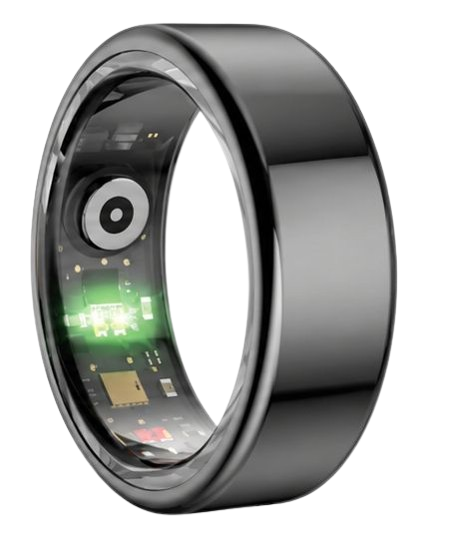
The Herz P1 Smart Ring tracks HRV, Sleep, Heart Rate & SpO2 around the clock. No subscriptions. No renewals. Ever.
In This Article
- How to Optimize Your Fasting Schedule using step-by-step biometric monitoring and real-time stress tracking.
- The Science of Autonomic Regulation and how metabolic fasting modulates parasympathetic vagal tone.
- Sleep Architecture Intersections detailing sleep cycles, metabolic rate, and deep recovery metrics.
- Avoiding Wearable Sizing and Subscription Pitfalls to preserve tracking accuracy and eliminate recurring costs.
How to Optimize Your Intermittent Fasting Schedule with HRV Trends: A Step-by-Step Biometric Guide
Prerequisites: What You Need Before You Begin
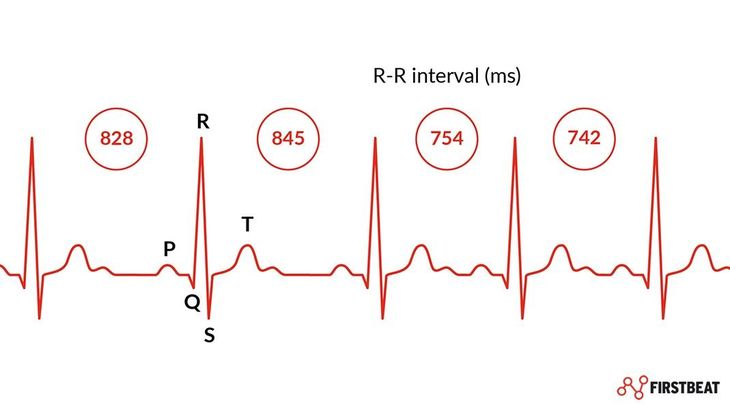
To safely align your fasting windows with autonomic recovery, you need a high-precision, continuous biometric tracker capable of capturing RMSSD and resting heart rate throughout the night.
You must also maintain a stable baseline of activity and hydration for at least three consecutive days before introducing structured fasting variables.
-
Step 1: Establish Your Baseline Overnight HRV Score
Begin by wearing your biometric sensor continuously for seven days to determine your personal normal resting autonomic range.
Do not initiate any prolonged caloric restriction during this baseline phase to ensure your data reflects standard conditions.
Review your average morning RMSSD score to understand your typical autonomic balance.
A higher baseline score generally indicates a robust, adaptable parasympathetic nervous system ready for metabolic challenge.
-
Step 2: Align Your Fasting Windows with Your Circadian Rhythm
Plan your daily eating window to close at least three to four hours before your projected sleep onset time.
Avoiding a heavy snack before bed ensures that your digestive system can rest before your sleep cycle begins.
This early metabolic cutoff allows your core temperature to drop and helps initiate early parasympathetic dominance.
By shifting your food intake earlier, you improve your chances of starting overnight recovery much faster.
-
Step 3: Monitor Overnight Autonomic Recovery Trends
Analyze your daily sleep reports to assess how your intermittent fasting hrv score reacts during your sleeping hours.
Look specifically at your heart rate contraction curve to see if it reaches its lowest point in the first half of the night.
If your heart rate remains elevated or your HRV remains depressed, your fasting window may need to be adjusted.
These indicators show that metabolic demands are still competing with neural rest processes.
-
Step 4: Adapt Workout Intensity Based on Daily Readiness
Check your daily biometric readiness metrics before engaging in intense cardiovascular or strength training.
When your fasting heart rate variability drops significantly below your baseline, prioritize low-intensity movement.
Engaging in heavy exertion while your autonomic nervous system is already depleted can delay your cellular recovery.
Use light walking or gentle mobility work to encourage parasympathetic reactivation on low-readiness days.
-
Step 5: Safely Adjust Your Refeeding Protocol
When breaking your fast, focus on nutrient-dense meals that support sustained metabolic health without causing severe glucose spikes.
If you experience sleep disruptions on fasting days, research whether does fasting help you sleep better when paired with complex carbohydrates.
Experimenting with healthy bedtime snack recipes for better sleep can occasionally help stabilize nocturnal blood sugar levels.
Consistently monitor your next-day HRV trends to confirm that your selected refeeding structure supports cardiac restoration.
How the Herz P1 Smart Ring Empowers Your Fasting Journey
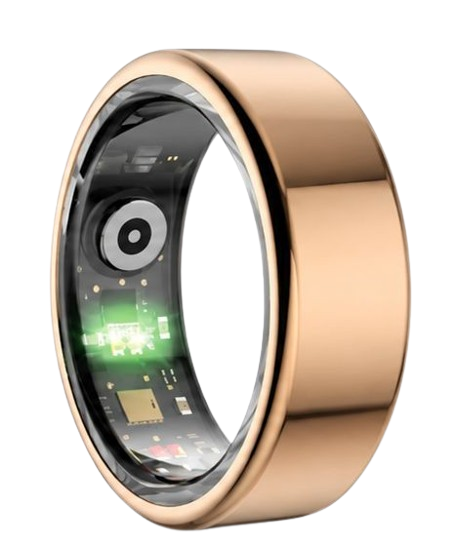
The premium Herz P1 Smart Ring provides the perfect technical framework for tracking these complex metabolic shifts.
With its high-performance multi-wavelength optical sensors, the ring monitors your vitals every five minutes without emitting disturbing screen glare.
You can seamlessly analyze your body’s response to fasting intervals without worrying about monthly membership bills.
Invest in your long-term health today by exploring the Herz P1 Smart Ring to take full control of your autonomic data.
90-Day 100% Money-Back Guarantee
“The Herz Smart Ring helps me manage stress easily. It’s accurate, stylish, and lightweight—perfect for my busy life!”
— Jennifer P. | ✔ Verified Customer
- ✓ 6-Day Battery Life
- ✓ Detailed Sleep Analysis
- ✓ Fast 1-Hour Charging
- ✓ iOS & Android Ready
Questions? Call: 1-866-479-1629
The Autonomic Connection: How Fasting Modulates Parasympathetic Activity and HRV Scores
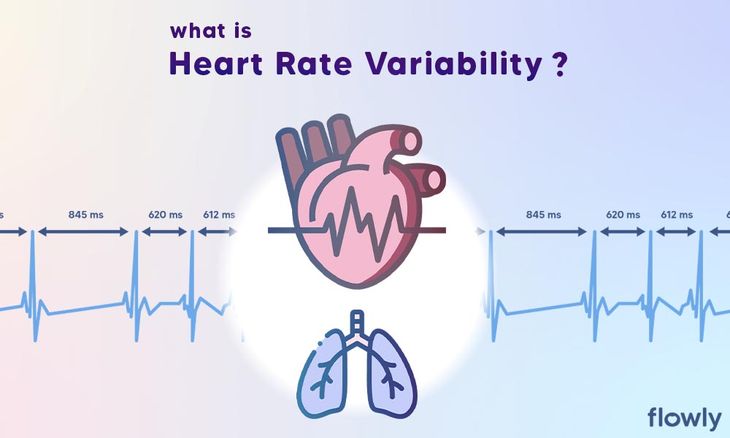
To understand how fasting affects your heart, you must examine the autonomic nervous system.
The sympathetic branch acts as your body’s biological accelerator, raising heart rate and prepared alertness.
The parasympathetic branch functions as the brake, steering your system toward rest, digestion, and repair.
Your heart rate variability directly mirrors the continuous balancing act between these two pathways.
When you fast, your body undergoes a natural transition in fuel sources, moving from glucose to ketones.
This metabolic switch often acts as an acute stressor during the early hours of restriction.
This initial phase can cause a minor surge in cortisol and epinephrine, temporarily depressing your daily HRV.
However, once your body adapts to ketosis, parasympathetic tone often increases dramatically.
This long-term shift helps calm systemic inflammation and promotes cardiovascular efficiency.
By using a dedicated metabolism tracker, you can correlate your physical fuel burning with these nervous system adaptations.
The resulting parasympathetic dominance manifests as a notable increase in your overnight RMSSD score.
Understanding these subtle shifts is vital for maintaining high energy and avoiding physical overtraining.
Fasting Windows and Sleep Architecture: Balancing Overnight Recovery with Metabolic Demands
The timing of your food intake plays a massive role in shaping your overnight sleep architecture.
When you consume calories close to bedtime, your body must direct significant blood flow to your gastrointestinal tract.
This digestive demand forces your resting heart rate to remain elevated and reduces your autonomic variation.
This conflict directly interferes with the deep, restorative stages of slow-wave sleep.
According to research, early dinner schedules significantly optimize intermittent fasting and sleep quality metrics.
Allowing your digestive system to complete its work before sleep helps lower your resting heart rate much sooner.
This rapid drop allows your cardiac system to spend more time in a relaxed, restorative state.
Tracking the relationship between intermittent fasting and sleep outcomes can reveal your perfect eating schedule.
Many individuals report finding that an early, light dinner leads to a higher morning recovery score.
Evaluating your specific sleep and metabolism trends is simple with a continuous biometric wearable.
The Herz P1 Smart Ring uses medical-grade sensors to map these physiological fluctuations precisely.
This continuous monitoring helps ensure your fasting practices build health instead of causing unnecessary physical strain.
Practical Application: How to Use Your Smart Ring to Refine Your Autonomic Recovery
Evaluating biometric trends does not require complicated clinical testing or expensive laboratory equipment.
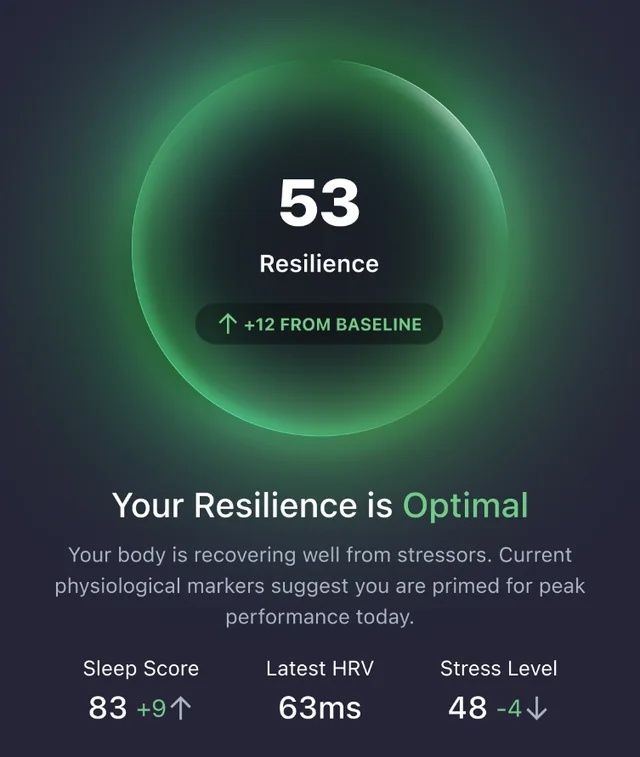
Your Herz P1 App provides a clear, real-time breakdown of your RMSSD, resting heart rate, and overnight blood oxygen levels.
When you wake up, open your app to check your morning Autonomic Readiness Index score.
If your score is high, your nervous system has fully adapted to your current fasting and training load.
If your score is depressed, consider shortening your fast or reducing your daily physical exertion.
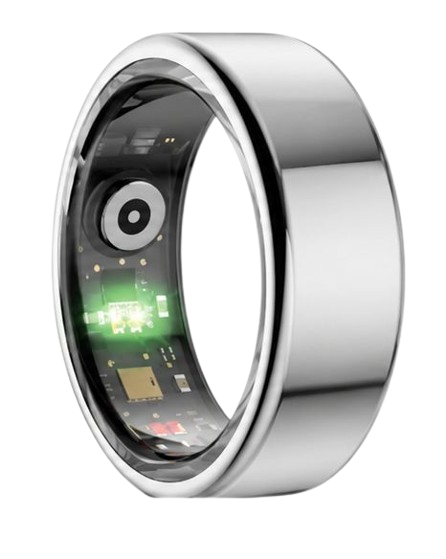
The lightweight, sleek design of the Herz P1 ensures comfortable, distraction-free monitoring 24 hours a day.
Unlike bulky smartwatches that pinch or glow unexpectedly at night, the ring remains comfortable and completely dark.
The smooth inner surface sits flat against your finger, ensuring continuous skin contact for highly accurate tracking.
By wearing the ring continuously, you collect clean, uninterrupted data to guide your daily recovery choices.
Overcoming Risks: Avoiding Bulky Wearables and Costly App Subscriptions
Many health enthusiasts struggle to collect clean sleep data because they wear large, uncomfortable smartwatches to bed.
These heavy devices frequently shift during sleep, causing optical sensor gaps and inaccurate readings.
They also require daily charging, which often leads to missing data during critical overnight hours.
Additionally, several popular fitness tracking brands require ongoing monthly app subscriptions to access your own data.
These hidden charges can quietly add hundreds of dollars to the true cost of owning the device.
Team Herz P1 believes that you should own your health data completely, without any recurring fees or paywalls.
Our companion software is entirely free for life, providing full access to all your raw biometric metrics.
The table below highlights the cost-effective advantages of choosing the Herz P1 Smart Ring over other leading options.
| Biometric Feature | Herz P1 Smart Ring | Standard Smartwatches | Premium Subscription Rings |
|---|---|---|---|
| Monthly App Fee | $0 (Free App Forever) | Varies ($0 to $10/month) | $5.99 to $9.99/month |
| Continuous HRV Tracking | Yes (Every 5 Minutes) | Often manual or hourly | Nightly average only |
| Overnight Comfort | Ultra-lightweight ring | Bulky wrist strap | Standard ring form |
| Warranty Coverage | 2-Year Complete Warranty | Typically 1-Year | Typically 1-Year |
Frequently Asked Questions About Herz P1 and Autonomic Tracking
Is the Herz P1 Smart Ring waterproof enough for swimming and daily use?
Yes, the Herz P1 features a certified IP68 waterproof rating that allows for complete submersion up to 164 feet. You can confidently wear it while swimming in pools, taking hot showers, washing dishes, or relaxing in the sauna without damaging the internal sensors.
How long does the battery last, and how fast does it charge?
The advanced battery in the Herz P1 delivers up to 6 days of continuous tracking on a single charge. When the battery runs low, the custom magnetic cradle fully recharges the device in under 1 hour.
Which finger is best for wearing the smart ring?
For the most accurate biometric readings, we recommend wearing the ring on your index, middle, or ring finger. Choose the finger that provides a secure, comfortable fit without rotating excessively during your daily activities.
Does the Herz P1 store my health data offline when my phone is away?
Yes, the ring features secure offline storage that saves up to 7 days of raw biometric data. Once your ring reconnects to your phone via Bluetooth, all of your logged stats sync automatically to your app.
Empower Your Recovery Journey
Tracking your fasting and HRV trends is an incredibly effective way to understand your metabolic recovery patterns.
The premium Herz P1 Smart Ring makes monitoring these complex physiological shifts simple, subscription-free, and highly accurate.
Ready to monitor your health every day?
Explore the Herz P1 Smart Ring and see if it fits your lifestyle.
Call: 1-866-479-1629 — our team can help you advise on the correct ring size and set personalized health goals.
