

If you find yourself constantly waking up exhausted due to your partner’s tossing, turning, or snoring, you might be wondering: is a bed divorce actually healthy for your relationship and physical well-being? At Herz P1, our mission is to help you decode vital biometric signals like heart rate variability (HRV) and sleep architecture to discover what truly optimizes your nightly recovery.
Built to Last. Save Up to 69% Today.
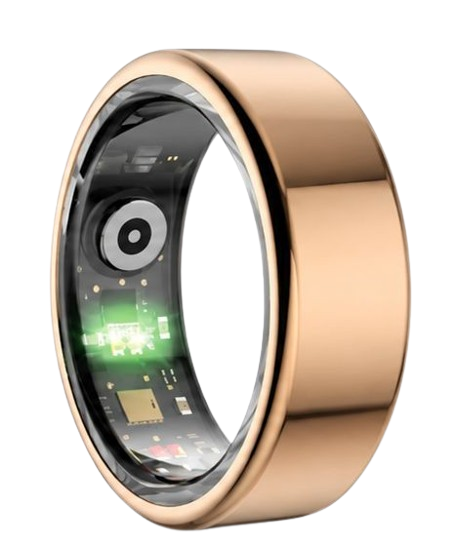
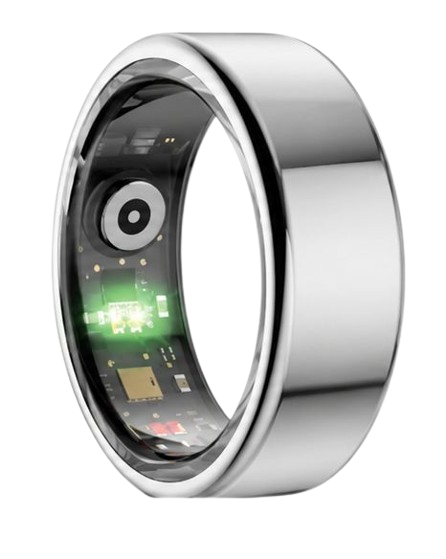
The Herz P1 Smart Ring tracks HRV, Sleep, Heart Rate & SpO2 around the clock. No subscriptions. No renewals. Ever.
In This Article
- The Clinical Science of Bed Divorces: Understanding the 5W2H biological mechanism of sleeping in separate bedrooms.
- Physiological Impact on Sleep Architecture: How co-sleeping micro-arousals disrupt your Deep and REM cycles.
- The Role of Biometric Wearables: How precise PPG smart rings validate your nightly recovery metrics.
- Preserving Emotional Closeness: Practical solutions for maintaining intimacy while prioritizing physical sleep.
Is a Bed Divorce Healthy for Couples Sleep Quality? What the Research Says
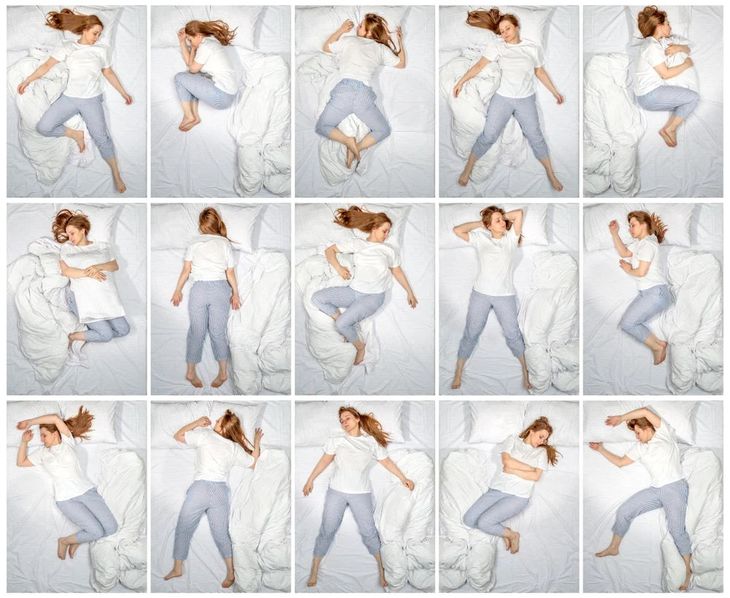
A restorative night of sleep is the absolute foundation of your cardiovascular, metabolic, and mental health.
Yet, millions of adults suffer from chronic exhaustion because their partners toss, turn, snore, or keep mismatched schedules.
To address this, an increasing number of couples are opting for what sleep researchers call a bed divorce.
But is sleeping in separate beds actually a healthy lifestyle choice, or does it signal a deeper rift in your relationship?
Let us look at this growing wellness trend using the structured 5W2H framework to understand its true biological and relational impact.
What is a Bed Divorce?
Simply put, it is a deliberate arrangement where partners choose to sleep in separate beds or different rooms to prevent sleep disruption.
It is also referred to as a sleep divorce, and it does not imply emotional disconnection or marital trouble.
Instead, it is a practical approach designed to optimize personal recovery and protect overnight wellness.
To fully grasp the concept, it helps to understand what is sleep divorce in both its physical and psychological dimensions.
Who Should Consider It?
This strategy is highly beneficial for couples facing mismatched circadian rhythms, severe chronic snoring, or different work schedules.
Light sleepers who wake up at the slightest mattress movement are also primary candidates.
Additionally, those dealing with medical issues like restless leg syndrome find immense relief when sleeping solo.
When partners have different physiological needs, ignoring these differences can lead to daytime cognitive decline.
When Does It Matter Most?
The timing of your sleep is governed by your biological clock, which can vary wildly between individuals.
An early bird paired with a night owl will naturally experience constant sleep schedule collisions.
This conflict becomes critical when one partner constantly wakes the other during their deep sleep stage.
It also matters during high-stress work weeks when peak cognitive recovery is non-negotiable.
Where Does It Occur?
While some couples set up entirely separate bedrooms, others find success by simply placing two twin mattresses side-by-side.
The physical environment must be optimized for individual comfort, including custom lighting, room temperature, and bedding.
The setup can take place in a designated guest room or a divided master suite depending on household space.
Regardless of the physical layout, the goal is to create a personalized sleep sanctuary.
Why Does It Happen?
The primary driver is the biological need to avoid chronic co-sleeping sleep disruption.
When you share a bed, your partner’s movements can cause micro-arousals that you might not even remember the next morning.
These disruptions elevate cortisol levels and keep your body in a state of low-grade stress.
Over time, this lack of restorative sleep can lead to resentment, daytime fatigue, and weakened immunity.
How Does It Work?
The mechanism relies on eliminating external sensory inputs like sound, movement, and light changes.
By sleeping in a controlled, isolated environment, your brain can transition smoothly through all vital sleep cycles.
Your nervous system remains in a calm parasympathetic state rather than being repeatedly jarred by a partner’s snoring.
This uninterrupted rest allows your cardiovascular system to experience the natural blood pressure dipping required for heart health.
How Much Recovery Do You Gain?
Clinical data suggests that resolving co-sleeping disturbances can increase deep slow-wave sleep by up to 20%.
This change directly correlates with lower resting heart rates and a healthier heart rate variability (HRV) baseline.
Couples also report a dramatic reduction in morning arguments, showing that better sleep fosters a happier relationship.
By tracking these metrics, you can see the precise quantitative benefits of your new sleeping arrangement.
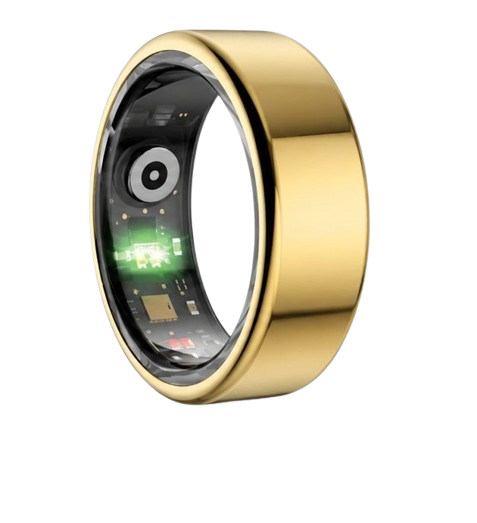
If you want to track this in real-time, the Herz P1 Smart Ring monitors your sleep stages and heart rate variability 24/7 without annoying alerts or monthly fees — explore it here.
90-Day 100% Money-Back Guarantee
“The Herz Smart Ring helps me manage stress easily. It’s accurate, stylish, and lightweight—perfect for my busy life!”
— Jennifer P. | ✔ Verified Customer
- ✓ 6-Day Battery Life
- ✓ Detailed Sleep Analysis
- ✓ Fast 1-Hour Charging
- ✓ iOS & Android Ready
Questions? Call: 1-866-479-1629
How Co-Sleeping Disturbances Impact HRV and Sleep Architecture
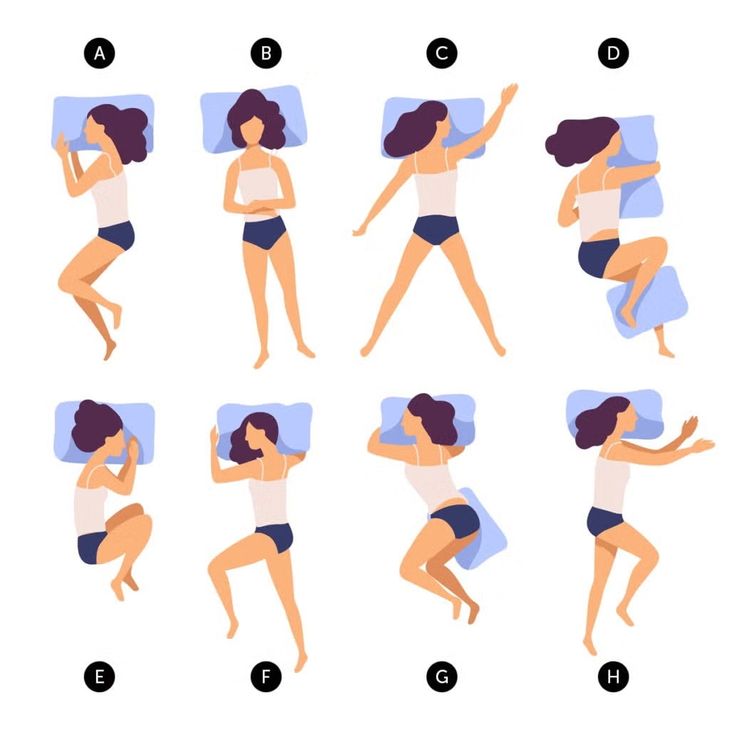
When we share a bed, our sleep architecture is rarely entirely under our own control.
Sleep architecture refers to the cyclical transition between light, deep, and REM sleep stages.
Each of these stages plays a critical role in cellular repair, memory consolidation, and hormonal balance.
If your partner moves, rolls over, or snores, your brain registers the sensory input and pulls you into a lighter sleep stage.
These sudden transitions are known as micro-arousals, and they can occur dozens of times a night without your conscious awareness.
The result is a fragmented sleep profile that leaves you feeling drained despite spending eight hours in bed.
To understand how this affects different genders, we must look closely at the science of male vs female sleep patterns.
Studies show that women are biologically more susceptible to environmental sleep disturbances than men.
This discrepancy is deeply rooted in hormonal fluctuations, higher sensory sensitivity, and distinct circadian cycle lengths.
To learn more about these biological differences, you can read the latest research on gender sleep differences.
The Autonomic Nervous System and HRV
Repeated nightly awakenings trigger a mild fight-or-flight response within the sympathetic nervous system.
This response causes a spike in nocturnal heart rate and a corresponding drop in heart rate variability (HRV).
HRV measures the variation in time between consecutive heartbeats, serving as a direct window into autonomic health.
A high HRV indicates a well-rested, highly adaptable cardiovascular system that is ready to tackle daily stress.
Conversely, a low HRV suggests a fatigued nervous system stuck in a state of chronic sympathetic dominance.
When you share a bed with a restless partner, your HRV score can drop significantly over consecutive nights.
This prolonged stress response can elevate daytime blood pressure and contribute to cardiovascular strain over time.
By opting for a sleep split, you allow your autonomic nervous system to fully recover and boost your autonomic balance.
Deep and REM Sleep Deprivation
Deep sleep is the physical restoration phase where growth hormone is released to repair muscles and tissues.
REM sleep is the mental restoration phase essential for emotional regulation and cognitive function.
Both stages are highly sensitive to mattress vibrations, ambient noise, and sudden temperature shifts.
If your deep or REM sleep is repeatedly cut short, your brain cannot clear metabolic waste efficiently.
This structural deficit impairs memory, slows physical recovery, and heightens daily anxiety levels.
While co-sleeping can foster emotional bonding, it can also compromise physical sleep quality if disruptions are frequent.
Balancing these two priorities is a challenge that requires careful communication and accurate physical tracking.
To explore how intimacy interacts with rest, take a look at the physiological relationship between sex and sleep.
Tracking the Shift: How Bio-Wearables Validate Separate Sleeping Decisions

Making the decision to sleep in separate beds can feel like a major emotional step for any couple.
To remove the emotional guesswork, many modern couples are turning to precise biometric tracking devices.
By collecting hard data, you can objectively measure how your sleep setup affects your actual recovery.
This is where sleek, lightweight wellness trackers like smart rings become invaluable tools.
Traditional smartwatches can be bulky and uncomfortable to wear while sleeping, often causing their own disruptions.
In contrast, a high-precision smart ring sits comfortably at the base of your finger all night long.
For couples looking to optimize their sleep environment together, using couples smart rings provides clear, shared insights.
These devices allow both partners to compare their sleep quality scores before and after a trial separation.
How Optical Sensors Read Your Body
Smart rings utilize advanced multi-wavelength photoplethysmography (PPG) sensors to track your biometrics.
These optical sensors emit light into the dense capillary network at the base of your finger.
By measuring the variations in light absorption, the ring calculates blood flow, pulse rate, and oxygen levels.
The finger is an ideal location for PPG tracking because the digital arteries are highly accessible.
This placement offers superior signal-to-noise ratio compared to the wrist, where muscle movement and bone structure can interfere.
This allows smart rings to deliver highly accurate readings for resting heart rate, SpO2, and micro-awakenings.
For those interested in a dual-purpose device, some even choose a stylish option like a tracking wedding ring.
This allows you to maintain your commitment symbol while quietly monitoring your essential health metrics 24/7.
Key Metrics to Monitor
To determine if a bed divorce is truly benefiting your health, you should monitor three primary metrics.
First, check your Sleep Quality Score, which looks at total sleep duration, sleep efficiency, and deep-to-REM ratios.
Second, track your Heart Rate Variability (HRV) during the night to see if your autonomic nervous system is relaxing.
Third, keep an eye on your blood oxygen saturation (SpO2) to identify potential breathing issues like sleep apnea.
A significant increase in deep sleep percentage and overnight HRV is a clear sign that sleeping apart is working.
If your scores remain flat, your sleep issues may stem from other factors like diet, stress, or caffeine intake.
By making data-informed adjustments, you can systematically design the ultimate sleep environment for your body.
Practical Application: Navigating a Sleep Divorce Without Disconnecting
Deciding to sleep in separate rooms does not mean you have to sacrifice the emotional closeness in your relationship.
In fact, many couples find that their relationship improves when both partners are fully rested and less irritable.
The key is to approach the transition with open communication, clear boundaries, and shared goals.
Start by framing the conversation around physical health and mutual recovery rather than emotional distance.
You can schedule dedicated snuggle time before bed before heading to your respective sleep spaces.
This ensures you still enjoy physical connection without compromising on high-quality, uninterrupted sleep.
Sharing your health journey can also build a unique, modern sense of emotional intimacy.
By utilizing smart features, you can easily share your sleep scores and recovery trends with each other.
For example, you can set up a shared digital dashboard using smart ring health sharing options.
This allows you to support each other’s wellness goals and celebrate improved recovery metrics together.
If you have a larger household, you can extend this collaborative tracking to the whole family.
Explore the benefits of family sharing health rings to keep everyone on the same page regarding restorative sleep.
Step-by-Step Sleep Divorce Protocol
If you are ready to try sleeping apart, we suggest following this structured four-week protocol:
- Communicate openly: Discuss the change as a health experiment, not a relationship evaluation.
- Establish touchpoints: Maintain routine morning and evening connection times to protect your intimacy.
- Optimize separate spaces: Ensure both sleeping areas are cool, dark, quiet, and highly comfortable.
- Track metrics: Use your smart ring to compare your sleep efficiency and deep sleep trends over 30 days.
Overcoming Risks and Wearable Misconceptions
One of the biggest mistakes people make when tracking sleep is wearing a bulky, uncomfortable smartwatch to bed.
The heavy chassis and bright, sudden screen wakeups can actually cause additional sleep disruptions.
Furthermore, many premium smart rings on the market lock your valuable health data behind ongoing monthly paywalls.
These hidden fees add up quickly, turning a simple health tracker into an expensive yearly subscription burden.
At Team Herz P1, we believe your biometric data belongs to you, which is why our companion app is free for life.
Our ring is crafted from ultra-lightweight, military-grade steel designed to withstand daily wear without scratching.
With an IP68 waterproof rating, you can wear it in the shower, the pool, or the sauna without worry.
By choosing a subscription-free smart ring, you invest in a lifetime of health insights without recurring costs.
Frequently Asked Questions (FAQ)
Is the Herz P1 Smart Ring waterproof?
Yes, the Herz P1 features a certified IP68 waterproof rating.
This means it is completely dust-tight and can withstand continuous immersion in water up to 164 feet deep.
You can wear it while washing hands, showering, swimming, or doing water activities without any risk of damage.
How long does the battery last on a single charge?
Our smart ring is engineered with highly efficient power management systems.
It delivers up to 6 days of continuous tracking on a single charge under normal usage conditions.
When the battery is low, it charges from 0% to 100% in under one hour using the magnetic charging dock.
Which finger is best for wearing the smart ring?
For the most accurate biometric readings, we recommend wearing the ring on your index, middle, or ring finger.
The index finger typically offers the highest capillary density, providing the cleanest PPG optical signal.
Ensure the ring fits snugly but comfortably without rotating too easily around the knuckle.
Does the ring store my biometric data when offline?
Yes, the Herz P1 has robust local storage capabilities built directly into its microchip.
It can store up to 7 days of detailed biometric data offline without requiring an active Bluetooth connection.
Once you open the app, all stored data syncs automatically to your secure personal dashboard.
Conclusion
Sleeping in separate beds can be a highly effective, scientifically validated way to restore your sleep quality, reduce physical stress, and protect your relationship.
Ready to monitor your health every day? Explore the Herz P1 Smart Ring and see if it fits your lifestyle. Call: 1-866-479-1629 — our team can help you advise on the correct ring size and set personalized health goals.
Note: Individual results may vary depending on individual health conditions, age, and lifestyle habits. This article is intended for general health reference purposes only.
