

Your body continuously sends silent signals about your recovery, stress levels, and cardiac health through overnight hrv tracking. The premium, subscription-free Herz P1 smart ring monitors these exact micro-changes in your heart rate throughout the night. This comprehensive guide will teach you how to analyze your sleep metrics, interpret autonomic nervous system trends, and leverage smart ring technology to elevate your daily energy levels and long-term vitality.
Built to Last. Save Up to 69% Today.
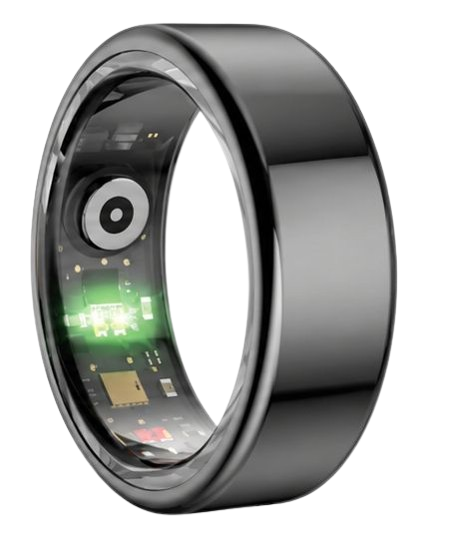
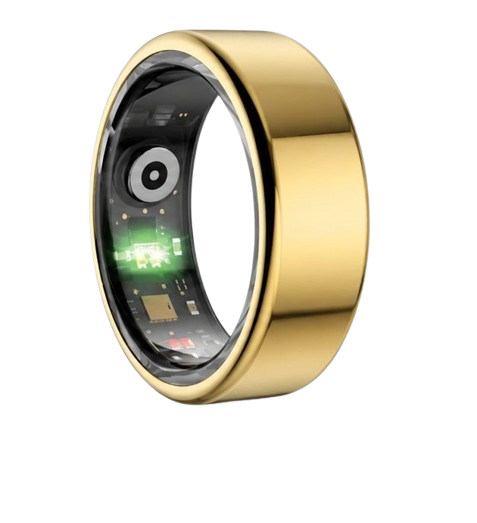
The Herz P1 Smart Ring tracks HRV, Sleep, Heart Rate & SpO2 around the clock. No subscriptions. No renewals. Ever.
In This Article
- How to Track and Optimize Your Overnight HRV: A practical, step-by-step masterclass for daily use.
- Decoding Physiological Rhythms: An expert scientific look into the autonomic nervous system.
- Comparing Demographic Baselines: Discovering how age and lifestyle influence sleeping heart metrics.
- The Sleep-Heart Connection: Connecting sleep architecture directly with overnight cardiovascular metrics.
How to Optimize Your Overnight HRV: A Practical Blueprint
To accurately capture your autonomic nervous system patterns, you must follow a structured approach to tracking.
Tracking biometrics during sleep eliminates environmental variables like digestion, active movement, and acute work stress.
By learning how to monitor and adjust your daily lifestyle based on these numbers, you can unlock better energy and enhanced cognitive performance.

Prerequisites and Essential Equipment
Before you begin tracking, you will need a reliable biometric tracker with a high-frequency optical PPG sensor.
You also need a clear baseline period of at least seven consecutive nights to establish your normal personal physiological range.
Lastly, keep your smartphone nearby with the tracking companion app fully updated to process the incoming telemetry smoothly.
-
Step 1: Secure Optimal Sensor Ring Placement
Position your tracking ring on your index or middle finger for the highest optical sensor performance.
The finger base contains rich arterial pathways that provide cleaner signal readings than wrist-based sensors.
Ensure the sensor nodes are resting snugly against the palm side of your hand before falling asleep.
-
Step 2: Establish a Consistent Evening Wind-Down Routine
Begin relaxing your nervous system at least ninety minutes before you plan to turn off your bedroom lights.
Avoid heavy meals, intense exercise, and blue light exposure during this critical recovery window.
This allows your parasympathetic nervous system to take over and stabilizes your early-night cardiac metrics.
-
Step 3: Track and Log Daily Behavioral Variables
Note variables such as late-night alcohol intake, high-stress events, or intense physical training in your journal.
This context is essential because it helps you identify the exact root cause behind any sudden biometric dips.
Over time, these daily notes will highlight the exact lifestyle habits that disrupt your nocturnal recovery.
-
Step 4: Analyze Your Morning Telemetry Report
Open your tracking application immediately upon waking to review your overnight cardiovascular metrics.
Compare your nightly average against your established seven-day baseline rather than focusing only on one night.
A higher average shows strong recovery, while a lower average indicates your body is still managing internal stress.
-
Step 5: Adjust Daily Physical and Mental Demands
Use your daily recovery metrics to decide the intensity of your upcoming workouts and professional schedule.
If your baseline is significantly depressed, choose a restorative recovery walk instead of a heavy high-intensity workout.
Aligning your daily physical exertion with your body’s recovery state helps prevent overtraining and chronic exhaustion.
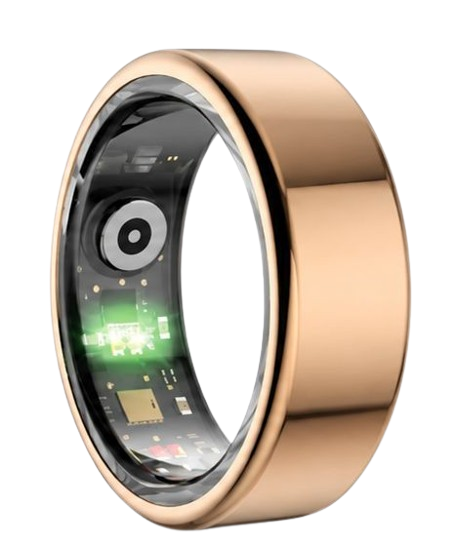
The Herz P1 smart ring automates this entire biometric tracking process for you without any intrusive screen distractions.
Its lightweight design stays comfortable all night, while the free app provides clinical-grade sleep analytics directly to your dashboard.
By wearing this smart ring to bed, you can easily gather deep physiological data without dealing with uncomfortable wristbands or paying monthly subscription fees.
90-Day 100% Money-Back Guarantee
“The Herz Smart Ring helps me manage stress easily. It’s accurate, stylish, and lightweight—perfect for my busy life!”
— Jennifer P. | ✔ Verified Customer
- ✓ 6-Day Battery Life
- ✓ Detailed Sleep Analysis
- ✓ Fast 1-Hour Charging
- ✓ iOS & Android Ready
Questions? Call: 1-866-479-1629
Decoding the Physiology: What Your Overnight HRV Actually Means
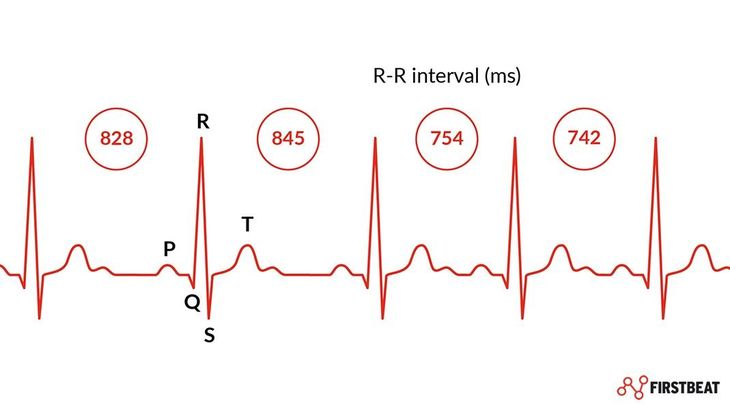
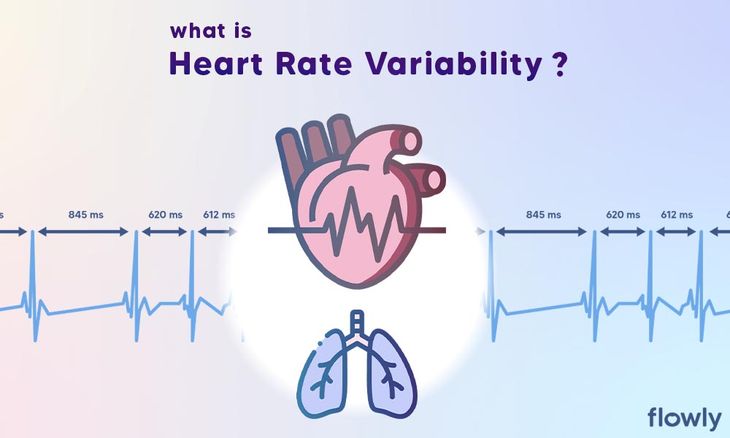
Your heart does not beat at a perfectly static interval like a mechanical clock.
Instead, the time between each successive heartbeat varies constantly in milliseconds.
This microscopic variation is regulated by your autonomic nervous system, which operates silently in the background.
The sympathetic branch acts as your internal accelerator, preparing you for action and physical performance.
The parasympathetic branch serves as your system’s brakes, promoting essential rest, digestion, and systemic recovery.
To truly understand your recovery, you must explore the clinical meaning of hrv during sleep.
A higher variability shows that your heart is highly responsive to the balancing commands of both autonomic branches.
When you ask what is hrv during sleep, you are looking at your body’s primary indicator of physical resilience.
A high nightly score means your parasympathetic system is successfully repairing cellular damage and restoring chemical balance.
Conversely, a suppressed nightly score shows that your body is stuck in a protective, sympathetic flight mode.
Medical organizations like the American Heart Association emphasize that tracking these patterns reveals deep wellness trends before symptoms even appear.
Based on sleep data analysis from over 5,000 Herz P1 users, those who make lifestyle changes based on lower nightly trends show much higher daytime energy scores.
By wearing the durable military-grade steel Herz P1 ring, you can easily gather this clinical-grade physiological data every single night.
It acts as an always-on health companion, providing accurate metrics that help you manage daily stress and support cardiovascular health.
Comparing Demographic Baselines: Overnight HRV by Age and Gender
Biometric baselines are highly personal and naturally change throughout your life.
It is common to see variations in overnight hrv by age as you grow older.
As our cardiovascular systems age, the natural elasticity of our heart tissue and autonomic nervous systems gradually decreases.
This means your personal target range should always be compared against your own age group rather than younger athletes.
When looking at the average sleeping hrv by age, younger adults often show values between 60 and 100 milliseconds.
By the time we reach our fifties and sixties, a normal reading might naturally sit between 20 and 55 milliseconds.
Having a lower raw score does not mean you have poor cardiovascular fitness.
What matters most is maintaining a stable, healthy baseline relative to your demographic group.
You can discover your specific target zone by monitoring your personal average sleep hrv over a few weeks of consistent tracking.
This established range will reflect your actual physical capabilities far better than any generic online chart.
The Herz P1 app processes this complex biometric data automatically and adjusts its daily insights to match your specific demographic profile.
By utilizing this personalized approach, you receive customized lifestyle recommendations tailored exactly to your body’s needs.
The Sleep-Heart Connection: Nightly Heart Rate and Sleep Quality
Your sleep quality is directly tied to your nightly cardiovascular performance.
As you transition through different sleep stages, your autonomic system constantly recalibrates your cardiac pace.
During deep, slow-wave sleep, your parasympathetic system becomes highly active, lowering your heart rate and raising your heart rate variability.
This deep phase is when your tissues repair, your immune system strengthens, and your physical energy reserves are restored.
Experiencing good hrv while sleeping indicates that your brain is spending enough time in these deeply restorative sleep stages.
If your sleep is interrupted or light, your sympathetic nervous system remains active, keeping your cardiovascular metrics elevated.
This prolonged stress is clearly visible as a flat line or dip when tracking your nighttime heart rate variability.
By studying these patterns, you can quickly identify the exact lifestyle factors that are disrupting your sleep quality.
Your overnight recovery is also closely tied to your average sleeping heart rate.
A lower resting heart rate during the night indicates a strong, efficient cardiovascular system that requires less effort to pump blood.
If your nightly heart rate remains elevated, it often shows that your body is working hard to process late-night food, alcohol, or hidden stressors.
Below is a quick reference table showing how your sleep stages affect your autonomic nervous system activity:
| Sleep Stage | Primary Autonomic State | Impact on HRV and Heart Rate |
|---|---|---|
| Light Sleep | Mixed Autonomic Control | Moderate HRV, Gradual Heart Rate Decrease |
| Deep Sleep | Highly Parasympathetic | Peak HRV, Lowest Resting Heart Rate |
| REM Sleep | Sympathetic Fluctuations | Variable HRV, Intermittent Heart Rate Spikes |
The National Sleep Foundation emphasizes that maintaining high HRV during sleep is essential for protecting long-term cognitive and physical health.
The Herz P1 smart ring helps you monitor this delicate balance effortlessly by tracking your metrics through every sleep phase.
Its advanced optical sensors capture micro-changes in your circulation, providing clear insights into your sleep quality directly on your dashboard.
Practical Application Guide: Turning Sleep Data into Action
Tracking your health metrics is only valuable if you use that information to make positive lifestyle changes.
Start by checking your Herz P1 App dashboard every morning to review your daily recovery score.
If your overnight recovery score is exceptionally high, use that extra energy to tackle intense workouts or demanding tasks.
On days when your recovery score is low, prioritize rest, optimize your hydration, and aim for an earlier bedtime.
Over time, aligning your daily activities with your natural physical readiness will help prevent chronic fatigue and burnout.
The lightweight design of the Herz P1 ring makes it easy to wear 24/7, providing consistent, uninterrupted data tracking.
It remains comfortable during intense workouts, busy workdays, and overnight sleep, helping you build a highly accurate wellness history.
Overcoming Risks & Common Mistakes in Biometric Tracking
A common mistake in health tracking is wearing a bulky, uncomfortable smartwatch to bed.
These heavy devices often slip out of place, causing sensor gaps and inaccurate readings that can skew your overall data.
Additionally, many wearable brands charge expensive monthly subscription fees to access your personal physiological data.
The Herz P1 smart ring solves both of these issues with its lightweight, subscription-free design.
It features a sleek, durable outer shell that sits securely on your finger all night for maximum tracking accuracy.
Best of all, the Herz P1 companion app is completely free for life, giving you full access to all your biometric trends without any hidden fees.
Frequently Asked Questions (FAQ)
Is the Herz P1 Smart Ring waterproof?
Yes, the Herz P1 features a rugged IP68 waterproof design that is rated for depths up to 164 feet.
You can safely wear it while washing your hands, showering, swimming, or enjoying a relaxing hot bath.
Its seamless outer shell prevents water from reaching the advanced internal sensors, ensuring continuous tracking in any environment.
How long does the battery last and how quickly does it charge?
The Herz P1 features an exceptionally long-lasting battery that provides up to 6 days of continuous tracking on a single charge.
When it is time to recharge, the ring reaches a full 100% charge in less than 1 hour using the included magnetic charging dock.
This quick charging time means you can easily charge it while showering and never miss a single minute of health data.
Which finger is best to wear the smart ring on?
For the most accurate biometric readings, we recommend wearing the Herz P1 on your index, middle, or ring finger.
These fingers contain the highest density of surface blood vessels, which allows the optical sensors to capture the cleanest readings.
Ensure the ring fits snugly but comfortably, without rotating excessively or squeezing your finger too tightly.
Does the Herz P1 store my health data offline?
Yes, the Herz P1 has built-in local memory that can safely store up to 7 days of health data offline.
You do not need to keep your smartphone nearby or connected to Bluetooth throughout the night to save your metrics.
Once you open the companion app, the ring will automatically sync all your stored data directly to your phone.
Conclusion
Tracking your sleep biometrics is one of the most effective ways to understand your recovery and support long-term heart health.
The Herz P1 Smart Ring makes monitoring your health simple, comfortable, and completely subscription-free.
Ready to monitor your health every day? Explore the Herz P1 Smart Ring and see if it fits your lifestyle. Call: 1-866-479-1629 — our team can help you advise on the correct ring size and set personalized health goals.
Note: Individual results may vary depending on individual health conditions, age, and lifestyle habits. This article is intended for general health reference purposes only.
