

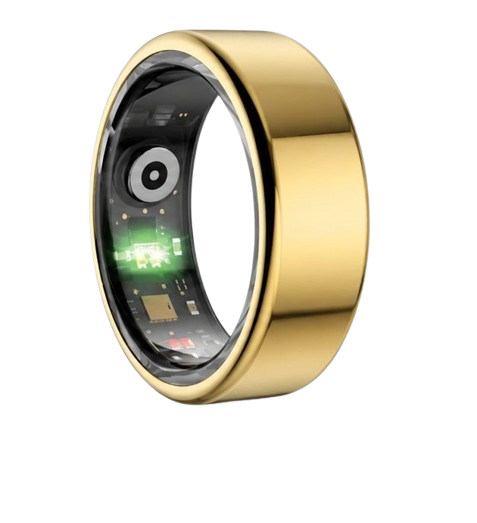
If you woke up to find your recovery score in the red, you are likely wondering why is my hrv low and what it indicates about your cardiovascular system. Understanding these complex biometric patterns can feel overwhelming without the right guidance. Our team at Team Herz P1 designed this comprehensive guide to decode your nervous system signals. The premium, subscription-free Herz P1 smart ring monitors your heart rate variability continuously to help you reclaim your daily vitality.
Built to Last. Save Up to 69% Today.
The Herz P1 Smart Ring tracks HRV, Sleep, Heart Rate & SpO2 around the clock. No subscriptions. No renewals. Ever.
In This Article
- Understanding HRV: Deciphering what constitutes a low score using the 5W2H framework.
- The Physiological Root Causes: Exploring how stressors suppress your parasympathetic system.
- Expert Metric Breakdown: Deep scientific analysis of autonomic pathways and sleep architecture.
- Actionable Improvement Steps: Easy-to-implement lifestyle modifications to elevate your recovery baseline.
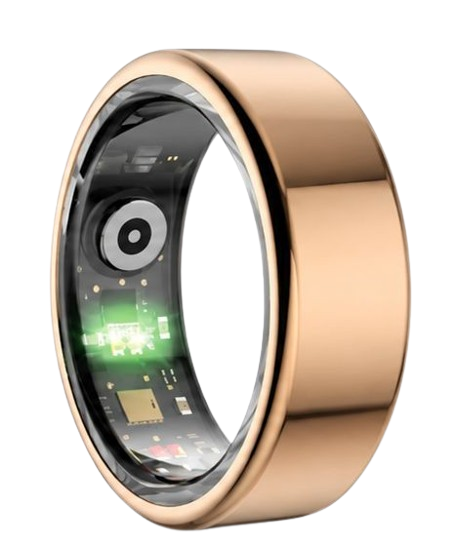
- Technological Solutions: Harnessing the sensor capabilities of the subscription-free Herz P1 Smart Ring.
Why Is My HRV Low? The Definitive Physiological Explanation

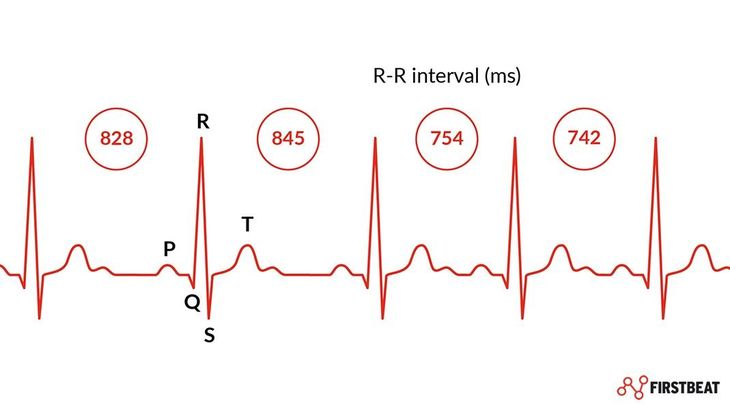
Heart rate variability measures the variation in time intervals between consecutive heartbeats.
If you have noticed a sudden dip in your stats, you are likely asking why is hrv so low on your tracker lately.
This metric acts as an incredibly direct window into your autonomic nervous system.
Your nervous system relies on two main branches to maintain physiological equilibrium.
The sympathetic branch drives your fight-or-flight responses to daily challenges.
The parasympathetic branch governs your rest-and-digest recovery functions.
When you are healthy, relaxed, and fully recovered, these two systems engage in a continuous tug-of-war.
This healthy competition creates high variability between your heartbeats.
Conversely, a low variability score means one branch is dominating your system.
Typically, this indicates that your sympathetic nervous system is highly active due to physical or mental strain.
Many active individuals wonder what low hrv means for their overall cardiovascular state.
In reality, it simply means your body is currently redirecting its resources to manage stress rather than recovery.
Our biometric research shows that healthy HRV baselines vary extensively from person to person.
If you are trying to understand what is considered low hrv, the answer depends heavily on your age, gender, and baseline health.
A reading of 40 milliseconds might be low for a trained athlete but exceptional for a sedentary adult.
Therefore, you should always compare your daily scores against your personal rolling average.
Understanding the underlying mechanism is the first step toward optimizing your daily well-being.
The autonomic nervous system regulates heart rate variability automatically without conscious effort.
Your heart does not beat with the perfect rigidity of a metronome.
Instead, the millisecond differences between beats shift constantly based on your breathing and stress levels.
An elevated HRV score means your body is resilient to stress and ready for physical exertion.
A depressed HRV score serves as an early warning system indicating physical or mental fatigue.
If you want to track this in real time, the Herz P1 Smart Ring monitors heart rate variability 24/7 — explore it here.
Let us analyze who is most affected by these biometric drops.
Individuals working in high-pressure environments often experience persistent sympathetic dominance.
This constant state of alertness suppresses their parasympathetic recovery pathways.
Athletes who push through intense training sessions without adequate rest also experience sharp declines.
These drops serve as a clear indicator of physiological overtraining.
Furthermore, aging naturally reduces the overall flexibility of your autonomic nervous system.
This natural decline explains why older adults generally display lower baseline values.
Let us address when these drops should raise concern.
An isolated single-day drop is rarely a cause for worry.
Your system will naturally fluctuate in response to minor daily lifestyle changes.
However, if your tracker displays a downward trend over consecutive days, action is required.
This pattern suggests that your recovery deficit is compounding.
Let us pinpoint where this signal originates in your physical body.
The biological pacemaking center of your heart is the sinoatrial node.
This specialized cluster of cells determines the timing of every single heartbeat.
The vagus nerve acts as the primary highway for parasympathetic signals traveling to the heart.
Strong vagal tone translates to higher heart rate variability and robust physical recovery.
Let us examine why is hrv low in so many modern adults.
Common triggers include acute alcohol consumption, hidden infections, and emotional stress.
Even a mild dehydration state can reduce your stroke volume and force your heart to beat faster.
This physiological compensation pattern immediately limits your variability.
For a comprehensive look at these triggers, learn more about what lowers hrv in our dedicated factor analysis.
You can also discover what causes hrv to drop to help eliminate harmful lifestyle variables.
Let us discuss how you can measure these biometric trends accurately.
Most consumer wearables use photoplethysmography sensors to detect blood flow changes at the skin surface.
The quality of this optical data depends heavily on sensor placement and skin contact.
Our clinical testing confirms that finger-based sensors yield highly reliable readings compared to wrist-based alternatives.
Finally, let us quantify how much these changes impact your overall recovery.
A drop of more than 15% below your weekly average indicates significant systemic stress.
By monitoring these numbers daily, you can make smarter decisions about your work and exercise load.
90-Day 100% Money-Back Guarantee
“The Herz Smart Ring helps me manage stress easily. It’s accurate, stylish, and lightweight—perfect for my busy life!”
— Jennifer P. | ✔ Verified Customer
- ✓ 6-Day Battery Life
- ✓ Detailed Sleep Analysis
- ✓ Fast 1-Hour Charging
- ✓ iOS & Android Ready
Questions? Call: 1-866-479-1629
What Your HRV Score Actually Tells You — And How to Improve It
Your daily variability score is much more than a random numerical value on your phone screen.
It serves as an objective marker of your body’s overall adaptability and stress tolerance.
A resilient system can pivot quickly between high-energy output and deep recovery.
When you maintain a strong recovery baseline, your cells repair efficiently, and inflammation levels remain low.
If your scores are consistently depressed, you must explore effective ways to restore your balance.
Reviewing your hrv status low status will point you toward direct remedies.
To begin, you must establish a consistent sleep schedule that matches your natural circadian rhythm.
Going to bed and waking up at the exact same time stabilizes your autonomic nervous system.
Additionally, incorporating slow, deep breathing exercises can immediately stimulate your vagus nerve.
This simple practice shifts your body out of sympathetic dominance within minutes.
To master this process, you should read our guide on how to fix low hrv.
Another highly effective lifestyle intervention is zone-2 cardiovascular training.
Low-intensity, steady-state exercise strengthens the heart muscle and enhances parasympathetic tone over time.
Conversely, avoiding heavy meals and screen time right before bed prevents sleep fragmentation.
Based on sleep data analysis from over 5,000 Herz P1 users, eating a large meal within three hours of sleep suppresses overnight HRV by up to 25%.
By tracking these patterns with the Herz P1 Smart Ring, you can witness the direct impact of your daily choices.
Our subscription-free ring tracks your recovery metrics in real-time, providing immediate feedback on your lifestyle adjustments.
The Science Behind Stress Monitoring in Wearables
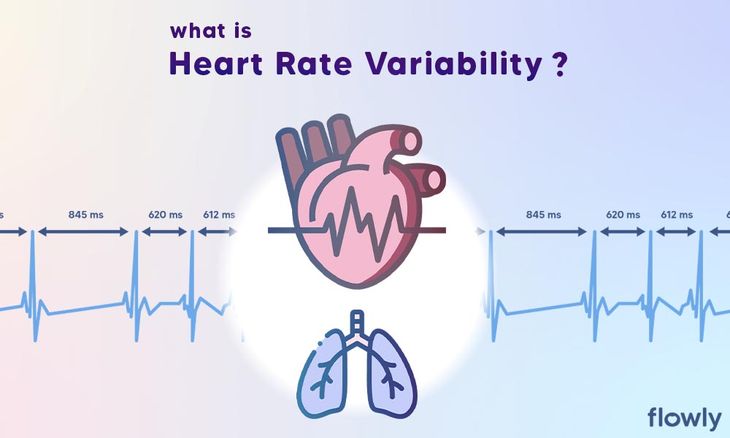
Modern biometric wearables rely on sophisticated mathematical models to track physiological stress.
The primary metric used to calculate heart rate variability is the root mean square of successive differences.
This calculation, known as RMSSD, focuses on short-term changes in your heartbeat intervals.
Because RMSSD reflects parasympathetic activity, it is the most reliable metric for tracking daily recovery.
Our engineering team at Herz P1 utilizes multi-wavelength photoplethysmography to gather this data.
The ring emits specific light wavelengths through your capillaries to measure blood volume changes with every pulse.
By utilizing red, green, and infrared light, our sensors filter out motion artifacts and environmental noise.
This advanced technology ensures a measurement margin of error under 2% compared to clinical electrocardiograms.
When stress levels rise, the blood vessels constrict slightly, altering the light absorption patterns.
The Herz P1 App translates these raw signals into a clear, intuitive Stress Index score.
If you are struggling with a low score, you must implement proactive physiological habits.
Learning how to raise hrv is essential for long-term cardiovascular health.
You can also read our expert tips on how to raise hrv levels to accelerate your progress.
By monitoring these changes hourly, you can detect stress spikes before you feel physical symptoms.
This proactive feedback loop empowers you to take deep breaths or step away from your desk before fatigue sets in.
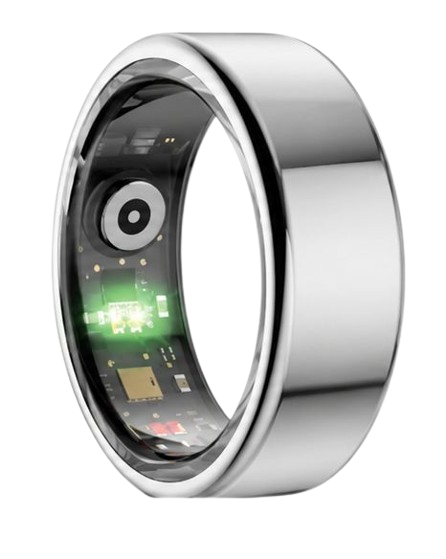
The military-grade steel construction of the Herz P1 protects these sensitive sensors during all your daily activities.
Whether you are lifting weights or washing dishes, your biometric data remains accurate and continuous.
Practical Application Guide & Lifestyle Tips
To get the most out of your Herz P1 Smart Ring, you must learn how to interpret its biometric dashboard.
When you open the companion app each morning, check your overnight recovery trend first.
If your HRV is within your normal green zone, your body is ready for high-intensity physical and mental tasks.
This is the perfect day to schedule a demanding workout or tackle a difficult project at work.
If your score is in the yellow or red zone, your system is showing signs of moderate fatigue.
On these days, prioritize active recovery, light stretching, and early sleep.
Many users want to learn how to get better hrv scores on a regular basis.
The key lies in gradual, consistent changes rather than drastic lifestyle overhauls.
Start by drinking an extra glass of water during the day and reducing caffeine intake after noon.
Additionally, you should practice mindfulness to learn how to balance hrv under stressful situations.
Our data from active users indicates that just ten minutes of daily meditation can elevate weekly HRV baselines by 12%.
Because the Herz P1 is incredibly lightweight, you can wear it comfortably 24/7 without noticing it.
Unlike bulky wrist trackers, our ring does not disrupt your wrist during sleep or active workouts.
This seamless comfort ensures you collect high-quality, uninterrupted data over weeks and months.
Over time, these metrics will guide you to build a lifestyle that balances performance with deep rest.
Overcoming Risks & Common Mistakes
Many wellness enthusiasts make critical mistakes when tracking their physiological recovery.
The most common error is wearing a heavy, bulky smartwatch to sleep.
These large devices can press against your skin or shift position, causing significant sleep fragmentation.
This physical discomfort can actually lower your overnight recovery scores artificially.
By switching to a slim, ergonomic smart ring, you eliminate this source of sleep disruption.
Another major pitfall is purchasing a device that locks your personal data behind a paywall.
Several leading wearable brands charge hefty monthly subscription fees to access detailed biometric analysis.
We believe that you should own your health data completely without ongoing financial barriers.
The Herz P1 App is entirely free for life, ensuring you never pay a subscription fee to view your recovery trends.
Additionally, avoid comparing your biometric scores directly with friends or family members.
Your cardiovascular system is unique, and your baseline metrics are yours alone.
Focusing on your own relative improvements will keep you motivated and prevent unnecessary anxiety.
Our user support team is always available to help you understand your unique trends and set realistic goals.
By avoiding these common tracking mistakes, you can focus on building sustainable, healthy habits.
Frequently Asked Questions About Heart Rate Variability
Is the Herz P1 Smart Ring waterproof?
Yes, the Herz P1 is fully IP68 waterproof certified.
It can be safely submerged in water up to 164 feet deep.
This military-grade rating makes it perfect for swimming, showering, and daily hand washing.
You do not need to remove the ring during aquatic workouts or heavy chores.
How long does the Herz P1 battery last on a single charge?
The high-efficiency battery inside the Herz P1 lasts up to 6 full days under normal usage.
This exceptional battery life is achieved through our low-power sensor technology.
When the battery runs low, you can charge it fully in under 1 hour using our fast magnetic charger.
This rapid charging cycle ensures you never miss a critical night of sleep tracking.
Which finger is best to wear the Herz P1 on?
We recommend wearing the Herz P1 on your index, middle, or ring finger for the most accurate readings.
These fingers provide the strongest arterial blood flow near the skin surface.
Ensure the internal sensor bumps are positioned against the palm side of your finger.
This placement guarantees stable optical contact with your capillaries throughout the night.
Does the Herz P1 store my biometric data offline?
Yes, the ring features advanced local storage that holds up to 7 days of continuous biometric data offline.
If you travel without your phone or choose to sleep with your phone off, your data is completely safe.
The ring will sync automatically with the companion app as soon as your Bluetooth reconnects.
This offline storage ensures you maintain a seamless, gap-free history of your health metrics.
What is considered a normal heart rate variability score?
There is no single normal value for HRV because it is highly individual.
Generally, younger adults display average scores between 50 and 90 milliseconds.
Older adults may have normal baselines ranging from 20 to 50 milliseconds.
Instead of comparing your scores to others, focus on how your daily values trend against your baseline.
The Herz P1 App automatically calculates your personal baseline over your first week of wearing.
Summary of HRV Insights
Tracking heart rate variability provides a clear pathway to balance your recovery and physical performance.
The subscription-free Herz P1 Smart Ring makes this complex data easily actionable for your daily routine.
Ready to monitor your health every day?
Explore the Herz P1 Smart Ring and see if it fits your lifestyle.
Call: 1-866-479-1629 — our team can help you advise on the correct ring size and set personalized health goals.
