

Understanding hrv during sleep is the ultimate key to unlocking your body’s hidden recovery signals every single night. If you wake up feeling chronically exhausted despite spending eight hours in bed, your autonomic nervous system might be struggling to find deep equilibrium. The premium Herz P1 smart ring monitors these exact micro-fluctuations continuously without any monthly subscriptions, providing clear answers so you can elevate your daily wellness with absolute confidence.
Built to Last. Save Up to 69% Today.
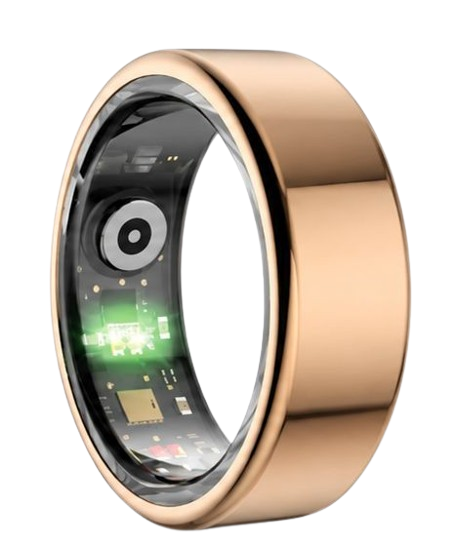
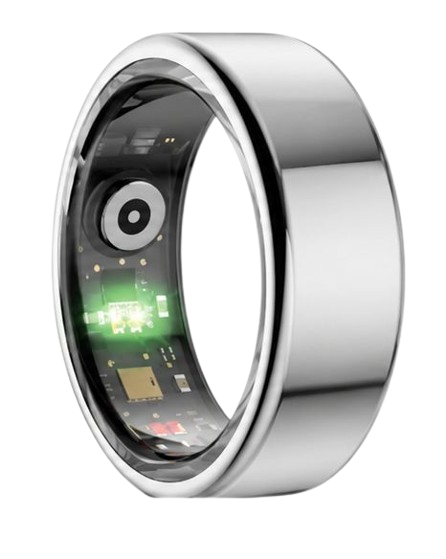
The Herz P1 Smart Ring tracks HRV, Sleep, Heart Rate & SpO2 around the clock. No subscriptions. No renewals. Ever.
In This Article
- The Core Physiology: Learn how autonomic balance dictates your nightly recovery variations.
- Biometric Deep-Dive: Discover RMSSD and why nighttime tracking is superior to daytime checks.
- Age-Group Benchmarks: Establish realistic reference ranges based on clinical standards.
- Actionable Solutions: Master the specific lifestyle habits that actively improve sleep biometrics.
What Is HRV During Sleep and How Does It Measure Recovery?
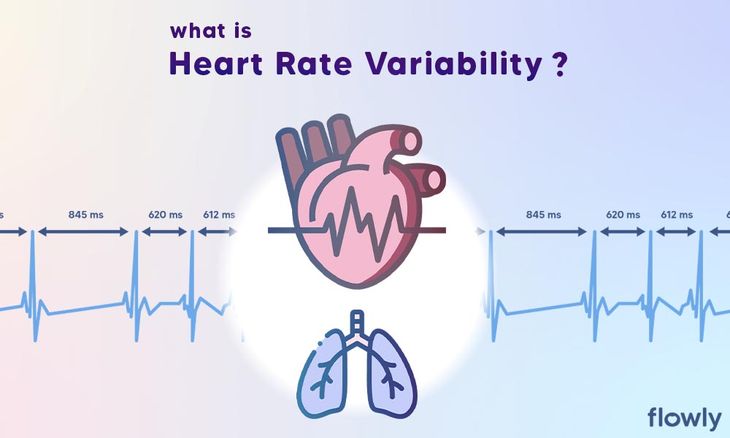
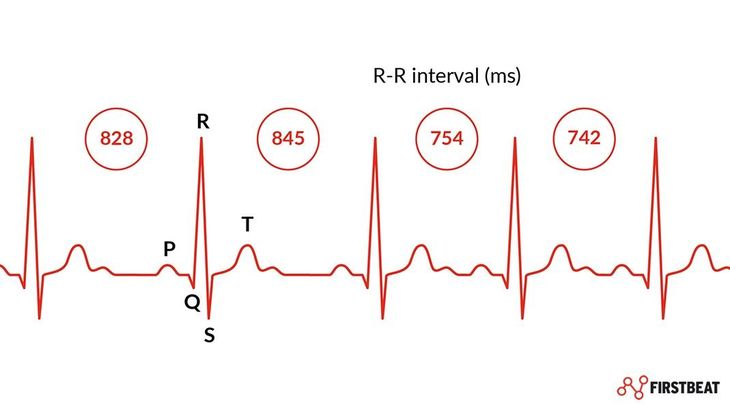
Heart rate variability measures the millisecond differences in time between successive heartbeats.
Your heart does not beat with the perfect, mechanical rhythm of a ticking metronome.
Instead, the interval between consecutive contractions constantly fluctuates based on signals from your brain.
This biological variance is controlled entirely by your autonomic nervous system.
This system features two distinct branches that operate in a continuous physiological tug-of-war.
The sympathetic branch acts as your body’s physiological accelerator, triggering the fight-or-flight response when you encounter stress.
The parasympathetic branch acts as the brakes, driving the rest-and-digest response that allows your vital organs to heal.
When you enter a state of deep sleep, your parasympathetic nervous system should ideally take full control of your cardiovascular system.
As the parasympathetic system dominates, the intervals between your heartbeats become highly variable and irregular.
This increased variance represents a highly adaptive, resilient, and well-rested cardiac muscle.
Conversely, when your body is under stress, the sympathetic system takes control, forcing your heart to beat in a rigid, highly metronomic pattern.
A compressed, non-variable heart rate during rest indicates incomplete physiological recovery.
This complex mechanism occurs directly within the sinoatrial node, which serves as the natural pacemaker of your heart.
Tracking your overnight hrv is highly superior to taking daytime spot-checks because it removes external variables.
During the day, physical movement, emotional conversations, caffeine, and environmental noises disrupt your autonomic balance.
During sleep, your body is isolated in a quiet, dark environment, allowing for a pure measurement of your baseline nervous system health.
Leading organizations like the American Heart Association confirm that nocturnal cardiovascular monitoring provides the most accurate reflection of cumulative systemic stress.
Busy office workers, competitive athletes, and individuals struggling with chronic fatigue can all utilize these trends to make informed lifestyle choices.
If you are looking for an effortless way to track this data, the Herz P1 Smart Ring monitors these metrics 24/7 without any subscription fees — explore it here.
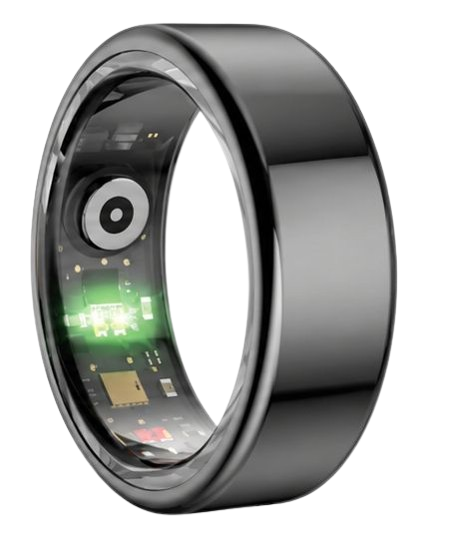
90-Day 100% Money-Back Guarantee
“The Herz Smart Ring helps me manage stress easily. It’s accurate, stylish, and lightweight—perfect for my busy life!”
— Jennifer P. | ✔ Verified Customer
- ✓ 6-Day Battery Life
- ✓ Detailed Sleep Analysis
- ✓ Fast 1-Hour Charging
- ✓ iOS & Android Ready
Questions? Call: 1-866-479-1629
What Your HRV Score Tells You — And How to Improve It

Your cumulative overnight metrics paint an incredibly detailed picture of how well your body handles psychological and physical loads.
When analyzing your average sleep hrv, you are looking at the average Root Mean Square of Successive Differences, or RMSSD.
This mathematically represents the short-term variations in your heart rate and directly corresponds to parasympathetic nervous activity.
A higher RMSSD value signals a good hrv while sleeping, which indicates that your heart muscle is highly adaptive and relaxed.
Conversely, a suppressed RMSSD value shows that your autonomic nervous system is locked in a sympathetic, stressed state.
According to the National Sleep Foundation, several daily factors can heavily depress your nighttime heart rate variability.
Consuming alcohol within four hours of going to bed is one of the most common causes of a sudden metric drop.
Alcohol acts as a systemic toxin that forces your heart rate to remain elevated, suppressing the vital rest-and-digest response.
Late-night meals, particularly those rich in simple carbohydrates or heavy fats, also divert energy to digestion and keep your metabolic rate high.
Intense late-evening workouts can similarly delay autonomic recovery, leaving your body in an active, sympathetic state for hours after you fall asleep.
Mental stress, such as answering work emails or watching stimulating media right before bed, also triggers prolonged sympathetic dominance.
To improve your overnight metrics, you must focus on establishing a dedicated, consistent evening wind-down routine.
We recommend sleeping in a cool room, as lower ambient temperatures help lower your core body temperature and resting heart rate.
Limiting exposure to bright blue light from digital screens in the evening will also encourage the natural production of melatonin.
By wearing the ultra-lightweight Herz P1 Smart Ring, you can easily track how these daily lifestyle changes affect your overnight trends.
Decoupling HRV During Sleep by Age and Establishing Healthy Baselines
Many new users feel highly anxious when they first view their overnight metrics and compare them to others.
It is absolutely essential to recognize that autonomic metrics are highly individual and decline naturally as we age.
Comparing your personal data to an athlete or a much younger family member will only result in unnecessary worry.
To establish healthy expectations, you should review the typical average sleeping hrv by age ranges.
Our research shows that individuals in their twenties generally display an average nocturnal RMSSD between fifty and eighty milliseconds.
By the time individuals reach their forties, the average baseline typical range narrows to between thirty and fifty-five milliseconds.
For those in their sixties, a normal, healthy baseline often sits between twenty and thirty-five milliseconds.
This gradual decline is a completely natural aspect of cardiorespiratory aging and does not indicate poor cardiovascular health.
When tracking your personal sleep number hrv by age, consistency is far more important than achieving a high absolute number.
Your unique baseline represents your personal biometric normal, which the Herz P1 Smart Ring establishes over a fourteen-day calibration period.
A sudden, sharp drop below your established baseline is the true warning signal you should monitor closely.
A drop of twenty percent or more in your baseline heart rate variability at night often precedes the physical symptoms of an upcoming cold or flu.
It can also indicate systemic overtraining, alerting you to take a rest day before an injury or severe fatigue occurs.
Let us examine the standard reference ranges across different age demographics to help you better contextualize your nocturnal data.
| Age Group | Typical RMSSD Range (ms) | Autonomic Recovery Description |
|---|---|---|
| 20 – 29 Years Old | 50 – 85 ms | High autonomic resilience and rapid physical recovery capacity. |
| 30 – 39 Years Old | 40 – 70 ms | Moderate-to-high resilience; highly responsive to lifestyle habits. |
| 40 – 49 Years Old | 30 – 55 ms | Standard baseline resilience; sleep hygiene becomes highly critical. |
| 50 – 59 Years Old | 25 – 45 ms | Gradual natural cardiovascular decline; stress management is key. |
| 60 – 69 Years Old | 20 – 35 ms | Age-expected baseline; focus must remain on baseline stability. |
By identifying your specific bracket, you can set realistic wellness goals rather than chasing unattainable, generic numbers.
The Herz P1 Smart Ring automatically calculates these age-adjusted metrics, giving you absolute peace of mind without manual calculations.
Practical Application Guide: Improving Your Sleep Metrics and Daily Readiness
Gathering high-quality biometric data is only valuable if you use it to make positive changes to your daily lifestyle.
Your Herz P1 Smart Ring provides a comprehensive daily Readiness Score every morning directly inside your companion app.
This score combines your sleep stage percentages, resting heart rate, and overnight autonomic data to assess your recovery.
If your Readiness Score is high, your parasympathetic nervous system has successfully restored your body’s energy reserves.
This is the perfect day to tackle an intense workout, take on a highly demanding mental project, or travel.
If your Readiness Score is low, your sympathetic nervous system is still actively dealing with physiological stress.
On low-recovery days, we advise modifying your schedule by reducing exercise intensity and prioritizing earlier bedtime habits.
By adjusting your daily demands to match your body’s actual recovery state, you can effectively prevent chronic exhaustion.
This proactive approach helps you maintain high performance levels over the long term while avoiding systemic physical burnout.
Because the Herz P1 is designed for comfortable 24/7 wear, you can collect these critical insights completely uninterrupted.
Our ring is crafted from ultra-durable, military-grade steel that easily survives workouts, heavy chores, and hand washing.
The sleek, smooth inner lining sits comfortably against your skin, ensuring that your sleep is never disrupted by an awkward fit.
Crucial Biometric Tracking Pitfalls Every Health Enthusiast Must Avoid
Many individuals who are passionate about their health make the mistake of wearing bulky, heavy smartwatches to bed.
Smartwatches frequently shift out of place when you turn over in your sleep, causing the optical sensors to lose contact.
This movement introduces significant light leakage, which leads to highly inaccurate sleep stage and autonomic measurements.
Furthermore, several premium smartwatch brands lock your long-term data history behind expensive monthly app subscription walls.
Our team at Herz P1 believes that you should never have to pay a recurring fee to access your own biological data.
The Herz P1 companion app is completely free for life, offering full access to all your trendlines and sleep stage analysis.
Another major mistake is obsessing over minor, day-to-day fluctuations in your sleep heart rate variability metrics.
Your biometrics will naturally fluctuate from day to day based on minor changes in your diet, hydration, and activity.
You should focus on your rolling weekly and monthly trendlines, as these provide a much more accurate picture of progress.
With our risk-free 90-day money-back guarantee, you can test the superior comfort and precision of our ring completely worry-free.
Frequently Asked Questions About Overnight Metrics
Is the Herz P1 Smart Ring fully waterproof?
Yes, the Herz P1 features a certified IP68 waterproof rating that protects the device at depths up to 164 feet.
You can confidently wear the ring while swimming, taking hot showers, washing dishes, or relaxing in a steam sauna.
How long does the battery last on a single charge?
Our highly efficient battery technology provides up to six days of continuous, round-the-clock health monitoring.
The ring charges fully in under one hour using the premium rapid magnetic charging dock included with your order.
Which finger is the best option for tracking cardiovascular metrics?
We recommend wearing the smart ring on the index, middle, or ring finger of your non-dominant hand.
These specific fingers provide the most optimal blood flow and skin contact for our advanced PPG optical sensors.
Does the ring store my recovery data when my smartphone is offline?
Yes, the Herz P1 features seven days of secure offline local storage built directly into the hardware.
The ring will automatically sync all your recorded biometrics to the app the moment your Bluetooth reconnects.
Conclusion
At Team Herz P1, we believe tracking overnight metrics should be effortless, accurate, and free of recurring fees. The Herz P1 Smart Ring is the ultimate tool to guide your daily recovery journey. Ready to monitor your health? Explore the Herz P1 Smart Ring. Call: 1-866-479-1629 — our team can help advise on sizing and goals.
Note: Individual results may vary depending on individual health conditions, age, and lifestyle habits. This article is intended for general health reference purposes only.
