

Understanding your hrv during sleep is the ultimate key to unlocking the secrets of your body’s nightly restorative patterns and overall autonomic recovery. If you struggle with persistent morning fatigue or high stress, the elegant Herz P1 smart ring offers continuous, clinical-grade biometric monitoring to decode these signals seamlessly. Our team is here to guide you through interpreting these critical overnight trends so you can feel fully energized every single day.
Built to Last. Save Up to 69% Today.
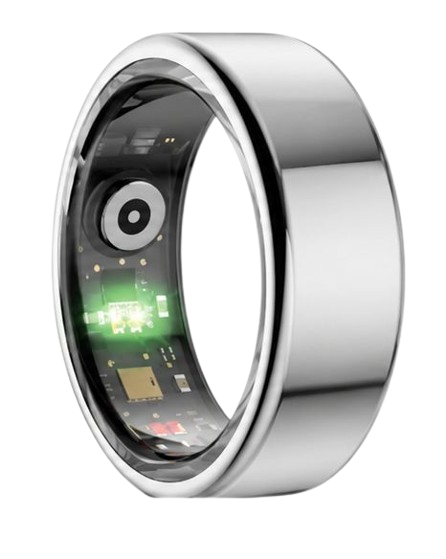
The Herz P1 Smart Ring tracks HRV, Sleep, Heart Rate & SpO2 around the clock. No subscriptions. No renewals. Ever.
In This Article
- Step-by-Step Recovery Optimization: Learn exactly how to enhance your overnight autonomic biometrics using targeted wellness habits.
- Autonomic Nervous System Insights: Discover how your heart rate variability acts as a direct window into physical and mental recovery.
- Sleep Architecture Science: Understand how different sleep stages impact your cardiorespiratory metrics and resting heart rate.
- Practical Tech Integration: Master the use of advanced wearable technology to continuously track and improve your health.
How to Optimize Your HRV During Sleep for Peak Recovery
Before you begin tracking your autonomic nervous system, you must have a reliable, high-precision biometric tracker like a smart ring.
You also need a consistent sleep environment free from excessive light, noise, and late-night stimulants.
Once these basic elements are in place, you can follow this structured guide to maximize your physiological recovery.
-
Step 1: Establish a Consistent Sleep Schedule
Establishing a consistent sleep schedule acts as the foundational pillar for stabilizing your cardiovascular rhythm.
When you sleep and wake at identical times, your brain releases melatonin in a predictable, healthy pattern.
This structural consistency directly reinforces a good hrv while sleeping score by preventing sudden autonomic nervous system spikes.
Your body loves predictability, and an erratic schedule forces your heart to remain in a constant state of alert.
Even on weekends, you should avoid the common temptation to sleep in late or stay up past your usual window.
This consistency allows your parasympathetic system to fully engage during the early hours of your sleep cycle.
A stabilized circadian rhythm ensures that your resting heart rate drops to its lowest point early in the night.
This nocturnal dipping behavior is a classic hallmark of a highly functional and well-rested heart.
By committing to this schedule, you give your heart the optimal environment to repair cellular damage.
Over several weeks, you will see your baseline metrics climb to healthier, more stable levels.
-
Step 2: Eliminate Late-Night Stimulants and Heavy Meals
Consuming stimulants or heavy dinners close to bedtime forces your digestive system to work overtime when it should rest.
Caffeine has a half-life of up to six hours, meaning it continues to stimulate your central nervous system long after your last sip.
This stimulant blocks adenosine receptors in your brain, preventing you from falling into deep, restorative slow-wave sleep.
Similarly, alcohol dramatically suppresses parasympathetic activity and artificially inflates your resting heart rate.
This physiological stressor severely reduces your overall average sleep hrv levels.
Digesting large, complex meals forces your cardiovascular system to redirect blood flow directly to your gastrointestinal tract.
This divertissement prevents your heart from slowing down to achieve deep, slow, and restful beats.
To prevent this, you should complete your last meal at least three to four hours before your head hits the pillow.
Opt for light, nutrient-dense snacks if you feel hungry close to your bedtime.
Hydrate with pure water or decaffeinated herbal teas to support cellular hydration without overworking your kidneys.
-
Step 3: Create an Optimal Sleep Sanctuary
Your immediate physical environment plays a massive role in dictating your nocturnal nervous system response.
The human body is biologically programmed to sleep best in cool, dark, and highly quiet environments.
You should set your bedroom temperature between 60 and 67 degrees Fahrenheit to facilitate natural core body temperature cooling.
When your core temperature drops, it signals your brain that it is time to initiate deep, healing sleep.
This cooling process supports a healthy resting heart rate and boosts your nighttime heart rate variability.
You should also invest in high-quality blackout curtains to block out all ambient streetlights.
Any amount of light leaking into your room can penetrate your eyelids and disrupt your brain’s melatonin production.
Consider using a white noise machine to mask sudden, disruptive external noises.
Removing electronic screens from your bedroom eliminates harmful blue light that tricks your brain into thinking it is daytime.
Keep your sleeping space dedicated strictly to rest to build a strong psychological association with recovery.
-
Step 4: Practice a Calming Bedtime Wind-Down Ritual
Transitioning from a busy workday to a state of deep rest requires a deliberate physical and mental bridge.
You cannot expect your nervous system to instantly switch from high-stress mode to a peaceful, restorative state.
We recommend spending the final thirty minutes of your evening engaged in quiet, calming activities.
Deep, slow diaphragmatic breathing is one of the fastest ways to stimulate your vagal nerve pathways.
By extending your exhalations, you send a direct signal to your brain that you are completely safe.
This stimulation lowers your blood pressure and actively slows down your racing heartbeat.
You can also practice gentle, passive stretching to release physical tension stored in your muscles.
Avoid engaging with stressful work emails, social media, or intense news broadcasts during this critical window.
Reading a physical book under warm, dim lighting is an excellent alternative to screen time.
This deliberate wind-down routine prepares your cardiovascular system to enter sleep in a highly relaxed state.
-
Step 5: Track Your Biometrics Consistently Over Time
Achieving accurate, actionable insights requires you to collect consistent data over several consecutive weeks.
A single night of biometric tracking only offers a brief snapshot of your physiological state.
To truly understand your health, you need to observe how your metrics trend over longer periods.
Wearing your tracking device every night helps establish a personalized, highly accurate baseline.
This baseline allows you to see how your body responds to daily stressors, workouts, and dietary choices.
You can easily monitor your progress by tracking your weekly and monthly overnight hrv averages.
When you notice a sudden dip in your metrics, treat it as a gentle warning to prioritize recovery.
Conversely, a rising trend line indicates that your lifestyle changes are successfully enhancing your cardiac resilience.
Use this data to make informed decisions about your daily energy expenditure and training intensity.
Consistency in tracking turns raw biometric data into a powerful roadmap for long-term wellness.
Our team designed the Herz P1 Smart Ring to make this entire optimization process effortless.
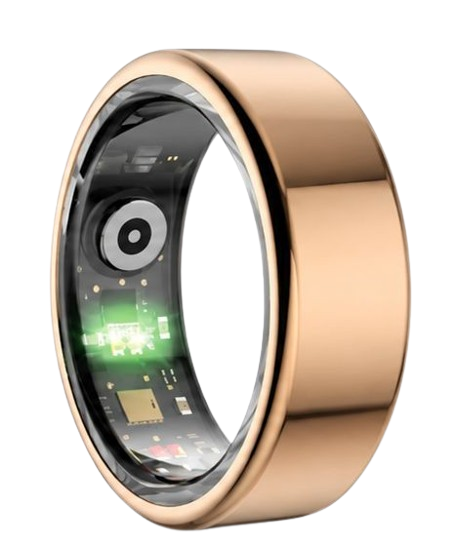
With its sleek, lightweight design and medical-grade sensors, it monitors your metrics without disturbing your rest.
You can track your sleep cycles, heart rate, and stress indices with zero monthly fees by visiting our checkout page today.
90-Day 100% Money-Back Guarantee
“The Herz Smart Ring helps me manage stress easily. It’s accurate, stylish, and lightweight—perfect for my busy life!”
— Jennifer P. | ✔ Verified Customer
- ✓ 6-Day Battery Life
- ✓ Detailed Sleep Analysis
- ✓ Fast 1-Hour Charging
- ✓ iOS & Android Ready
Questions? Call: 1-866-479-1629
What Your HRV Score Actually Tells You About Autonomic Recovery

Your heart rate variability is the ultimate window into your autonomic nervous system’s health and adaptability.
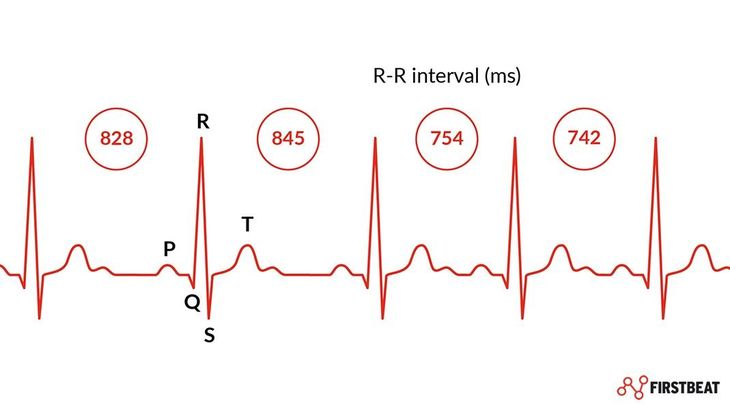
Unlike your resting heart rate, which simply counts beats per minute, this metric measures the tiny variations between those beats.
Your autonomic nervous system is divided into two distinct branches that constantly communicate with your heart.
The sympathetic branch is responsible for your fight-or-flight response, mobilizing resources during stress.
The parasympathetic branch governs your rest-and-digest functions, working to lower your heart rate and promote healing.
When your body is fully recovered, these two systems engage in a healthy, dynamic tug-of-war.
This constant adjustment results in highly variable time intervals between your individual heartbeats.
This state represents a high score, showing that your nervous system is balanced and highly resilient.
To understand this metric fully, you must know what is hrv during sleep and how it reflects your recovery.
If you are dehydrated, overworked, or stressed, your sympathetic nervous system takes complete control.
This dominance causes your heart to beat in a highly regular, metronomic pattern with very little variation.
A low score is a clear indicator that your body is directing its energy toward fighting off stressors.
By tracking this metric overnight, you remove the distracting environmental variables of your daytime hours.
This nocturnal reading provides the purest possible measurement of your systemic recovery status.
Our team at Herz P1 is dedicated to helping you interpret these complex signals to make better daily decisions.
The Role of the Vagus Nerve in Cardiorespiratory Recovery
The vagus nerve is the primary highway of your parasympathetic nervous system, stretching from your brainstem to your abdomen.
This massive nerve acts as a direct physical brake on your heart rate, releasing acetylcholine to slow cardiac pacing.
When your vagus nerve is highly active, it increases the micro-variations between your heartbeats.
This physiological mechanism is why medical professionals refer to vagal tone as a key marker of health.
According to the American Heart Association, strong vagal activity is linked to lower cardiovascular disease risk.
By tracking your overnight metrics, you are indirectly measuring the strength of this vagal brake.
A resilient vagus nerve allows your body to quickly bounce back from physical exercise and mental stress.
If your vagal tone is low, your body remains stuck in a damaging state of chronic sympathetic arousal.
This chronic state can lead to elevated blood pressure, systemic inflammation, and poor sleep quality.
You can actively strengthen your vagal nerve through slow deep breathing, cold exposure, and consistent rest.
Monitoring this recovery highway helps you confirm whether your wellness practices are actually working.
The Herz P1 smart ring tracks these subtle cardiorespiratory shifts with unmatched precision.
The Physiology of Heart Rate Variability at Night and Sleep Architecture

Your sleep is not a uniform state of unconsciousness but a highly structured series of repeating cycles.
Each cycle lasts approximately ninety minutes and consists of light sleep, deep sleep, and REM sleep.
Your autonomic nervous system undergoes dramatic shifts as you transition through these different stages.
During deep slow-wave sleep, your body enters its most profound state of physical restoration and recovery.
Your parasympathetic nervous system dominates during this phase, working hard to rebuild tissues and balance hormones.
This dominance explains why you will typically observe your highest heart rate variability at night during deep sleep.
If your deep sleep is cut short, your body misses out on vital physical repair processes.
During REM sleep, your brain is highly active as it processes your memories and emotional experiences.
This intense cerebral activity can cause your heart rate to fluctuate widely and unpredictably.
These fluctuations are a normal part of sleep architecture but can temporarily lower your variability scores.
To get an accurate view of your health, you need to track your average sleep hrv across the entire night.
This comprehensive average gives you a much better representation of your overall autonomic balance than a single snapshot.
Understanding Age-Related Variations in Autonomic Metrics
It is crucial to understand that heart rate variability is highly individual and naturally changes as you age.
As we grow older, our cardiovascular systems naturally lose some of their youthful elasticity and responsiveness.
This natural decline means that your baseline metrics will typically decrease over the course of your life.
You can gain valuable perspective by comparing your personal numbers to the average sleeping hrv by age benchmarks.
These benchmarks show that a score of seventy might be average for a twenty-five-year-old but outstanding for a fifty-year-old.
Similarly, evaluating the sleep number hrv by age guidelines helps you set realistic personal recovery goals.
You should never compare your personal scores directly to friends, family members, or professional athletes.
Instead, focus entirely on how your numbers compare to your own rolling seven-day historical baseline.
Your goal should be to maintain or slowly improve your own personal average through consistent lifestyle habits.
Regular cardiovascular exercise, balanced nutrition, and effective stress management can keep your autonomic system highly resilient.
By focusing on your personal trends, you can successfully slow down the physiological aging process.
The Herz P1 Smart Ring provides the personalized historical data you need to execute this strategy.
Translating Your Sleep Data into Daily Lifestyle Mastery
Raw biometric data is only useful if you know how to translate it into practical, daily actions.
Our team designed the Herz P1 companion app to serve as your personal wellness command center.
When you wake up, simply sync your smart ring to view your overnight health metrics immediately.
The app presents your data in clean, easy-to-read graphs that highlight your current recovery score.
Pay close attention to how your daily activities directly correlate with your overnight measurements.
If you had an exceptionally intense workout, you should expect to see a temporary dip in your variability.
This dip is a completely normal response to physical stress and indicates that your muscles are recovering.
However, if your scores remain low for several consecutive days, your body is pleading for a rest.
You should swap your high-intensity training for light activities like yoga or a gentle walk.
Conversely, when your scores are consistently high, your body is in an optimal state to perform.
This is the perfect time to schedule challenging workouts or tackle highly demanding mental projects.
The lightweight design of the Herz P1 ensures comfortable, continuous twenty-four-seven wear.
By wearing the ring throughout the day, you build a comprehensive picture of your systemic health.
Avoiding the Hidden Pitfalls of Modern Wearable Sleep Trackers
Many people eagerly purchase sleep trackers only to abandon them due to common usability issues.
One of the most frequent mistakes is attempting to wear a bulky, heavy smartwatch to bed.
These large devices often shift during sleep, causing the sensors to lose direct contact with your skin.
This movement leads to significant gaps in your sleep data and highly inaccurate readings.
Additionally, the physical discomfort of a bulky watch can actively disrupt your natural sleep cycles.
A sleek, lightweight smart ring solves this issue by sitting securely and comfortably at the base of your finger.
Another major pitfall is the unexpected financial burden of ongoing monthly subscription fees.
Many popular wearable brands require a paid subscription to access your own biometric data.
We believe that you should never have to pay a recurring fee to view your personal health metrics.
The Herz P1 App is completely free for life, offering full access to all advanced tracking features.
Additionally, make sure you avoid wearing a ring that is either too loose or too constricting.
A loose ring will slide around, leading to highly fragmented and unreliable overnight readings.
Use our complimentary professional sizing kit to select a size that fits snugly but comfortably.
Expert Answers to Your Top Questions About Sleep and HRV
Is the Herz P1 smart ring completely waterproof?
Yes, the Herz P1 is engineered with an advanced IP68 waterproof rating.
This rating certifies that the ring is fully protected against dust and continuous water submersion.
You can safely wear it while washing dishes, taking a shower, or swimming in a pool.
It is built to withstand depths of up to 164 feet without any risk to its delicate sensors.
This durability means you never have to remove the ring during your daily hygiene routines.
How long does the battery last and how quickly does it charge?
The highly efficient battery inside the Herz P1 lasts up to six full days on a single charge.
This long battery life ensures that you can track your health continuously without constant interruptions.
When the battery does run low, you can recharge it completely in less than one hour.
We recommend placing the ring on its magnetic charger while you take your morning shower.
This quick daily habit ensures that your ring is always powered and ready to track.
Which finger should I wear my smart ring on for maximum accuracy?
We highly recommend wearing the smart ring on your index, middle, or ring finger.
The index finger of your non-dominant hand typically offers the strongest, clearest blood flow signal.
Ensure that the internal sensor bump sits directly on the palm side of your finger.
This positioning keeps the optical sensors in steady, firm contact with your digital arteries.
A proper fit is crucial for maintaining clinical-grade data accuracy throughout the entire night.
Can the Herz P1 track my health metrics without a continuous phone connection?
Yes, the Herz P1 features seven days of highly secure, encrypted offline data storage.
The ring will continue to track your metrics even if your phone is turned off or in another room.
Once you open the companion app, the ring will automatically sync all of its stored data.
This offline feature allows you to sleep peacefully without any electronic devices near your bed.
Your data remains completely safe and confidential on the ring’s secure onboard memory.
Conclusion: Your Subscription-Free Wellness Journey Starts Here
Tracking your HRV is the ultimate way to optimize autonomic recovery. The Herz P1 Smart Ring provides clinical-grade tracking with zero monthly fees. Ready to monitor your health every day? Explore the Herz P1 Smart Ring to elevate your daily lifestyle. Call: 1-866-479-1629 — our team can advise on sizing and help you set personalized health goals.
