

An understanding of your daily sleeping heart rate serves as the ultimate window into your biological recovery, cardiovascular fitness, and autonomic nervous system health. Many adults wake up feeling chronically exhausted without ever understanding the subtle nocturnal cardiac shifts that disrupt their sleep architecture. By leveraging the advanced tracking capabilities of the Herz P1 Smart Ring, you can decode these essential signals to optimize your sleep cycles and identify the underlying causes of overnight heart rate fluctuations.
Built to Last. Save Up to 69% Today.
The Herz P1 Smart Ring tracks HRV, Sleep, Heart Rate & SpO2 around the clock. No subscriptions. No renewals. Ever.
In This Article
- Biometric Blueprint: How to actively measure and optimize your nightly cardiovascular trends.
- Nocturnal Architecture: What constitutes a normal range for different demographics and fitness levels.
- Spike Decoders: The physiological meaning behind sudden spikes in nocturnal heart rate.
- Actionable Interventions: Practical lifestyle modifications to improve long-term recovery metrics.
How to Optimize Your Sleeping Heart Rate: A Step-by-Step Biometric Guide
Prerequisites and Baseline Preparation
To successfully optimize your nocturnal metrics, you must establish a reliable baseline under consistent conditions.
You will need an advanced wearable sensor, a sleep environment with stable temperature controls, and a regular pre-sleep routine.
Avoid changing your exercise loads dramatically during the first week of biometric observation.
Step 1: Establish Your baseline Nocturnal Data
To understand your cardiovascular patterns, you must first establish a highly reliable biometric baseline.
You should wear your smart ring consistently for at least seven consecutive nights during normal sleeping hours.
This continuous monitoring allows the sensor array to calculate your unique average resting metrics without seasonal interference.
During this initial phase, try to maintain your standard bedtime and daily physical activity level to avoid skewing the early data points.
Step 2: Compare Your Sleeping and Daytime Rest Metrics
You must understand the distinct physiological differences between your sleeping heart rate vs resting heart rate.
Your daytime resting heart rate reflects your body under the influence of cognitive stress, digestion, and minor physical movements.
In contrast, your heart rate during sleep represents your absolute baseline cardiovascular state free from environmental stressors.
A healthy cardiorespiratory system typically shows a drop of ten percent or more during sleep compared to waking rest.
Step 3: Analyze Sleep Architecture and Deep Recovery Windows
You should correlate your heart rate drops with your specific sleep cycles throughout the night.
The lowest heart rate typically occurs during the deepest phases of non-REM sleep when the parasympathetic nervous system dominates.
If your heart rate remains elevated during these phases, your body may be struggling with incomplete muscular and cellular repair.
Tracking these trends reveals whether late-evening meals or high-stress environments are disrupting your deep recovery windows.
Step 4: Audit Nightly Lifestyle Variables
You must systematically track how specific evening habits alter your sleep metrics.
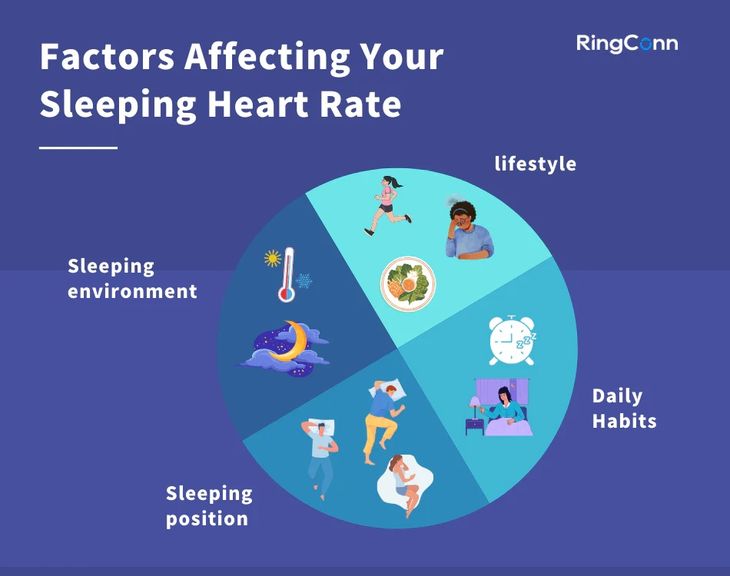
Consuming heavy meals, drinking alcohol, or engaging in intense exercise within three hours of bedtime can significantly elevate your heart rate.
By documenting these variables in relation to your nightly data, you can isolate the precise causes of poor cardiovascular recovery.
Try eliminating one disruptive variable at a time for three days and observe the immediate downward trend in your sleeping heart rate.
Step 5: Implement Autonomic Downregulation Protocols
You should adopt active relaxation techniques to prep your cardiovascular system before sleep.
Practicing slow diaphragmatic breathing for five minutes before bed helps stimulate the vagus nerve and lower systemic blood pressure.
This practice assists in initiating a faster transition into a low heart rate state shortly after sleep onset.
Consistent downregulation protocols can significantly lower your resting hr over several weeks of training.
Enhancing the Process with Herz P1
The Herz P1 Smart Ring provides the ultimate hands-off solution for executing this optimization protocol.
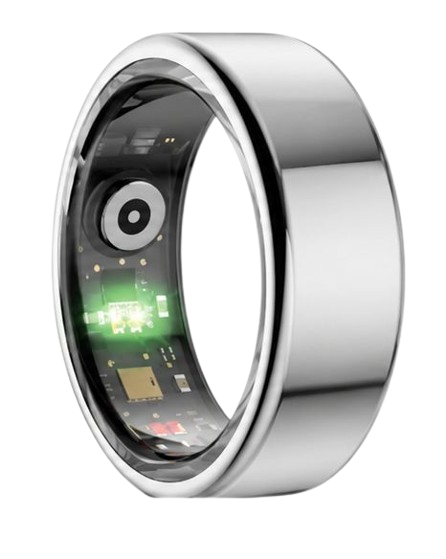
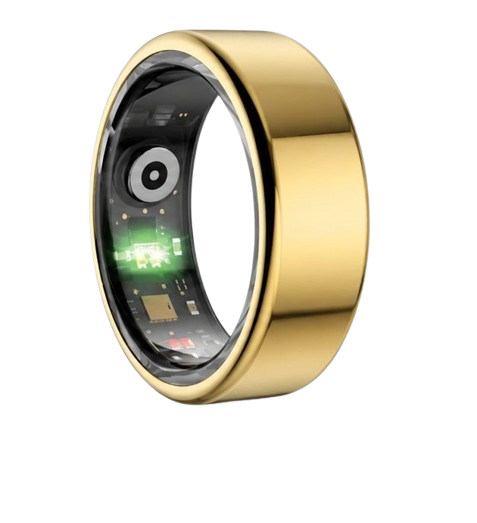
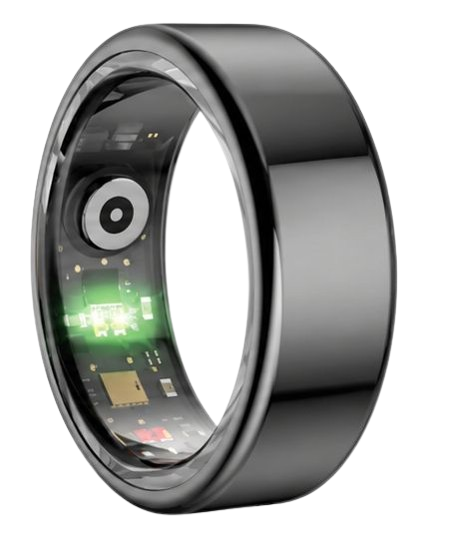
With its ultra-light military-grade steel design and advanced optical sensor array, it continuously monitors your metrics without the discomfort of a bulky wrist tracker.
You can view all your baseline trends, sleep stages, and recovery metrics directly inside the free companion app.
Discover how the Herz P1 Smart Ring can transform your understanding of overnight recovery today.
The Physiological Dynamics of Your Heart Rate During Sleep
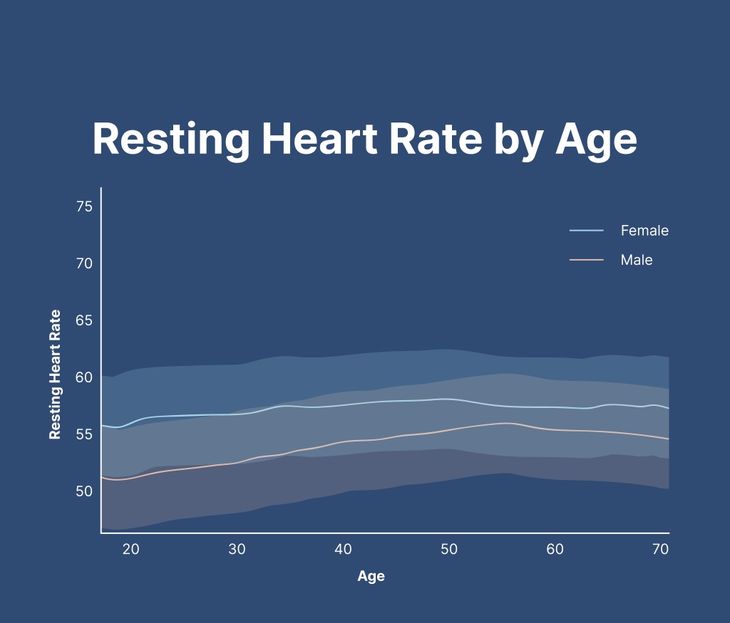
According to clinical data from the American Heart Association, a normal sleeping heart rate for most healthy adults ranges between 40 and 60 beats per minute.
During sleep, your body transitions from the active sympathetic state to the parasympathetic “rest-and-digest” state.
This transition allows your blood vessels to relax and your myocardial muscle to recover from the physical demands of waking life.
Highly trained athletes often experience a low heart rate while sleeping, sometimes dipping into the high 30s.
This occurs because their cardiac stroke volume is highly efficient and pumps more blood with fewer contractions.
However, an unusually low heart rate accompanied by frequent daytime fatigue might indicate bradycardia or a poor sleep environment.
Monitoring your heart rate variability alongside your sleeping pulse provides a complete picture of your autonomic nervous system health.
A high heart rate variability indicates a highly resilient nervous system that recovers quickly from stress.
In contrast, a low variability score combined with an elevated heart rate signals systemic strain.
It is also essential to track your breathing rate while sleeping to rule out oxygenation issues.
Fluctuations in blood oxygen levels can force your heart to pump faster to deliver sufficient oxygen to vital tissues.
If you have ever wondered why is my resting heart rate so high, the cause is often a combination of prolonged stress and poor oxygenation.
The National Sleep Foundation emphasizes that consistent monitoring is key to distinguishing normal variations from potential cardiovascular issues.
Using a non-invasive smart ring allows you to observe these trends night after night with extreme precision.
Understanding Sleep Heart Rate Spikes: Causes and Biometric Indicators

Experiencing a sudden, sharp spike in your heart rate while sleeping can be a jarring discovery when reviewing your morning data.
These temporary increases often occur during the Rapid Eye Movement, or REM, phase of sleep.
During REM sleep, your brain is highly active, often processing vivid dreams or nightmares that trigger minor adrenaline surges.
These emotional responses temporarily push your pulse into higher heart rate zones before settling back down.
However, frequent or sustained heart rate spikes throughout the night may point to physical stressors.
One common physiological trigger is a sudden drop in blood oxygen levels, which often occurs during sleep-disordered breathing.
When your airway becomes partially obstructed, your brain triggers a brief arousal state to restore normal breathing.
This autonomic emergency response causes your heart rate to jump rapidly to compensate for the temporary oxygen deficit.
Another major contributor to elevated overnight trends is physical illness or active immune responses.
You will often observe an elevated heart rate when sick as your body pumps extra blood to support immune cell mobilization.
This elevation can appear up to twenty-four hours before you experience outward physical symptoms of a cold or flu.
During these periods, you are also highly likely to record a noticeably low hrv during sleep.
Analyzing these two metrics together allows you to adapt your training and work schedule to support active recovery.
Environmental factors like a hot bedroom or late-night alcohol consumption also prevent your heart rate from reaching its natural low point.
Alcohol acts as a cardiac stimulant that disrupts your natural sleep architecture and keeps your sympathetic nervous system active.
By identifying these specific patterns, you can make informed decisions to protect your long-term cardiovascular health.
Decoding Your Sleep Data: Practical Lifestyle Tips for Better Recovery
Managing your overnight recovery does not require complex medical equipment or confusing data analysis.
The Herz P1 App translates your continuous optical sensor data into an intuitive, daily recovery score.
When you open the app each morning, check your average sleeping pulse and overnight heart rate variability trends first.
If your sleep heart rate was lower than your baseline and your recovery score is high, your body is ready for high-intensity training.
On days when your sleeping heart rate remains elevated, consider shifting your focus to light active recovery or stretching.
This adaptive training method protects your cardiovascular system from the compounding risks of chronic overtraining.
The absolute key to gathering reliable biometric trends is maintaining continuous, twenty-four-seven wear.
Because the Herz P1 is incredibly lightweight and crafted from sleek military-grade steel, you will quickly forget you are wearing it.
Unlike bulky smartwatches that pinch your skin and require nightly charging, our smart ring sits comfortably on your finger all night.
Its smooth inner molding prevents any skin irritation, ensuring a seamless tracking experience throughout every season of the year.
You can also use the real-time stress monitoring feature during your workday to identify when cognitive stress is elevating your pulse.
Taking a brief, three-minute breathing break during a stressful afternoon can directly lower your subsequent sleeping heart rate.
Over time, these minor lifestyle adjustments accumulate to build a highly resilient, efficient cardiovascular system.
Common Wearable Mistakes: Bulky Trackers and Hidden Fees
Many well-intentioned individuals try to track their health by wearing a heavy, oversized smartwatch to bed.
These large wrist-worn devices frequently move during the night, leading to sensor misalignment and highly inaccurate sleep data.
Furthermore, the bright screen of a smartwatch can accidentally illuminate during movement, disrupting your melatonin production.
Another major frustration in the wearable market is the unexpected financial burden of ongoing monthly app subscriptions.
Several prominent brands lock your personal health data behind a paywall after you have already purchased their expensive hardware.
We believe that you should never have to pay a monthly fee to access your own heart rate, sleep, and stress metrics.
The Herz P1 App is completely free for lifetime, with absolutely zero hidden costs, renewals, or subscription fees.
Every single advanced metric, detailed historical chart, and personalized recovery insight is fully available to you from day one.
By choosing a subscription-free smart ring, you invest directly in your health without committing to an endless cycle of payments.
Our military-grade steel construction also ensures that your device survives daily drops, heavy workouts, and continuous water exposure.
This durable, honest approach to digital health tracking allows you to focus entirely on improving your cardiovascular wellbeing.
Frequently Asked Questions About Sleeping Heart Rate and Herz P1
Is the Herz P1 Smart Ring waterproof?
Yes, the Herz P1 features a premium IP68 waterproof rating that supports continuous water submersion.
You can safely wear the ring while swimming, showering, washing your hands, or relaxing in a hot tub.
The hermetically sealed military-grade steel casing protects the sensitive optical sensors from any moisture damage.
How long does the battery last on a single charge?
The advanced lithium-polymer battery inside the Herz P1 delivers up to 6 full days of continuous biometric tracking.
A complete recharge takes under 1 hour using the included magnetic charging cradle.
This extended battery life ensures that you never miss critical sleep architecture or recovery data points.
Which finger is best to wear the smart ring on for tracking?
We recommend wearing the Herz P1 on your index, middle, or ring finger of your non-dominant hand.
These fingers typically have the strongest pulse signals and are less prone to movement noise during sleep.
Ensure that the inner sensor bumps sit snugly against the palm side of your finger for the most accurate readings.
Does the smart ring store my data offline?
Yes, the Herz P1 has built-in flash memory that stores up to 7 days of detailed biometric data offline.
You do not need to keep your smartphone nearby or connected to Bluetooth while you sleep.
Your stored sleep metrics will automatically sync to the app the next time your devices connect.
90-Day 100% Money-Back Guarantee
“The Herz Smart Ring helps me manage stress easily. It’s accurate, stylish, and lightweight—perfect for my busy life!”
— Jennifer P. | ✔ Verified Customer
- ✓ 6-Day Battery Life
- ✓ Detailed Sleep Analysis
- ✓ Fast 1-Hour Charging
- ✓ iOS & Android Ready
Questions? Call: 1-866-479-1629
Conclusion
Monitoring your sleeping heart rate is a powerful way to unlock better daily energy and long-term health.
The Herz P1 Smart Ring offers accurate, subscription-free biometric tracking wrapped in an ultra-comfortable design.
Ready to monitor your health every day? Explore the Herz P1 Smart Ring and see if it fits your lifestyle. Call: 1-866-479-1629 — our team can help you advise on the correct ring size and set personalized health goals.
Note: Individual results may vary depending on individual health conditions, age, and lifestyle habits. This article is intended for general health reference purposes only.
