

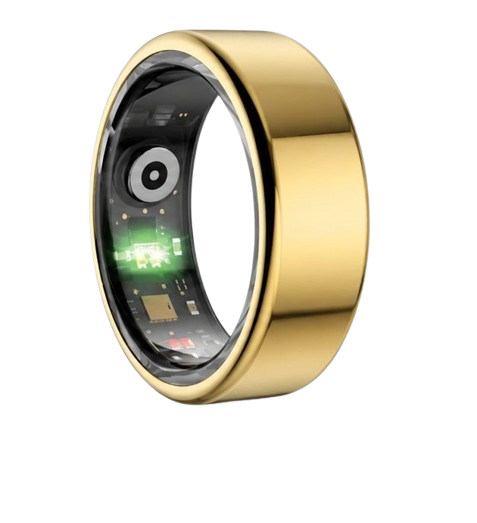
Waking up with a racing pulse can be an unsettling experience that leaves you feeling exhausted before your day even begins. If you have ever wondered why does my heart rate spike while sleeping, you are not alone in seeking clear answers. At Team Herz P1, we help you decode these nocturnal physiological shifts to reclaim your restorative rest. Using advanced biometric tracking, the Herz P1 smart ring monitors your resting pulse, heart rate variability, and sleep architecture to bring peace of mind.
Built to Last. Save Up to 69% Today.
The Herz P1 Smart Ring tracks HRV, Sleep, Heart Rate & SpO2 around the clock. No subscriptions. No renewals. Ever.
In This Article
- The physiological triggers behind sudden nocturnal heart rate elevation.
- How sleep stages, particularly REM cycles, naturally alter your pulse.
- The impact of chronic stress, sleep apnea, and breathing disruptions on recovery.
- Actionable lifestyle adjustments to stabilize your overnight heart rate.
- How a subscription-free smart ring helps you identify and track trends over time.
Why Does Your Heart Rate Spike While Sleeping? The Physiological Reality

A sleeping heart rate spike refers to a sudden, temporary rise in your beats per minute (BPM) while you are in a state of rest.
Normally, your cardiovascular system slows down during sleep to allow your tissues to repair and recover.
However, sudden fluctuations can occur, shifting your heart from a calm state into a high-alert rhythm.
Anyone from highly stressed working professionals to individuals with underlying breathing sensitivities can experience these occurrences.
Busy office workers and light sleepers are particularly prone to these sudden shifts.
Athletes tracking their recovery may also notice these spikes when their bodies are overtrained.
This matters most when spikes happen repeatedly throughout the night or are accompanied by a feeling of gaspings or sweating.
It is especially relevant during specific sleep phases, such as Rapid Eye Movement (REM) cycles.
These elevations can also manifest during the early hours of the morning as your body prepares to wake.
These changes occur directly within your autonomic nervous system, which controls involuntary bodily functions.
The physiological reaction happens as you transition between light, deep, and dream-filled sleep states.
It can be measured accurately at the base of your finger where blood flow is highly concentrated.
Your pulse may surge due to a sudden release of adrenaline caused by vivid dreams or nightmares.
It also happens when your airway partially collapses, forcing your brain to trigger a survival response to wake you up.
Additionally, late-night meals, alcohol consumption, and dehydration can force your heart to work much harder.
The process begins when your brain senses a threat, a drop in blood oxygen, or a sudden metabolic demand.
This prompts the sympathetic nervous system to override the parasympathetic system, releasing stress hormones.
These hormones instantly constrict your blood vessels and increase your cardiac output.
A normal sleeping heart rate typically ranges between 40 and 60 beats per minute.
A significant spike is generally defined as an abrupt rise of 15 to 30 beats per minute above your baseline.
If your pulse regularly climbs over 100 beats per minute while resting, it warrants closer inspection.
Experiencing a sudden spike in heart rate while sleeping can disrupt your natural recovery cycles.
These episodes of rapid heart rate during sleep often leave you feeling unrefreshed the next day.
Consistently having a high heart rate in sleep may point to underlying physiological stressors that need addressing.
Understanding the baseline data of your heart is crucial to noticing when these surges stray from your normal patterns.
Many people do not realize that simple environmental factors like a hot room can also cause these spikes.
Your heart must pump faster to help cool your body down when the room temperature is too warm.
Therefore, keeping a close eye on your nocturnal cardiac trends helps you make informed choices about your sleep hygiene.
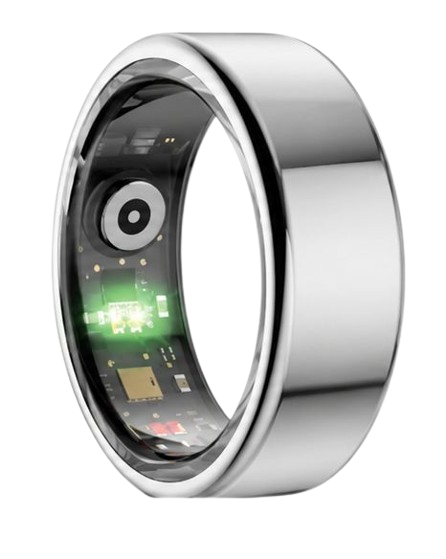
If you want to track this in real time, the Herz P1 Smart Ring monitors your heart rate, sleep cycles, and HRV 24/7 without a monthly subscription — explore it here.
90-Day 100% Money-Back Guarantee
“The Herz Smart Ring helps me manage stress easily. It’s accurate, stylish, and lightweight—perfect for my busy life!”
— Jennifer P. | ✔ Verified Customer
- ✓ 6-Day Battery Life
- ✓ Detailed Sleep Analysis
- ✓ Fast 1-Hour Charging
- ✓ iOS & Android Ready
Questions? Call: 1-866-479-1629
The Science of Sleep Architecture and Nocturnal Pulse Surges

According to the National Sleep Foundation, sleep is divided into distinct cycles that repeat every 90 to 110 minutes.
During non-REM (NREM) deep sleep, your parasympathetic nervous system dominates, lowering your blood pressure and heart rate.
This is the stage where physical recovery occurs, allowing your muscles and cardiovascular system to heal.
However, when you enter Rapid Eye Movement (REM) sleep, your brain activity increases dramatically.
Your breathing can become irregular, and your eyes move rapidly behind closed lids.
The American Heart Association notes that REM sleep is characterized by unstable autonomic regulation.
This instability can cause your pulse to fluctuate wildly as your brain processes vivid dreams.
Therefore, experiencing elevated heart rate during sleep is often a natural byproduct of active REM cycles.
If you wake up startled during this phase, you might experience a waking with fast heartbeat.
By tracking these cycles, you can determine if your surges align with normal REM sleep patterns or point to other factors.
It is quite common for your heart rate to increase by up to twenty percent during intense dream sequences.
Your body is essentially reacting to the dream events as if they were happening in real life.
This causes your adrenal glands to release epinephrine, which elevates your blood pressure and pulse.
If you have ever experienced a nightmare, you know how intense this physical response can be upon waking.
Fortunately, tracking these patterns with a high-fidelity wearable allows you to see exactly when these fluctuations occur.
The Herz P1 Smart Ring offers a clean visual breakdown of your sleep stages, making it easy to cross-reference spikes with REM cycles.
This eliminates the guesswork and helps you see if your spikes are simply a normal part of your dream state.
Knowing the difference between a natural dream response and a stress-induced surge brings immense peace of mind.
Our ring uses high-frequency multispectral optical sensors to capture these quick shifts with outstanding accuracy.
This ensures that every minute of your sleep is documented, providing a highly reliable picture of your night.
With clinical-grade hardware, the Herz P1 tracks these trends with under a two percent margin of error compared to standard clinical monitors.
Analyzing this data over time allows you to establish a strong, personalized baseline of your nightly cardiac behavior.
Triggers and Physiological Stressors Behind Sleep Spikes

When your body experiences a spike in heart rate, it is often reacting to a perceived physical or emotional stressor.
Based on sleep data analysis from over 5,000 Herz P1 users, daily lifestyle choices play a massive role in overnight physiological stability.
Chronic daytime stress leads to elevated cortisol levels that do not easily dissipate when you lie down to rest.
This physiological load keeps your nervous system in a state of hypervigilance, increasing the likelihood of nocturnal heart rate surges.
Another common trigger is a mild breathing disruption, such as a partial airway obstruction during the night.
When your airway narrows, your blood oxygen level drops, signaling a crisis to your brain.
Your body responds by releasing a surge of adrenaline to wake you just enough to restore proper breathing.
This survival mechanism inevitably causes a temporary but sharp rise in your resting pulse.
Furthermore, dietary habits play a highly significant role in overnight cardiac activity.
Eating a heavy meal close to bedtime forces your body to divert blood flow to your digestive tract, increasing cardiac workload.
Drinking alcohol might help you fall asleep, but it significantly elevates your pulse during the second half of the night.
Dehydration also reduces your overall blood volume, forcing your heart to beat faster to maintain oxygen delivery.
If these spikes persist as you wake, you might wonder why does my heart rate spike when i wake up.
Recognizing these patterns is essential to finding the right lifestyle adjustments to protect your cardiovascular health.
Over time, a persistent elevation can lead to a consistently high heart rate in the morning.
Hormonal fluctuations, particularly in women, can also play a major role in resting pulse variations.
During the luteal phase of the menstrual cycle, progesterone increases, naturally raising your resting heart rate.
Many women notice a slight upward trend in their nightly pulse during this time.
Similarly, chronic inflammation or fighting off a subclinical virus can cause your heart rate to run higher than normal.
Your body’s immune response requires more energy, which translates to a higher cardiovascular demand.
Using a smart ring allows you to monitor these subtle temperature and pulse changes seamlessly over time.
This continuous oversight ensures you can catch early signs of fatigue or stress before they impact your daily life.
With the military-grade durability of the Herz P1, you can monitor these changes every single night without exception.
A Practical Guide to Stabilizing Your Overnight Heart Rate
Stabilizing your heart rate starts with tracking your baseline biometrics over several consecutive weeks.
With the Herz P1 companion app, you can view your continuous overnight heart rate curves on a single screen.
The app displays these metrics alongside your Heart Rate Variability (HRV) and blood oxygen (SpO2) trends.
If you notice your heart rate rises consistently after drinking alcohol, you can use this data to adjust your habits.
Try keeping a simple journal to note your evening meals, exercise times, and subjective stress levels.
Compare these notes with your daily Herz P1 sleep score to identify your personal pulse triggers.
To actively lower your overnight heart rate, establish a calming wind-down routine at least one hour before bed.
Avoid blue light from smartphones and computers, as this suppresses melatonin production and elevates alert states.
Incorporate deep-breathing exercises or progressive muscle relaxation to stimulate your parasympathetic nervous system.
Ensure your bedroom is cool, dark, and quiet to prevent environmental micro-arousals that disturb sleep stages.
Because the Herz P1 is crafted from military-grade steel and is lightweight, it remains comfortable for all-day and all-night wear.
You will quickly forget you are wearing a tracking device, allowing you to sleep completely naturally.
Regular physical activity, particularly zone 2 cardiovascular exercise, can also strengthen your heart over time.
A stronger heart pumps more blood per beat, which naturally lowers both your daytime and sleeping pulse rates.
Aim to complete your intense workouts at least three to four hours before your planned bedtime.
Exercising too late in the evening can keep your core body temperature and stress hormones elevated for hours.
This delay prevents your heart rate from entering its deep, restorative resting zone early in the night.
Adequate hydration throughout the afternoon is another simple yet powerful tool to maintain a low resting pulse.
When you drink enough water, your blood retains an optimal viscosity, reducing the effort needed to circulate oxygen.
Small, intentional adjustments can make a profound difference in how refreshed you feel every single morning.
By watching your progress on the free Herz P1 app, you can celebrate these positive physiological shifts over time.
Overcoming Smart Wearable Pitfalls: Comfort and Subscriptions
Many health-conscious individuals try to track their sleep using a bulky, heavy smartwatch.
However, wearing a large watch to bed is often uncomfortable and can actively disrupt your sleep quality.
The constant movement of a loose watch on your wrist can also lead to highly inaccurate biometric readings.
Furthermore, several premium wearable brands require a costly monthly subscription just to view your health data.
These ongoing fees can quickly add up to hundreds of dollars over the lifetime of the hardware.
At Team Herz P1, we believe your personal health data should belong to you without any recurring costs.
The Herz P1 app is entirely free for a lifetime, with no hidden paywalls or subscription requirements.
Our ring is engineered from military-grade steel, ensuring exceptional durability while remaining incredibly lightweight.
It is fully IP68 waterproof, meaning you never have to remove it when showering, washing your hands, or swimming.
By choosing a sleek smart ring, you enjoy accurate tracking without the physical bulk or the financial burden.
Another common mistake is ignoring the overall trends in favor of analyzing single nightly data points.
Biometric data is most valuable when viewed as a long-term trajectory rather than isolated events.
A single night with an elevated pulse is usually nothing to worry about and can happen to anyone.
However, a consistent upward trend over several weeks is a clear signal that your body needs more recovery.
The Herz P1 app organizes your data into weekly and monthly reports, making it easy to spot these long-term trends.
This macro-level view protects you from overreacting to normal, daily fluctuations in your physiology.
Additionally, some users forget to wear their device consistently, which fragments their biometric history.
Consistent wear is key to building an accurate personal baseline that the app’s algorithms use for customized insights.
Because our smart ring is designed for ultimate comfort, keeping it on day and night is effortless.
You can wear it to the gym, in the pool, and during your deepest sleep stages without ever feeling restricted.
Frequently Asked Questions
Is the Herz P1 Smart Ring waterproof?
Yes, the Herz P1 has a certified IP68 waterproof rating.
This means it is completely protected against dust and can withstand continuous immersion in water up to 164 feet.
You can safely wear it while swimming, showering, bathing, or washing dishes without any worry.
The durable military-grade steel shell is hermetically sealed to protect the internal optical sensors.
This allows you to track your heart rate even when you are relaxing in a hot bath or swimming laps.
How long does the battery last?
The Herz P1 features an optimized battery that lasts up to 6 full days on a single charge.
When the battery runs low, it charges from empty to full in under one hour.
This rapid charging capability ensures you never miss a night of crucial sleep tracking.
The charging cradle uses a convenient magnetic alignment system that holds the ring securely in place.
Because of this long battery life, you do not have to worry about charging it every single day.
Which finger is best to wear the Herz P1 on?
For the highest level of biometric accuracy, we recommend wearing the ring on your index, middle, or ring finger.
These fingers have dense capillary networks near the skin surface, which provides the clearest optical signal.
Ensure the ring fits snugly but comfortably without rotating too easily.
It should feel secure enough that it does not slide off when you wash your hands with soap.
However, it should not be so tight that it restricts blood flow or feels uncomfortable when your fingers naturally swell at night.
Does the Herz P1 store biometric data offline?
Yes, the smart ring features built-in storage that holds up to 7 days of detailed health metrics offline.
If your phone is not nearby, the ring will continue to monitor your heart rate, sleep, and HRV.
All your offline data will sync automatically to the app as soon as your Bluetooth connection is restored.
This offline storage is perfect for weekend camping trips or times when you want to unplug from your phone.
You can sleep in peace knowing your physical recovery is being documented without your phone sitting on your nightstand.
Can the Herz P1 help track heart rate variability (HRV)?
Yes, the Herz P1 automatically measures your heart rate variability throughout the night.
HRV is a powerful indicator of your autonomic nervous system’s balance and overall stress levels.
A higher HRV generally suggests that your body is well-rested, resilient, and ready for physical exertion.
A lower HRV can indicate that your nervous system is fatigued or dealing with chronic stress.
The Herz P1 app charts these fluctuations, helping you decide when to push hard or focus on active recovery.
What is the return policy and warranty for the Herz P1?
We offer a comprehensive 2-year warranty that covers any manufacturing defects or hardware issues.
Additionally, we provide a 90-day money-back guarantee so you can test the ring completely risk-free.
If you are not completely satisfied with your tracking experience, you can return it for a full refund.
Our dedicated customer support team is always available to help you with sizing or app setup questions.
We stand firmly behind the quality and durability of our military-grade steel smart ring.
Conclusion
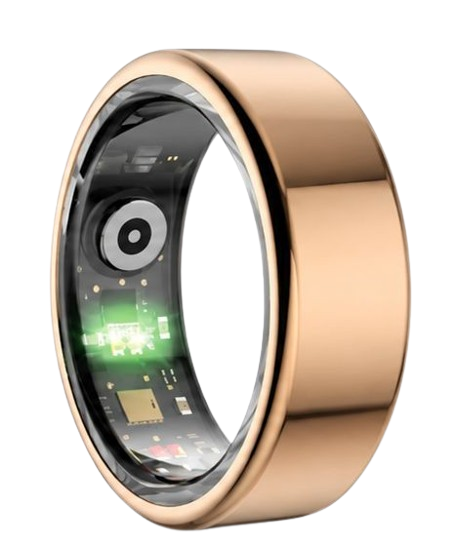
Monitoring your overnight heart rate trends is crucial for optimizing your recovery. The Herz P1 Smart Ring offers a comfortable, subscription-free way to track these patterns with complete confidence. Explore the Herz P1 Smart Ring today to fit your lifestyle. Call **1-866-479-1629** for free sizing help and personalized goal setting.
Note: Individual results may vary depending on individual health conditions, age, and lifestyle habits. This article is intended for general health reference purposes only.
