

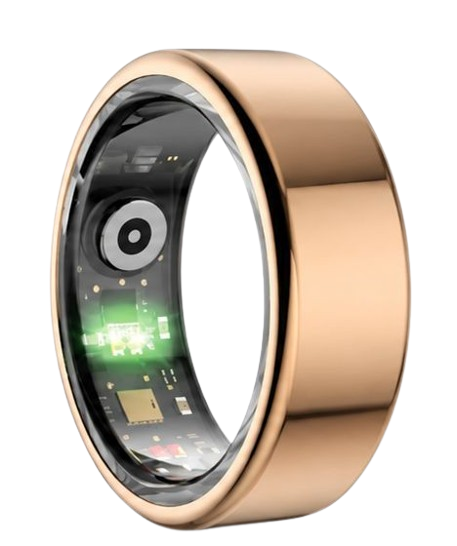
Waking up with a pounding chest can be deeply unsettling, yet statistical data from clinical sleep studies indicates that nearly thirty percent of adults experience a sudden high pulse rate while sleeping at some point in their lives. By utilizing advanced biometric monitoring tools like the Herz P1 Smart Ring, you can decode the subtle physiological patterns underlying this nighttime pulse racing and take proactive control of your cardiac wellness before anxiety compromises your sleep architecture.
Built to Last. Save Up to 69% Today.
The Herz P1 Smart Ring tracks HRV, Sleep, Heart Rate & SpO2 around the clock. No subscriptions. No renewals. Ever.
In This Article
- The Step-by-Step Recovery Guide: Immediate and long-term actions to manage rapid heart rate episodes during sleep.
- Underlying Causes Decoded: Comprehensive analysis of physiological, environmental, and sleep-stage triggers.
- The Biometric Connection: How smart wearable technology monitors sleep stages, HRV, and SpO2 to uncover health trends.
- Smart Ring Advantages: Why continuous, unobtrusive finger-based monitoring outperforms traditional bulky smartwatches.
How to Manage and Relieve a Rapid Heart Rate During Sleep: A Step-by-Step Recovery Guide
Prerequisites / What You’ll Need
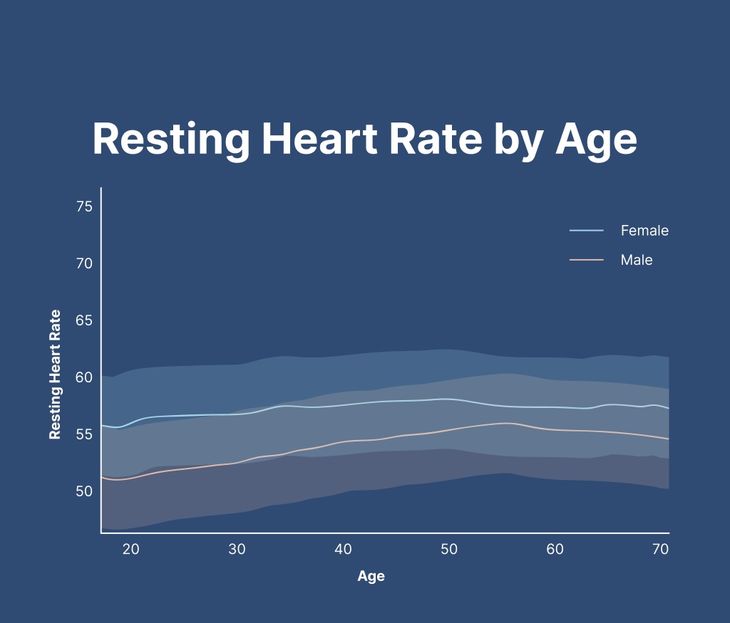
To successfully navigate and resolve episodes of accelerated pulse rates overnight, you must possess a basic understanding of your resting heart rate baseline.
You will need a quiet sleep environment, a glass of room-temperature water placed by your bedside, and a reliable biometric tracker to capture heart rate variability and blood oxygen trends.
It is also helpful to have a comfortable, loose-fitting sleep garment to prevent restrictive blood flow during recovery exercises.
Step-by-Step Instructions
-
Step 1: Execute Controlled Diaphragmatic Respiration
As soon as you wake with a racing pulse, sit upright in bed and place one hand on your abdomen.
Inhale deeply through your nose for a count of four seconds, ensuring your chest remains still while your stomach expands.
Hold this breath for a brief count of two seconds to stabilize intra-thoracic pressure.
Exhale slowly through pursed lips for a count of six seconds, allowing your parasympathetic nervous system to actively suppress the sympathetic surge.
Repeat this rhythmic cycle at least ten times until your chest feels lighter and your pulse begins to stabilize.
-
Step 2: Rehydrate with Cool Water
Reach for the glass of cool water resting on your nightstand.
Take slow, measured sips rather than gulping the liquid rapidly.
Cool water stimulates the vagus nerve in the back of your throat, which sends an immediate slowing signal to your heart’s sinoatrial node.
Rehydration also expands your blood volume, reducing the cardiac output workload required to pump blood through your vascular system.
Rest quietly for two minutes after finishing the water to let your cardiovascular system adapt.
-
Step 3: Perform a Progressive Muscle Relaxation Sequence
Lie flat on your back and close your eyes to minimize external sensory input.
Tense the muscles in your toes and feet as tightly as possible for five seconds.
Release the tension suddenly and focus on the feeling of warmth and relaxation spreading through your lower limbs.
Move systematically upward through your calves, thighs, abdomen, chest, and shoulders, tensing and releasing each muscle group.
This physical distraction breaks the cognitive anxiety loop that often keeps your heart rate elevated after waking.
-
Step 4: Perform a Mild Vagal Maneuver
If your heart rate remains persistently high, apply a cold, damp washcloth directly over your eyes and upper cheeks.
This simple action triggers the mammalian dive reflex, which naturally lowers the heart rate by shifting autonomic nervous system balance.
Alternatively, you can perform a gentle Valsalva maneuver by pinching your nose shut, keeping your mouth closed, and exhaling moderately for ten seconds.
Always perform vagal maneuvers while sitting or lying down in a safe, comfortable position.
Stop immediately if you experience any lightheadedness or dizziness.
-
Step 5: Document the Incident and Note Potential Triggers
Once your pulse returns to a comfortable baseline, note the approximate time and any potential triggers from the previous evening.
Record whether you consumed alcohol, ate a heavy meal close to bedtime, or experienced unusual psychological stress.
Note any physical symptoms that accompanied the spike, such as shortness of breath, sweating, or vivid dreaming.
Keep these notes in a dedicated journal or sync them with your digital health application.
Consistently logging these patterns makes it much easier to identify specific behavioral triggers over time.
Enhance Your Recovery Journey with the Herz P1 Smart Ring
Managing nighttime pulse spikes requires consistent attention, and the Herz P1 Smart Ring is designed to support you every step of the way.
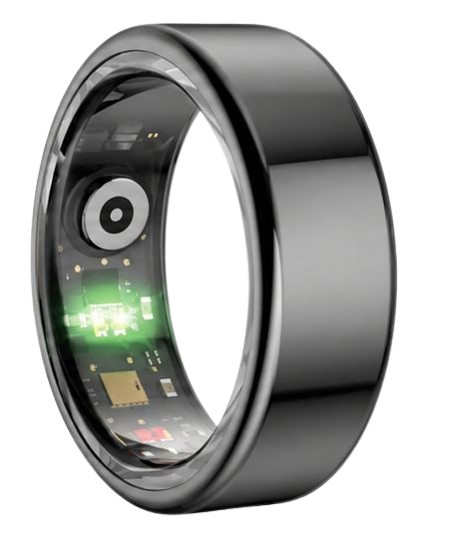
By wearing this lightweight ring to bed, you gain access to continuous heart rate, HRV, and SpO2 tracking without the distraction of a glowing screen.
The companion app highlights long-term trends, helping you see how your recovery efforts directly improve your sleep metrics over time.
90-Day 100% Money-Back Guarantee
“The Herz Smart Ring helps me manage stress easily. It’s accurate, stylish, and lightweight—perfect for my busy life!”
— Jennifer P. | ✔ Verified Customer
- ✓ 6-Day Battery Life
- ✓ Detailed Sleep Analysis
- ✓ Fast 1-Hour Charging
- ✓ iOS & Android Ready
Questions? Call: 1-866-479-1629
Underlying Causes of Nighttime Pulse Racing: Science-Backed Insights
Pathophysiological Triggers of Accelerated Heart Rate During Sleep
An elevated heart rate during sleep is not a random event, but rather a direct reflection of complex physiological adjustments occurring inside your cardiovascular system.
Under normal conditions, your heart rate should dip by ten to twenty percent during sleep, a process clinical specialists refer to as nocturnal dipping.
When this dipping fails to occur, it indicates that your sympathetic nervous system remains highly active, keeping your body in a persistent state of alertness.
This continuous autonomic tension can stem from physical stressors, such as systemic inflammation, latent viral infections, or chronic hormonal imbalances.
Additionally, sudden drops in blood glucose levels overnight can trigger a counter-regulatory release of adrenaline, leading to an high heart rate in sleep.
Understanding these biological systems is key to addressing the root causes of sleep disturbances rather than just managing the immediate symptoms.
The Complex Physiology of Heart Rate Variations While Sleeping
To accurately understand your cardiac health, you must explore why does heart rate increase while sleeping on a chemical level.
During the day, your body balances two main branches of the autonomic nervous system: the sympathetic accelerator and the parasympathetic brake.
When you transition into deep sleep stages, the parasympathetic branch should take the lead, lowering your resting pulse and blood pressure.
However, if you consume high-glycemic carbohydrates or alcohol close to bedtime, your digestive tract requires significant oxygenated blood flow, forcing your heart to beat faster to support metabolic demand.
This digestive strain disrupts the natural nocturnal recovery cycle, preventing your heart muscle from resting fully.
By tracking these subtle shifts, you can make informed adjustments to your evening habits and protect your sleep quality.
Environmental and Psychological Influences on Heart Rate Recovery
Your immediate sleeping environment plays an important role in how well your cardiovascular system recovers overnight.
Elevated bedroom temperatures force your body to work harder to regulate its core temperature, which can lead to a higher sleeping pulse.
When your body heat rises, blood vessels near the skin dilate, requiring your heart to pump faster to maintain stable blood pressure.
Psychological stress from the preceding day can also linger in your subconscious, showing up as vivid dreams or night terrors that trigger sudden spikes in adrenaline.
These hormonal surges cause immediate blood vessel constriction and a rapid increase in cardiac output.
Creating a cool, dark, and quiet sleep sanctuary is essential for supporting your body’s natural recovery processes.
Anatomical Drivers of Sudden Spikes in Heart Rate While Sleeping
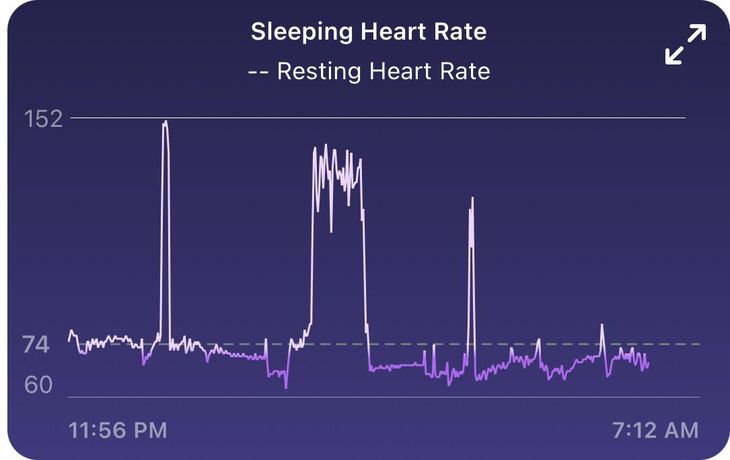
The Impact of Sleep Apnea and Nocturnal Oxygen Desaturation
One of the most common causes of a sudden spike in heart rate while sleeping is obstructive sleep apnea.
When the soft tissues in the back of your throat collapse during sleep, they physically block your airway and restrict oxygen flow.
As your blood oxygen saturation drops, your brain senses the oxygen emergency and triggers a survival response.
This response floods your bloodstream with adrenaline, causing your heart to beat rapidly to distribute whatever oxygen remains.
This intense cardiovascular response is often what wakes you up, leaving you feeling anxious and breathless.
Continuous monitoring of blood oxygen levels is a highly valuable way to identify these silent breathing issues.
Recognizing Severe Tachycardia Episodes Overnight
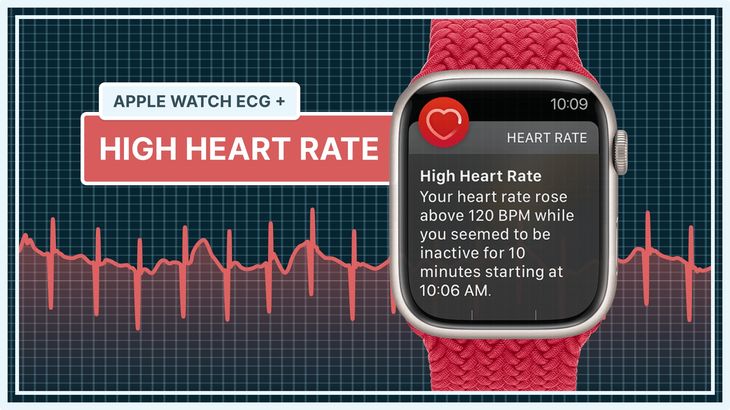
If you regularly experience a heart rate above 120 while sleeping, it is important to pay close attention to these patterns.
While brief heart rate increases can happen during intense dreams, sustained spikes over 120 beats per minute suggest a more significant physiological trigger.
This level of tachycardia can be caused by underlying cardiac arrhythmias, thyroid issues, or acute panic attacks.
Regularly experiencing a high heart rate while sleeping can place extra strain on your heart muscle over time.
Having a clear, objective log of these episodes is incredibly helpful when discussing your health trends with a medical professional.
By keeping track of your biometric data, you can separate occasional dream-related spikes from persistent health patterns that may require clinical care.
Deciphering Autonomic Balance Through Heart Rate Variability
Heart rate variability is a powerful metric for understanding the balance of your autonomic nervous system.
Unlike your resting pulse, which counts beats per minute, HRV measures the microscopic time differences between each individual heartbeat.
A higher HRV indicates that your body is resilient, relaxed, and ready to adapt to daily physical and mental demands.
Conversely, a low HRV score during sleep suggests that your body is under stress and struggling to fully recover.
By monitoring these subtle changes, you can see how daily stress, exercise, and diet choices impact your body’s recovery overnight.
This deep insight allows you to make mindful lifestyle adjustments before chronic fatigue or burnout sets in.
Practical Application Guide & Lifestyle Tips
How to Read Your Wellness Data on the Herz P1 Application
The companion app for the Herz P1 Smart Ring translates complex raw data into clear, easy-to-understand insights.
Each morning, the app displays a comprehensive sleep score based on your deep sleep duration, REM cycles, and nighttime heart rate recovery.
You can view interactive graphs that show exactly why is my heart rate elevated at night, making it easy to spot correlations with late-night meals or stressful days.
The app also tracks your blood oxygen levels throughout the night, helping you identify any unusual breathing patterns or oxygen drops.
With this detailed view, you can easily see which evening habits support your recovery and which ones disrupt it.
Using Biometric Data to Optimize Your Daily Recovery and Exercise
Your overnight recovery metrics are a fantastic guide for planning your physical activity and exercise intensity each day.
If your app shows a high HRV and a healthy resting heart rate, your body is well-rested and ready for a more challenging workout.
On days when your recovery score is lower, it is wiser to focus on light movement, active recovery, or extra rest.
Listening to these signals helps you avoid overtraining, reduces your injury risk, and supports long-term physical performance.
By matching your daily activity to your body’s actual readiness, you can build a more sustainable and balanced fitness routine.
The Comfort and Benefits of All-Day Smart Ring Wear
To get the most accurate picture of your health, consistent tracking is essential, and this is where a smart ring truly shines.
Unlike bulky smartwatches that can feel heavy and uncomfortable in bed, a sleek smart ring is lightweight and barely noticeable.
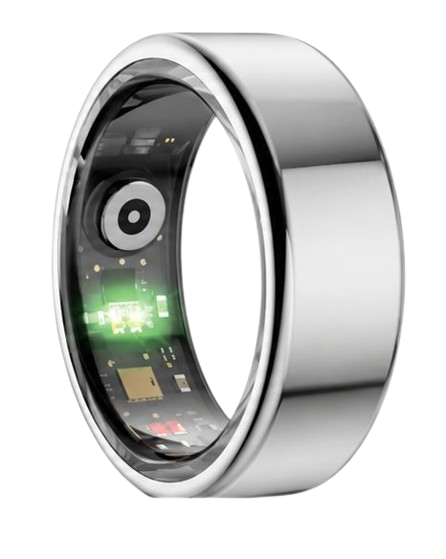
The Herz P1 Smart Ring is crafted from durable, military-grade steel and designed to be worn comfortably 24/7.
Its natural placement on your finger allows the optical sensors to sit close to your skin, ensuring consistent, high-quality biometric readings.
This comfortable, low-profile design makes it easy to capture reliable, uninterrupted health data day and night.
Overcoming Risks & Common Mistakes
The Disadvantages of Bulky Wearables for Sleep Monitoring
Many people find that wearing a large smartwatch to bed actually disrupts the very sleep they are trying to monitor.
Heavy watch bodies can press uncomfortably into your wrist as you turn over, occasionally waking you up throughout the night.
Bright screens can accidentally light up when you move, disrupting your brain’s natural production of melatonin.
Additionally, the thick sensors on the back of many smartwatches can lose contact with your skin if the band shifts, leading to gaps in your data.
Choosing a lightweight, screen-free smart ring is a simple way to track your health comfortably without compromising your sleep quality.
Avoiding the Hidden Costs of Ongoing Subscription Fees
A common frustration with many modern health trackers is the unexpected cost of ongoing monthly subscriptions to access your own data.
Some brands lock your most detailed sleep staging, heart rate recovery trends, and long-term insights behind a paywall.
At Team Herz P1, we believe that you should have full access to your health information without any hidden fees.
The Herz P1 App is completely free for life, ensuring you can view every metric and trend graph from day one without any recurring costs.
This subscription-free approach makes it easy and affordable to commit to your long-term health journey.
Frequently Asked Questions (FAQ)
Is the Herz P1 Smart Ring waterproof?
Yes, the Herz P1 features a robust IP68 waterproof rating, making it highly resistant to dust and water ingress.
You can confidently wear the ring while washing your hands, showering, swimming, or doing dishes.
It is designed to handle water immersion up to 164 feet, so you can keep tracking your health through all of life’s daily activities.
How long does the battery last on a single charge?
The Herz P1 is equipped with an efficient, long-lasting battery that provides up to six days of continuous use.
When it is time to recharge, the ring reaches a full charge in under one hour using the included magnetic charging dock.
This quick charging time means you spend less time waiting and more time gathering valuable health insights.
Which finger is best for wearing the smart ring?
For the most accurate biometric readings, we recommend wearing the Herz P1 on your index, middle, or ring finger.
These fingers have a uniform shape and rich blood flow close to the surface, which helps the optical sensors capture clear signals.
The ring should fit snugly but comfortably, sliding over your knuckle with just a slight resistance.
Does the Herz P1 store my health data offline?
Yes, the ring includes local memory that securely stores up to seven days of biometric data offline.
If you travel or sleep without your phone nearby, the ring will continue to track your metrics in the background.
The next time your ring connects to your phone via Bluetooth, all of your saved data will sync automatically to the app.
Conclusion
Tracking your sleeping heart rate is a powerful way to understand your body’s wellness and recovery needs.
The Herz P1 Smart Ring offers a comfortable, reliable, and subscription-free way to monitor these important patterns every night.
Ready to monitor your health every day? Explore the Herz P1 Smart Ring and see if it fits your lifestyle. Call: **1-866-479-1629** — our team can help you advise on the correct ring size and set personalized health goals.
Note: Individual results may vary depending on individual health conditions, age, and lifestyle habits. This article is intended for general health reference purposes only.
