

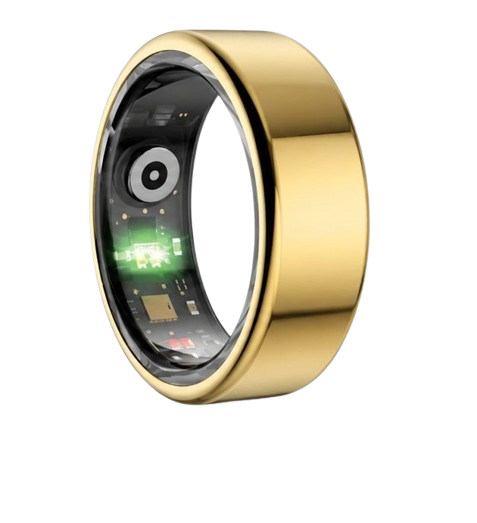
Waking up with a pounding chest can be an alarming experience, leaving you wondering why does my heart rate spike when i wake up as you struggle to shake off morning anxiety. Understanding this physiological shift is the first step toward reclaiming your peace of mind, which is why the Herz P1 smart ring tracks your heart rate around the clock to decode these sudden biological events.
Built to Last. Save Up to 69% Today.
The Herz P1 Smart Ring tracks HRV, Sleep, Heart Rate & SpO2 around the clock. No subscriptions. No renewals. Ever.
In This Article
- The 5W2H Analysis: A comprehensive breakdown of exactly why, when, and how morning pulse spikes occur.
- The Autonomic Handshake: How sleep architecture transitions and cortisol surges activate your cardiovascular system.
- Physical and Lifestyle Triggers: Uncover the surprising roles of dehydration, sleep apnea, and evening routines.
- Smart Ring Optimization: How to track, analyze, and manage morning stress baseline levels with the Herz P1.
Why Does My Heart Rate Spike When I Wake Up? The 5W2H Analysis
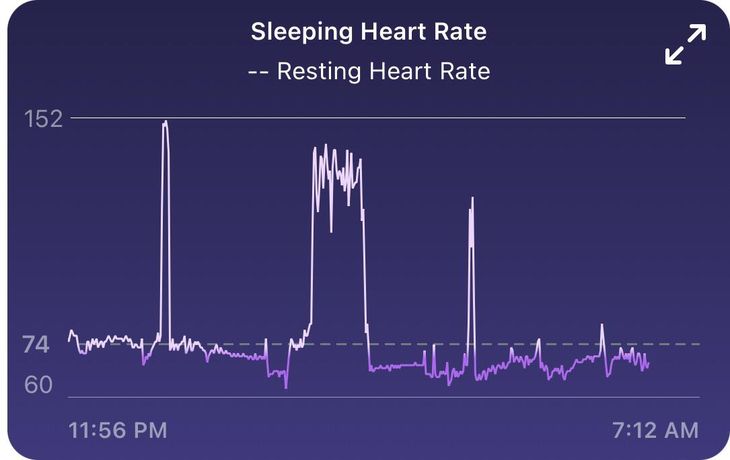
A waking heart rate spike is a sudden and rapid increase in your pulse as you transition from sleep to wakefulness.
This biological phenomenon often manifests as a feeling of your heart pounding or racing immediately upon opening your eyes.
Many individuals describe this unsettling physical sensation as waking with fast heartbeat, which can naturally cause a feeling of immediate dread.
It represents a rapid shift in your cardiovascular system designed to prepare your body for movement.
This biological reaction can affect anyone, but it is especially common in individuals dealing with high daily stress or poor sleep hygiene.
People experiencing sleep apnea, chronic anxiety, or systemic fatigue frequently observe these prominent morning spikes.
Busy office workers who rely heavily on caffeine and wake up to sudden, loud alarms are also prime candidates for this experience.
Tech enthusiasts and health-conscious individuals tracking their biometrics often discover this pattern for the first time via wearable data.
This heart rate increase typically occurs in the first thirty to forty-five minutes of your waking morning window.
It is directly linked to your natural circadian rhythm and your body’s preparation to transition out of deep sleep states.
If you regularly experience a high heart rate in the morning, the timing often correlates with your peak cortisol release.
Paying close attention to when these spikes happen can help you distinguish between a normal physiological shift and an anxiety-induced surge.
The physiological action is controlled deep within your brain’s hypothalamus and executed through your autonomic nervous system.
This signal travels directly down your spinal cord to the sinus node in your heart, triggering an immediate pulse acceleration.
Simultaneously, blood vessels in your extremities constrict to redirect blood flow toward your major organs and brain.
This systemic reaction occurs throughout your entire vascular network to stabilize your blood pressure as you stand up.
Your body must actively work to pull you out of an unconscious, relaxed state into an active, alert state.
To accomplish this, your endocrine system releases a burst of cortisol and adrenaline to trigger your survival mechanisms.
If you are dehydrated, your blood volume drops, prompting your heart to beat much faster to maintain adequate oxygen delivery.
Furthermore, you might wonder why would my resting heart rate be elevated if you consumed alcohol, heavy meals, or caffeine too close to bedtime.
Your autonomic nervous system acts like a seesaw, balancing your parasympathetic system and your sympathetic system.
During sleep, the parasympathetic system keeps your body in a relaxed, restorative state.
As morning approaches, your sympathetic system takes over, releasing stimulating hormones that raise your heart rate and blood pressure.
This sudden autonomic shift is what causes your heart rate to jump rapidly from a resting rate to an active rate.
Under normal conditions, a typical waking heart rate increase should only range between ten and twenty beats per minute.
However, if your body is highly stressed or dehydrated, you might see a spike of thirty or more beats per minute.
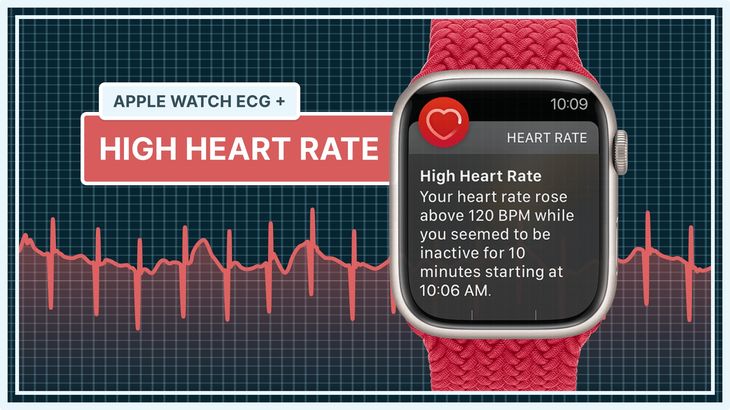
If your pulse rises above one hundred beats per minute upon waking, this is classified as temporary morning tachycardia.
Monitoring these exact values over time helps you identify whether your baseline metrics are shifting toward chronic cardiovascular strain.
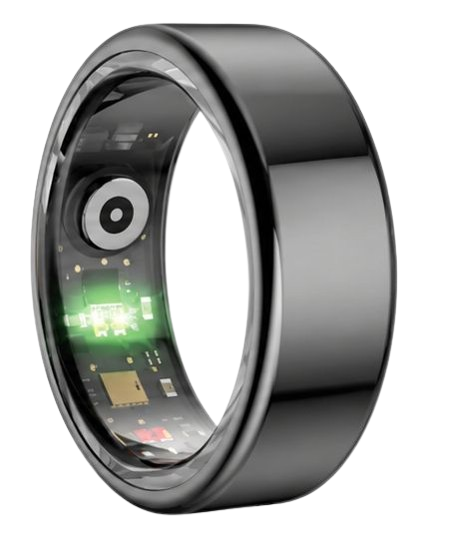
To monitor these complex shifts in real time without bulky equipment, the Herz P1 Smart Ring tracks your heart rate and HRV continuously — explore it here.
Our premium smart ring provides medical-grade accuracy to help you visualize your morning baseline trends from the comfort of your finger.
90-Day 100% Money-Back Guarantee
“The Herz Smart Ring helps me manage stress easily. It’s accurate, stylish, and lightweight—perfect for my busy life!”
— Jennifer P. | ✔ Verified Customer
- ✓ 6-Day Battery Life
- ✓ Detailed Sleep Analysis
- ✓ Fast 1-Hour Charging
- ✓ iOS & Android Ready
Questions? Call: 1-866-479-1629
The Autonomic Transition: Sleep Architecture and the Cortisol Surge
Your sleep architecture is divided into distinct, repeating ninety-minute cycles of light sleep, deep sleep, and Rapid Eye Movement sleep.
According to the National Sleep Foundation, your heart rate and blood pressure drop to their lowest levels during deep slow-wave sleep.
However, during REM sleep, your brain activity increases dramatically, often accompanied by vivid dreams and irregular breathing patterns.
If you happen to wake up directly out of a REM sleep cycle, your nervous system is already in a highly stimulated state.
This sudden transition can lead to a notable cardiac acceleration, causing you to feel like your resting heart rate suddenly increased out of nowhere.
Simultaneously, your body depends on a hormonal phenomenon known as the Cortisol Awakening Response.
This response triggers a sharp increase in cortisol production about thirty minutes after waking to help you feel alert.
While this hormone surge is a healthy and necessary part of your daily circadian cycle, it can put extra temporary stress on your heart.
If your body is already under chronic psychological strain, this morning cortisol surge can feel exaggerated, leading to physical palpitations.
The American Heart Association notes that chronic stress can sensitize your cardiovascular receptors to these daily adrenaline surges.
This baseline sensitivity makes you much more likely to experience your resting heart rate higher than normal during your first waking hours.
Understanding your Heart Rate Variability is crucial to evaluating how well your autonomic nervous system handles this waking transition.
A high HRV indicates a flexible, resilient nervous system that can easily balance relaxation and activation.
Conversely, a low HRV score suggests that your body is locked in a sympathetic state, making morning heart rate spikes feel much more intense.
By wearing a precise tracking device like the Herz P1 Smart Ring, you can gather the raw HRV data needed to understand your systemic recovery levels.
This digital wellness ring tracks your HRV every five minutes while you sleep, providing a clear map of your autonomic nervous system’s health.
Physical and Lifestyle Triggers Behind Morning Pulse Spikes
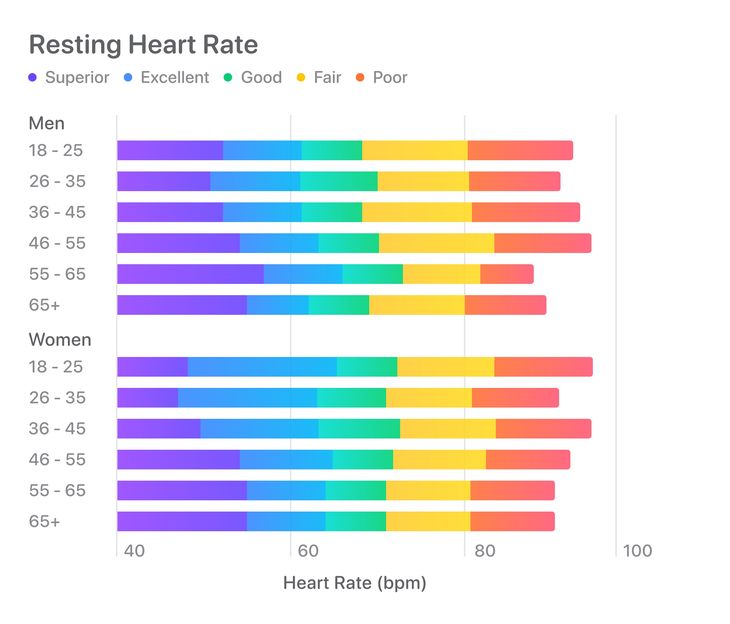
Beyond your natural circadian rhythms, several physical and lifestyle habits can cause your morning heart rate to climb significantly.
Dehydration is one of the most common, yet frequently overlooked, triggers for an elevated morning heart rate.
When you go seven to eight hours without drinking water during sleep, your blood volume drops, making your blood thicker and harder to pump.
To compensate for this lower volume, your heart must beat faster to deliver essential oxygen to your brain and limbs.
If you notice that your why did my resting heart rate increase questions occur mostly in the morning, starting your day with a glass of water may help.
Another critical factor to consider is the consumption of alcohol, large meals, or stimulants late in the evening.
Alcohol is a powerful central nervous system depressant that disrupts your sleep stages and causes a rebound sympathetic surge as it wears off.
This rebound effect frequently triggers elevated middle-of-the-night and early-morning heart rates.
Heavy, late-night dinners also force your body to redirect a large volume of blood to your digestive system, keeping your heart working hard all night.
If you are fighting a subclinical infection or virus, you might also experience an elevated heart rate when sick, as your immune system demands more energy to fight off pathogens.
Furthermore, undiagnosed sleep apnea can cause severe, sudden heart rate spikes as you wake up.
Sleep apnea causes you to repeatedly stop breathing during the night, leading to dangerous drops in your blood oxygen saturation levels.
These sudden drops in oxygen trigger an emergency survival response from your brain, releasing a massive wave of adrenaline.
This adrenaline rush shocks your heart, causing a sudden spike in blood pressure and heart rate to keep you alive.
Tracking your nocturnal blood oxygen levels with a dedicated smart wearable can help you identify these hidden respiratory drops before they cause long-term cardiovascular stress.
How to Use Herz P1 Data to Optimize Your Waking Transition
To successfully manage morning heart rate spikes, you need to turn your raw biometric data into a structured, proactive wellness routine.
The first step is to open your Herz P1 App every morning to analyze your continuous sleep and recovery charts.
Look closely at your overnight resting heart rate curve to see if it follows a healthy, downward-curved “hammock” shape.
If your heart rate remains elevated until late in the sleep cycle, this indicates that your body struggled to recover during the night.
You can use these visual insights to adjust your lifestyle choices, such as moving your last meal of the day to an earlier hour.
You should also check your morning HRV Stress Index on the dashboard to assess your nervous system’s current capacity.
If your HRV is low, your body is telling you to avoid high-intensity workouts and prioritize light recovery activities instead.
Conversely, a high HRV score indicates that your cardiovascular system is fully restored and ready for high-intensity exercise.
The extreme comfort of the Herz P1 Smart Ring makes it incredibly easy to gather this highly detailed data around the clock.
Unlike heavy smartwatches, our military-grade steel ring is so light that you will completely forget you are wearing it to bed.
To further smooth out your waking transition, we recommend incorporating a slow, deep-breathing routine before you get out of bed.
When your alarm goes off, do not jump up immediately or check your smartphone for stressful work emails.
Instead, lay flat on your back and take five deep, diaphragmatic breaths to stimulate your vagus nerve and activate your parasympathetic system.
This simple lifestyle practice can help lower your waking heart rate and prevent sudden, uncomfortable adrenaline spikes.
By tracking your heart rate during this breathing exercise, you can see the immediate positive impact of your stress management efforts.
Overcoming the Pitfalls of Traditional Sleep and Heart Rate Trackers
Many people make the critical mistake of wearing bulky, heavy smartwatches to bed in an attempt to track their sleep quality.
These large devices are often highly uncomfortable, causing you to toss and turn and disrupting your natural sleep cycles.
Furthermore, heavy watches can easily shift out of position during the night, leading to inaccurate sensor readings and annoying data gaps.
The constant glowing screen of a smartwatch can also wake you up prematurely, triggering the exact morning heart rate spikes you are trying to prevent.
Switching to a sleek, lightweight smart ring solves these issues by providing a comfortable, distraction-free sleep tracking experience.
Another common pitfall in the wearable market is the hidden cost of ongoing monthly app subscription fees.
Many premium brands require you to pay a high recurring fee just to access your own personal biometric data.
At Team Herz P1, we believe that you should never have to pay a subscription to understand your own body’s vital signals.
The Herz P1 App is completely free for life, providing you with full, unrestricted access to all of your health metrics.
By choosing our smart ring, you avoid frustrating paywalls and enjoy a premium tracking experience at a highly transparent, one-time cost.
Frequently Asked Questions About Waking Heart Rates and the Herz P1
Is the Herz P1 Smart Ring waterproof enough for daily wear and showers?
Yes, the Herz P1 features a premium IP68 waterproof rating, making it completely safe for all your daily water activities.
You can confidently wear your smart ring while washing your hands, taking hot showers, swimming, or relaxing in the bath.
The outer shell is engineered from military-grade steel, protecting the delicate internal sensors from high water pressure and heat.
This level of water protection ensures that you never have to remove your ring, allowing for continuous, uninterrupted health tracking.
How long does the Herz P1 battery last on a single charge?
Our smart ring delivers an impressive six days of continuous battery life under standard 24/7 tracking conditions.
This long-lasting performance is made possible by our highly optimized biometric sensors and efficient power management systems.
When the battery does run low, you can charge the ring back to one hundred percent in under one hour using the included charger.
This rapid charging capability means you can quickly power up your ring during your morning shower and never miss a single data point.
Which finger is the best choice for wearing the Herz P1 Smart Ring?
For the highest level of biometric accuracy, we recommend wearing your Herz P1 on your index, middle, or ring finger.
The index finger of your non-dominant hand typically provides the strongest blood flow signal for our optical PPG sensors.
However, the ring is fully designed to deliver highly accurate readings on any of these three primary tracking fingers.
The most important factor is finding a snug, comfortable fit that keeps the sensor pads in direct contact with your skin.
Does the Herz P1 Smart Ring store my health data offline when my phone is away?
Yes, the Herz P1 is equipped with seven days of local, onboard storage to protect your health data when you are offline.
If you choose to sleep with your phone in another room or turn off your Bluetooth, the ring will continue tracking.
All of your heart rate, sleep stage, and oxygen data is safely stored on the ring’s internal microchip.
As soon as you open the app and reconnect your phone, your stored data will sync automatically and update your charts.
Conclusion: Empower Your Sleep Journey
Tracking morning cardiac trends is key to optimizing your cardiovascular health.
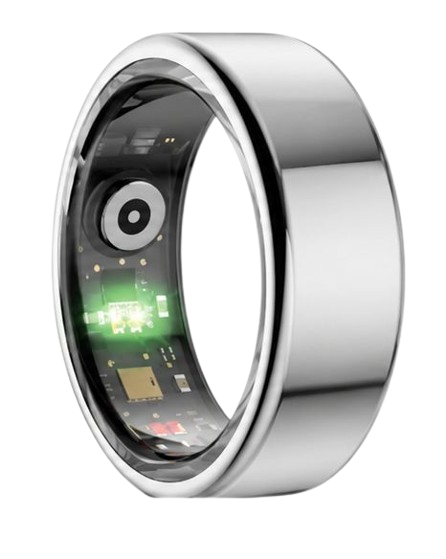
The Herz P1 offers a seamless, subscription-free path to understanding your heart rate.
Ready to monitor your health daily?
Explore the Herz P1 and see if it fits your lifestyle.
Call: 1-866-479-1629 — our team will help advise on the correct ring size and set your personalized health goals.
Note: Individual results may vary depending on individual health conditions, age, and lifestyle habits. This article is intended for general health reference purposes only.
