

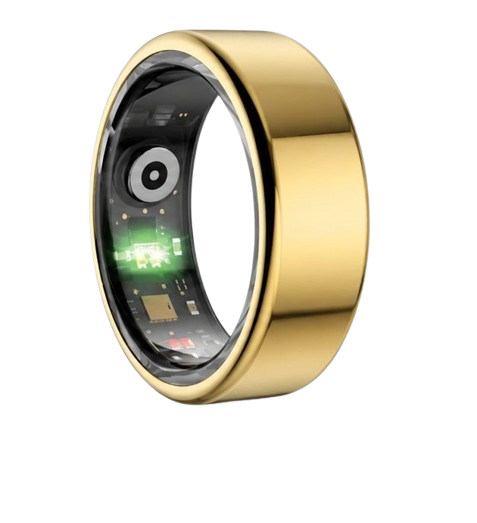
Waking up to a sudden spike in heart rate while sleeping can feel incredibly disquieting, but analyzing overnight cardiovascular metrics provides immediate clarity. Clinical data from the American Heart Association indicates that nocturnal heart rate fluctuations are often tied to shifts in sleep architecture, autonomic nervous system transitions, or external stressors. By utilizing the advanced multispectral PPG sensor of the Herz P1 smart ring, you can track these overnight trends with clinical-grade precision without any ongoing monthly fees.
Built to Last. Save Up to 69% Today.
The Herz P1 Smart Ring tracks HRV, Sleep, Heart Rate & SpO2 around the clock. No subscriptions. No renewals. Ever.
In This Article
- Identify and address a sudden spike in heart rate while sleeping using a step-by-step physical and environmental checklist.
- Explore the deep science of sleep architecture, REM stage changes, and autonomic nervous system drift.
- Deconstruct key health metrics like Heart Rate Variability (HRV) and Blood Oxygen Saturation (SpO2) using continuous PPG sensors.
- Overcome common tracking mistakes by choosing lightweight, screen-free wearables over heavy, uncomfortable smartwatches.
How to Identify and Address a Sudden Spike in Heart Rate While Sleeping: A Step-by-Step Investigation Guide
Prerequisites / What You’ll Need
To investigate a nighttime pulse surge, you need a highly precise continuous biometric tracker.
You will also need a basic sleep journal or logging application to note evening behaviors.
Ensure you track your metrics for at least seven consecutive nights to establish a baseline.
Step 1: Track and Log Evening Consumption Patterns
Begin by writing down everything you consume in the four hours before going to bed.
Identify whether alcohol, heavy meals, sugar, or caffeine were consumed close to sleep.
Substances like alcohol significantly suppress parasympathetic tone and cause a high heart rate while sleeping.
Note down the exact times of consumption to cross-reference with your overnight heart data.
Establish a strict cut-off time for stimulants to see if your nighttime baseline stabilizes.
Step 2: Cross-Reference Heart Rate Trends with Sleep Stages
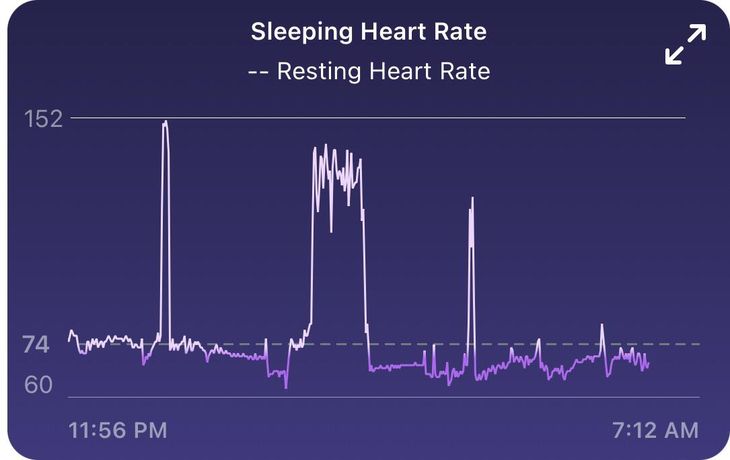
Open your tracking app in the morning to view the precise time of any heart rate spikes.
Determine if the sudden jump occurred during a transition into rapid eye movement (REM) sleep.
Understanding your sleep cycles helps explain why does my heart rate spike while sleeping.
If the spike correlates perfectly with REM cycles, it is likely caused by vivid dreams.
Check if your heart rate returned to normal immediately after the dream phase ended.
Step 3: Check Your Blood Oxygen Saturation (SpO2) History
Review your overnight blood oxygen trends to look for dips that happen at the same time as heart spikes.
Look for drops in oxygen levels below ninety-two percent during the night.
An oxygen drop followed by a quick pulse jump often points to sleep-disordered breathing.
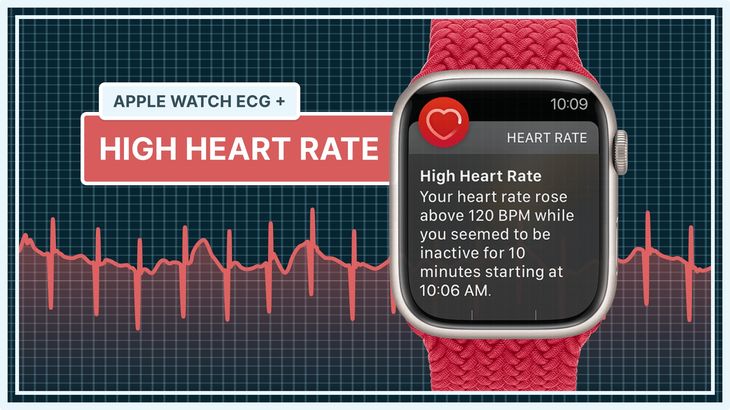
This drop may be the primary trigger for a heart rate above 120 while sleeping.
Keep a close record of these coupled trends to discuss with a healthcare professional if needed.
Step 4: Audit Your Sleep Environment and Temperature
Measure the ambient temperature and humidity of your bedroom before going to sleep.
Note whether you woke up feeling hot, sweaty, or physically restricted by heavy bedding.
An overheated room forces the cardiovascular system to work much harder to cool your body.
This extra cooling effort can cause your heart rate to drift upward as the night goes on.
Try setting your thermostat to a cooler range of sixty-five to68 degrees Fahrenheit.
Step 5: Apply a Pre-Sleep Autonomic Downregulation Protocol
Incorporate ten minutes of slow, controlled diaphragmatic breathing right before you close your eyes.
Avoid looking at bright digital screens for at least one hour before attempting to sleep.
Engaging in quiet relaxation helps transition your nervous system from active fight-or-flight to restful recovery.
This deliberate shift supports a lower, more consistent resting heart rate throughout the night.
Compare your sleep data on nights with a wind-down routine to nights without one to see the improvement.
Enhancing Your Investigation with the Herz P1 Smart Ring
The Herz P1 Smart Ring makes this detailed investigation incredibly easy and seamless.
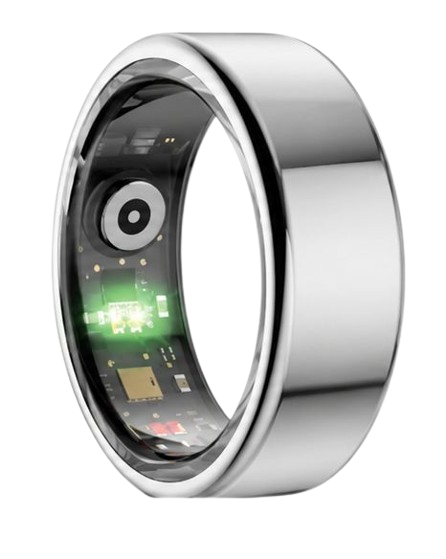
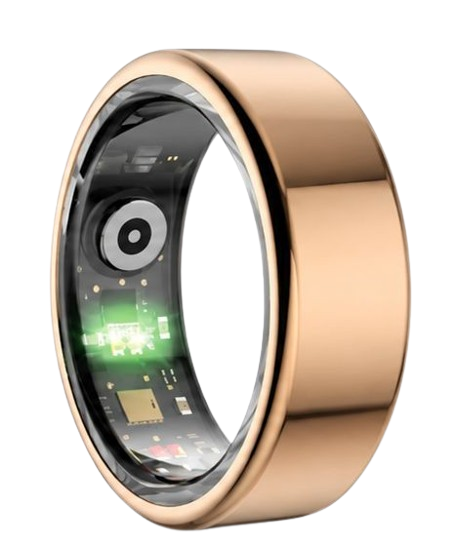
Its lightweight, military-grade steel design sits comfortably on your finger without disrupting your rest.
The ring features a continuous, multi-wavelength PPG sensor that captures heart rate fluctuations with high accuracy.
It matches these heart rate trends directly with sleep stages, blood oxygen levels, and HRV scores.
Best of all, you get full access to these professional insights without ever paying a monthly app subscription.
90-Day 100% Money-Back Guarantee
“The Herz Smart Ring helps me manage stress easily. It’s accurate, stylish, and lightweight—perfect for my busy life!”
— Jennifer P. | ✔ Verified Customer
- ✓ 6-Day Battery Life
- ✓ Detailed Sleep Analysis
- ✓ Fast 1-Hour Charging
- ✓ iOS & Android Ready
Questions? Call: 1-866-479-1629
Autonomic Nervous System Transitions: The Science of Nighttime Cardiovascular Drifts
Your autonomic nervous system controls your cardiovascular rhythm throughout the night.
When you are in deep, non-REM sleep, your parasympathetic nervous system acts as a natural brake.
This soothing mechanism lowers your resting heart rate to its lowest daily level.
However, entering REM sleep temporarily changes this calm state.
During REM, sympathetic activity spikes as intense brain patterns and active dreaming resume.
This natural shift explains why does heart rate increase while sleeping.
Your body can experience a brief surge of adrenaline during vivid dream states.
This response can cause a rapid heart rate during sleep that settles down quickly when you wake up.
How REM Sleep Triggers Adrenaline Release
Your brain is highly active during REM sleep, almost like it is when you are fully awake.
The amygdala processes emotions and can trigger a physical fight-or-flight response during a nightmare.
This emotional surge stimulates the adrenal glands to release epinephrine directly into your bloodstream.
As a result, your blood vessels constrict and your heart rate rises quickly.
This spike is a normal survival mechanism, even though it happens while you are fast asleep.
Tracking these phases with a smart ring helps you see how closely your pulse is tied to your sleep stages.
Cardiovascular Indicators: Sleep Apnea vs. Nocturnal Panic Attacks
It is important to know the difference between normal sleep shifts and indicators of sleep apnea or panic.
Obstructive sleep apnea causes the airway to physically collapse, stopping breathing for brief moments.
Your brain senses this drop in oxygen and triggers a sharp, survival-driven adrenaline rush to wake you up.
This survival response is a common cause of elevated heart rate during sleep.
In contrast, nocturnal panic attacks can happen without any breathing blockage or vivid dreams.
These panic episodes often wake you up suddenly with a racing heart, intense worry, and sweating.
Monitoring both oxygen levels and heart rate trends helps you understand what is causing these sudden awakenings.
The Connection Between Oxygen Drops and Heart Rate Jumps
When breathing stops during sleep, your blood oxygen saturation levels can drop rapidly.
The brain immediately commands the heart to pump faster to deliver oxygen to your vital organs.
This chemical response causes a sudden, steep spike in your pulse rate.
These sudden spikes can stress your cardiovascular system over time if they happen repeatedly.
Keeping a close eye on your oxygen trends is essential to maintaining long-term heart health.
Translating Wearable Data Into Actionable Lifestyle Adjustments
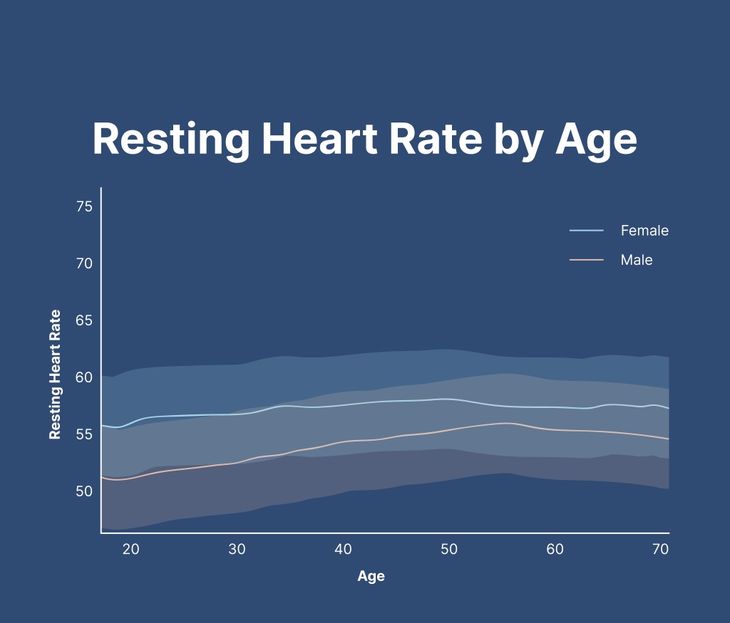
A smart ring helps you turn raw numbers into simple, daily adjustments to improve your health.
If your app shows elevated resting heart rate trends, it might mean your body is working too hard to recover.
This useful insight helps you figure out why is my heart rate elevated at night.
You can use this feedback to adjust your workouts, eat dinner earlier, or practice deep breathing.
Tracking your trends over time reveals exactly how your body responds to these positive lifestyle choices.
The comfort of a lightweight smart ring makes it easy to collect accurate, uninterrupted data every single night.
How to Use Daily HRV and Sleep Scores
Your Heart Rate Variability (HRV) score is a direct window into how recovered your nervous system is.
A high HRV score indicates your body is rested, relaxed, and ready for physical activity.
A low HRV score suggests your body is still carrying stress and needs extra recovery time.
Checking these scores in the morning helps you decide whether to take on a tough workout or rest.
This proactive approach helps prevent burnout and supports long-term cardiovascular health.
Overcoming Wearable Obstacles: Smartwatches vs. Screen-Free Smart Rings
Many people find that wearing a large, bulky smartwatch to bed actually disturbs their sleep.
Heavy watches can press into your wrist, and bright screen alerts can wake you up in the night.
This physical disruption is a common and often overlooked cause of a high pulse rate while sleeping.
Additionally, many smartwatch brands lock your data behind expensive monthly app subscriptions.
The Herz P1 Smart Ring solves these common problems beautifully.
It has no screen to distract you, weighs almost nothing, and offers full data access with no subscription fees.
Why Continuous, Subscription-Free Tracking is Better
Your health data belongs to you and should never require an ongoing monthly fee to view.
The Herz P1 app provides complete, lifetime access to your heart rate, sleep, SpO2, and HRV trends for free.
Continuous monitoring ensures you never miss a vital cardiovascular trend while you sleep.
This seamless tracking gives you peace of mind and complete control over your health journey.
Herz P1 vs. Leading Smart Ring Competitors: 2025 Feature Comparison
This straightforward comparison highlights key features to help you make an informed decision.
| Feature | Herz P1 Smart Ring | Competitor O | Competitor U |
|---|---|---|---|
| Monthly Subscription Fee | $0 (Free App Forever) | $5.99 / Month | $0 (Free App) |
| Chassis Material | Military-Grade Steel | Titanium | Titanium |
| Waterproof Rating | IP68 (Up to 164 feet) | IP68 | IP68 |
| Manufacturer Warranty | 2-Year Warranty | 1-Year Warranty | 1-Year Warranty |
| Battery Life | 6 Days | 5 Days | 5 Days |
| Money-Back Guarantee | 90-Day Trial | 30-Day Trial | 30-Day Trial |
Frequently Asked Questions About Nighttime Heart Spikes
Is the Herz P1 Smart Ring waterproof?
Yes, the Herz P1 carries an official IP68 waterproof rating.
It is fully safe for swimming, showering, and sweating up to depths of 164 feet.
You can wear it confidently during all your daily and water-based activities.
How long does the Herz P1 battery last on a single charge?
The long-lasting battery provides six full days of continuous tracking on a single charge.
It charges from zero to one hundred percent in less than one hour using the magnetic cradle.
This quick charge time means you rarely have to miss a night of tracking your sleep.
Which finger is the best choice to wear the smart ring on?
We recommend wearing the ring on your index, middle, or ring finger for the most accurate readings.
Choose the finger that provides a snug, comfortable fit without sliding around.
The non-dominant hand is often the best choice to reduce everyday wear and tear.
Does the Herz P1 store my biometric data offline?
Yes, the ring has secure built-in storage that holds up to seven days of local data offline.
It automatically syncs your recorded data to the companion app the next time your Bluetooth connects.
This feature means you do not need to keep your phone near your bed overnight to track your sleep.
Conclusion
Tracking and understanding overnight heart rate spikes is the first step toward better cardiovascular wellness and rest.
The premium, military-grade Herz P1 Smart Ring monitors these trends securely with no subscription fees.
Ready to monitor your health every day? Explore the Herz P1 Smart Ring and see if it fits your lifestyle. Call: 1-866-479-1629 — our team can help you advise on the correct ring size and set personalized health goals.
Note: Individual results may vary depending on individual health conditions, age, and lifestyle habits. This article is intended for general health reference purposes only.
