

Built to Last. Save Up to 69% Today.
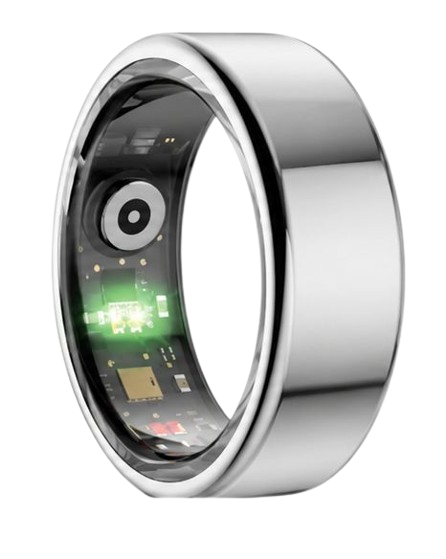
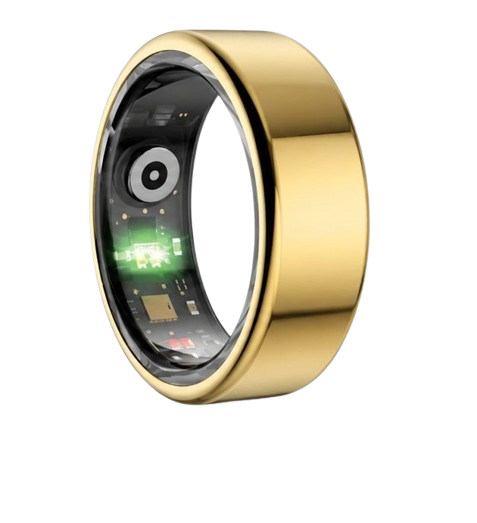
The Herz P1 Smart Ring tracks HRV, Sleep, Heart Rate & SpO2 around the clock. No subscriptions. No renewals. Ever.
In This Article
- The Step-by-Step Recovery Guide: Master the structured lifestyle habits needed to lower an elevated baseline.
- The Physiological Drivers: Explore how autonomic tone, hydration levels, and chronic stress force your heart to work harder.
- Advanced Biometric Metrics: Understand how tracking Sleep Stages and Heart Rate Variability (HRV) unlocks true wellness insights.
- Continuous Performance Monitoring: Learn to read resting heart rate changes without paying complex monthly app fees.
How to Systematically Lower Your Resting Heart Rate: A Step-by-Step Recovery Guide

Prerequisites / What You’ll Need
Before beginning any cardiovascular optimization protocol, you must secure a highly accurate tracking system.
You will need a continuous biometric tracker capable of capturing resting pulses during deep, undisturbed sleep cycles.
A journal or free companion app is also necessary to record daily lifestyle habits such as water intake, alcohol consumption, and physical activity.
Commit to a consecutive ten-day monitoring phase to establish a true physiological baseline before implementing adjustments.
Step-by-Step Instructions
Step 1: Track and Establish Your Biometric Baseline
You must first determine your exact baseline resting pulse during your deepest sleep stages.
Avoid relying on manual morning pulse checks as the act of waking immediately elevates your heart rate.
Instead, utilize a continuous wearable tracker that logs your heart rate automatically every five minutes throughout the night.
Gather seven complete days of data to calculate a clean statistical average.
This average serves as your control metric, helping you identify future spikes or positive downward trends.
Step 2: Optimize Daily Hydration and Electrolyte Levels
Dehydration significantly decreases your total circulating blood volume.
To compensate for low blood volume, your heart must beat faster to deliver sufficient oxygen to vital organs.
Begin your day by drinking sixteen ounces of pure water immediately upon waking.
Incorporate essential electrolytes including magnesium and potassium to support optimal cardiac cell conduction.
Aim to consume half your body weight in ounces of water daily to reduce unnecessary cardiac workload.
Step 3: Implement Autonomic Nervous System Down-Regulation
Chronic psychological stress keeps your body locked in a sympathetic, fight-or-flight biological state.
You can actively stimulate your vagus nerve to trigger a parasympathetic recovery response.
Practice structured box breathing for five minutes twice per day, especially before high-pressure meetings.
Inhale deeply for four seconds, hold for four seconds, exhale for four seconds, and hold empty for four seconds.
This simple pattern slows sinoatrial node firing and immediately relaxes blood vessels.
Step 4: Execute Structured Zone 2 Cardiovascular Conditioning
To make your heart a more efficient pump, you must strengthen the left ventricle muscle wall.
Incorporate three weekly sessions of low-intensity, steady-state cardiovascular exercise.
Maintain your heart rate strictly within Zone 2, which is roughly sixty to seventy percent of your maximum heart rate.
Examples include fast-paced walking, light cycling, or swimming where you can still maintain a conversation.
Over time, this increases your heart’s stroke volume, allowing it to pump more blood with fewer beats.
Step 5: Master Sleep Hygiene and Bedtime Thermal Regulation
Your body cannot achieve true restorative sleep if it is struggling to regulate internal core temperature.
Keep your sleeping environment dark, quiet, and cool, ideally between sixty-five and sixty-eight degrees Fahrenheit.
Stop consuming heavy meals or alcohol at least three hours before your planned bedtime.
Digestion and alcohol metabolism force blood to flow rapidly to your gut, preventing your resting pulse from dropping.
Ensuring deep rest allows your cardiac system to undergo vital tissue repair and autonomic recalibration.
Step 6: Eliminate Inflammatory Dietary and Habitual Disruptors
Identifying what affects resting heart rate in your daily diet is essential for long-term health.
Consuming highly processed sugars and excessive caffeine late in the afternoon triggers adrenaline releases.
Limit your caffeine intake to the early morning hours, and avoid artificial stimulants entirely.
Focus your diet on whole, anti-inflammatory foods like leafy greens, wild-caught fish, and healthy fats.
Reducing systemic inflammation naturally relieves physical tension and reduces the strain on your heart.
Continuous Recovery Tracking with Herz P1
Lowering your pulse is a gradual process that requires persistent tracking and consistent lifestyle habits.
The Herz P1 Smart Ring supports this journey by monitoring your metrics every minute without uncomfortable wrist straps.
Its clinical-grade sensors provide the detailed, real-time data you need to confirm that your hydration and sleep improvements are working.
90-Day 100% Money-Back Guarantee
“The Herz Smart Ring helps me manage stress easily. It’s accurate, stylish, and lightweight—perfect for my busy life!”
— Jennifer P. | ✔ Verified Customer
- ✓ 6-Day Battery Life
- ✓ Detailed Sleep Analysis
- ✓ Fast 1-Hour Charging
- ✓ iOS & Android Ready
Questions? Call: 1-866-479-1629
The Physiological Science Behind Why Your Resting Heart Rate is Elevated

How Systemic Stress and Autonomic Imbalance Drive Heart Rate Elevation
The human heart relies on a delicate balance between the parasympathetic and sympathetic nervous systems.
When you experience chronic stress, your adrenal glands continuously flood your bloodstream with cortisol and adrenaline.
This chemical surge forces the sinoatrial node in your heart to fire at an accelerated rate.
As a result, you might find your daily resting heart rate higher than normal even while sitting quietly at your desk.
According to clinical findings published by the American Heart Association, a prolonged high heart rate indicates that your cardiovascular system is working overtime.
If you discover that your resting heart rate suddenly increased over a few days, it is a clear warning sign of fatigue.
Tracking these changes allows you to address physical stress before it leads to chronic exhaustion.
The Direct Impact of Dehydration, Inflammation, and Illness on Cardiac Function
When your immune system encounters a pathogen, it releases signaling proteins called cytokines to fight the infection.
This inflammatory response dilates your blood vessels and increases your core body temperature.
To maintain stable blood pressure and support immune cell delivery, your heart must increase its pumping speed.
This is precisely why you will notice an elevated heart rate when sick, sometimes occurring hours before you feel actual symptoms.
Dehydration exacerbates this issue further by reducing your blood plasma volume.
With less fluid circulating, each heartbeat delivers less oxygen-rich blood, forcing your pulse to climb.
Understanding these physiological responses helps you identify elevated resting pulse causes and make immediate lifestyle adjustments.
Decoding Your Cardiovascular Metrics — HRV, SpO2, and resting heart rate changes
The Inverse Relationship Between Heart Rate Variability and Elevated Pulse Rates
Heart Rate Variability, or HRV, measures the exact time differences between consecutive heartbeats in milliseconds.
A healthy, highly recovered body exhibits high variation because the nervous system is responsive to subtle external cues.
Conversely, when you are stressed or poorly recovered, your heart rate becomes highly regular and rigid, leading to a low HRV.
There is a direct inverse correlation between a high resting pulse and your daily HRV scores.
Analyzing these resting heart rate changes reveals how your body is coping with its current physical demands.
If you are left wondering why did my resting heart rate increase, your HRV graph will likely show a corresponding decline.
Using a smart ring to track this relationship provides an early indicator of cumulative physical fatigue.
Blood Oxygen Saturation (SpO2) and Sleep Quality Interdependence
Your blood oxygen saturation levels, measured as SpO2, should ideally stay between ninety-five and one hundred percent during sleep.
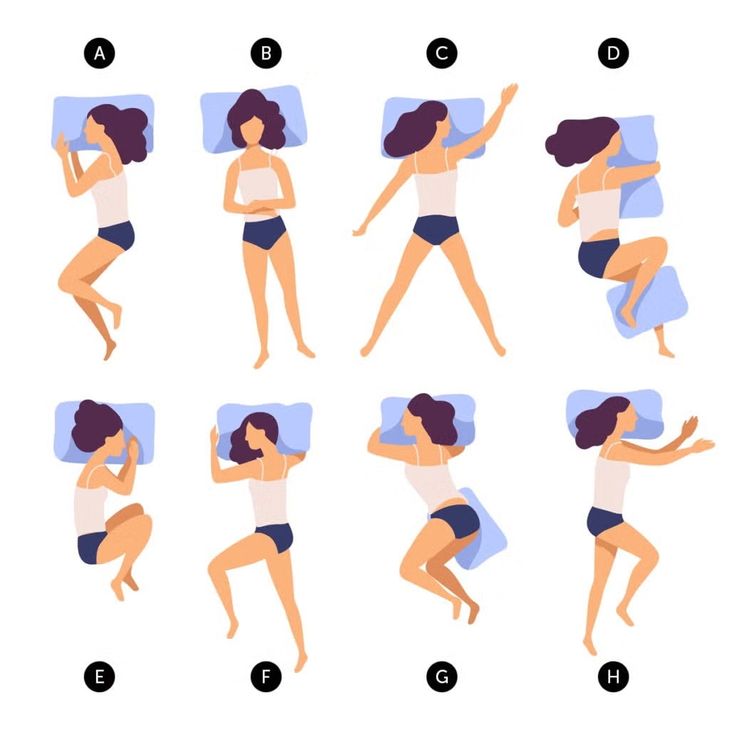
If your airway is partially restricted or your sleeping position is poor, your oxygen levels can dip overnight.
Any sudden drop in oxygen signals a survival emergency to your brain, causing a sudden burst of adrenaline.
This adrenaline surge immediately wakes you up and drives your heart rate up to restore proper oxygenation.
This continuous loop disrupts your deep sleep stages, leaving you exhausted and tense the next morning.
By monitoring overnight SpO2 and heart rate simultaneously, you can pinpoint the exact causes of early-morning fatigue.
Our team at Herz P1 has designed optical sensors that capture these critical, interconnected metrics while you rest comfortably.
Utilizing Smart Ring Data to Map Daily Recovery and Stress
How to Interpret Your Herz P1 App Metrics for Daily Exercise Load
Your morning health data should dictate the physical intensity of your upcoming day.
When you wake up, open your free companion app to review your sleep score, resting pulse, and HRV trend.
If you notice a high heart rate in the morning, it is a sign that your body has not finished recovering from the previous day.
On these low-recovery days, pivot away from heavy weightlifting or high-intensity interval training.
Instead, prioritize light stretching, yoga, or a recovery walk to support your system without overworking it.
If your metrics are in the optimal green zone, you can confidently push your limits during physical workouts.
The lightweight, military-grade steel design of the Herz P1 ensures you can comfortably collect this data twenty-four hours a day.
Common Pitfalls in Tracking and Corrective Actions
The Bulky Wearable Trap and Hidden Subscription Fees
Many health-conscious individuals try to track their recovery using heavy, oversized smartwatches.
However, these bulky devices often shift on your wrist during sleep, leading to inaccurate readings or gaps in your data.
Furthermore, waking up to find your resting heart rate increased by 10 in a month can cause unnecessary anxiety without proper context.
Many popular wearable brands also lock your health metrics behind expensive monthly subscription paywalls.
We believe your personal health data should belong entirely to you, without recurring fees or financial barriers.
The Herz P1 Smart Ring offers a lifetime of detailed wellness analytics with a single, straightforward purchase.
Its durable, military-grade steel construction is built to withstand sweat, intense workouts, and daily wear for years to come.
Why Herz P1 is the Ultimate Biometric Companion
Review this direct feature comparison to see how the Herz P1 compares to traditional fitness trackers on the market.
| Feature | Herz P1 Smart Ring | Traditional Smartwatches |
|---|---|---|
| Monthly Subscription Fee | $0 (Free App for Life) | Up to $10/month required |
| Material & Durability | Military-Grade Steel & IP68 Waterproof | Fragile aluminum and plastic screens |
| Sleep Wearing Comfort | Ultra-lightweight ring form factor | Bulky, heavy wrist straps that slide |
| Battery Life | Up to 6 Days on a single charge | Requires daily charging sessions |
| Warranty Coverage | 2-Year Full Manufacturer Warranty | Standard 1-year limited coverage |
Frequently Asked Questions (FAQ)
Take Control of Your Cardiovascular Health Today
Lowering an elevated resting pulse begins with consistent daily awareness and reliable health tracking.
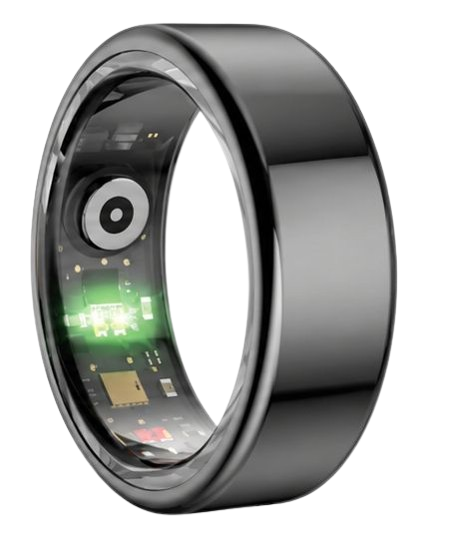
The Herz P1 Smart Ring makes monitoring your vital signals simple, durable, and subscription-free.
Ready to monitor your health every day? Explore the Herz P1 Smart Ring and see if it fits your lifestyle. Call: 1-866-479-1629 — our team can help you advise on the correct ring size and set personalized health goals.
