

Waking up with a racing pulse can be deeply unsettling, but understanding the precise physiological triggers behind an elevated heart rate during sleep is the first step toward reclaiming your health and resting comfortably. Your body relies on a natural drop in overnight blood pressure and heart rate to repair vital tissue, balance systemic hormone levels, and lower overall cardiovascular strain. At Team Herz P1, we believe in decoding these subtle nocturnal signals so you can make informed lifestyle adjustments, optimize your biological recovery, and elevate your daily quality of life without friction.
Built to Last. Save Up to 69% Today.
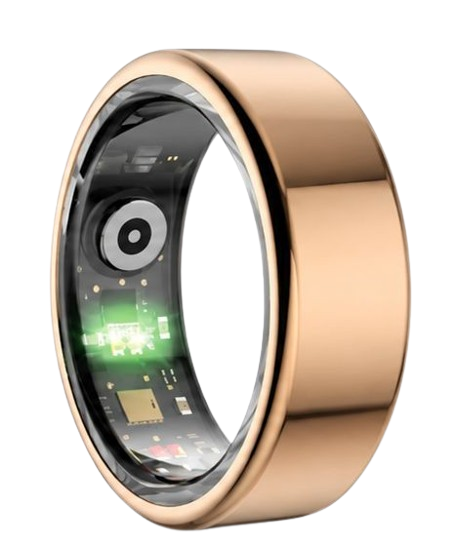
The Herz P1 Smart Ring tracks HRV, Sleep, Heart Rate & SpO2 around the clock. No subscriptions. No renewals. Ever.
In This Article
- Nocturnal Biometrics Demystified: Understand what constitutes a high sleep pulse and why overnight dipping is critical for health.
- Physiological Sleep Architecture: Explore how different sleep stages naturally alter your heart rate and trigger pulse spikes.
- Autonomic Tug-of-War: Deep dive into the real-world impact of stress, late meals, alcohol, and underlying health conditions on resting heart rate.
- Empowered Self-Tracking: Learn how to read smart ring data to take control of your recovery and build restorative lifestyle routines.
Why Is Your Heart Rate Elevated During Sleep? What Your Biometrics Reveal
To comprehend why your heart behaves a certain way overnight, we must first break down the fundamental biological mechanics of sleep.
An elevated sleeping heart rate is a primary physiological indicator that your body is failing to transition into a deep, restorative state of recovery.
Under normal conditions, a healthy individual’s heart rate should experience what cardiologists call “nocturnal dipping.”
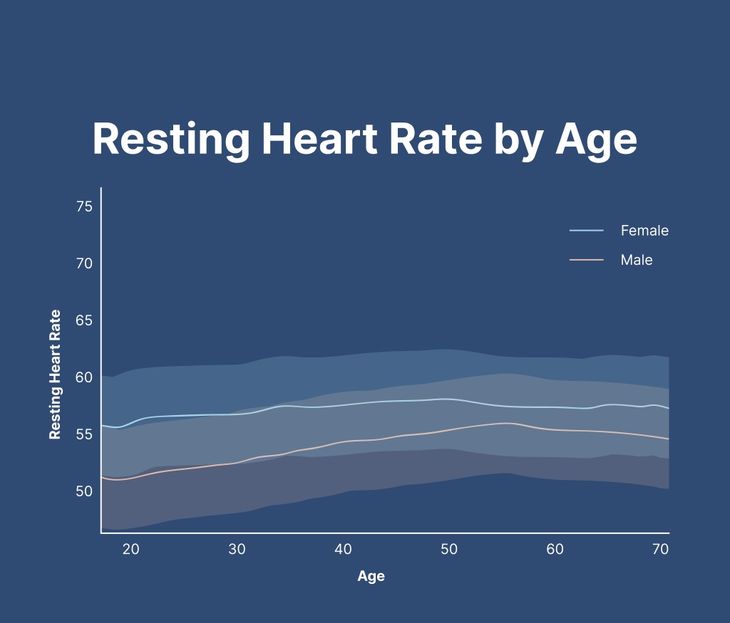
According to the American Heart Association, a typical sleeping heart rate falls between 40 and 60 beats per minute (BPM).
This drop represents a healthy 10% to 20% reduction compared to your awake, resting baseline.
If you experience a high heart rate in sleep, your cardiovascular system is working overtime when it should be resting.
This persistent strain directly affects busy office workers, chronic stress sufferers, and individuals recovering from intense physical workouts.
An elevated nocturnal pulse primarily occurs when the sympathetic nervous system stays active, overriding the parasympathetic “rest-and-digest” signals.
This imbalance can occur at any point during the night, though it is highly prevalent during late-night hours or early morning REM sleep cycles.
The core triggers range from psychological stress and intense cognitive loads to physical disruptions like thermal discomfort or sleep apnea.
Physiologically, a rapid heart rate during sleep occurs because your heart must pump blood faster to clear stress hormones or regulate oxygen levels.
Quantitatively, keeping your heart rate elevated by even 10 BPM above your typical sleep baseline can reduce deep sleep duration by up to 30 minutes.
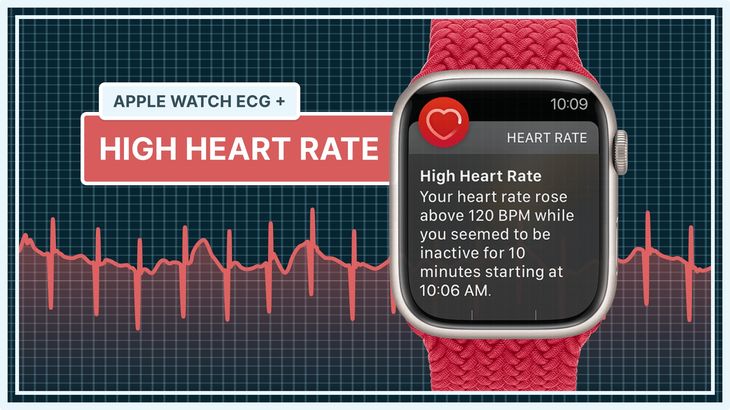
If you consistently see a heart rate above 120 while sleeping, this is a clear sign to consult a healthcare professional to rule out underlying issues.
Tracking these overnight biometrics in real time is simple with advanced sensor technology.
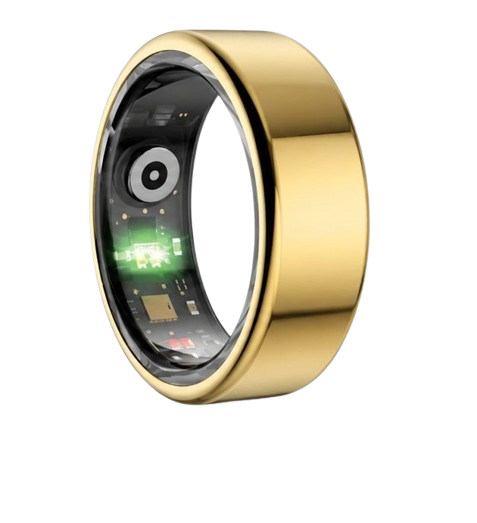
If you want to track this in real time, the Herz P1 Smart Ring monitors heart rate and HRV 24/7 — explore it here.
90-Day 100% Money-Back Guarantee
“The Herz Smart Ring helps me manage stress easily. It’s accurate, stylish, and lightweight—perfect for my busy life!”
— Jennifer P. | ✔ Verified Customer
- ✓ 6-Day Battery Life
- ✓ Detailed Sleep Analysis
- ✓ Fast 1-Hour Charging
- ✓ iOS & Android Ready
Questions? Call: 1-866-479-1629
Decoding the Physiology of Your Sleeping Heart Rate and Sleep Stages
To fully understand your body’s overnight recovery, we must examine the complex relationship between sleep stages and your autonomic nervous system.
Sleep is not a uniform state of unconsciousness, but rather a highly active, repeating cycle of light sleep, deep sleep, and Rapid Eye Movement (REM) phases.
During Non-REM (NREM) deep sleep, your parasympathetic nervous system dominates, actively slowing your respiratory rate and dialling down your blood pressure.
This phase is when your heart gets its much-needed rest, allowing muscle tissues to repair and systemic inflammation to cool down.
However, during REM sleep—the stage when most dreaming occurs—brain activity surges to levels nearly identical to when you are wide awake.
This neurological activity can trigger a sudden spike in heart rate while sleeping, especially during intense, vivid dreams.
This natural variance explains why your overnight pulse is not a perfectly flat line, but rather a dynamic wave of minor rises and falls.
The problem arises when your heart rate remains consistently elevated throughout all sleep stages, indicating a lack of parasympathetic dominance.
This persistent high heart rate while sleeping prevents your brain from spending adequate time in restorative deep sleep.
Research from the National Sleep Foundation indicates that a lack of deep sleep impairs memory consolidation, limits physical muscle recovery, and weakens immune function.
Without proper deep sleep cycles, you wake up feeling physically exhausted, mentally foggy, and highly susceptible to daytime fatigue.
Monitoring these subtle shifts between sympathetic and parasympathetic states requires precise, continuous Heart Rate Variability (HRV) tracking.
By capturing changes in milliseconds between heartbeats, you can easily identify exactly when your autonomic recovery goes off course.
The Autonomic Tug-of-War: Stress, Substance Intake, and Overnight Pulse Spikes
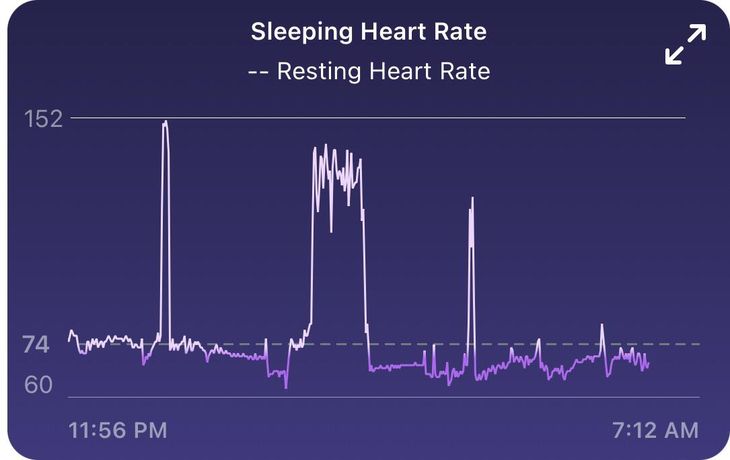
Many everyday habits and environmental factors can disrupt your sleep architecture, keeping your autonomic nervous system in a constant state of high alert.
The most common culprit behind a high sleep pulse is the persistent presence of stress hormones like cortisol and adrenaline in your system.
When you carry daytime work anxieties, personal worries, or intense mental loads into your evening, your brain continues to perceive danger.
This continuous perceived threat answers the common question of why is my heart rate elevated at night as your body struggles to relax.
Another major physiological trigger is the consumption of alcohol, large meals, or caffeine too close to your scheduled bedtime.
While a glass of wine might make you feel drowsy, alcohol is a powerful central nervous system disruptor that severely elevates your sleeping pulse.
As your liver works hard to metabolize alcohol overnight, your sympathetic nervous system remains highly active, causing a prolonged high pulse rate while sleeping.
Similarly, digesting a heavy, calorie-dense meal late at night diverts blood flow to your digestive tract and forces your heart to pump harder.
Caffeine consumed in the late afternoon can also bind to adenosine receptors, keeping your adrenaline pumping and raising your baseline heart rate for hours.
Beyond lifestyle choices, underlying physiological conditions like obstructive sleep apnea can trigger dramatic cardiovascular stress during the night.
When your airway collapses, your oxygen saturation levels drop rapidly, triggering an emergency survival response from your brain.
This sudden rush of adrenaline shocks your system, causing your heart rate to skyrocket to restore oxygen flow to your vital organs.
Recognizing these overnight patterns is crucial to protecting your long-term cardiovascular health and ensuring you wake up feeling fully refreshed.
Actionable Steps to Lower Your Nighttime Pulse and Improve Recovery
Transforming your overnight recovery does not require complex medical treatments, but rather consistent, data-backed lifestyle changes.
First, establishing a relaxing, dedicated wind-down routine at least one hour before bed can dramatically reduce sympathetic nervous system activity.
Engaging in calming activities like reading a book, practicing deep breathing exercises, or taking a warm bath signals your brain that it is safe to sleep.
Second, optimizing your physical sleep environment by keeping your bedroom cool, dark, and quiet supports your body’s natural thermal regulation.
A cooler bedroom temperature helps lower your core body temperature, which naturally encourages your heart rate to dip into a healthy, resting state.
Third, avoiding heavy meals, alcohol, and caffeine within four to six hours of your bedtime gives your digestive and nervous systems time to rest.
By allowing these metabolic processes to finish before you sleep, your heart can focus entirely on overnight physical recovery.
Fourth, using a comfortable, low-profile wearable to monitor your daily progress lets you see exactly which changes have the biggest positive impact.
Tracking your sleep trends over several weeks helps you pinpoint specific habits that help lower your heart rate and boost your overall energy.
Common Biometric Tracking Errors: Why Bulky Smartwatches Fail Us
Many health-conscious individuals try to monitor their sleep biometrics using standard, wrist-worn fitness trackers or smartwatches.
However, wearing a bulky, heavy smartwatch to bed often creates more sleep disruptions than it solves, skewing your overnight data.
The physical weight and size of large smartwatches can cause discomfort, leading to tossing, turning, and frequent micro-arousals during the night.
Additionally, loose-fitting wrist sensors frequently lose contact with your skin, resulting in highly inaccurate readings or frustrating data gaps.
Another common frustration with popular smartwatches is the burden of continuous, expensive monthly application subscription fees.
Many brands lock your advanced health metrics, historical data trends, and personalized sleep insights behind a monthly paywall.
At Team Herz P1, we believe you should never have to pay a recurring fee to access and understand your own biological data.
The Herz P1 Smart Ring App is completely free for life, giving you unlimited access to your health trends with no hidden costs.
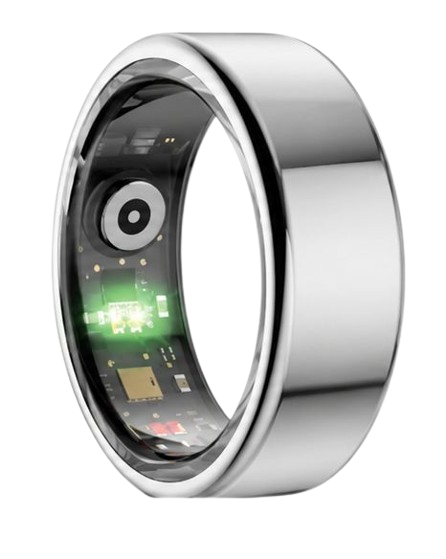
Designed with military-grade steel and a sleek, lightweight form factor, it provides a seamless, distraction-free sleep tracking experience.
Frequently Asked Questions About Nightly Biometrics
Is the Herz P1 Smart Ring waterproof?
Yes, the Herz P1 is fully IP68 waterproof and rated for depths up to 164 feet (50 meters).
You can confidently wear it while swimming, taking hot showers, washing your hands, or relaxing in the sauna without disrupting your tracking.
How long does the Herz P1 battery last on a single charge?
The advanced, energy-efficient battery lasts up to 6 days of continuous, 24/7 biometric tracking.
When it is time to charge, the ring powers up from 0% to 100% in under one hour using the included magnetic charging dock.
Which finger is the best to wear the smart ring on for accurate readings?
For the highest quality PPG optical sensor readings, we recommend wearing the ring on your index, middle, or ring finger.
The non-dominant hand is often preferred to minimize daily wear and tear and prevent motion interference during active tracking.
Does the Herz P1 store my biometric data offline if my phone is disconnected?
Yes, the ring features built-in storage that safely holds up to 7 days of detailed biometric data offline.
Once your ring reconnects to your smartphone via Bluetooth, all stored sleep, heart rate, and HRV data syncs automatically.
Conclusion: Reclaim Your Restful Sleep and Overnight Recovery
Monitoring your sleeping heart rate is a powerful way to understand your body’s recovery needs and make positive health choices.
By tracking your biometrics, optimizing your sleep routine, and addressing stress, you can enjoy deeper, more restorative rest every single night.
Ready to monitor your health every day? Explore the Herz P1 Smart Ring and see if it fits your lifestyle. Call: 1-866-479-1629 — our team can help you advise on the correct ring size and set personalized health goals.
Note: Individual results may vary depending on individual health conditions, age, and lifestyle habits. This article is intended for general health reference purposes only.
