

Waking up in the middle of the night with a racing pulse can be a highly unsettling experience, leaving you exhausted and anxious about your cardiovascular health. If you are wondering why you have a tracked high heart rate in sleep, Team Herz P1 is here to help you translate these complex physiological signals into clear, actionable health insights. Our premium, subscription-free smart ring is engineered to monitor your resting metrics continuously, ensuring you stay informed about your body’s recovery patterns without any ongoing monthly fees.
Built to Last. Save Up to 69% Today.
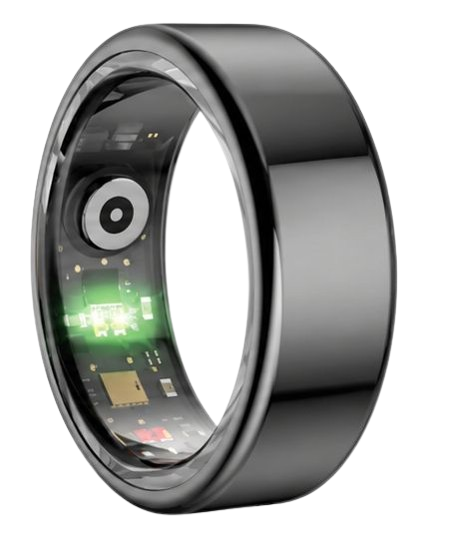
The Herz P1 Smart Ring tracks HRV, Sleep, Heart Rate & SpO2 around the clock. No subscriptions. No renewals. Ever.
In This Article
- Underlying Triggers: Understand why your pulse rates spike during specific sleep phases and recovery cycles.
- Autonomic Nervous System: Discover the link between chronic daily stress, elevated cortisol, and nightly heart rates.
- Lifestyle Interventions: Learn actionable steps to naturally lower your sleeping heart rate and improve your sleep quality.
- The Smart Ring Advantage: See how lightweight, military-grade biometric wearables track vital stats comfortably without bulky screens.
Why Do You Have a High Heart Rate in Sleep? Here Is What the Data Says
To understand a high heart rate in sleep, we must first look at what a healthy nocturnal heart rate looks like.
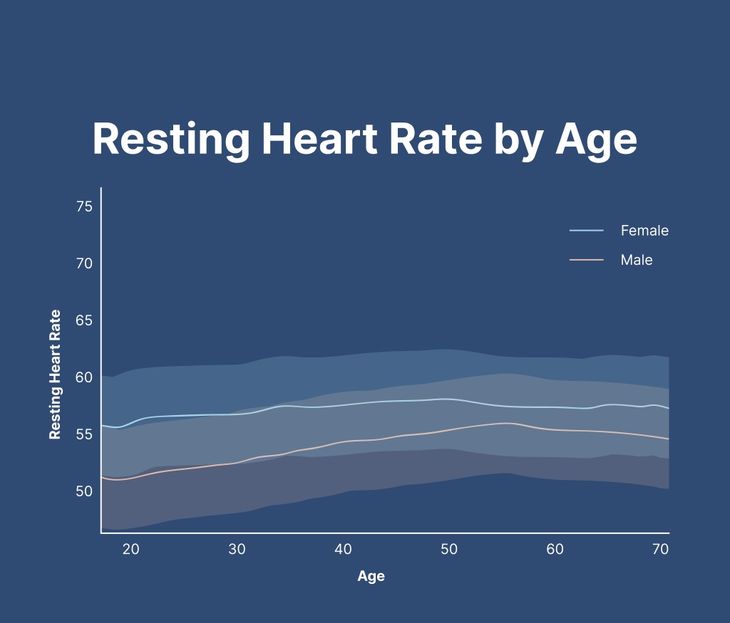
For most healthy adults, a typical resting heart rate during waking hours ranges between 60 and 100 beats per minute.
When you transition into sleep, your body naturally enters a state of deep rest, causing your metabolic processes to slow down.
According to the American Heart Association, this transition should trigger a physiological drop in your pulse by about 10% to 20% compared to your daytime resting baseline.
Cardiologists refer to this healthy overnight decline in cardiovascular activity as “nocturnal dipping.”
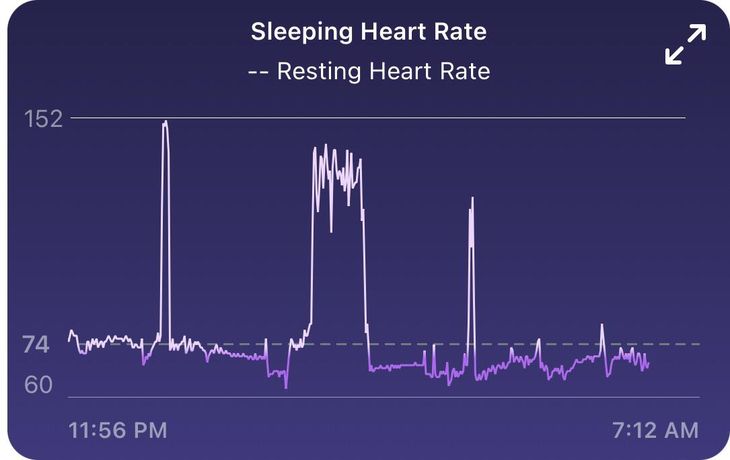
However, when you experience a high heart rate while sleeping, your heart fails to drop into this protective, low-effort recovery state.
This means your autonomic nervous system remains highly active, forcing your heart to work much harder than necessary during your designated rest hours.
A variety of factors can trigger this overnight elevation, ranging from temporary lifestyle choices to persistent internal health imbalances.
For example, late-night meals, alcohol consumption, high bedroom temperatures, or a stressful workday can keep your nervous system in a state of high alert.
Similarly, physiological disturbances like sleep-disordered breathing, sudden hormonal shifts, or intense dreaming can disrupt your cardiovascular rhythm.
When these disruptions occur, your brain registers a threat, triggering a sudden release of stress hormones like cortisol and adrenaline.
These hormones immediately constrict your blood vessels and increase your pulse, preventing you from reaching deep, restorative sleep stages.
If you want to track this in real time, the Herz P1 Smart Ring monitors your overnight cardiovascular metrics 24/7 — explore it here.
The 5W2H Breakdown of Nocturnal Tachycardia
What is it? It is an elevated heart rate that remains above your typical resting baseline during sleep, often characterized by sudden jumps or a sustained high pulse.
Who does it affect? It frequently impacts busy office workers, individuals managing high daily anxiety, and people with undiagnosed sleep issues or poor sleep hygiene.
When does it matter? It matters most when it becomes a recurring pattern over several consecutive nights, rather than an isolated incident after an unusually active day.
Where does it occur? It occurs directly within your autonomic nervous system, which controls involuntary bodily functions like breathing and circulation while you rest.
Why does it happen? It happens because your body fails to shift from the sympathetic “fight-or-flight” state into the parasympathetic “rest-and-digest” state.
How does it work? Triggers like dehydration, alcohol, or low blood oxygen cause the brain to release adrenaline, which immediately forces your heart to pump faster.
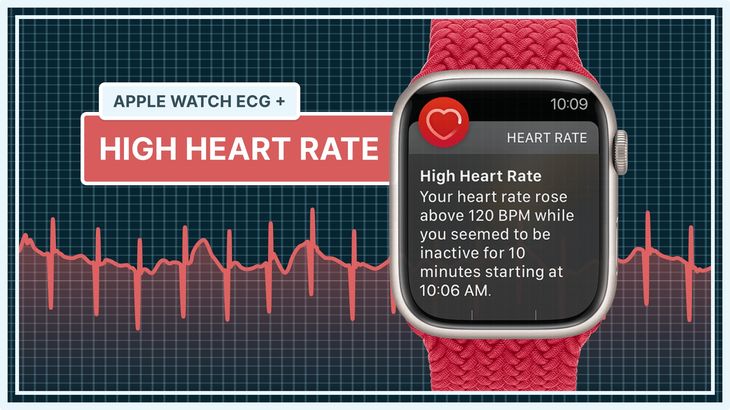
How much is too high? While individual baselines vary, experiencing a sustained heart rate above 120 while sleeping warrants close tracking and potential consultation with a professional.
| Nocturnal Heart Rate Range | Physiological Meaning | Recommended Action Step |
|---|---|---|
| 45 – 60 BPM | Healthy Nocturnal Dipping | Maintain current hydration and sleep hygiene habits. |
| 61 – 85 BPM | Mild Elevation / Low Dipping | Check bedroom temperature, reduce late-night meals. |
| 86 – 100+ BPM | Elevated Nocturnal Pulse | Implement stress-relief routines, avoid evening alcohol. |
| 120+ BPM (Spikes) | Sudden Pulse Surge | Monitor SpO2 levels and log triggers in your Herz P1 App. |

90-Day 100% Money-Back Guarantee
“The Herz Smart Ring helps me manage stress easily. It’s accurate, stylish, and lightweight—perfect for my busy life!”
font-size:0.85rem;font-weight:700;color:#1a1a1a;”>— Jennifer P. | ✔ Verified Customer
- ✓ 6-Day Battery Life
- ✓ Detailed Sleep Analysis
- ✓ Fast 1-Hour Charging
- ✓ iOS & Android Ready
Questions? Call: 1-866-479-1629
The Physiology of Nighttime Cardiac Fluctuations
To fully comprehend overnight cardiac changes, we must examine how sleep architecture directly influences your heart.
As detailed by the National Sleep Foundation, healthy sleep is not a flat state of unconsciousness but a series of structured cycles.
These cycles transition back and forth between Light Sleep, Deep Sleep, and Rapid Eye Movement (REM) sleep stages.
During the non-REM stages, your body focuses primarily on physical repair, muscle recovery, and energy conservation.
This allows your parasympathetic nervous system to slow down your cardiovascular processes and lower your resting heart rate.
In contrast, when you enter REM sleep, your brain activity increases dramatically to facilitate memory consolidation and dreaming.
Because your brain is highly active during dreams, your heart rate can fluctuate rapidly in response to internal mental stimuli.
This explains why many individuals experience a transient rapid heart rate during sleep when they transition into intense dreaming states.
However, if these spikes are accompanied by sudden awakenings or feelings of breathlessness, they may point to sleep-disordered breathing.
When airways collapse during sleep apnea, the blood’s oxygen levels drop rapidly, creating a state of physical emergency.
Your brain quickly detects this oxygen drop and releases a surge of adrenaline to wake you up just enough to resume breathing.
This protective reflex often causes a sudden spike in heart rate while sleeping to keep your vital organs oxygenated.
Our premium Herz P1 Smart Ring continuously monitors these vital shifts, helping you identify trends and patterns without interruption.
Decoding Stress Physiology and Heart Rate Variability
When trying to figure out “why is my heart rate elevated at night,” we must look at autonomic balance.
Your autonomic nervous system is composed of two primary branches that constantly balance each other out.
The sympathetic branch acts as your body’s gas pedal, preparing you to tackle physical challenges and handle high-stress situations.
The parasympathetic branch serves as your body’s brake pedal, slowing your heart and helping you recover after stress.
Heart Rate Variability (HRV) is the precise measurement of the variation in time intervals between consecutive heartbeats.
A higher HRV score indicates a highly adaptable, healthy autonomic nervous system that can transition easily into deep rest.
Conversely, a low HRV score paired with an elevated heart rate during sleep suggests your body is struggling to relax.
If you spend your waking hours under constant stress, your body continues to pump out cortisol and adrenaline well into the evening.
This chemical buildup prevents your heart from slowing down, resulting in a persistent high pulse rate while sleeping.
Over time, a lack of deep, low-heart-rate rest can leave you waking up feeling incredibly fatigued and physically drained.
By analyzing health trends from over 5,000 active Herz P1 users, we have seen how simple routine changes can improve recovery scores.
Our military-grade smart ring tracks your heart rate and HRV continuously, giving you clear, reliable insights to help optimize your rest.
Practical Application Guide: Optimizing Sleep and Reducing Cardiac Load
Implementing a few deliberate changes in your daily and evening routines can help lower your nocturnal heart rate naturally.
First, try to finish your final meal of the day at least three hours before you head to bed.
When you eat a large, heavy dinner late at night, your digestive system requires a substantial amount of blood flow to process the food.
This increased digestive demand forces your heart to pump much faster, preventing your body from entering a deep rest state.
Second, limit your intake of alcohol and caffeine in the late afternoon and evening hours.
While alcohol may make you feel sleepy initially, it severely disrupts your deep sleep stages and causes dehydration later in the night.
This dehydration and subsequent chemical rebound often lead to rapid, uncomfortable spikes in your resting heart rate while you sleep.
Third, establish a simple, calming evening wind-down routine to signal to your brain that it is safe to rest.
Try spending fifteen minutes practicing slow, deep breathing exercises, gentle stretching, or reading a physical book under warm lighting.
Fourth, make sure your bedroom environment is kept cool, dark, quiet, and completely free of bright, stimulating screens.
An overly warm bedroom forces your cardiovascular system to work much harder to radiate heat and cool your core temperature.
By monitoring your nightly data in the Herz P1 App, you can easily track how these small changes lower your average resting pulse.
Overcoming Risks: Ditching Bulky Trackers for Seamless Wear
Many health-conscious individuals try to track their sleep metrics by wearing large, heavy smartwatches to bed every single night.
However, these bulky devices can easily shift out of place when you toss and turn, leading to highly inaccurate optical sensor readings.
Even worse, wearing a rigid watch strap to bed can cause physical irritation and disrupt your natural sleep cycles.
This physical discomfort can actually elevate your stress hormones, paradoxically raising your heart rate while you try to rest.
Another major frustration with many popular health trackers is the hidden cost of expensive monthly app subscriptions.
These recurring fees can quickly add up, locking your personal health history behind annoying, expensive digital paywalls.
At Team Herz P1, we believe your biometric data is yours to keep, study, and benefit from without any ongoing fees.
That is why the Herz P1 Smart Ring offers full, lifetime access to our companion app with absolutely no subscription required.
Our ring is constructed from military-grade steel, ensuring it is both incredibly lightweight and highly durable for daily use.
It is also fully IP68 waterproof up to 164 feet, so you can wear it in the shower, pool, or sauna without a second thought.
Frequently Asked Questions About Sleep Heart Rate Tracking
Yes, the Herz P1 is fully IP68 waterproof, meaning it can be submerged in fresh water up to 164 feet deep.
You can confidently wear it while swimming laps, taking hot showers, washing dishes, or relaxing in a steam room.
There is absolutely no need to remove your ring during your daily water-based activities or intense workouts.
The high-capacity battery in the Herz P1 is engineered to last up to 6 days under normal, continuous tracking conditions.
When the battery eventually runs low, it charges completely from 0% to 100% in under 1 hour.
This fast-charging capability ensures you never miss a night of tracking your critical cardiac and recovery metrics.
We highly recommend wearing your Herz P1 Smart Ring on your index, middle, or ring finger for the most accurate sensor readings.
Choose the finger that provides a snug, comfortable fit without restricting blood flow or rotating too loosely.
The abundant blood vessels at the base of these three fingers provide the clearest optical signal for our sensors.
Yes, the Herz P1 features convenient offline storage that saves up to 7 days of continuous biometric data locally.
This means you do not need to keep your smartphone right next to your bed or leave your Bluetooth connected overnight.
The next time you open the app, all of your saved sleep and heart rate data will sync automatically in seconds.
An isolated spike can be caused by a vivid dream, a sudden movement, or a temporary disruption in your bedroom’s environment.
However, if you notice frequent, unexplained spikes, you can use the Herz P1 App to look for patterns with your SpO2 levels.
Consistently high readings should be logged over a few weeks so you can discuss these clear trends with your physician.

Wake Up Refreshed and Informed
Understanding your overnight sleep biometrics is the very first step toward achieving lasting daily wellness.
The lightweight Herz P1 Smart Ring empowers you to track these critical body signals effortlessly and comfortably around the clock.
Ready to monitor your health every day?
Explore the Herz P1 Smart Ring and see if it fits your lifestyle.
Call: 1-866-479-1629 — our team can help you advise on the correct ring size and set personalized health goals.
Note: Individual results may vary depending on individual health conditions, age, and lifestyle habits. This article is intended for general health reference purposes only.
