

Experiencing the sudden sensation of waking with a fast heartbeat can leave you feeling instantly anxious and physically exhausted before your morning even begins. Understanding your sleep biometrics is the first crucial step toward finding relief and reclaiming your peace of mind. The Herz P1 smart ring is designed to track your overnight cardiovascular trends, autonomic nervous system recovery, and blood oxygen saturation to help you decode these early morning signals. In this comprehensive guide, our team outlines the scientific causes behind morning heart rate spikes and provides practical, actionable paths to lasting physical relief.
Built to Last. Save Up to 69% Today.
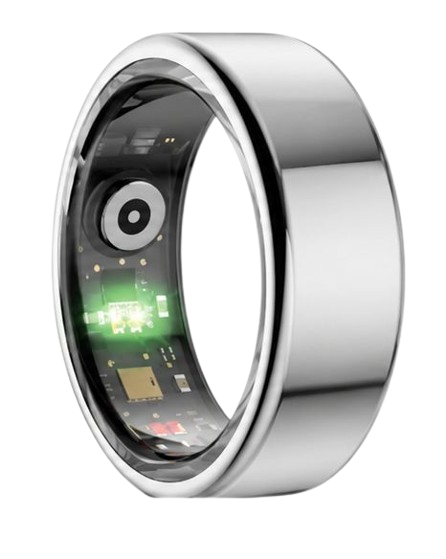
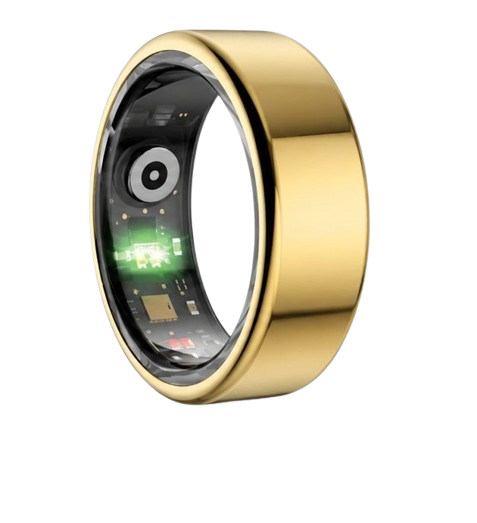
The Herz P1 Smart Ring tracks HRV, Sleep, Heart Rate & SpO2 around the clock. No subscriptions. No renewals. Ever.
In This Article
- Step-by-Step Recovery Protocol: How to safely calm a racing heart immediately upon waking.
- Underlying Physiological Causes: The medical science behind autonomic imbalances, sleep stages, and oxygen levels.
- Wearable Data Tracking: How smart ring sensors identify cardiovascular stress trends.
- Practical Lifestyle Adjustments: Tangible changes to optimize your sleeping hygiene and reduce morning heart rate spikes.
How to Respond to a Fast Heartbeat Upon Waking: A Step-by-Step Guide
Prerequisites & Daily Conditions
To successfully regulate a morning spike, you must establish a calm environment and gather raw biometric information.
Find a comfortable position where you can sit upright or remain lying down without sudden, jarring physical movements.
Ensure you have access to a continuous health tracker to accurately record your baseline metrics over time.
-
Step 1: Focus Immediately on Slow, Diaphragmatic Breathing
As soon as you notice a fast heart rate upon waking, do not rush out of bed.
Place one hand gently on your abdomen and the other flat on your chest.
Inhale deeply through your nose for a slow count of four seconds, allowing your stomach to push outward.
Hold this breath gently in your chest for a count of four seconds.
Exhale slowly through your mouth for six seconds to naturally stimulate your vagus nerve and slow your pulse.
-
Step 2: Hydrate with Room-Temperature Water
Dehydration is a highly common physical driver behind a fast heartbeat in the morning.
When your body lacks fluids, your overall blood volume decreases, forcing your heart to pump faster to maintain stable blood pressure.
Keep a glass of fresh water on your nightstand to drink immediately when you wake up.
Sip the water slowly rather than gulping it, which prevents shocking your internal digestive tract.
This simple habit quickly expands your blood volume, allowing your pulse to settle back to a comfortable baseline.
-
Step 3: Conduct a Progressive Body Scan to Release Muscle Tension
Morning anxiety often causes unconscious physical tension that keeps your heart rate elevated.
Close your eyes and focus your attention entirely on the physical sensations of your feet.
Tense the muscles in your toes for three seconds, then release them completely and feel the relaxation flow inward.
Move your attention up to your calves, thighs, stomach, shoulders, and jaw, repeating the tense-and-release pattern.
This practice sends physical safety signals to your autonomic nervous system, rapidly reducing physical panic.
-
Step 4: Lower Your Core Temperature and Sleep Environment Heat
Sleeping in a hot room can trigger a waking up with a high heart rate due to thermal stress on your cardiovascular system.
If you wake up feeling hot or sweaty, gently throw off your top blankets to cool down your skin.
Ensure your bedroom temperature is consistently kept between 60 and 67 degrees Fahrenheit.
Use lightweight, highly breathable cotton sheets to prevent heat buildup overnight.
Cooler ambient temperatures actively assist your body in lowering its natural resting heart rate during sleep.
-
Step 5: Document and Track Your Heart Rate Trends
Instead of worrying about your symptoms, focus on collecting precise historical data.
Write down the exact time of your morning spike and note any activities you did the night before.
Review your weekly resting pulse trends to determine if this is an isolated event or a daily occurrence.
Look for correlation patterns such as late-night meals, alcohol consumption, or intense evening workouts.
Consistently logging these patterns helps you remove the mystery from your morning cardiovascular health.
Empowering Your Recovery with Herz P1
Our team at Herz P1 designed our biometric tracking ring to make this monitoring process effortless and precise.
The Herz P1 Smart Ring automatically records your heart rate trends without requiring heavy, uncomfortable chest straps.
By reviewing your free companion app, you can easily check if your morning elevation matches a why does my heart rate spike when i wake up trend line.
Invest in your long-term wellness today by checking out the options at the Herz P1 Checkout.
90-Day 100% Money-Back Guarantee
“The Herz Smart Ring helps me manage stress easily. It’s accurate, stylish, and lightweight—perfect for my busy life!”
— Jennifer P. | ✔ Verified Customer
- ✓ 6-Day Battery Life
- ✓ Detailed Sleep Analysis
- ✓ Fast 1-Hour Charging
- ✓ iOS & Android Ready
Questions? Call: 1-866-479-1629
Decoding the Physiology: Why Is My Heart Rate High When I Wake Up?
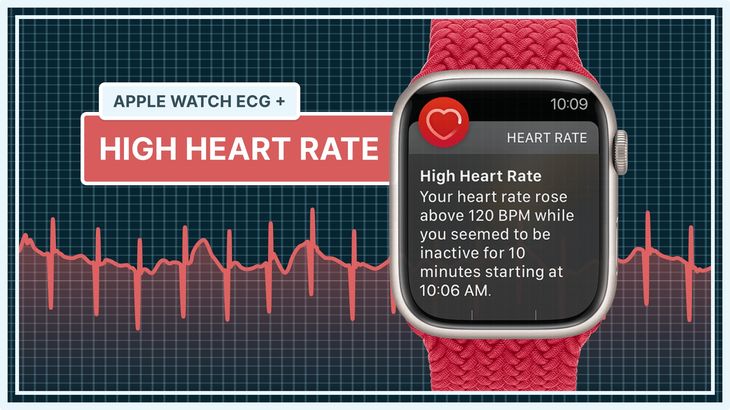
The human body relies on a delicate balance of hormones and neural pathways to wake you up gently each morning.
When this balance is disrupted, you may experience a stressful cardiovascular spike as your system transitions from sleep to wakefulness.
According to research from the National Sleep Foundation, your autonomic nervous system experiences a significant shift in the early morning hours.
Your body naturally increases production of cortisol and adrenaline to prepare your muscles and brain for physical activity.
For some individuals, this Cortisol Awakening Response is overly intense, resulting in a sudden, noticeable spike in morning pulse rates.
If you suffer from high chronic stress, your sympathetic nervous system is already overstimulated throughout the night.
This state of hyperarousal often translates into a high heart rate in the morning before you have even stepped out of bed.
Underlying factors such as late-evening caffeine, hidden sleep apnea, or vivid dreams can further aggravate this physiological reaction.
Additionally, sleep stage changes directly influence your cardiac stability.
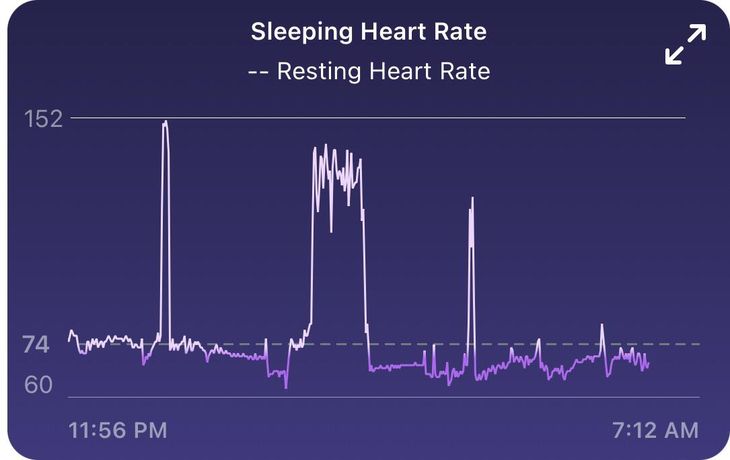
During Rapid Eye Movement sleep, your brain is highly active, which can cause a sudden spike in heart rate while sleeping.
If you happen to wake up directly from an intense REM cycle, you will likely perceive a rapid, pounding pulse.
This is a normal physiological response to dreams, but it can feel quite frightening without proper metric context.
Understanding these biological mechanisms is highly important for removing the panic associated with a high morning pulse.
By learning how your body transitions between sleep states, you can take control of your morning physical recovery.
Cardiovascular Dynamics and Overnight Biometrics Explained
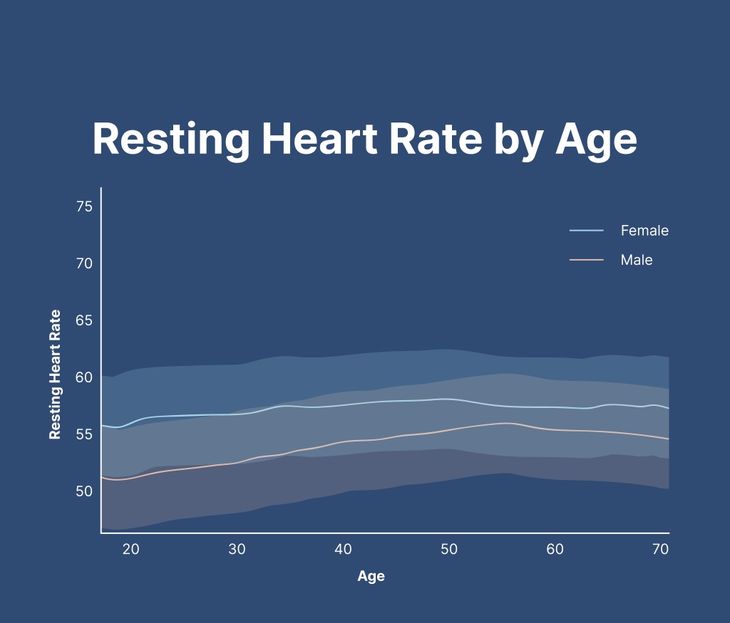
To accurately assess why your heart rate spikes, you must evaluate key metrics like Heart Rate Variability and oxygen saturation.
Heart Rate Variability is a direct measure of the time variation between consecutive heartbeats.
A higher HRV score indicates that your parasympathetic nervous system is active and your body is recovering well from stress.
Conversely, a low HRV score suggests that your autonomic nervous system is stuck in a chronic fight-or-flight state.
When your HRV is chronically low, you are far more prone to experiencing a rapid heart rate during sleep.
Monitoring your blood oxygen saturation levels during the night is also vital for cardiac health.
If your airways collapse slightly while you sleep, your blood oxygen levels drop below healthy baselines.
The brain detects this oxygen drop as a severe emergency and floods your bloodstream with adrenaline to wake you up.
This emergency chemical release causes a sharp why does my heart rate spike while sleeping reaction.
By tracking your oxygen saturation trends overnight, you can identify if drops in oxygen are triggering these scary heart rate spikes.
A high-quality PPG sensor can measure these tiny cardiovascular changes at the base of your finger with high precision.
Continuous monitoring allows you to identify if you are experiencing an elevated heart rate during sleep or if the spike is isolated to your waking transition.
Seeing these clear, visual data points helps you differentiate between a normal physiological shift and a pattern that requires medical attention.
Furthermore, evaluating these data trends over weeks allows you to track how lifestyle changes improve your cardiovascular baseline.
Having continuous, accurate metric data is key to managing sleep-related cardiac issues with confidence.
With a reliable tool, you can track your high heart rate in sleep trends and implement custom interventions for better recovery.
Optimizing Your Sleep Hygiene and Wellness Habits
Stabilizing your morning pulse requires a combination of positive sleep hygiene habits and daily metric tracking.
The free companion app for the Herz P1 Smart Ring makes it easy to review your sleep architecture and daily recovery scores.
By analyzing your weekly graphs, you can quickly see how lifestyle factors like late dinners or evening stress impact your body.
For instance, drinking alcohol before bed significantly lowers your HRV and drives up your resting morning pulse.
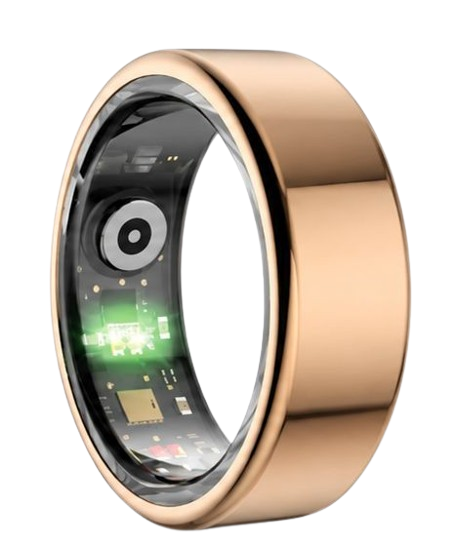
The lightweight design of the Herz P1 allows you to collect this critical health data comfortably all night long.
You can use these objective biometric insights to adjust your daily exercise intensity and evening wind-down habits.
Establishing a consistent, relaxing bedtime routine helps transition your nervous system into a restorative parasympathetic state.
Use the following table to understand standard target biometrics and how the Herz P1 monitors them:
| Biometric Metric | Healthy Resting Target Range | Herz P1 Tracking Frequency |
|---|---|---|
| Resting Heart Rate | 60 – 80 Beats Per Minute (BPM) | Continuous 24/7 Monitoring |
| Heart Rate Variability (HRV) | Higher is better (relative to baseline) | Calculated every 5 minutes overnight |
| Blood Oxygen (SpO2) | 95% – 100% Saturation | Continuous overnight tracking |
Overcoming Smartwatch Pitfalls & Sizing Mistakes
Many individuals try to monitor their sleep using heavy, bulky smartwatches that disrupt their rest.
A heavy watch can easily slide out of place during the night, leading to inaccurate cardiovascular data readings.
This poor fit can cause false panic by displaying incorrect heart rate spikes that did not actually happen.
Additionally, several popular wearable brands charge expensive monthly subscription fees to access your own sleep analysis.
We believe you should never have to pay a recurring fee to understand your personal biometric information.
The Herz P1 Smart Ring provides complete access to all of your health metrics through a free companion app with no lifetime fees.
Our ring is constructed from military-grade steel, ensuring it is both highly durable and comfortable to wear all night long.
By choosing a lightweight ring over a bulky watch, you can enjoy uninterrupted sleep while gathering highly accurate health data.
Frequently Asked Questions About Morning Heart Rate and Wearable Tech
Is the Herz P1 Smart Ring waterproof?
Yes, the Herz P1 Smart Ring features a fully sealed, IP68-rated waterproof design.
It can be safely submerged in water up to 164 feet, making it perfect for swimming, showering, and hand washing.
You never have to worry about water damaging the internal sensors during your daily activities.
How long does the battery last on the Herz P1?
The Herz P1 Smart Ring delivers a long battery life of up to 6 days on a single charge.
When the battery runs low, you can charge it fully in under 1 hour using the included magnetic charging dock.
This reliable battery performance ensures you never miss critical overnight physiological tracking.
Which finger is best to wear the Herz P1 on?
For the highest sensor accuracy, we recommend wearing the ring on your index, middle, or ring finger.
These fingers have optimal blood perfusion, which helps the optical PPG sensors read your heart rate with high precision.
Make sure the ring fits snugly but comfortably without rotating too freely on your chosen finger.
Does the Herz P1 Smart Ring store biometric data offline?
Yes, the ring features local offline storage capable of saving up to 7 days of continuous biometric data.
You do not need to keep your smartphone nearby or connected to Bluetooth throughout the night.
Once you open the companion app, the ring will automatically sync all of your historical data in seconds.
Conclusion: Reclaim Control of Your Sleep and Cardiovascular Health
Understanding and regulating your morning heart rate is entirely possible when you have the right biometric insights.
The Herz P1 Smart Ring acts as a reliable, subscription-free wellness companion to guide you on this recovery journey.
Ready to monitor your health every day?
Explore the Herz P1 Smart Ring and see if it fits your lifestyle.
Call: 1-866-479-1629 — our team can help you advise on the correct ring size and set personalized health goals.
