

If you notice your heart rate higher when sleeping than during your quiet awake hours, you may feel an immediate wave of health anxiety. Team Herz P1 understands how unsettling this physiological shift can be when you expect your body to be in its deepest state of recovery. In this comprehensive guide, we will decode exactly why this nighttime spike occurs, how to interpret your biometric trends, and how the subscription-free Herz P1 smart ring monitors your resting cardiovascular health without bulky accessories.
Built to Last. Save Up to 69% Today.
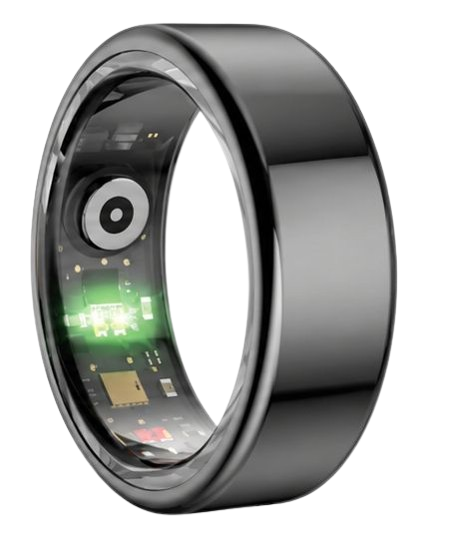
The Herz P1 Smart Ring tracks HRV, Sleep, Heart Rate & SpO2 around the clock. No subscriptions. No renewals. Ever.
In This Article
- Understanding Sleep Heart Rate: Learn the baseline science behind why your nighttime pulse might deviate from daytime resting norms.
- The 5W2H Physiological Map: An in-depth breakdown of who is affected, when spikes occur, and why heart rate changes during rest.
- Sleep Architecture Secrets: How REM and non-REM cycles produce wild fluctuations in your cardiac rhythm.
- Lifestyle and Pathological Triggers: Identifying the impact of late-night eating, alcohol consumption, stress, and sleep disorders.
- Using Smart Ring Insights: How to track metrics seamlessly using the Herz P1 and optimize your recovery.
Why Is Your Heart Rate Higher When Sleeping?

Your sleep heart rate is an exceptionally sensitive indicator of your overall cardiovascular health and autonomic recovery.
When you transition into sleep, your brain normally initiates a series of biochemical changes designed to lower your metabolic demand.
This transition should lead to a measurable drop in your heart rate, a physiological phenomenon clinically known as nighttime cardiovascular dipping.
A healthy heart rate dip is essential because it allows your heart muscle to rest and your blood vessels to relax after a long day of physical or cognitive exertion.
When your heart rate remains elevated or spikes throughout the night, it means your cardiovascular system is actively working instead of resting.
This persistent cardiovascular workload can prevent cellular repair and leave you waking up feeling tired and unrefreshed.
This phenomenon affects busy professionals, athletes experiencing overtraining syndrome, and individuals with underlying medical conditions.
Older adults and those managing high stress levels are particularly prone to nocturnal heart rate elevations.
Additionally, individuals with undiagnosed sleep disorders experience frequent nighttime pulse spikes.
Understanding who is affected helps pinpoint whether your elevated pulse is due to daily stress or a physical health concern.
Pregnant women may also observe an elevated nocturnal pulse as their blood volume naturally increases to support fetal development.
These elevated pulse events primarily manifest during specific periods of the night.
You might observe consistent elevation throughout the entire sleep cycle or sudden, acute spikes at specific times.
Late-night meal digestion often keeps your pulse elevated during the first half of the night.
Conversely, early morning spikes are typically linked to intensive dream phases or cortisol surges.
By tracking when these spikes occur, you can isolate the specific triggers influencing your overnight recovery.
Physiologically, this phenomenon occurs within the intricate pathways of your autonomic nervous system and cardiovascular structures.
The sinoatrial node, which acts as your heart’s natural pacemaker, receives direct stimulatory signals from the sympathetic branch.
This autonomic misfire can originate in the brain’s hypothalamus due to persistent daily stressors.
The resulting elevated cardiovascular workload impacts the left ventricle as it pumps blood against higher vascular resistance.
This chemical process occurs inside your vascular system, causing arterial constriction and reduced arterial compliance.
There are several critical reasons why does heart rate increase while sleeping instead of dropping.
Persistent mental anxiety keeps your adrenaline and cortisol levels high, preventing the natural nocturnal dip.
Consuming heavy meals, alcohol, or caffeine close to bedtime forces your heart to pump extra blood to your digestive system.
Additionally, sleep disorders such as sleep apnea trigger acute oxygen drops that force the brain to release panic hormones.
Environmental factors like a hot room, noisy neighborhood, or uncomfortable mattress can also trigger an elevated sleep pulse.
The process begins when an internal or external trigger activates your body’s “fight-or-flight” response during sleep.
As a result, your blood vessels constrict and your adrenal glands release epinephrine directly into your bloodstream.
This hormone binds to beta-receptors on your heart muscle, forcing it to beat faster and with greater force.
At the same time, the vagus nerve fails to deliver the calming parasympathetic signals needed to lower your pulse.
This lack of parasympathetic tone keeps your autonomic nervous system unbalanced throughout the entire night.
A healthy sleeping heart rate for most adults ranges between forty and sixty beats per minute.
If your heart rate continuously exceeds seventy or eighty beats per minute during sleep, it is considered elevated.
Based on medical guidelines, a healthy heart rate dip should be at least ten percent below your average daytime resting heart rate.
Missing this target consistently over several weeks suggests that your cardiovascular system is not recovering properly.
Even minor elevations of five beats per minute over your baseline can signal early stages of overtraining or chronic stress.
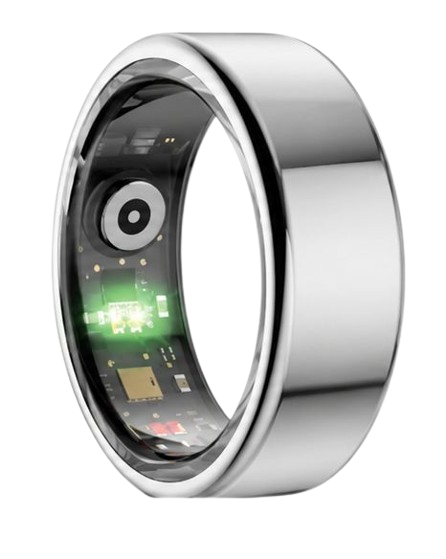
If you want to track this in real-time, the Herz P1 Smart Ring monitors your sleeping heart rate 24/7 without invasive wires — explore it here.
90-Day 100% Money-Back Guarantee
“The Herz Smart Ring helps me manage stress easily. It’s accurate, stylish, and lightweight—perfect for my busy life!”
— Jennifer P. | ✔ Verified Customer
- ✓ 6-Day Battery Life
- ✓ Detailed Sleep Analysis
- ✓ Fast 1-Hour Charging
- ✓ iOS & Android Ready
Questions? Call: 1-866-479-1629
Sleep Architecture and Cardiac Rhythms: REM vs. Non-REM Shifts

Your sleep is not a uniform state of unconsciousness but a highly structured series of repeating cycles.
Each cycle consists of distinct phases, including light non-REM, deep slow-wave sleep, and Rapid Eye Movement (REM) sleep.
During deep non-REM sleep, your parasympathetic nervous system reaches its peak activity, stabilizing your pulse.
This is the phase where your tissues repair, growth hormone is released, and your heart finally gets to rest.
However, when you transition into REM sleep, your brain activity surges to levels comparable to when you are awake.
Your eyes move rapidly, your breathing becomes irregular, and your autonomic control becomes highly unstable.
This unstable state explains why your heart rate can fluctuate wildly during intensive dreaming.
If you experience vivid dreams or nightmares, you might wonder why does my heart rate spike while sleeping as your brain processes emotional scenarios.
The American Heart Association notes that these REM-related spikes are generally benign and normal parts of healthy brain function.
However, if your body cannot transition back into a relaxed state afterward, your overall sleep quality will suffer.
A sudden spike in heart rate while sleeping can break your sleep architecture and leave you feeling exhausted.
Continuous biometric tracking helps differentiate between these natural, brief spikes and sustained nocturnal elevations.
With the Herz P1, you can visualize these shifts directly on your recovery graph to see how long you spend in each phase.
Understanding these micro-adjustments helps you realize how deeply your nervous system responds to unconscious stimuli.
Pathophysiological Triggers: Alcohol, Digestion, and Sleep Apnea
What you consume in the hours leading up to bedtime has a massive impact on your overnight cardiac workload.
Alcohol is one of the most common causes of a high heart rate while sleeping.
While a glass of wine might make you feel drowsy, the metabolic breakdown of alcohol releases toxic byproducts like acetaldehyde.
These byproducts act as stimulants, driving up your pulse and interrupting your deep sleep stages.
Similarly, eating a large, sodium-rich meal late at night redirects significant blood volume to your digestive tract.
To support this digestive demand, your heart must pump faster and harder for hours after you drift off.
Beyond lifestyle choices, mechanical respiratory issues like obstructive sleep apnea present serious physiological challenges.
When your airway collapses during sleep, your blood oxygen saturation drops rapidly.
This hypoxic event forces your brain into a state of panic, triggering a rapid heart rate during sleep to deliver oxygen to vital organs.
The National Sleep Foundation warns that untreated sleep apnea severely strains the cardiovascular system over time.
Repeated oxygen drops and subsequent pulse spikes can result in chronic elevated heart rate during sleep.
Tracking these oxygen drops alongside your pulse trends is crucial for identifying sleep-disordered breathing.
With its medical-grade SpO2 sensor, the Herz P1 Smart Ring monitors blood oxygen drops down to a minor margin of error.
This proactive tracking empowers you to notice irregularities before they impact your long-term cardiovascular resilience.
The Role of Stress and Cortisol in Nighttime Tachycardia
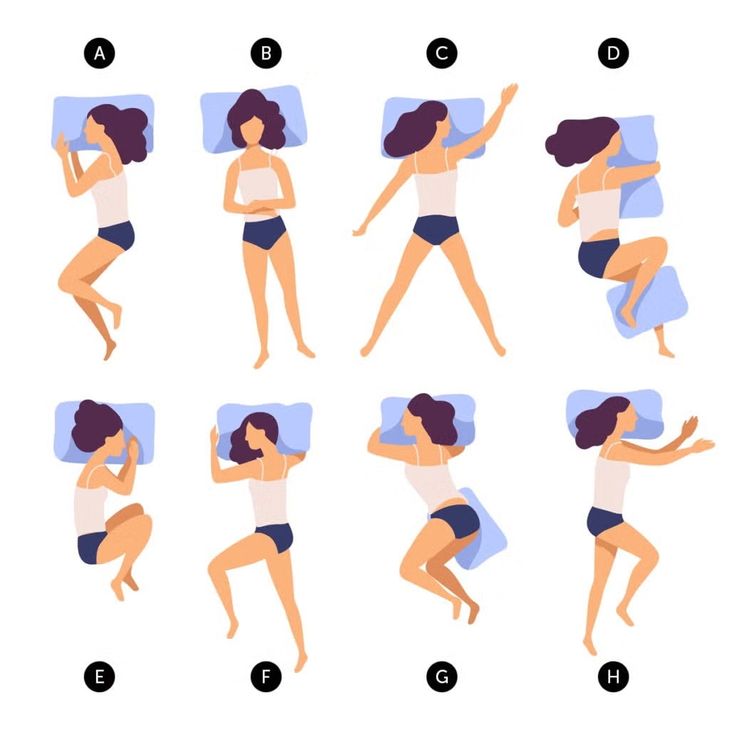
Persistent daytime stress does not simply vanish when you close your eyes at night.
When you suffer from chronic anxiety, your adrenal glands continuously secrete cortisol, the primary stress hormone.
Cortisol interferes with your body’s natural circadian rhythm, which dictates your sleep-wake cycles.
Instead of tapering off in the evening, elevated cortisol keeps your central nervous system in a state of high alert.
This hormonal imbalance is a prime culprit behind a high heart rate in sleep.
Your body remains prepared to face a perceived threat, keeping your resting heart rate elevated and your heart rate variability (HRV) low.
Low HRV indicates that your autonomic nervous system is locked in sympathetic dominance, unable to enter a state of deep rest.
Over time, this continuous sympathetic strain can cause chronic fatigue, cognitive fog, and increased cardiovascular risks.
By monitoring these hormone-driven shifts, you can identify why while sleeping heart beat rises due to stress accumulation.
Team Herz P1 emphasizes that recognizing these patterns is the first step toward effective stress management and recovery.
The Herz P1 calculates your HRV score every five minutes, giving you a precise measure of your nervous system’s balance.
This granular insight allows you to see exactly when stress begins to bleed into your rest cycles.
Optimizing Your Nighttime Biometrics with the Herz P1 App
The Herz P1 Smart Ring serves as a personal biometric health laboratory on your finger.
By pairing the ring with our subscription-free app, you gain access to high-fidelity, real-time physiological data.
The app displays intuitive daily trends, highlighting your lowest heart rate, sleep efficiency, and nighttime HRV averages.
To optimize your sleep, we recommend checking your resting heart rate trend line every morning.
A healthy recovery profile should display a “Hammock” curve, where your heart rate dips early and rises gently before waking.
If your curve looks flat or downward-sloping, it indicates that your recovery was delayed by late-night stress, food, or alcohol.
Use this table to understand how different habits directly influence your sleep biometrics:
| Habit Baseline | Nocturnal Heart Rate Trend | Overall Recovery Outcome |
|---|---|---|
| Late-night heavy dinner & alcohol | Flat line, elevated by 10-15 bpm | Poor recovery, low deep sleep, low morning energy |
| Pre-bed meditation & 3-hour fast | Hammock curve, dips early in the cycle | Optimal recovery, high HRV, deep physical repair |
| High mental stress & screen time | High baseline with frequent micro-spikes | Fragmented light sleep, elevated morning cortisol |
To build a resilient cardiovascular system, use these visual patterns to adjust your evening routine.
Try moving your last meal to at least three hours before bed and observe the immediate drop in your sleeping pulse.
You can also experiment with evening cooling protocols to lower your core body temperature and speed up your resting heart rate dip.
The Herz P1 allows you to log these lifestyle changes directly within the app to track your progress over weeks and months.
Because our smart ring is made of military-grade steel and is completely waterproof, you can wear it continuously during hot baths or cold showers.
This durable construction ensures you never miss a single minute of tracking during your recovery journey.
Overcoming Wearable Pitfalls: Ditching Bulky Smartwatches
Many people attempt to track their sleep using bulky, screen-heavy smartwatches.
However, wearing a large, heavy watch to bed often defeats the purpose of monitoring your sleep quality.
The physical discomfort of a thick wrist strap can cause subtle micro-awakenings that drive your heart rate up.
Smartwatch screens can also light up unexpectedly during the night, disrupting your melatonin production.
Furthermore, smartwatches must be charged almost daily, leaving huge gaps in your biometric data when they run out of power overnight.
Another major pitfall in the wearable market is the hidden cost of ongoing monthly subscriptions.
Many popular brands require you to pay a recurring fee just to unlock your own health data in their app.
We believe that your personal health metrics should belong to you completely, without paywalls or unexpected costs.
The Herz P1 Smart Ring features an ultra-lightweight, military-grade steel design that sits comfortably on your finger all night.
Our sensors read biometrics directly from the finger’s digital arteries, which are far more accurate than wrist-based optical sensors.
With our six-day battery life and zero monthly app fees, you get continuous, stress-free tracking for a lifetime.
Frequently Asked Questions
Is the Herz P1 Smart Ring waterproof?
Yes, the Herz P1 is designed with a certified IP68 waterproof rating, allowing safe water exposure up to 164 feet.
This military-grade construction means you can wear the ring while washing your hands, showering, swimming in pools, or relaxing in hot saunas.
The seamless outer shell protects the delicate internal sensors from moisture, steam, and high pressure.
Unlike delicate smartwatches, you never have to remove the Herz P1 when engaging in water sports or daily cleaning activities.
How long does the battery last?
The high-density lithium polymer battery delivers up to six days of continuous, uninterrupted tracking on a single charge.
When the battery does run low, placing it on the ultra-fast magnetic charging dock restores it to full power in under an hour.
This quick-charge design allows you to easily charge the ring during your morning shower without missing any valuable sleep data.
By avoiding daily charging loops, you can maintain a flawless, gap-free history of your resting heart rate and recovery metrics.
Which finger is best to wear the smart ring on?
We recommend wearing the Herz P1 on your index, middle, or ring finger of your non-dominant hand for the most accurate readings.
The blood vessels in these fingers are larger and closer to the skin surface, allowing our optical sensors to capture highly precise pulses.
Ensure the ring fits snugly but comfortably, meaning it should not slide off easily but can rotate without squeezing your skin.
We provide a free sizing kit with every order to help you find your absolute perfect fit before your ring is shipped.
Does the Herz P1 store my biometric data offline?
Yes, the ring contains built-in flash storage capable of saving up to seven days of biometric data completely offline.
If you prefer to sleep with your phone in another room or keep your Bluetooth off, the ring will continue recording your biometrics.
Once you open the companion app near your ring, all stored data will sync automatically and secure your complete health history.
This feature ensures that your privacy is protected and your health tracking is never interrupted by connectivity issues.
Conclusion
Understanding why your sleeping heart rate rises is key to restoring physical recovery.
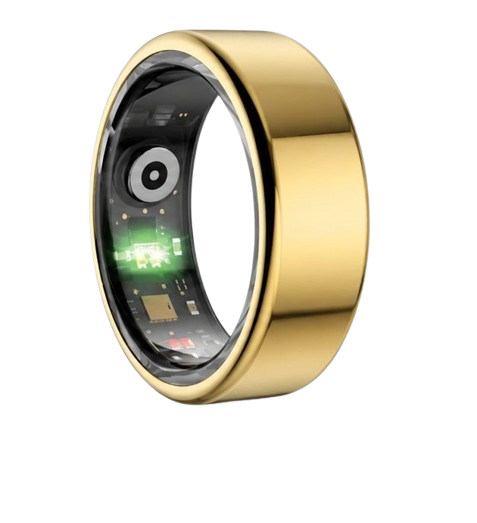
The Herz P1 Smart Ring monitors your vitals round-the-clock with precision and zero monthly fees.
Ready to monitor your health? Explore the Herz P1 Smart Ring today.
Call 1-866-479-1629 to discuss sizing and personalize your health goals.
Note: Individual results may vary depending on individual health conditions, age, and lifestyle habits. This article is intended for general health reference purposes only.
