

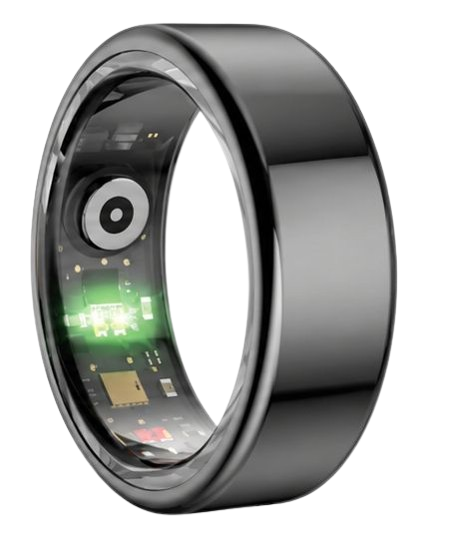
Decoding what your sleeping style says about your personality offers a fascinating window into your subconscious mind, physical health, and emotional resilience. While popular psychology often links sleep postures directly to character traits, actual clinical observations show these nighttime behaviors are deeply connected to heart rate variability, autonomic stress, and overnight recovery. The premium, subscription-free Herz P1 smart ring actively monitors your vital biometrics 24/7, bridging the gap between your nocturnal habits and actionable waking wellness.
Built to Last. Save Up to 69% Today.
The Herz P1 Smart Ring tracks HRV, Sleep, Heart Rate & SpO2 around the clock. No subscriptions. No renewals. Ever.
In This Article
- Discover the scientific truth behind what your sleeping style says about your personality and physical health.
- Explore clinical findings from the National Sleep Foundation regarding common sleeping positions and metabolic profiles.
- Learn how biometric wearable technology captures overnight movement, HRV, and SpO2 trends.
- Obtain a comparative breakdown of popular sleeping structures and their direct autonomic nervous system impacts.
- Get professional recommendations on optimizing your sleep hygiene and trackable metric scores.
What Your Sleeping Style Says About Your Personality: Does It Really Work? Here’s What the Research Says

The scientific inquiry into what your sleeping style says about your personality began as an observational field of study before evolving into modern sleep science.
Psychological researchers like Dr. Chris Idzikowski pioneered studies linking specific sleeping postures to explicit character traits and emotional states.
This phenomenon is rooted in how your central nervous system relaxes control when transitioning from waking consciousness to slow-wave sleep stages.
During conscious hours, you constantly adjust your posture to project confidence, security, or defensive barriers to the surrounding world.
Once you enter deep sleep, the subconscious mind directs muscle tone, resulting in a sleeping style that mirrors your baseline emotional architecture.
This physical manifestation of your psychological state is a daily indicator of how you process stress, trauma, and interpersonal relationships.
Active professionals, athletes, and students are affected by these subtle shifts, as their daytime stressors directly influence their overnight positioning.
When stress levels surge, the body instinctively retreats into protective shapes to shield vital organs and preserve metabolic heat.
This protective alignment occurs in bedrooms globally, acting as a structural mirror to the individual’s mental and physiological demands.
By measuring autonomic metrics during these hours, researchers can identify exactly how much stress is carried over from the workday into your nightly recovery cycle.
The mechanism relies on the balance between your sympathetic “fight-or-flight” system and your parasympathetic “rest-and-digest” nervous pathway.
A body that remains physically tense or coiled throughout the night often fails to spend adequate time in restorative deep sleep phases.
If you want to track this in real time, the Herz P1 Smart Ring monitors sleep architecture, movement, and recovery metrics 24/7 — explore it here.

90-Day 100% Money-Back Guarantee
“The Herz Smart Ring helps me manage stress easily. It’s accurate, stylish, and lightweight—perfect for my busy life!”
— Jennifer P. | ✔ Verified Customer
- ✓ 6-Day Battery Life
- ✓ Detailed Sleep Analysis
- ✓ Fast 1-Hour Charging
- ✓ iOS & Android Ready
Questions? Call: 1-866-479-1629
Decoding the Physiology Behind Popular Sleeping Positions and Personality Trait Correlations

Analyzing sleeping position and personality profiles requires examining both psychological findings and mechanical orthopedic trends.
Every posture features a specific sleep position meaning, which serves as a physical reflection of your body’s self-preservation mechanisms.
To help clarify this structure, clinical researchers classify sleep behaviors under several established names of sleeping positions, each carrying unique health profiles.
The fetal position, where an individual curls on their side with knees bent toward the chest, remains one of the most popular sleeping positions globally.
This classic posture is linked to a personality profile characterized by a tough, protective exterior paired with a highly sensitive, emotional interior.
From a biometric perspective, utilizing fetal position sleep benefits can reduce spinal compression and alleviate issues like lower back pain.
However, curling too tightly can restrict diaphragmatic excursion, leading to shallow breathing patterns that are easily monitored via continuous SpO2 tracking.
In contrast, the soldier position involves sleeping flat on your back with arms kept straight down at your sides.
Psychological profiles suggest these individuals are typically reserved, quiet, and set exceptionally high standards for themselves and others.
Physiologically, sleeping flat on your back can increase gravity’s pull on the soft tissues of the throat, raising the risk of airway collapse and snoring.
For these sleepers, tracking blood oxygen trends is essential to ensure that respiratory stability is maintained throughout the night.
Understanding what does your sleeping position say about you also includes the yearner position, where you sleep on your side with arms stretched outward.
Yearners are often characterized as having an inviting, open nature, though they can sometimes exhibit cynical or suspicious tendencies.
They are typically slow, methodical decision-makers who fully commit to a choice once it has been resolved.
Left-side yearning is often recommended by gastroenterologists to reduce chronic acid reflux, making it a highly therapeutic posture for physical recovery.
The starfish position, lying on your back with arms and legs spread wide, is associated with a supportive, empathetic personality profile.
These individuals make excellent listeners, offer support readily, and prefer to avoid being the center of attention.
Yet, much like the soldier posture, the starfish position can compromise airway clearance and affect overall sleep quality.
Finally, the freefaller position involves sleeping on your stomach with hands wrapped around the pillow and the head turned to one side.
Freefallers are typically extroverted, intense, and highly sensitive to external criticism or stressful events.
This prone position can rotate the cervical spine to its extreme limit, potentially straining neck muscles and causing restless tossing and turning.
Each of these sleeping positions meaning is linked to specific biometric markers that are continuously logged by the Herz P1 Smart Ring.
How Your Sleeping Style Affects Heart Rate Variability (HRV) and Autonomic Nervous System Balance

Your selected sleeping style is more than a comfort preference; it directly impacts your cardiovascular system and autonomic equilibrium.
When you lie down, gravity redistributes blood volume, prompting your heart to adapt to maintain stable systemic pressure.
The American Heart Association notes that sleeping positions can alter cardiac workload, especially for those with cardiovascular sensitivities.
For instance, sleeping on your left side optimizes lymphatic drainage and supports venous return via the inferior vena cava.
This structural alignment helps reduce overall physical stress, allowing the parasympathetic nervous system to lower your heart rate.
Conversely, sleeping on your right side can compress major veins, forcing your heart to work harder to maintain stable blood flow.
This subtle mechanical difference can lower heart rate variability (HRV) scores during crucial slow-wave sleep phases.
HRV measures the variation in time between consecutive heartbeats, reflecting your autonomic nervous system’s capacity to adapt.
A elevated HRV score indicates a balanced autonomic nervous system, showing that your body is recovering effectively from daily physical and mental stress.
A depressed HRV score indicates that your sympathetic pathway is dominant, leaving your body in an elevated state of alert.
Prone stomach sleeping often leads to shallower breathing and increased physical tension, which can keep your HRV lower overnight.
The National Sleep Foundation confirms that proper spinal alignment and unrestrained breathing are key to entering restorative deep sleep stages.
When your breathing is shallow or restricted, blood oxygen levels (SpO2) can drop, triggering a minor survival response in the brain.
This response elevates your heart rate and causes brief micro-arousals, disrupting deep sleep cycles without your conscious awareness.
By leveraging a high-precision multi-wavelength optical sensor array, the Herz P1 tracks these changes with an exceptionally low margin of error.
This continuous monitoring helps you see exactly how your preferred sleeping style influence your resting vitals, allowing you to make informed adjustments.
How to Read Sleep Architecture Data on the Herz P1 Companion App
The Herz P1 companion app converts complex biological data into clear, actionable trends for your daily wellness routine.
Every morning, the app displays a comprehensive sleep quality score, generated from several key physiological data points.
This comprehensive evaluation includes metrics for total sleep duration, sleep latency, deep sleep percentage, REM sleep stages, and heart rate variability.
Analyzing REM and Deep Sleep Cycles Based on Your Sleeping Style
The Herz P1 app breaks down your nightly sleep stages to help you see how your sleeping style impacts your rest.
Deep sleep is crucial for physical repair, tissue growth, and immune recovery, while REM sleep supports memory and emotional processing.
If your app logs brief, frequent awake periods, it may indicate that your sleeping position is causing physical discomfort or breathing limitations.
Side sleepers often show longer, more continuous deep sleep stages due to improved airway clearance and decreased spinal strain.
By reviewing these trends over several weeks, you can identify which positions best support deep sleep and cognitive recovery.
Optimizing Your Daily Recovery Score with Seamless 24/7 Wear
To make the most of the Herz P1, keep the ring on throughout your daily routine.
The physical recovery score balances your daytime activity with your nightly physiological restoration.
If your daytime stress levels are elevated, the app may recommend an earlier bedtime or a more supportive sleeping position.
This continuous feedback loop helps you make small, proactive changes to your daily habits, improving your energy and focus over time.
Critical Sleep Tracking Pitfalls: Why Bulky Smartwatches Fail Active Sleepers
Many health-conscious individuals try to track their sleep using standard smartwatches, but these bulky devices present several limitations.
Smartwatches can easily shift on the wrist during sleep, causing alignment issues between the sensors and the skin.
This movement can create tracking gaps, leading to incomplete sleep data and inaccurate recovery scores.
Additionally, wearing a heavy, bulky watch to bed can cause wrist strain and discomfort, making it harder to fall asleep naturally.
Many users also find themselves charging their smartwatches overnight, missing out on crucial recovery data altogether.
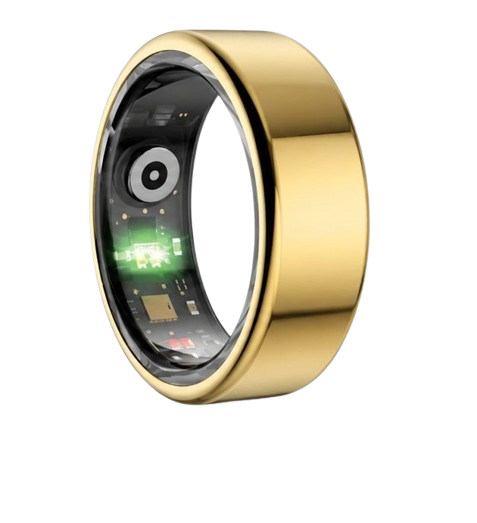
The Herz P1 Smart Ring offers a lightweight, comfortable alternative that stays securely in place at the base of your finger.
This secure fit ensures consistent contact with the skin, delivering highly reliable PPG sensor data without any physical discomfort.
Furthermore, several premium wearables require ongoing monthly app subscriptions to access your sleep data, adding significant lifetime costs.
Team Herz P1 believes you should never have to pay a subscription fee to access your personal health data.
The Herz P1 app is entirely free for life, providing full access to all your biometric trends without any ongoing hidden costs.
Made with highly durable, military-grade steel, the ring is built to withstand daily use while remaining stylish and comfortable.
Frequently Asked Questions About Sleep Tracking and the Herz P1
Is the Herz P1 Smart Ring waterproof?
Yes, the Herz P1 has an IP68 waterproof rating, certifying it for continuous submersion in water up to 164 feet deep.
This means you can wear the ring while washing your hands, showering, swimming, or working out without worry.
The durable outer shell protects the inner sensor array from moisture, ensuring continuous tracking in all environments.
How long does the battery last?
The Herz P1 offers an impressive 6-day battery life on a single charge, even with continuous, around-the-clock biometric tracking.
The ring charges quickly, reaching a full 100% charge in less than an hour using the included magnetic charging dock.
This extended battery life helps prevent tracking gaps, allowing you to monitor your health trends without daily charging stress.
Which finger is best to wear the ring on?
For the most accurate biometric readings, we recommend wearing the Herz P1 on your index, middle, or ring finger.
These fingers have larger blood vessels near the skin surface, optimizing PPG sensor signal quality.
The ring should fit snugly but comfortably, without rotating excessively or restricting blood flow.
Does the ring store data offline?
Yes, the Herz P1 has secure built-in storage that can save up to 7 days of biometric data offline.
If you are away from your phone or prefer to sleep with Bluetooth off, your data remains safely stored on the ring.
Once you open the companion app, the ring will automatically sync and update your trends.
Conclusion
Understanding your sleeping style and biometrics is a powerful step toward long-term physical and emotional health.
By pairing personal insight with reliable data, you can build a lifestyle that truly supports continuous recovery.
Ready to monitor your health every day? Explore the Herz P1 Smart Ring and see if it fits your lifestyle. Call: 1-866-479-1629 — our team can help you advise on the correct ring size and set personalized health goals.
