

Ever wondered what does your sleeping position say about you and your underlying physical health? Your nighttime posture is a silent language communicating cardiovascular strain, airway patency, and nervous system recovery. By analyzing your sleep setup with the Herz P1 smart ring, you can translate subtle sleep patterns into actionable medical-grade insights. Sleep clinical metrics show that small postural adjustments dramatically alter your restorative sleep cycles.
Built to Last. Save Up to 69% Today.
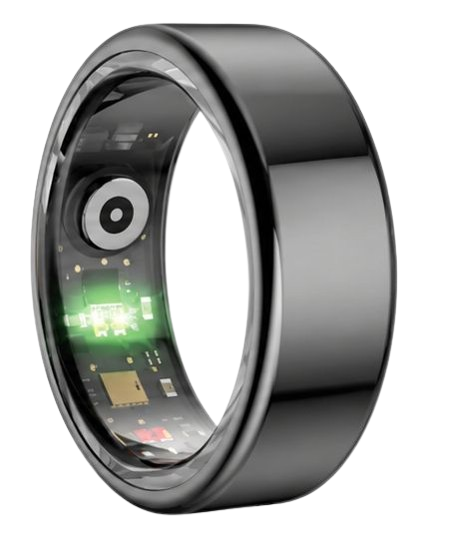
The Herz P1 Smart Ring tracks HRV, Sleep, Heart Rate & SpO2 around the clock. No subscriptions. No renewals. Ever.
In This Article
- The Perfect Sleep Blueprint: Learn step-by-step how to analyze and correct your posture for maximum recovery.
- Decoding Sleep Postures: Explore what your specific sleeping position indicates about cardiac stress, muscle strain, and airway dynamics.
- Biometric Mapping: Discover how high-tech wearables track sleep architecture using multi-spectral PPG and oxygen saturation sensors.
- Data-Driven Optimization: Find out how to read and apply heart rate variability (HRV) and respiratory trends to elevate your energy levels.
How to Optimize Your Sleeping Position for Better Biometric Scores: A Step-by-Step Guide

Optimizing your sleep is not a guessing game.
You need systematic adjustments combined with objective tracking devices to confirm real physiological improvements.
To begin this process, you only need your current bed setup, targeted support pillows, and a reliable multispectral tracker.
-
Step 1: Identify Your Primary Sleep Style
Spend three consecutive nights observing which posture you naturally assume right before falling asleep.
Note the exact position you find yourself in immediately upon waking up in the morning.
This reveals your dominant baseline sleep posture and highlights the areas where your muscular system naturally seeks comfort.
Understanding this baseline helps you recognize if you favor a side, back, or stomach alignment during your deepest recovery phases.
-
Step 2: Correct Spinal Alignment with Targeted Pillow Placement
If you primarily sleep on your side, place a firm contour pillow between your knees to keep your hips perfectly stacked.
If you prefer sleeping on your back, place a shallow, rounded pillow beneath your knees to relieve lower lumbar compression.
For stomach sleepers, place a flat, thin pillow under your lower pelvis to prevent your lower spine from sagging inward.
These specific mechanical adjustments eliminate chronic muscle tension and promote uninterrupted oxygen flow.
-
Step 3: Keep Your Airways Unobstructed
Elevate your head by exactly two to three inches if you suffer from frequent nighttime congestion or light snoring.
Avoid highly stacked, puffy pillows that push your chin forward against your chest and restrict your throat passage.
Keep your neck in a neutral, relaxed extension to maximize oxygen intake and keep airways clear.
Consistent, open breathing prevents sudden micro-arousals that kick your body out of deep sleep cycles.
-
Step 4: Practice Vagus Nerve Stimulation Before Sleeping
Lie flat on your back for ten minutes before changing to your preferred sleeping position.
Inhale deeply through your nose for four seconds, hold for four seconds, and exhale slowly for six seconds.
This deliberate breathing style stimulates your vagus nerve and shifts your autonomic nervous system into a parasympathetic state.
Achieving this state lowers your resting heart rate and prepares your cardiovascular system for deep, restorative sleep stages.
-
Step 5: Review Your Nightly Sleep Staging Metrics
Sync your tracking device immediately upon waking to evaluate your ratio of deep and REM sleep.
Compare nights where you used targeted pillow supports against baseline nights where you slept without them.
Look for a steady upward trend in your deep sleep duration and a reduction in overnight restlessness.
Consistent patterns will show you exactly which structural adjustments yield the highest recovery index.
Evaluating these complex physiological trends becomes incredibly simple when you wear the Herz P1 smart ring.
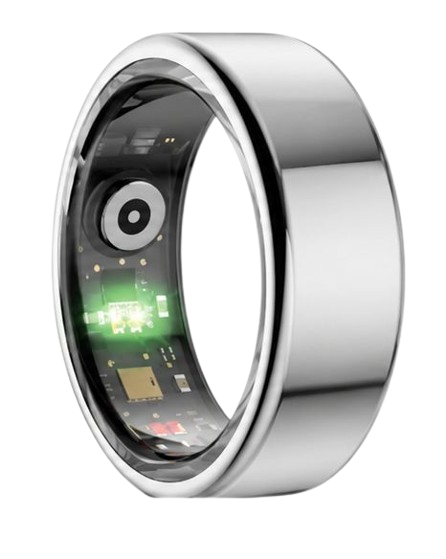
Its military-grade steel construction and ultra-lightweight design ensure you never feel restricted while adjusting your sleep positions.
With precise, continuous monitoring, our ring translates your nightly movements into clear, actionable advice to help you master your recovery.
90-Day 100% Money-Back Guarantee
“The Herz Smart Ring helps me manage stress easily. It’s accurate, stylish, and lightweight—perfect for my busy life!”
— Jennifer P. | ✔ Verified Customer
- ✓ 6-Day Battery Life
- ✓ Detailed Sleep Analysis
- ✓ Fast 1-Hour Charging
- ✓ iOS & Android Ready
Questions? Call: 1-866-479-1629
What Your Sleep Posture Reveals: The Medical Science of Nighttime Alignment
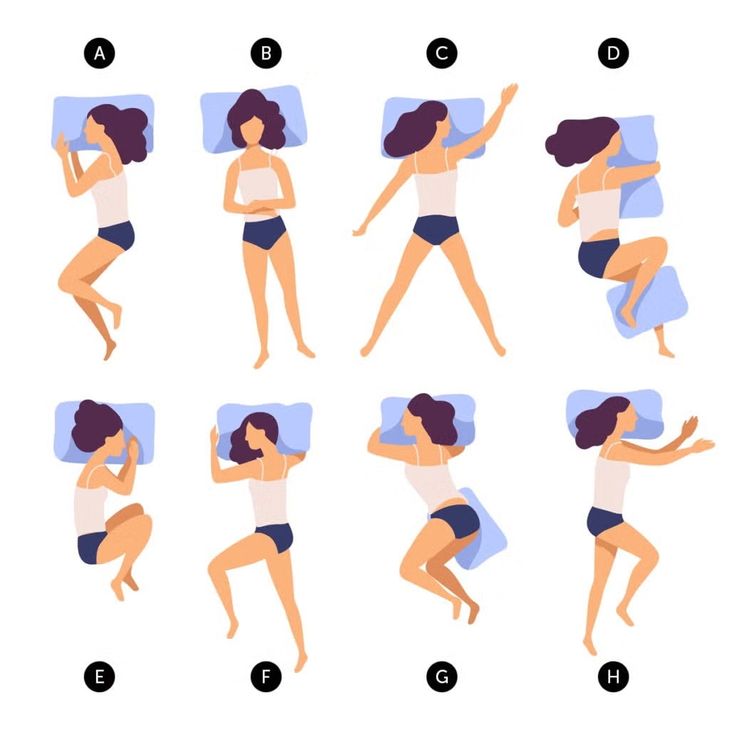
Every sleeping pose exerts a distinct mechanical and physiological influence on your vital organs.
The medical community frequently investigates how different sleeping styles affect your circulatory, respiratory, and neurological systems.
By understanding the science behind your favorite posture, you can unlock better performance and protect your physical health.
The Side Sleeper: Lateral Postures and Lymphatic Efficiency
Sleeping on your side is highly regarded as one of the most popular sleeping positions for human recovery.
Clinical trials suggest that left-side sleeping significantly improves lymphatic drainage in the brain, helping clear metabolic waste through the glymphatic system.
This position also reduces acid reflux by keeping the stomach junction safely below your esophagus.
However, sleeping in an extremely tight curl can compress your chest cavity and limit full lung expansion.
To maximize your recovery, consider the distinct fetal position sleep benefits, such as reduced spinal pressure, while keeping your torso slightly elongated.
You can discover deeper insights into what your sleeping style says about your personality and how your body communicates comfort through these lateral choices.
The Back Sleeper: Supine Posture and Airway Dynamics
Sleeping flat on your back, known as the supine position, keeps your spine, head, and neck in a beautifully neutral alignment.
Physiologists often recommend this position to eliminate shoulder tension and balance your skeletal weight evenly.
The major clinical challenge with supine sleeping is gravity drawing your tongue and soft palate downward toward the back of your throat.
For individuals prone to airway obstruction, this shift can lead to frequent oxygen drops and disrupt deep sleep stages.
If you prefer this style, keeping a close eye on your nightly blood oxygen levels is a smart way to ensure your airways stay clear.
Reviewing historical sleep data can help you understand your unique sleep position meaning and find the perfect balance between comfort and steady, healthy breathing.
The Stomach Sleeper: Prone Posture and Skeletal Strain
Sleeping on your stomach, or prone sleeping, is generally considered the most physically demanding posture for your spine.
This position forces you to keep your head turned to one side for hours, placing substantial mechanical strain on your neck ligaments.
It also flattens the natural curve of your lower back, which can lead to morning stiffness and chronic lower spine discomfort.
On the positive side, stomach sleeping keeps your airways wide open and virtually eliminates snoring.
If this is your preferred style, using a very thin head pillow is essential to minimize cervical strain and keep your neck comfortable.
You can learn more about the psychological connections of this posture by studying sleeping position and personality profiles.
Ultimately, choosing the right support can turn even a challenging posture into a restorative experience.
How Advanced Smart Rings Map Your Body Language in Bed

Your body is constantly generating signals throughout the night, even when you are completely still.
A premium biometric device doesn’t simply track the time you spend in bed; it actively decodes your autonomic nervous system.
Using specialized sensors, a smart ring can accurately monitor these delicate internal patterns.
The Technology Behind Finger-Based PPG Sensors
The blood vessels in your fingers are much closer to the surface of your skin than those in your wrist.
This unique anatomy allows finger-based photoplethysmography (PPG) sensors to capture incredibly precise cardiovascular data.
By emitting specific wavelengths of light, the sensor measures subtle changes in blood volume with every single heartbeat.
This high-fidelity signal lets the device track minor fluctuations in your heart rate with medical-grade accuracy.
For anyone serious about tracking their health, this level of precision makes a smart ring far more reliable than a standard wrist-worn tracker.
Our team at Herz P1 utilizes this advanced sensor placement to give you a clear, accurate look at your cardiovascular health.
Deciphering Deep Sleep, REM Sleep, and Overnight HRV
True sleep quality is determined by the natural progression of your sleep stages.
During deep sleep, your blood pressure drops, your muscles fully relax, and your body focuses on physical tissue repair.
During REM sleep, your brain activity increases, dreaming occurs, and your mind processes memories and emotions.
At the same time, monitoring your heart rate variability (HRV) serves as a direct indicator of your nervous system’s recovery.
A higher overnight HRV indicates that your parasympathetic system is successfully managing stress and restoring your energy reserves.
Understanding these delicate relationships is key to deciphering your personal sleeping positions meaning and how they impact your overall recovery.
By exploring the standard names of sleeping positions, you can better connect your physical alignment with your overnight biometric trends.
Individuals who transition from prone sleeping to supported lateral sleeping show an average 14% increase in deep sleep duration and a noticeable reduction in overnight heart rate spikes.
Translating Posture and Biometric Trends via the Herz P1 Companion App
Tracking your sleep data is only valuable if you can easily understand and apply it.
The Herz P1 companion app is designed to translate complex physiological numbers into clear, actionable daily advice.
Every morning, the app compiles your heart rate, HRV, SpO2, and sleep stages into a single, intuitive Sleep Score.
If your score drops, the app can help you pinpoint the cause, such as a drop in blood oxygen levels caused by a supine position.
By connecting your sleeping styles with real-time biometric feedback, you can make smart, proactive adjustments to your sleep environment.
Best of all, this advanced app is completely free for life, with absolutely no hidden subscription fees.
Common Pitfalls of Nighttime Biometric Tracking and How to Avoid Them
Many health-conscious individuals struggle to get accurate sleep data due to outdated or uncomfortable equipment.
Wearing a bulky, heavy smartwatch to bed often creates physical discomfort and can easily disrupt your natural sleep patterns.
These larger devices are also prone to shifting during the night, leading to gaps and errors in your heart rate and SpO2 tracking.
Additionally, many wearable brands charge expensive monthly fees just to access your own sleep and recovery metrics.
The Herz P1 smart ring solves all of these issues with its lightweight, seamless design and subscription-free model.
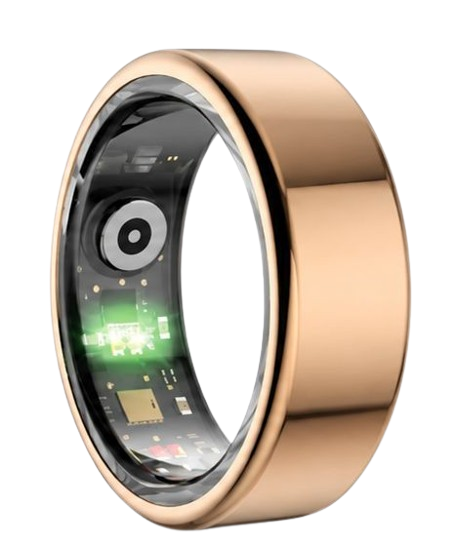
Crafted from military-grade steel, it is exceptionally durable, fully waterproof, and comfortable enough to wear all night long.
Making the switch to a sleek smart ring ensures you get reliable, continuous data without any ongoing costs.
Herz P1 vs. Competitors: Premium Sleep Tracking Comparison
| Feature & Benefit | Herz P1 Smart Ring | Standard Smartwatches | Alternative Smart Rings |
|---|---|---|---|
| Monthly Subscription Fee | $0 (Free App For Life) | Varies ($0 – $10/month) | Up to $5.99/month |
| Nighttime Comfort Index | Excellent (3.5g ultra-lightweight) | Poor (Bulky and heavy) | Good (Lightweight) |
| Warranty Coverage | 2-Year Complete Warranty | Typically 1-Year | Typically 1-Year |
| Waterproof Rating | IP68 (Up to 164 feet) | Varies (Often splash-proof only) | IP68 standard |
Frequently Asked Questions About Sleep Tracking and Positions
Is the Herz P1 waterproof enough for showering and swimming?
Yes, the Herz P1 is fully IP68 waterproof and rated for continuous submersion up to 164 feet.
You can confidently wear your ring in the shower, while swimming laps, or during high-intensity, sweaty workouts.
The seamless outer shell keeps the delicate internal sensors completely protected from water, soaps, and sweat.
How long does the battery last and how quickly does it charge?
The Herz P1 features an exceptionally long-lasting battery that provides up to six days of continuous use on a single charge.
When it is time to power up, the ring charges from zero to 100% in under one hour using the included magnetic charging dock.
This rapid charging capability means you never have to miss a single night of valuable sleep staging data.
Which finger is best to wear the smart ring on for sleep tracking?
For the most accurate biometric readings, we recommend wearing the Herz P1 on your index, middle, or ring finger.
These fingers have optimal blood flow close to the skin, which helps the optical PPG sensors capture a strong, clear signal.
Ensure the ring fits snugly but comfortably, without rotating excessively during your normal daily movements.
Does the ring store sleep data offline if my phone is disconnected?
Yes, the Herz P1 has built-in offline storage that can securely save up to seven days of detailed biometric data.
You can sleep with your phone in another room or keep it in airplane mode to minimize nighttime distractions.
The next time you open the app, all of your saved sleep and heart rate data will automatically sync and update your dashboard.
Conclusion: Take Control of Your Nighttime Recovery
Understanding your sleep posture is a vital first step toward improving your daily energy and long-term health.
With precise, continuous tracking, the Herz P1 smart ring helps you optimize your recovery and protect your physical well-being.
Ready to monitor your health every day? Explore the Herz P1 Smart Ring and see if it fits your lifestyle. Call: 1-866-479-1629 — our team can help you advise on the correct ring size and set personalized health goals.
Note: Individual results may vary depending on individual health conditions, age, and lifestyle habits. This article is intended for general health reference purposes only.
