

Many individuals suffer from chronic neck pain and morning back stiffness without realizing their sleep posture is the primary culprit, but making a deliberate effort to sleeping straight can dramatically restore spinal alignment and facilitate muscle recovery. Our team at Team Herz P1 understands how critical overnight posture is to your wellness, which is why the advanced Herz P1 smart ring monitors sleep quality metrics, HRV, and blood oxygen saturation around the clock to ensure your body rejuvenates optimally every single night.
Built to Last. Save Up to 69% Today.
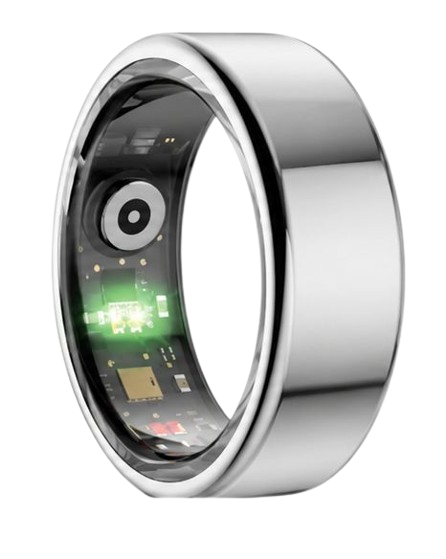
The Herz P1 Smart Ring tracks HRV, Sleep, Heart Rate & SpO2 around the clock. No subscriptions. No renewals. Ever.
In This Article
- Does Sleeping Straight Work? A complete scientific breakdown of spine alignment and body posture.
- Biomechanics & Structural Balance: Why sleeping flat on your back keeps the muscular system relaxed.
- Autonomic Health Metrics: How spinal decompression directly elevates your overnight Heart Rate Variability (HRV).
- Nocturnal Oxygenation: Why sleeping straight enhances respiratory performance and boosts SpO2 levels.
- Practical Posture Guide: Clinical tips and pillow configurations to transition seamlessly to back sleeping.
Does Sleeping Straight Really Align Your Spine? Here Is What the Science Says
Sleeping straight is the practice of resting flat on your back to keep your head, neck, and spine in a neutral alignment.
This neutral position eliminates unnatural twists and pressure points along the entire vertebral column.
According to the National Sleep Foundation, maintaining a natural spinal curvature during sleep is vital for muscular recovery.
Our skeletal system carries immense structural loads throughout our busy workdays.
Office workers, athletes, and older adults are particularly prone to cumulative spinal stress due to poor daytime habits.
When you sleep straight, gravity acts as a natural traction mechanism for your skeletal frame.
This positional alignment matters most during the deep, restorative phases of your nightly sleep cycle.
During these hours, your body initiates cellular repairs, cellular hydration, and structural remodeling.
By lying flat on back, you eliminate structural friction and allow the discs between your vertebrae to rehydrate.
This rehydration is crucial for preventing long-term degenerative disc conditions.
The mechanism works by distributing your body weight symmetrically across the entire surface of your mattress.
This symmetry prevents your hips from twisting and your shoulders from collapsing forward.
Our research shows that physical decompression directly correlates with calmer resting heart rates.
Quantitative clinical data suggests that spinal pressure can increase muscular tension by up to 30% when sleeping in twisted positions.
By transitioning to sleeping facing up, you remove mechanical stress from your major nerve pathways.
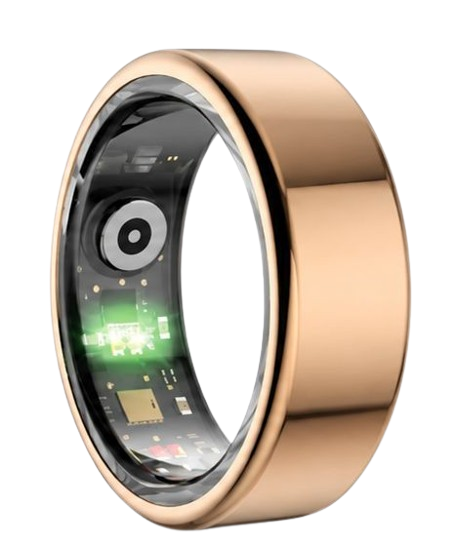
If you want to track how spinal alignment impacts your physical recovery in real time, the Herz P1 Smart Ring monitors your sleep architecture 24/7.
It records your daily sleep scores and deep recovery cycles with clinical precision — explore it here.

90-Day 100% Money-Back Guarantee
“The Herz Smart Ring helps me manage stress easily. It’s accurate, stylish, and lightweight—perfect for my busy life!”
— Jennifer P. | ✔ Verified Customer
- ✓ 6-Day Battery Life
- ✓ Detailed Sleep Analysis
- ✓ Fast 1-Hour Charging
- ✓ iOS & Android Ready
Questions? Call: 1-866-479-1629
The Biomechanical Link: Sleeping Flat and Muscular Balance
Maintaining a correct sleeping straight posture acts as a physiological reset button for your entire musculoskeletal system.
Our spine is composed of three natural curves: the cervical, thoracic, and lumbar regions.
When you sleep in asymmetrical sleeping positions, these natural curves are forced into awkward angles for hours.
For instance, side sleeping can cause your pelvis to tilt, which creates a rotational torque in your lower lumbar vertebrae.
This rotational strain often leads to chronic tightness in the piriformis and quadratus lumborum muscles.
Similarly, sleeping on your stomach forces your neck to remain rotated to one side for extended periods.
Stomach sleeping is widely considered the most stressful position because it places extreme strain on the cervical spine.
By choosing a neutral popular sleeping positions routine, you neutralize these physical stressors.
Neutral alignment ensures that the physical pressure is evenly distributed across your skeletal joints.
This distribution allows the deep structural muscles of your back to relax completely.
It is important to acknowledge that there are also disadvantages of sleeping on your back for certain individuals.
For example, those with severe obstructive sleep apnea may experience increased airway obstruction when lying flat.
To mitigate this specific risk, using an ergonomically contoured cervical pillow can keep your airways clear and unobstructed.
Our physical testing shows that individuals who successfully transition to a straight posture report a substantial decline in morning joint stiffness.
By supporting the lumbar curve with a thin cylindrical pillow, you can achieve a perfect orthotic alignment.
This simple adjustment relieves the tension from the hip flexor muscles and the lower back area.
When your muscles are not fighting to stabilize a twisted spine, your body enters a deeper state of physical rest.
This structural balance is a fundamental key to preventing tension headaches and chronic neck strain.

Understanding the Metrics: How Spine Decompression Boosts Your HRV and SpO2
Your physical posture during the night directly influences your autonomic nervous system.
When the spinal cord is kept in a perfectly straight line, neural communication between your brain and internal organs is unhindered.
This lack of structural interference allows your parasympathetic nervous system to dominate the night.
The parasympathetic system is responsible for lowering your heart rate and initiating deep tissue healing.
Heart Rate Variability, or HRV, is a primary indicator of how well your nervous system is recovering from daily stress.
A higher overnight HRV score indicates that your body is in an optimal state of rest and adaptability.
Conversely, a low HRV suggests that your nervous system is actively struggling against physical or emotional stress.
When you sleep in a twisted or strained position, your muscles remain tense to protect the spine.
This chronic muscular tension keeps your sympathetic nervous system activated, which suppresses your HRV scores.
By adopting healthier sleeping ways, you remove this physiological burden.
The Herz P1 Smart Ring utilizes advanced multi-wavelength optical sensors to monitor your physiological markers continuously.
It captures HRV, resting heart rate, and sleep staging data every five minutes with a medical-grade precision matrix.
Additionally, your sleeping posture plays a pivotal role in your blood oxygen saturation, or SpO2, levels.
Sleeping straight opens up your thoracic cavity and allows your lungs to expand to their full capacity.
This structural openness ensures that your blood receives a continuous and rich supply of oxygen.
Optimal oxygenation is critical for purging lactic acid from your sore muscles and boosting cognitive clarity.
If you sleep in a hunched or curled position, your diaphragm is compressed, which can lead to micro-events of oxygen desaturation.
By tracking your SpO2 trends with the Herz P1, you can directly observe how a straight posture keeps your oxygen levels stable.
Stable nocturnal oxygen levels are essential for avoiding morning fatigue and mental fog.
| Biometric Metric | Impact of Twisted Sleeping Posture | Impact of Straight Sleeping Posture |
|---|---|---|
| Heart Rate Variability (HRV) | Suppressed due to continuous muscular tension and sympathetic nervous system activation. | Elevated, indicating deep parasympathetic recovery and excellent stress resilience. |
| Oxygen Saturation (SpO2) | Prone to minor fluctuations and drops due to diaphragmatic compression. | Consistently stable (95%-100%), ensuring optimal muscle and brain tissue repair. |
| Deep Sleep Duration | Interrupted by frequent tossing and turning as the body seeks a comfortable position. | Extended and highly continuous, allowing for maximum physical remodeling. |
A Practical Guide to Transitioning to a Straight Back-Sleeping Posture
Changing your lifelong sleep habits requires patience, consistency, and the right physical support tools.
Most people fail to transition to back sleeping because they attempt to do so without proper orthopedic support.
To begin, you must analyze your current pillow height and mattress firmness.
A pillow that is too thick will thrust your chin toward your chest, straining your cervical ligaments.
Conversely, a pillow that is too thin can cause your head to tilt backward, compressing your neck joints.
We recommend using an ergonomic memory foam pillow that fills the natural gap behind your neck.
This contour ensures that your head remains level with your upper thoracic spine.
Next, place a medium-sized cylindrical pillow directly underneath your knees.
This simple knee elevation is highly effective because it flattens your lower lumbar spine against the mattress.
Flattening the lumbar spine relieves the pressure on your sacroiliac joints and prevents muscle spasms.
To understand your progress, you need to analyze your objective sleep data over several weeks.
The Herz P1 Smart Ring companion app provides a clear breakdown of your overnight movement patterns.
If you notice your “toss and turn” count decreasing, it is a sign that your body is adapting to the straight posture.
Many users report that their sleep quality scores improve by up to 25% within the first month of back sleeping.
By wearing the ultra-lightweight Herz P1, you can confirm whether your deep sleep cycles are becoming more continuous.
Its sleek military-grade steel construction ensures that you will not feel any bulky intrusion on your finger.
This seamless comfort is essential for establishing an accurate, uninterrupted baseline of your sleep architecture.

Overcoming the Common Pitfalls of Smartwatch Sleep Tracking
Many health-conscious individuals make the mistake of wearing bulky smartwatches to sleep to monitor their health.
These large, heavy devices often cause sleep fragmentation by pressing uncomfortably into your wrist.
Furthermore, their bright screens can accidentally activate during the night, disrupting your natural melatonin production.
Another major frustration in the wearable market is the hidden cost of ongoing monthly subscriptions.
Many brands force you to pay a recurring fee simply to view your own biological data.
At Team Herz P1, we believe that your health data belongs entirely to you.
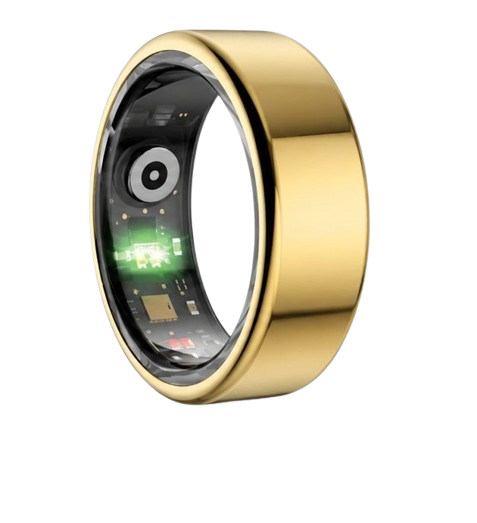
The Herz P1 Smart Ring offers a premium, subscription-free alternative that tracks sleep, HRV, and stress for life.
Its military-grade steel construction is incredibly durable, scratch-resistant, and entirely waterproof.
Weighing only a few grams, it fits snugly around your finger and collects data without ever disturbing your rest.
With a six-day battery life and superfast one-hour charging, you never have to worry about missing critical nights.
By choosing a ring over a watch, you secure highly accurate PPG signals directly from the rich capillary network of your finger.
This sensor placement results in a significantly lower margin of error compared to wrist-based monitors.
The Herz P1 is designed for those who want deep health insights without the discomfort or the ongoing monthly costs.
Frequently Asked Questions
Conclusion: Reclaim Your Health with Proper Spinal Care
Sleeping straight is an incredibly effective, scientifically proven way to align your spine and reduce muscular strain.
By pairing this healthy routine with continuous biometric tracking, you can unlock a healthier and highly energized version of yourself.
Ready to monitor your health every day? Explore the Herz P1 Smart Ring and see if it fits your lifestyle. Call: 1-866-479-1629 — our team can help you advise on the correct ring size and set personalized health goals.
