

Experiencing sudden waves of intense, radiating heat and drenching sweats can be both physically exhausting and mentally unsettling, leaving many to search for the true hot flashes meaning to understand what is happening inside their bodies. At Team Herz P1, we believe that decoding these thermal anomalies requires precise physiological data rather than stressful guesswork. By tracking key autonomic vitals with the Herz P1 Smart Ring, you can capture micro-changes in skin temperature, sleep stages, and heart rate variability to identify personal triggers, minimize nocturnal disruptions, and reclaim control over your body’s natural equilibrium.
Built to Last. Save Up to 69% Today.
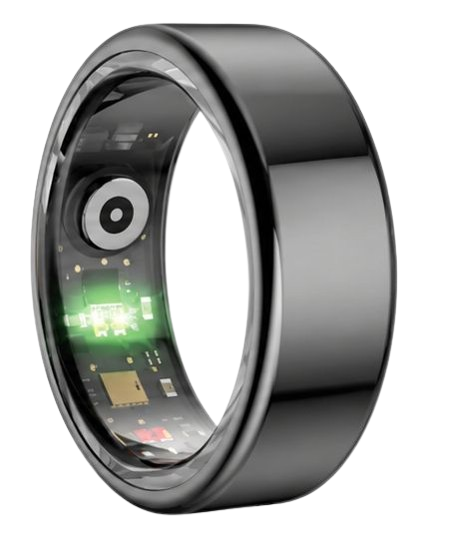
The Herz P1 Smart Ring tracks HRV, Sleep, Heart Rate & SpO2 around the clock. No subscriptions. No renewals. Ever.
In This Article
- Step-by-Step Biometric Guide: How to track, isolate, and manage nocturnal temperature spikes using wearable analytics.
- The Physiological Blueprint: An in-depth medical analysis of the true biological mechanism behind hot flashes.
- The Luteal Phase Connection: Why younger and cycling women experience dramatic thermal swings.
- Autonomic Correlation: How sleep architecture, HRV, and SpO2 map out real-time stress signals.
- Actionable Lifestyle Hacks: Concrete steps to optimize your sleep environment and daily habits using continuous data.
How to Track and Manage Nightly Thermal Spikes: A Step-by-Step Biometric Guide
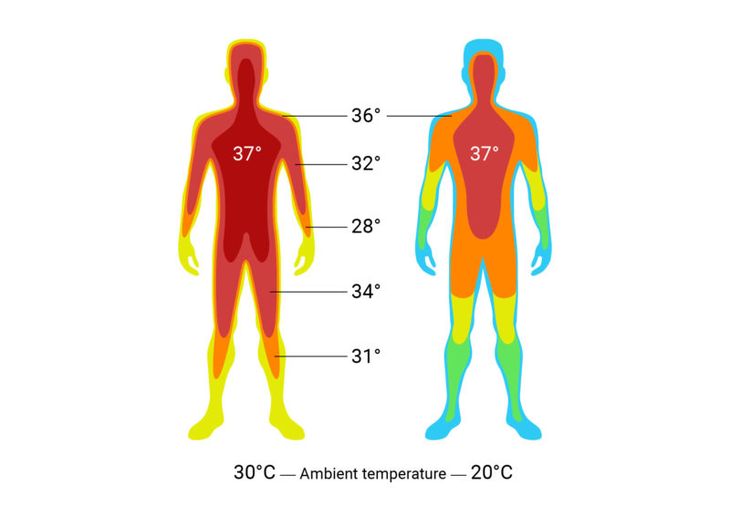
Before you can effectively mitigate sudden physical heating episodes, you must understand exactly how and when they occur.
Relying on subjective memory is highly inaccurate because night sweats often wake us up long after the initial physiological trigger has occurred.
To transition from passive suffering to active data-driven management, you need an organized system of observation and measurement.
Using continuous physiological tracking allows you to catch autonomic shifts in real time and pin down the exact lifestyle triggers behind them.
Prerequisites / What You’ll Need
To successfully execute this biometric tracking guide, you will need a high-precision, multi-wavelength wearable tracker that monitors skin temperature deviations and sleep metrics overnight.
You will also need a basic daily digital journal or notebook to document variables like caffeine, alcohol, room temperature, and late-night snacks.
Finally, you must commit to wearing your tracking device for at least seven consecutive nights to establish an accurate personal baseline.
Once these tools are ready, you can begin the five-step process to map out and neutralize your heat triggers.
-
Step 1: Establish Your Skin Temperature Baseline
Put your tracking ring on your chosen finger before bed and ensure a snug, comfortable fit that keeps the optical sensors in direct contact with your skin.
Avoid changing the finger you wear the ring on, as different fingers can exhibit slightly variable baseline blood flow rates.
Allow your device to record your overnight skin temperature over a full week to determine your personal normal range.
Most people display minor deviations of less than 0.3 degrees Celsius under standard sleeping conditions.
Identifying your unique baseline is crucial because any sudden upward spike above this narrow range indicates a physiological event rather than an environmental change. -
Step 2: Monitor Autonomic Shifts via HRV and Resting Heart Rate
Check your device’s companion app each morning to review your overnight Heart Rate Variability (HRV) and Resting Heart Rate (RHR) trends.
A sudden, sharp drop in HRV accompanied by a rise in your RHR usually indicates high sympathetic nervous system activation.
This autonomic nervous system arousal often occurs immediately prior to a hot flash or night sweat episode.
By logging these autonomic markers, you can confirm whether a sleep interruption was caused by an external noise or an internal thermal spike.
If your HRV plummeted and your heart rate spiked during a wake-up event, your nervous system was actively responding to a stress trigger. -
Step 3: Analyze Sleep Stages and Oxygen Saturation (SpO2)
Open your nightly sleep dashboard to review the structure of your sleep cycles, focusing particularly on Deep and REM sleep stages.
Notice if your awakenings occur repeatedly during specific sleep stages or if they correlate with minor drops in blood oxygen saturation.
Severe thermal events often fragment REM sleep, which is the cycle where our bodies struggle most with active thermoregulation.
Keep an eye on your continuous SpO2 readings to ensure that breathing disruptions are not acting as the hidden source of your autonomic arousal.
This deep analysis helps you understand the true cost of thermal events on your overall physical and mental restoration. -
Step 4: Log Potential Daytime and Evening Triggers
Each afternoon and evening, write down a quick summary of your dietary and behavioral choices in your digital wellness journal.
Note the exact time you consumed caffeine, alcohol, spicy foods, high-sugar meals, or when you engaged in high-intensity exercise.
Keep track of the thermostat setting in your bedroom and the type of sleepwear or bedding you used overnight.
Hormonal systems are highly sensitive to external variables, and many common substances can artificially dilate blood vessels.
Documenting these factors allows you to cross-reference your lifestyle inputs with your nightly biometric output charts. -
Step 5: Correlate Biometric Anomalies with Your Lifestyle Logs
At the end of a two-week period, compare your nightly temperature and sleep disruption charts directly against your daily journal logs.
Look for clear, recurring patterns where elevated overnight skin temperatures align with specific lifestyle inputs from the day before.
For instance, you may find that drinking red wine after 7 PM consistently correlates with a 0.5°C temperature spike and fragmented REM sleep.
Conversely, you might observe that keeping your bedroom at a cool 18°C keeps your skin temperature stable within your normal baseline.
Once these correlations are clear, you can confidently eliminate highly specific triggers and measure how your body recovers.
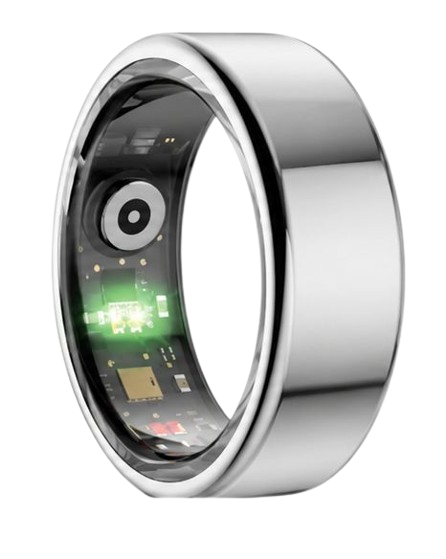
To seamlessly execute this tracking protocol without dealing with the hassle of daily charging or uncomfortable, bulky wristbands, the Herz P1 Smart Ring offers the perfect, lightweight solution.
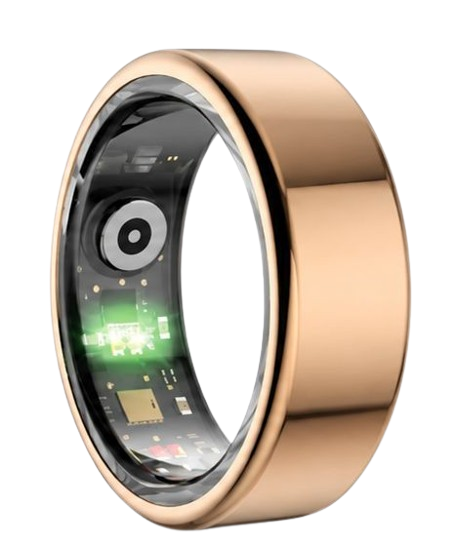
Its ultra-precise multi-wavelength optical sensors sit directly against the highly vascular palmar digital arteries of your finger, providing far more sensitive temperature and cardiovascular readings than wrist-worn devices.
With its 6-day battery life and zero subscription fees, you can gather weeks of continuous, uninterrupted baseline data effortlessly.
The Physiological Blueprint: Decoding the True Hot Flash Meaning
To truly understand your body’s thermal swings, you must first investigate the biological hot flashes meaning and how it alters your vascular system.
A hot flash is not simply an external sensation of warmth or a reaction to a warm room.
Instead, it is a complex, neurochemical event triggered directly within the brain’s main thermostat: the hypothalamus.
Under normal physiological conditions, the hypothalamus maintains a highly stable, narrow thermal neutral zone where you feel perfectly comfortable.
However, when hormonal signals begin to fluctuate—particularly during perimenopause and menopause—this thermal neutral zone narrows dramatically.
Even a minute shift in core temperature can then trigger an intense, emergency cooling response.
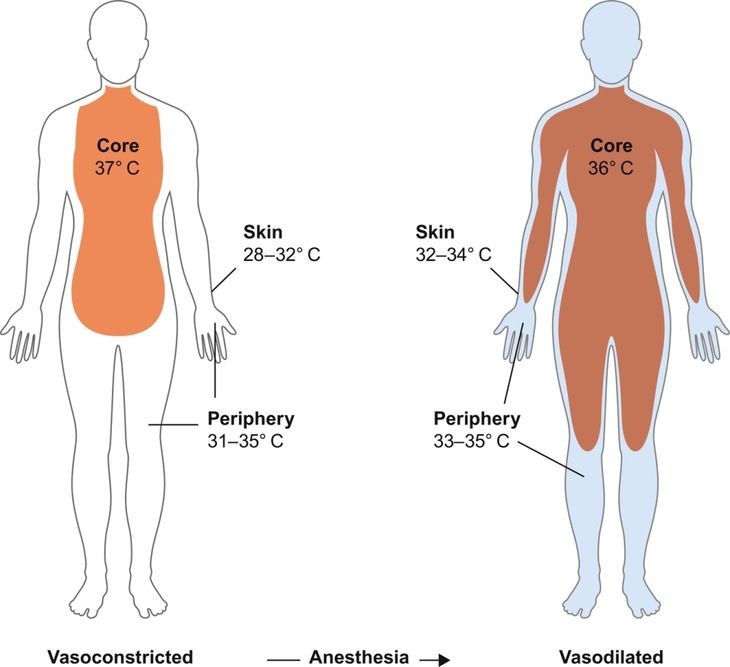
When the brain mistakenly perceives that the body is dangerously overheating, it initiates a sudden, rapid vaso-dilation process.
Blood vessels near the surface of the skin dilate rapidly, sending an intense rush of warm blood to the chest, neck, and face.
This rapid rush of blood is what creates the characteristic flushed appearance and the subjective feeling of radiating, burning heat.
To cool this sudden influx of warmth, the sweat glands are immediately ordered to open, leading to profuse sweating.
Once the sweat begins to evaporate, many individuals then experience rapid hot and cold body temperature swings as the body overcorrects and cools down too quickly.
This physiological roller coaster can occur multiple times a day, draining your energy and disrupting your emotional well-being.
According to research compiled by the National Sleep Foundation, these sudden vasomotor symptoms are a primary driver of chronic sleep fragmentation.
The sudden spikes in temperature and heart rate often wake individuals up out of deep, restorative sleep, leaving them exhausted the next morning.
By tracking these changes continuously, you can gather concrete, objective data to discuss with your healthcare provider.
Understanding the neurological and vascular basis of these episodes is the first step toward reducing the anxiety that often accompanies them.
Recognizing that your body is simply responding to a miscalibrated internal thermostat allows you to focus on cooling therapies and lifestyle adjustments.
Hormonal Rollercoasters: Why You Experience Hot Flashes During Luteal Phase
While many associate thermal spikes exclusively with menopause, younger cycling women often experience hot flashes during luteal phase of their monthly menstrual cycles.
This phenomenon is highly tied to the rapid, natural shift in progesterone and estrogen that occurs after ovulation.
During the early luteal phase, progesterone levels rise rapidly to prepare the body for a potential pregnancy, raising your basal body temperature by up to 0.5°C.
However, if fertilization does not occur, both progesterone and estrogen levels plummet sharply toward the end of the phase.
This rapid drop in circulating hormones can mimic perimenopausal drops, triggering sudden thermal instability in sensitive individuals.
Understanding this cyclic connection explains why younger women may experience frustrating hot and cold body temperature swings female in the days leading up to their period.
The sudden withdrawal of estrogen toward the end of the luteal phase directly alters neurotransmitter levels within the brain.
Specifically, lower estrogen levels reduce norepinephrine and serotonin stability, which are key chemical messengers in hypothalamic thermoregulation.
This chemical instability is what causes the brain’s internal thermostat to become hypersensitive during this specific time of the month.
Many women find themselves waking up with mild night sweats or feeling sudden, unprovoked waves of heat during the day.
By tracking your menstrual cycle alongside skin temperature trends, you can easily identify if your thermal spikes follow a predictable monthly pattern.
This biological insight helps remove the confusion of unexpected heat waves and allows you to plan targeted self-care when you need it most.
When your wearable device maps out these cyclic fluctuations, you can easily see the direct impact of hormonal shifts on your physical recovery.
During the late luteal phase, you may notice that your resting heart rate runs slightly higher and your HRV dips.
These cardiovascular markers show that your body is working harder to maintain homeostasis during hormonal transitions.
By anticipating these shifts, you can adjust your exercise intensity, optimize your sleep setup, and avoid inflammatory foods during high-risk days.
Recognizing that these episodes are tied to normal cyclic fluctuations helps you manage them with proactive, personalized lifestyle choices.
The Autonomic Link: How HRV and Sleep Architecture Reveal Nocturnal Sweat Triggers
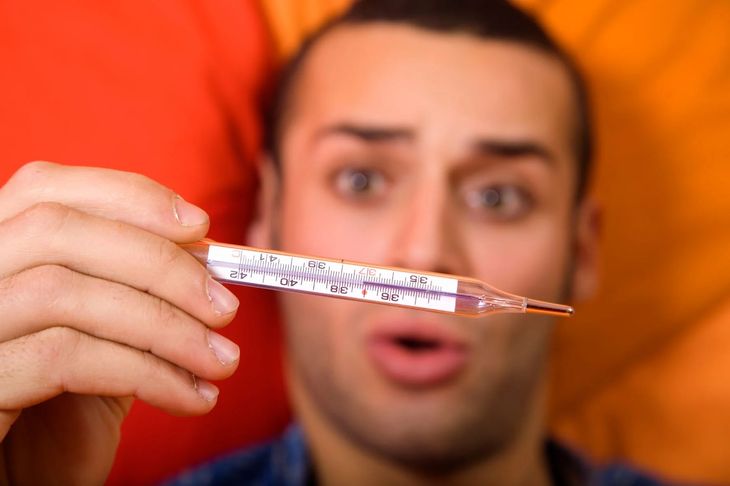
Nocturnal thermal surges do not occur in isolation; they are deeply tied to the autonomic nervous system and sleep architecture.
Immediately before a night sweat episode begins, the sympathetic nervous system—the branch behind your fight-or-flight response—spikes dramatically.
This sympathetic surge causes a sudden, rapid drop in your heart rate variability (HRV) and an immediate increase in your resting heart rate.
This internal stress reaction often occurs up to ten minutes before you consciously wake up feeling hot and drenched in sweat.
By tracking these precise cardiovascular shifts, you can observe how stress, diet, and hormonal shifts directly impact your autonomic balance.
Analyzing these patterns provides a clear window into how your body manages physical stress while you sleep.
These autonomic surges can also severely disrupt your sleep architecture, shifting you out of deep recovery and into light, fragmented stages.
Deep slow-wave sleep is essential for physical repair and tissue recovery, while REM sleep is vital for cognitive processing and emotional health.
When a hot flash strikes, it can instantly pull you out of these critical phases, leaving you feeling chronically fatigued.
Additionally, physical changes during menopause can contribute to issues like menopause snoring, which further compromises airway stability and sleep quality.
Furthermore, natural declines in estrogen can lead to shifts in menopause and metabolism, which can alter blood sugar regulation and exacerbate nightly stress spikes.
Monitoring these overlapping health metrics gives you the comprehensive menopause insights you need to protect your long-term health.
By gathering continuous data, you can easily see how small changes in your evening habits can stabilize your autonomic system.
For instance, you might find that practicing slow breathing before bed helps keep your nocturnal HRV stable and prevents sudden sympathetic surges.
You can also see if avoiding heavy meals close to bedtime helps maintain your normal core temperature throughout the night.
Stabilizing your autonomic system not only reduces night sweats but also protects your deep and REM sleep cycles.
With the right data, you can build a highly effective evening routine that keeps your nervous system calm and your sleep deeply restorative.
Optimizing Your Daily Vitals with the Herz P1 Health App
The Herz P1 Smart Ring companion app acts as your personal health data center, turning complex biometric signals into easy-to-understand, actionable daily insights.
Instead of trying to interpret raw data on your own, the app clearly displays your daily skin temperature deviations, sleep stages, and HRV trends.
This user-friendly layout allows you to quickly see how your body is responding to hormonal shifts and daily stress.
The app runs completely free of monthly subscription fees, ensuring you have lifetime access to your detailed health trends without any hidden costs.
By reviewing your personalized dashboard each morning, you can make proactive choices that improve your sleep quality and overall physical recovery.
You can also use this detailed biometric data to plan your daily physical activity and rest with incredible precision.
For example, if the app shows a sudden dip in your nightly HRV and a rise in skin temperature, your body is likely working hard to manage internal stress.
On these high-strain days, you can choose to swap intense workouts for gentle yoga or walking to avoid overstressing your nervous system.
Conversely, when your vitals show you are fully recovered, you can confidently push your physical limits.
The lightweight, 3-gram design of the Herz P1 makes it incredibly comfortable for continuous, 24/7 wear.
This seamless wearability ensures you never miss a single biometric data point, whether you are asleep, exercising, or busy at work.
For women navigating hormonal transitions, the Herz P1 serves as an exceptionally powerful, subscription-free menopause ring.
The integrated menopause tracking features allow you to monitor subtle monthly temperature trends and map them directly against sleep quality changes.
By tracking these long-term developments, you can easily identify specific environmental factors that might be making your vasomotor symptoms worse.
This detailed information allows you to make precise adjustments to your room temperature, clothing, and diet.
Taking control of your thermal health with clear, objective data helps take the frustration out of hormonal transitions and helps you feel your best every day.
Avoiding Common Pitfalls in Tracking Hormonal Temperature Fluctuations
One of the most common mistakes people make when tracking thermal fluctuations is wearing a bulky, uncomfortable smartwatch to bed.
Large smartwatches often shift around during sleep, creating gaps between the optical sensors and your skin that can lead to highly inaccurate readings.
Additionally, many users find the bright screens and heavy designs of smartwatches highly disruptive to their sleep quality.
Heavy watches can also trap heat against your wrist, artificially raising your skin temperature readings and skewing your data.
Switching to a slim, lightweight smart ring solves these issues by keeping the sensors in constant, gentle contact with the base of your finger.
This stable contact ensures clinical-grade tracking accuracy while keeping you comfortable all night long.
Another major frustration in the wearable market is the hidden cost of ongoing monthly app subscriptions.
Many premium brands require you to pay a high monthly fee just to access your own biometric data and historical health trends.
We believe you should never have to pay a recurring fee to understand your own body’s health signals.
The Herz P1 Smart Ring app is completely free for lifetime use, giving you full access to all advanced tracking metrics without any paywalls.
Our military-grade steel construction and IP68 waterproof rating also ensure that your ring is built to handle the demands of daily life.
Investing in durable, subscription-free hardware protects both your hard-earned money and your long-term health journey.
Finally, avoid the mistake of tracking your data without looking at the bigger picture of your daily habits.
Biometric trends are far more valuable when cross-referenced with your diet, stress levels, and bedroom environment.
Using a simple digital log to note when you consume caffeine or alcohol can quickly reveal the direct causes of nightly thermal spikes.
This proactive approach turns raw data into a powerful, personalized roadmap for lasting wellness.
By combining continuous smart ring tracking with minor, mindful lifestyle adjustments, you can successfully minimize sleep disruptions.
Taking an active, informed role in your wellness journey helps you build a lifestyle that keeps you cool, rested, and energized.
Frequently Asked Questions (FAQ)
This military-grade waterproofing means you can safely wear it while washing your hands, showering, swimming, or relaxing in a hot tub.
The seamless outer shell protects the advanced inner sensors from water damage and sweat, ensuring reliable tracking in any environment.
When it is time to power up, the ring charges from 0% to 100% in under 1 hour using the included magnetic charging dock.
This rapid charging capability means you can easily top up your battery while showering or getting ready, ensuring you never miss critical sleep data.
These fingers have larger blood vessels close to the skin surface, which allows the optical sensors to capture highly precise pulse and temperature signals.
Ensure the ring fits snugly but comfortably, without rotating excessively or feeling overly tight during the day.
You do not need to keep your phone nearby or connected to Bluetooth continuously throughout the night.
Once you open the free companion app, the ring will automatically sync all stored data to your phone in just a few seconds.
90-Day 100% Money-Back Guarantee
“The Herz Smart Ring helps me manage stress easily. It’s accurate, stylish, and lightweight—perfect for my busy life!”
— Jennifer P. | ✔ Verified Customer
- ✓ 6-Day Battery Life
- ✓ Detailed Sleep Analysis
- ✓ Fast 1-Hour Charging
- ✓ iOS & Android Ready
Questions? Call: 1-866-479-1629
Conclusion
Tracking temperature spikes with accuracy helps you replace confusion with clear physiological insights.
With the subscriber-free Herz P1 Smart Ring, you can map daily habits directly to autonomic trends.
Reclaim your night’s rest and build a cool, optimized environment for your body’s recovery.
Ready to monitor your health every day?
Explore the Herz P1 Smart Ring and see if it fits your lifestyle.
Call: 1-866-479-1629 — our team can help you advise on the correct ring size and set personalized health goals.
