

Understanding how your body temperature and menstrual cycle interact is the key to unlocking personalized hormonal health insights. Medical studies confirm that daily thermal variations act as direct windows into your endocrine system. By tracking these subtle shifts, you can effortlessly forecast ovulation, optimize daily sleep routines, and reclaim complete control over your cycle. The Herz P1 Smart Ring makes this complex physiological analysis simple, offering medical-grade sensor accuracy with zero monthly subscription fees.
Built to Last. Save Up to 69% Today.
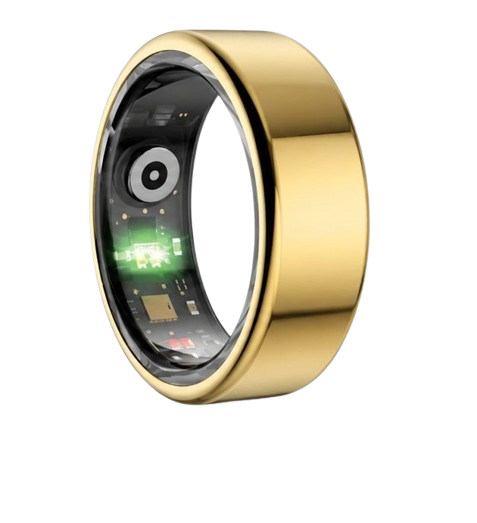
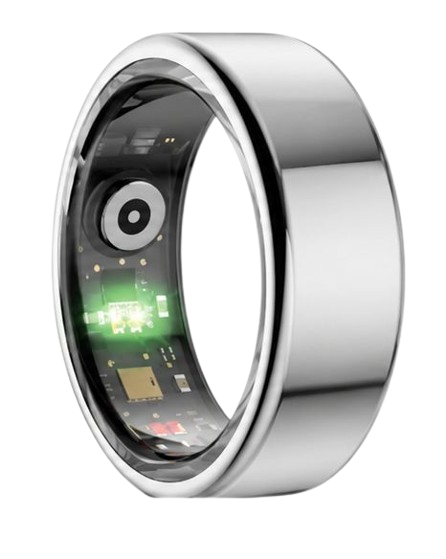
The Herz P1 Smart Ring tracks HRV, Sleep, Heart Rate & SpO2 around the clock. No subscriptions. No renewals. Ever.
In This Article
- Step-by-Step Cycle Tracking: Learn the exact blueprint for tracking core temperature changes.
- Hormonal Science Deep-Dive: Discover how follicular and luteal phases regulate your body temperature.
- Biometric Optimization Hacks: Align your workout intensity and sleep hygiene with monthly thermal shifts.
- Mitigating Errors: Say goodbye to bulky smartwatches, erratic manual data logs, and expensive subscriptions.
How to Track Your Menstrual Cycle Using Body Temperature: A Step-by-Step Guide

To successfully map your hormonal transitions, you must collect consistent and accurate biometric variables.
A high-precision skin sensor with a resolution threshold of 0.05 degrees Celsius is essential for catching micro-fluctuations.
You will also need a digital app that plots your nightly temperature trendline over consecutive weeks.
This systematic approach helps separate true biological signals from temporary environmental temperature spikes.
-
Step 1: Set a Consistent Tracking Window
Your body temperature changes rapidly as you begin your morning activities.
To establish a reliable baseline, you must record your temperature immediately upon waking.
Even sitting up in bed or drinking water can skew manual thermometer results.
Using a smart ring solves this problem by continuously measuring your temperature while you remain asleep.
This automated method ensures your data represents your true circadian resting low point.
-
Step 2: Log Daily Skin Temperature Deviations
Your resting temperature remains at a lower baseline during the first half of your cycle.
This period is known as the follicular phase, which typically spans from day one of your period to ovulation.
You should record your skin temperature deviations daily to find your personal follicular average.
This numerical average serves as your baseline reference point for the rest of the month.
A smart ring logs these variations automatically, plotting them on an easy-to-read daily dashboard.
-
Step 3: Map the Post-Ovulation Thermal Shift
Ovulation triggers a significant increase in the hormone progesterone.
Progesterone warms your body by acting directly on your brain’s thermal control center.
This hormonal change causes your temperature to rise by approximately 0.3 to 0.6 degrees Celsius.
You will notice this thermal shift immediately after an egg is successfully released.
Confirming this elevation for three consecutive days validates that ovulation has indeed occurred.
-
Step 4: Pinpoint Your Peak Fertility Window
Your peak fertility window includes the five days before ovulation and the actual day of ovulation.
You can identify this window by looking for a brief temperature drop just before the luteal spike.
By tracking this thermal transition, you can map your personal fertility timeline over time.
This proactive tracking helps you plan or avoid pregnancy with natural, data-informed confidence.
The companion app highlights these peak patterns to keep you informed of your cycle stage.
-
Step 5: Anticipate the Pre-Menstrual Temperature Drop
If pregnancy does not occur, your progesterone levels will fall sharply toward the end of your cycle.
This drop in hormone levels causes your resting temperature to return to its lower baseline.
Observing this decline helps you predict when your period will begin within twenty-four hours.
This foresight allows you to plan your weeks, travel, and exercise routines with ease.
It also removes the stress of unexpected cycle starts and period-related wellness surprises.
The Herz P1 Smart Ring automates this entire manual tracking process by continuously reading your metrics while you sleep.
Its multispectral sensors and medical-grade thermal chip record your cycle trends directly to your phone.
This provides you with clear, subscription-free biological data to help you easily manage your cycle.
90-Day 100% Money-Back Guarantee
“The Herz Smart Ring helps me manage stress easily. It’s accurate, stylish, and lightweight—perfect for my busy life!”
— Jennifer P. | ✔ Verified Customer
- ✓ 6-Day Battery Life
- ✓ Detailed Sleep Analysis
- ✓ Fast 1-Hour Charging
- ✓ iOS & Android Ready
Questions? Call: 1-866-479-1629
Biological Shifts: Tracking Body Temperature and Menstruation Dynamics
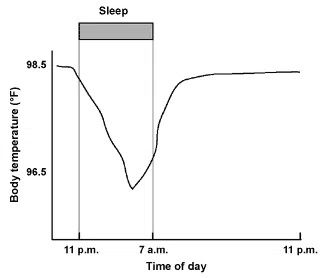
The biological connection between body temperature and menstruation is regulated by cyclical hormone changes.
During your follicular phase, estrogen is the primary hormone circulating in your system.
Estrogen works to keep your resting metabolic rate lower, keeping your temperature cooler.
This natural cooling pattern changes immediately after you ovulate.
Many women ask, does your temperature rise before your period?
Yes, because the post-ovulation luteal phase is dominated by progesterone.
Progesterone elevates your core metabolic baseline, keeping your temperature higher for about two weeks.
Understanding this pattern is key, but you might also wonder, does your body temperature drop before period starts?
The answer is yes, as a sharp thermal decline signals that your period will begin shortly.
Monitoring your basal temp during period days confirms that your system has returned to its follicular baseline.
Data from the National Sleep Foundation indicates that these thermal changes also influence your sleep patterns.
Higher luteal temperatures can lead to minor disruptions in your slow-wave deep sleep stages.
By tracking these biological cycles, you can adjust your room environment to maintain deep, restful sleep.
The Herz P1 Smart Ring monitors these shifts continuously, collecting biometric data with less than a 2% margin of error.
This continuous tracking helps you understand your cycle without the hassle of manual checks.
Mastering Basal Body Temperature Dynamics: Charting Ovulation and BBT Trends

Using smart wearables for temperature cycle tracking is a major advancement in personal health tech.
Traditional thermometer methods require you to take measurements immediately upon waking.
This manual routine is difficult to maintain and easily skewed by minor sleep changes.
By tracking your bbt throughout cycle phases, you get a smooth, reliable monthly trendline.
This visual trend filters out daily temperature spikes caused by room changes or late-night meals.
A clear view of your ovulation cycle temperature allows you to identify your peak fertile days with ease.
The American Heart Association notes that resting heart rate and skin temperature are closely linked.
As your temperature rises during the luteal phase, your resting heart rate also increases slightly.
The Herz P1 Smart Ring captures this dual response using advanced PPG sensors.
This keeps you from viewing your temperature changes in isolation.
By tracking both heart rate variability (HRV) and thermal shifts, the app creates a detailed model of your cycle.
This comprehensive view helps you understand your body’s patterns without guesswork.
How to Apply Your Thermal Biomarker Insights to Daily Lifestyle Choices
Understanding your biometrics is the first step toward optimizing your daily wellness.
The Herz P1 companion app translates your complex health data into simple, actionable daily tips.
During your cooler follicular phase, your body is primed to handle high-intensity physical training.
You can use this period of physical resilience to push your limits and build muscle.
When you notice your temperature rising post-ovulation, you should focus on recovery and active stretching.
Your body naturally requires more rest to manage its higher luteal metabolic state.
Tracking your Heart Rate Variability (HRV) alongside temperature reveals your autonomic nervous system balance.
A lower HRV score paired with a higher luteal temperature suggests your body is under physical strain.
When this pattern appears, we recommend practicing light yoga or cooling your bedroom down.
The Herz P1’s military-grade steel design makes it comfortable to wear all day and night.
At just 3.5 grams, the ultra-slim profile avoids the bulky feel of traditional smartwatches.
This seamless design allows you to collect continuous health data without compromising your comfort.
Avoid These Top 3 Errors in Temperature Cycle Tracking
Many people try to track their cycles using bulky, heavy wrist-worn fitness trackers.
However, smartwatches often run out of battery overnight, leaving gaps in your data.
Smartwatch sensors can also shift on the wrist, leading to poor skin contact and measurement errors.
The Herz P1 Smart Ring solves this by positioning its dual thermal sensors against the base of your finger.
This placement provides stable contact with digital arteries for highly accurate readings.
Another common trap is the financial burden of ongoing monthly app subscription fees.
Several popular health ring brands lock your personal metrics behind a monthly paywall after purchase.
Team Herz P1 believes you should never have to pay a subscription to access your own biological data.
Our companion application is completely free for lifetime, with zero hidden fees.
Finally, many users make the mistake of measuring temperature after drinking alcohol or sleeping in heated rooms.
These external factors can create false temperature spikes that confuse standard tracking apps.
Our intelligent system filters out these outliers, keeping your overall trendline highly accurate.
Frequently Asked Questions
Is the Herz P1 Smart Ring waterproof?
Yes, the Herz P1 features a premium IP68 waterproof rating.
It is fully certified to withstand continuous submersion in water up to 164 feet deep.
You can wear it safely while swimming laps, taking hot showers, or enjoying saunas.
The military-grade outer shell protects the sensitive internal sensors from water damage.
How long does the battery last?
The Herz P1 delivers up to 6 full days of continuous biometric tracking on a single charge.
The device reaches a full charge in under one hour using the magnetic charging cradle.
This long-lasting battery ensures you never miss a critical night of sleep or thermal cycle data.
We recommend charging the ring for a few minutes daily while showering to maintain a steady charge.
Which finger is best to wear the smart ring on?
For the highest PPG and thermal sensor accuracy, we recommend wearing the ring on your index finger.
Your middle and ring fingers are also highly effective options for daily tracking.
We suggest wearing it on your non-dominant hand to minimize physical wear from daily tasks.
Ensure the inner sensor bumps maintain firm, comfortable contact with the palm side of your finger.
Does the Herz P1 store health data offline?
Yes, the ring has secure built-in local memory that stores up to 7 days of continuous health metrics.
This means you can sleep or exercise without having your smartphone nearby or connected to Bluetooth.
Once you open the companion application, your stored biometric data syncs automatically in seconds.
Your health data is fully encrypted locally and during transfer to ensure absolute personal privacy.
Conclusion: Start Tracking Your Cycle with Absolute Ease
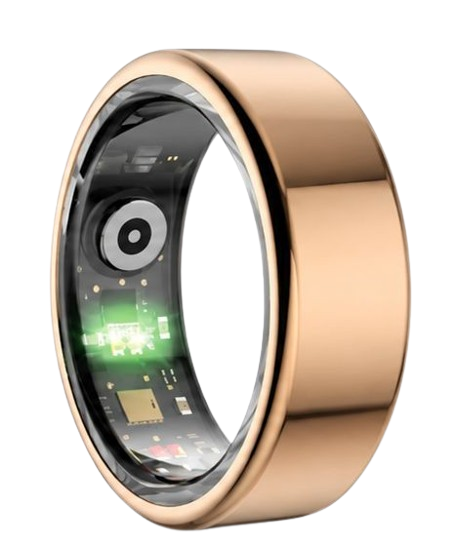
The Herz P1 Smart Ring maps your body temperature and menstrual cycle trends with subscription-free, medical-grade precision. Ready to monitor your health every day? Explore the Herz P1 Smart Ring and see if it fits your lifestyle. Call: 1-866-479-1629 — our team can advise on correct sizing and personalized health goals.
Note: Individual results may vary depending on individual health conditions, age, and lifestyle habits. This article is intended for general health reference purposes only.
