

Experiencing sudden hot and cold body temperature swings female physiology often presents is a deeply frustrating mystery that disrupts daily comfort and overnight rest. At Team Herz P1, we believe that decoding these subtle thermal shifts should not require guesswork, which is why the Herz P1 smart ring monitors your biometric trends around the clock to provide clear, science-backed clarity. Let us explore exactly why these temperature fluctuations happen and how to manage them.
Built to Last. Save Up to 69% Today.
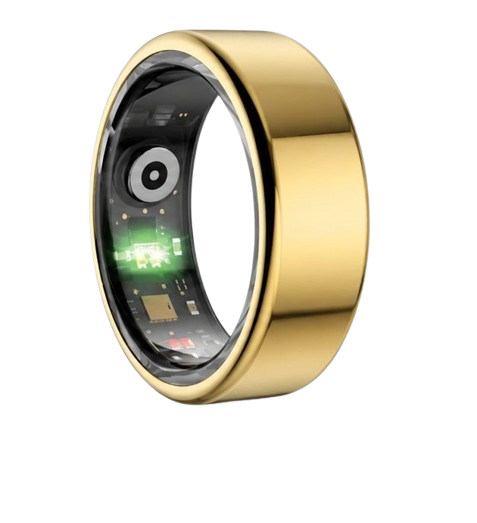
The Herz P1 Smart Ring tracks HRV, Sleep, Heart Rate & SpO2 around the clock. No subscriptions. No renewals. Ever.
In This Article
- The Biological Mechanism: Why the female body shifts between extreme heat and chills.
- Hormonal Regulators: The delicate dance of estrogen and the hypothalamus.
- Sleep Architecture: How night sweats disrupt deep and REM sleep stages.
- Biometric Tracking: Leveraging smart ring sensors to map your personal baseline.
Why Do Women Experience Hot and Cold Body Temperature Swings? The Biological Truth
Sudden temperature fluctuations can leave you feeling as if your internal thermostat is broken.
To understand why this happens, we must look closely at how the female body regulates its core temperature.
The primary control center for your body temperature is a small region in the brain called the hypothalamus.
This neurological command center acts like a highly sensitive thermostat.
In women, the hypothalamus is heavily influenced by fluctuating hormones, particularly estrogen.
When estrogen levels drop or fluctuate rapidly, the hypothalamus becomes highly sensitive to even minor changes in environmental temperature.
This sensitivity causes the brain to mistakenly believe that the body is overheating.
In response, the brain triggers a rapid cooling mechanism, which you experience as a sudden hot flash.
During this event, your blood vessels dilate to release heat, and your sweat glands activate.
Once the heat is rapidly expelled, your skin temperature drops sharply.
This sudden drop in skin temperature is what causes the immediate, shivering cold chill that follows.
These rapid shifts are commonly known as hormonal thermal shifts.
These fluctuations can occur at any time of day, but they are often most disruptive during the night.
Quantitative clinical data indicates that normal core body temperature fluctuates by about 0.5 to 1.0 degrees Fahrenheit throughout a standard 24-hour cycle.
However, during intense hormonal events, the perceived shift can feel far more extreme.
This thermoregulatory instability affects millions of women worldwide during their menstrual cycles, pregnancy, and menopausal transitions.
If you want to track these thermal changes in real time, the Herz P1 Smart Ring monitors your skin temperature deviations 24/7.
By logging these continuous trends, you can easily identify your unique physical patterns and plan your day with confidence.
You can explore the Herz P1 Smart Ring here to see how it decodes your physiological signals without monthly fees.
90-Day 100% Money-Back Guarantee
“The Herz Smart Ring helps me manage stress easily. It’s accurate, stylish, and lightweight—perfect for my busy life!”
— Jennifer P. | ✔ Verified Customer
- ✓ 6-Day Battery Life
- ✓ Detailed Sleep Analysis
- ✓ Fast 1-Hour Charging
- ✓ iOS & Android Ready
Questions? Call: 1-866-479-1629
Decoding Hormonal Thermal Shifts and the Hypothalamus Connection
Understanding the connection between your brain and hormones is key to managing hot and cold body temperature swings safely.
Estrogen acts as a natural stabilizer for the hypothalamic thermoregulatory zone in your brain.
When your body undergoes hormonal thermal shifts, this zone narrows significantly.
A narrower zone means that tiny variations in environment or stress trigger immediate, exaggerated responses.
According to sleep physiology research, these rapid temperature spikes are often accompanied by sudden elevations in heart rate.
This physiological response mimics a mild fight-or-flight state, which can leave you feeling anxious or winded.
Many women experience this thermoregulatory confusion as a sudden, intense wave of heat, which is the classic hot flashes meaning in action.
Almost immediately after, as the skin sweat evaporates, you are left shivering from an irregular body temperature drop.
This rapid cycle can repeat multiple times throughout the night, completely fragmenting your rest.
Studies highlight that persistent vasomotor instability is linked to altered autonomic nervous system activity.
This instability can be observed through changes in your heart rate variability (HRV) metrics.
HRV measures the variation in time between consecutive heartbeats and reflects your overall stress resilience.
When your body is constantly battling temperature swings, your HRV scores tend to drop, signaling physical fatigue.
By monitoring these trends, you can gain a clear, objective view of how your body responds to daily stressors.
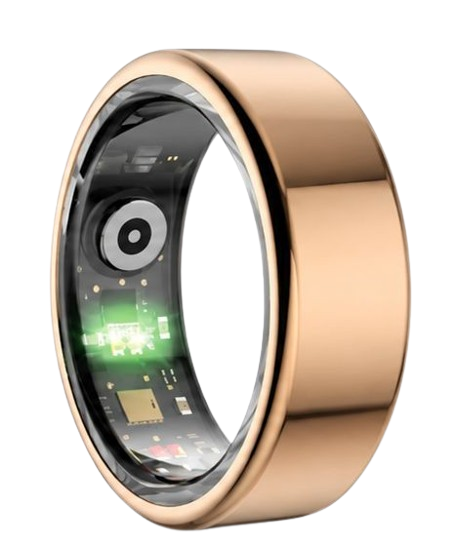
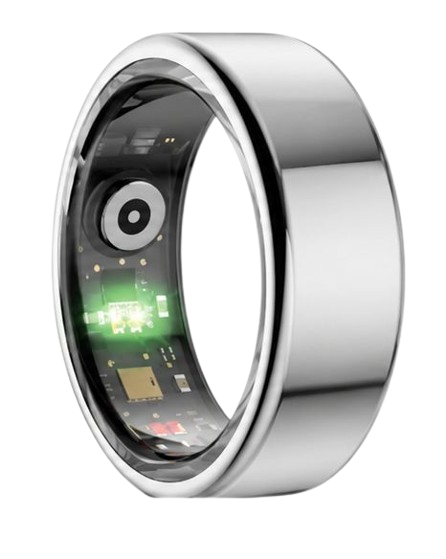
The Herz P1 Smart Ring utilizes advanced optical sensors to continuously monitor your skin temperature deviations and HRV.
Our military-grade steel ring tracks these subtle physiological markers while you sleep, completely free of any monthly subscription fees.
The Interplay of Menstrual Cycle Phases and Overnight Body Temperature

The female body moves through distinct hormonal phases every single month.
During the follicular phase, which starts on the first day of menstruation, estrogen gradually rises while your core body temperature remains lower.
Once ovulation occurs, progesterone levels surge, raising your basal body temperature by up to a full degree.
This natural rise in temperature during the luteal phase can make you highly sensitive to body temp fluctuations hot cold women experience.
If progesterone levels drop rapidly before your period begins, this sudden change can trigger unexpected night chills.
For women entering perimenopause, these cycle phases become highly unpredictable.
This unpredictability often leads to more intense thermoregulatory events, which can directly impact your metabolic health.
Scientific data suggests a clear link between fluctuating hormones, menopause and metabolism variations, and altered sleep architecture.
Many women also notice breathing changes during these shifts, making menopause snoring a common but underreported issue.
Using a dedicated menopause ring allows you to keep an eye on these sleep disruptions automatically.
Continuous menopause tracking helps you pinpoint which nights are most affected by hormonal fluctuations.
Having access to reliable, long-term menopause insights allows you to make data-informed adjustments to your bedroom environment.
Modern wearables make this process incredibly simple, comfortable, and private.
With advanced menopause tracking on smart rings, you do not have to deal with bulky wristbands that pinch your skin.
The Herz P1 fits seamlessly onto your finger, providing continuous sleep, blood oxygen (SpO2), and thermal tracking.
It helps you visualize exactly how your sleep cycles align with your body temperature deviations over time.
Practical Application Guide: Reading Your Biometrics and Adjusting Your Lifestyle
To effectively manage temperature swings, you must learn to read the biological signals your body sends.
Each morning, the Herz P1 App provides a clear dashboard showing your skin temperature deviation from your personal baseline.
A positive deviation indicates that your body temperature was elevated during the night, which often correlates with lighter, more fragmented sleep.
A negative deviation shows a cooler sleep pattern, which generally supports deeper, more restorative sleep stages.
If you see consecutive days with elevated temperature deviations, it may be time to prioritize rest and lower your physical training intensity.
You can also use this data to make proactive adjustments to your sleep environment.
For example, if your skin temperature shows frequent spikes, consider using lightweight, moisture-wicking bedding.
Keeping your bedroom temperature between 60 and 67 degrees Fahrenheit is highly recommended by sleep scientists to promote deep sleep.
Additionally, monitoring your HRV score can help you understand how your autonomic nervous system is recovering from these thermal events.
A rising HRV trend indicates that your body is adapting well and recovering effectively.
A downward HRV trend suggest that the chronic stress of temperature swings is taking a toll on your physical energy.
To support your body during these recovery dips, consider practicing brief, slow-paced breathing exercises before bed.
Avoiding heavy meals, alcohol, and blue light exposure late in the evening also stabilizes your overnight heart rate.
By combining these healthy habits with continuous biometric tracking, you can gradually reduce the impact of sudden temperature shifts.
The comfort of a lightweight smart ring makes 24/7 monitoring completely effortless and non-intrusive.
Overcoming Wearable Obstacles: Why the Right Form Factor Matters
Many individuals try to track their sleep using traditional, bulky smartwatches.
However, heavy wrist-worn devices can easily cause micro-arousals when they catch on blankets or shift during the night.
A tight, heavy wristband can also restrict blood flow, resulting in less accurate blood oxygen (SpO2) and heart rate readings.
Furthermore, having to charge a smartwatch every single day often leads to gaps in your night tracking data.
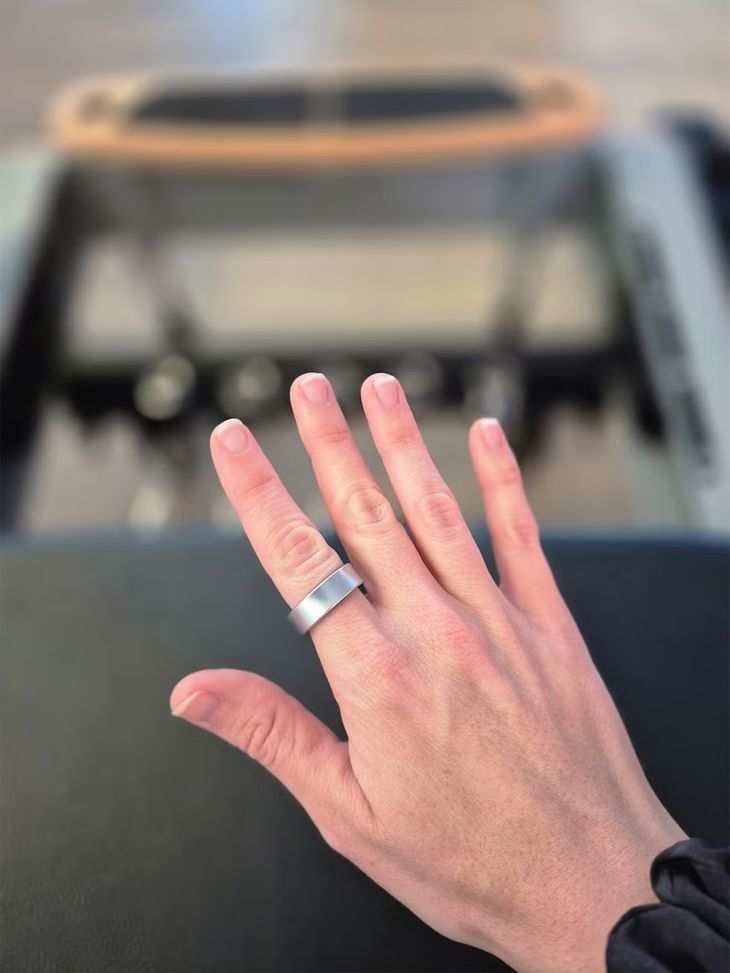
A sleek, lightweight smart ring solves these issues by sitting securely at the base of your finger, where blood vessels are close to the skin.
This optimal placement allows the optical sensors to collect highly accurate, continuous biometric data without irritation.
Another common frustration in the wearable market is the hidden cost of ongoing monthly app subscriptions.
Many brands lock your personal health data behind a paywall, forcing you to pay recurring fees to see your own biometric trends.
At Team Herz P1, we believe that you should never have to pay a subscription to access your personal health metrics.
The Herz P1 App is completely free for lifetime, giving you unrestricted access to all sleep, heart rate, stress, and temperature data.
Our military-grade steel ring is also IP68 waterproof, meaning you can wear it in the shower or pool without worry.
With a robust 6-day battery life, you only need to charge it for less than an hour once a week.
Herz P1 vs. Competitors: Technical Feature Comparison
To help you make an informed decision, let us compare the Herz P1 Smart Ring with common market alternatives.
| Feature Metric | Herz P1 Smart Ring | Standard Smartwatches | Basic Fitness Bands |
|---|---|---|---|
| Monthly Subscription Fee | $0 (Free App Forever) | Varies ($5 to $10/month) | Often free but limited data |
| Wearing Comfort | Ultra-lightweight ring (under 5g) | Bulky wrist strap (30g – 60g) | Narrow band, can pinch skin |
| Battery Life Performance | Up to 6 days per charge | 1 to 2 days average | 5 to 7 days average |
| Waterproof Rating | IP68 (Up to 164 feet) | Varies (often 5 ATM) | Splash-proof only |
| Warranty Coverage | 2-Year Full Warranty | Typically 1 year | Typically 1 year |
This comparative data highlights why a premium smart ring is often the most cost-effective and comfortable solution for long-term health tracking.
Frequently Asked Questions (FAQ)
Is the Herz P1 Smart Ring completely waterproof?
Yes, the Herz P1 features a certified IP68 waterproof rating, allowing it to withstand continuous submersion up to 164 feet (50 meters), making it perfectly safe for swimming, showering, and handwashing.
How long does the battery last on a single charge?
Our ring delivers a robust 6-day battery life under normal use and charges fully in less than 1 hour using the included magnetic charging dock.
Which finger is best to wear the smart ring on?
We recommend wearing the Herz P1 on your index, middle, or ring finger of either hand for the most accurate sensor alignment and blood flow detection.
Does the ring store my biometric data offline if my phone is disconnected?
Yes, the Herz P1 has secure onboard memory that safely stores up to 7 days of local biometric data, which syncs automatically once your phone reconnects via Bluetooth.
Conclusion: Take Charge of Your Thermoregulatory Wellness
Tracking and understanding your physiological responses is the first step toward lasting health and daily comfort.
Ready to monitor your health every day?
Explore the Herz P1 Smart Ring and see if it fits your lifestyle.
Call: 1-866-479-1629 — our team can help you advise on the correct ring size and set personalized health goals.
Note: Individual results may vary depending on individual health conditions, age, and lifestyle habits. This article is intended for general health reference purposes only.
