

Understanding skin temperature during sleep is a vital window into your body’s recovery systems and physical health. Biometric tracking technology allows you to monitor these thermal fluctuations without wearing a bulky device to bed. The Herz P1 smart ring monitors these metrics continuously. This guide will explain normal sleep temperature variations and how to interpret your nightly physiological data.
Built to Last. Save Up to 69% Today.
The Herz P1 Smart Ring tracks HRV, Sleep, Heart Rate & SpO2 around the clock. No subscriptions. No renewals. Ever.
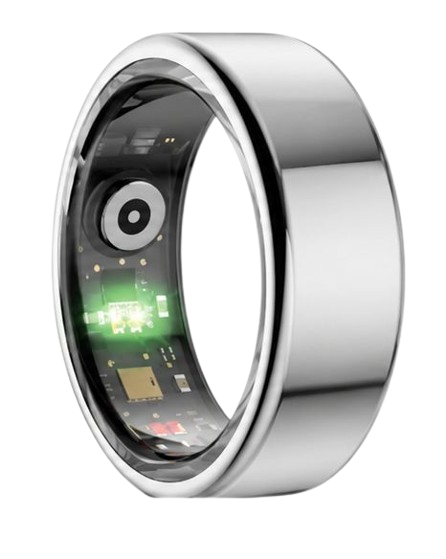
In This Article
- Nocturnal Thermal Regulation: Discover how step-by-step sleep temperature tracking optimizes recovery.
- Physiological Science Deep-Dive: Understand the connection between your skin temperature and sleep stages.
- Thermal Curve Analytics: Learn to read and decode your nightly micro-fluctuations.
- Smart Integration with Herz P1: Use advanced biometric indicators to improve physical well-being.
How to Track and Optimize Your Skin Temperature During Sleep for Better Recovery
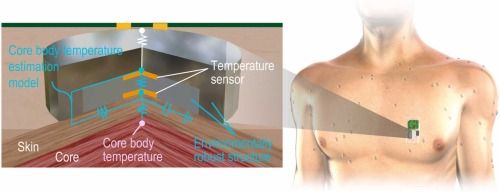
To track your nocturnal thermal trends, you need a high-precision wearable tracker and a consistent sleep schedule.
Step 1: Baseline Your Nightly Readings
Your body needs several consecutive days of consistent tracking to establish a stable reference range for thermal patterns.
You should wear your high-precision biometric tracker on the same finger every night for at least seven to ten days.
This calibration period allows the software algorithms to build an accurate profile of your unique thermal baseline.
External variables like changing your heavy winter blankets or altering your late-night heating settings can distort these early baseline calibration points.
It is best to keep your bedroom environment stable and avoid alcohol consumption during this initial data collection phase.
Once the baseline is set, your device can accurately identify even a fraction of a degree of variation from your typical range.
This step is vital because your personal baseline is far more meaningful than generic population averages for tracking wellness.
Failing to baseline properly will lead to false alarms and inaccurate recovery scores in your daily dashboard.
Step 2: Recognize the Nightly Temperature Dip
As your brain prepares for sleep, blood vessels in your skin dilate to release heat from your internal core.
This vaso-dilation process causes a noticeable rise in your extremity temperature, which corresponds to a skin temperature dip sleeping event in your core.
Your core body temperature must decrease by about two degrees Fahrenheit to initiate and sustain deep sleep stages.
Understanding this relationship helps you realize that a rising skin temperature at bedtime is actually a healthy sign of core cooling.
You can check your daily charts to confirm that this shift occurs within thirty minutes of your habitual bedtime.
If your extremities remain cold, your body may struggle to initiate the core cooling process required for fast sleep onset.
This delay can lead to prolonged sleep latency and a reduction in restorative deep sleep cycles.
Recognizing this natural dip helps you align your lifestyle habits with your biological clock for optimal rest.
Step 3: Adjust Your Ambient Sleep Environment
The ambient temperature of your bedroom plays a massive role in how well your body regulates its thermal balance.
Most sleep scientists recommend keeping your bedroom thermostat set between sixty-five and sixty-eight degrees Fahrenheit.
If your room is too warm, your body cannot easily shed heat, which disrupts the normal body temperature drops at night process.
This environmental heat stress often leads to frequent micro-arousals and fragmented sleep architectures.
You should opt for breathable, moisture-wicking sheets made of natural cotton, bamboo, or linen.
Avoid synthetic bedding materials that trap heat and humidity around your limbs during the night.
Adjusting your room temperature allows your body to radiate heat naturally and maintain a stable sleep state.
By prioritizing a cool bedroom, you support the natural vaso-dilation that keeps your sleep cycle uninterrupted.
Step 4: Audit Your Evening Habits and Late Meals
What you consume and do in the hours leading up to bedtime has a direct impact on your overnight circulation.
Eating a large, calorie-dense meal close to bedtime increases your metabolic rate and elevates your core temperature.
This digestion process forces your heart to work harder, which alters your normal cardiovascular recovery patterns.
Alcohol consumption before bed acts as a vasodilator initially but ultimately disrupts your circadian rhythm and raises your sleeping temperature.
High-intensity exercise within three hours of sleep can also keep your core temperature elevated for several hours.
You can audit these habits by reviewing your sleep reports on mornings following late dinners or workouts.
Try to finish your last meal at least three hours before your planned sleep time to allow your metabolism to cool down.
Tracking these lifestyle variables will help you identify the specific habits that are stealing your restorative sleep.
Step 5: Identify Deviations That Signal Impending Strain
Regular monitoring of your thermal trends allows you to detect early signs of physical strain or oncoming illness.
A sudden, elevated spike in your sleep temperature that deviates from your baseline often indicates immune system activation.
Your body naturally raises its thermal setpoint to combat pathogens, which shows up in your data before you feel symptoms.
These spikes can also occur due to intense overtraining, chronic stress, or hormonal shifts in your monthly cycle.
If you notice a persistent elevation over two or three nights, it is wise to adjust your physical activity levels.
You should prioritize active recovery, hydration, and extra rest to help your body bounce back quickly.
Identifying these subtle shifts early prevents you from pushing through physical exhaustion and worsening your systemic strain.
This proactive approach turns your biometric data into a powerful shield for your long-term health and wellness.
To seamlessly implement this tracking protocol, the Herz P1 smart ring offers the perfect, unobtrusive solution for 24/7 biometric monitoring.
Our military-grade steel ring tracks your microscopic thermal variations and sleep cycles with clinical-grade accuracy.
Because the Herz P1 requires no monthly subscription, you get lifetime access to all your raw biometric trends without hidden fees.
This allows you to focus purely on your health journey while enjoying the peace of mind of a robust two-year warranty.
90-Day 100% Money-Back Guarantee
“The Herz Smart Ring helps me manage stress easily. It’s accurate, stylish, and lightweight—perfect for my busy life!”
— Jennifer P. | ✔ Verified Customer
- ✓ 6-Day Battery Life
- ✓ Detailed Sleep Analysis
- ✓ Fast 1-Hour Charging
- ✓ iOS & Android Ready
Questions? Call: 1-866-479-1629
The Physiological Science of Skin Temperature Variations in Sleep Stages
Human sleep is a highly dynamic neurological and physiological process governed by internal biological clocks.
The National Sleep Foundation highlights that thermal regulation is deeply linked to the quality of our sleep phases.
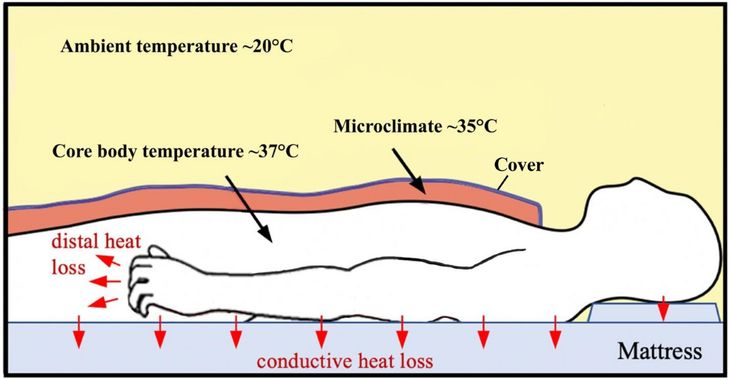
Your autonomic nervous system regulates blood flow to your extremities to control your core thermal balance.
This complex mechanism is a major component of the circadian rhythm body temperature cycle that dictates sleep-wake patterns.
During the transition into deep sleep, your body undergoes profound metabolic downregulation.
This downregulation helps preserve energy and allows cellular repair mechanisms to operate at peak efficiency.
If your extremities cannot shed heat, your brain will struggle to transition from light sleep into deep slow-wave sleep.
A normal physiological temp range fluctuates by about one degree Celsius over a standard twenty-four hour period.
When tracking sleep stages, biometric sensors look for this characteristic cooling curve alongside heart rate variability metrics.
High heart rate variability often correlates with a healthy, well-regulated thermal decline during the early hours of the night.
Conversely, a flat thermal curve is frequently associated with elevated stress, poor sleep efficiency, and reduced REM cycles.
By understanding these biological markers, you can interpret your nightly sleep scores with scientific clarity and confidence.
Analyzing Your Nightly Thermal Recovery Curve: What Decodes Restorative Rest?
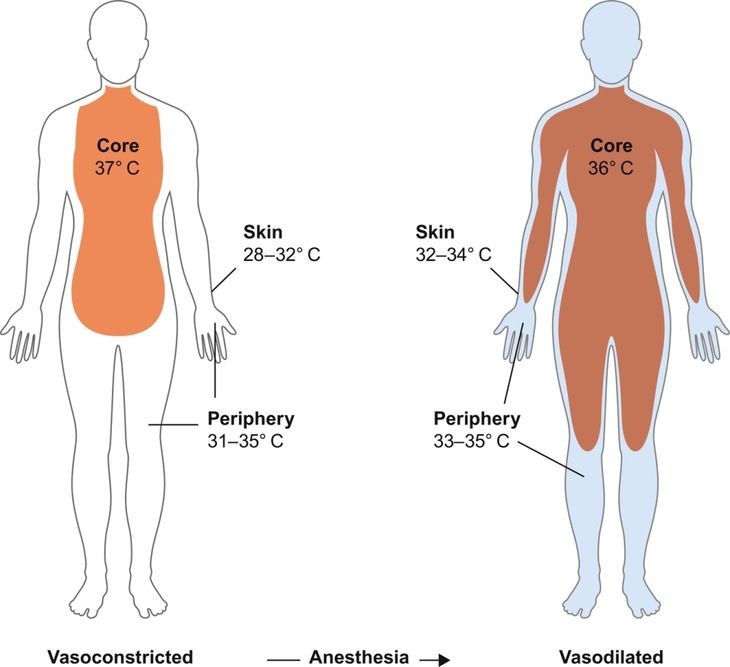
Your nightly thermal recovery curve is a graphical representation of how your body sheds heat throughout the evening.
In a healthy sleep cycle, your skin temperature rises as your core temperature drops rapidly after sleep onset.
This inverse relationship is crucial because it facilitates the deep cellular repair that occurs during slow-wave sleep.
Your average skin temperature should remain stable once this initial thermal shift is complete.
If your skin temperature continues to spike or fluctuate wildly, it indicates that your autonomic nervous system is highly active.
This active state, often called sympathetic dominance, prevents your cardiovascular system from entering a deep state of rest.
The American Heart Association notes that proper physical recovery depends on your body’s ability to lower its metabolic workload at night.
A stable thermal curve is an excellent indicator that your body has successfully entered a parasympathetic, restorative state.
When your body is in this state, your cells can focus on synthesizing proteins, repairing tissues, and releasing growth hormones.
Monitoring these nightly curves helps you determine whether your body is actually recovering from daily stressors or physical training.
If you notice a flat or elevated curve, it is a clear sign that you need to prioritize recovery and stress management.
Using Your Herz P1 App to Interpret Sleep Temperature Data
The Herz P1 app consolidates your complex biological signals into an intuitive, easy-to-read daily dashboard.
When you wake up, you can open the app to view your sleep staging graph and your thermal deviation chart.
The app displays your skin temperature as a positive or negative deviation from your established baseline.
This presentation is far more useful than showing a single raw number because it highlights meaningful physiological trends.
For instance, a deviation of plus zero point five degrees Celsius indicates that your body experienced mild overnight strain.
You can compare this thermal data alongside your nightly heart rate variability and blood oxygen saturation levels.
If your oxygen levels are stable and your stress index is low, a minor thermal rise is usually nothing to worry about.
However, if multiple metrics show negative trends, the app will advise you to take an active recovery day.
You can use these insights to plan the intensity of your workouts and manage your daily cognitive workload.
The lightweight design of the Herz P1 ensures that the sensors maintain perfect, continuous contact with your skin all night.
This continuous contact guarantees highly accurate readings without the discomfort of wearing a heavy watch.
Common Pitfalls in Sleep Tracking and How to Avoid Them
Many health-conscious individuals make the mistake of wearing a bulky, heavy smartwatch to monitor their sleep.
These large devices often shift during the night, which disrupts sensor contact and causes major gaps in your data.
The constant glow of smartwatch screens and incoming notifications can also wake you up and disrupt your sleep architecture.
Another major pitfall is choosing a tracking platform that locks your own health data behind an expensive monthly paywall.
Many popular wearable brands charge ongoing subscription fees just to let you view your long-term biometric trends.
We believe that your health data belongs to you, which is why the Herz P1 app is completely free for life.
There are absolutely no hidden fees, recurring charges, or locked features behind a premium subscription tier.
By choosing a subscription-free ring, you save hundreds of dollars over the lifetime of the hardware device.
Additionally, the military-grade steel construction of the Herz P1 protects it from accidental scratches and impacts.
This durable design ensures that your tracker survives daily workouts, heavy chores, and overnight wear for years to come.
Frequently Asked Questions About Sleep Skin Temperature Tracking
Is the Herz P1 waterproof?
The Herz P1 is fully certified with an IP68 waterproof rating, which means it can withstand continuous immersion in water.
This advanced protection allows you to wear the ring while washing your hands, taking a shower, or swimming in a pool.
The hermetic seal protects the delicate internal sensors and battery from moisture damage up to fifty meters deep.
How long does the battery last?
The battery of the Herz P1 is engineered to last up to six days on a single charge under standard usage conditions.
When the battery runs low, you can recharge it completely in under one hour using our fast magnetic charging dock.
This long battery life minimizes tracking interruptions and ensures you never miss a critical night of sleep data.
Which finger is best to wear it on?
We recommend wearing the Herz P1 on your index finger, middle finger, or ring finger for the most accurate readings.
These fingers have a highly developed network of blood vessels near the skin surface, which optimizes optical sensor performance.
Ensure the ring fits snugly but comfortably without rotating freely or restricting your healthy circulation.
Does it store data offline?
Yes, the Herz P1 features local storage that can hold up to seven days of biometric data offline.
This capability means you do not need to keep your smartphone connected to Bluetooth throughout the night.
The ring will automatically sync your saved data to the app the next time you open it on your phone.

Conclusion
Monitor your sleep temperature to master your physical recovery and daily wellness. The Herz P1 Smart Ring delivers clinical-grade biometric insights with zero monthly fees. Ready to track your health daily? Explore the Herz P1 Smart Ring today. Call: 1-866-479-1629 — our team can advise on sizing and personalized wellness goals.
Note: Individual results may vary depending on individual health conditions, age, and lifestyle habits. This article is intended for general health reference purposes only.
