

Tracking vital biometric parameters like the average hrv by age for women aged 50 becomes incredibly helpful when evaluating cardiac health, physical recovery capacities, and stress levels during midlife transitions. Many women in this cohort face issues like chronic fatigue, interrupted sleep, and unexplained mood changes, often without realizing how their autonomic nervous system is responding to hormonal shifts. The sophisticated Herz P1 smart ring serves as an excellent health tracking companion by capturing raw cardiac signals directly from your finger, allowing you to monitor normal biological baselines, recognize warning signs of physical exhaustion, and address lifestyle habits with real-world biometric data. This ultimate article will walk you through normal biological baselines, address health anxiety, and help you understand your metrics so you can elevate your quality of life every day.
Built to Last. Save Up to 69% Today.
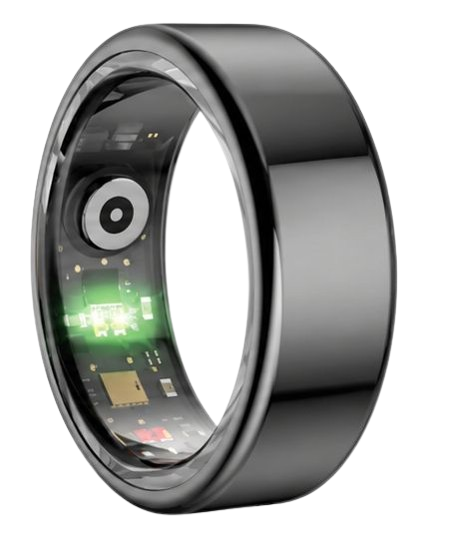
The Herz P1 Smart Ring tracks HRV, Sleep, Heart Rate & SpO2 around the clock. No subscriptions. No renewals. Ever.
In This Article
- A clinical perspective on heart rate variability trends for women in their fifties.
- How to establish an accurate and consistent tracking routine with user-friendly wearable tech.
- The impact of lifestyle choices, sleep patterns, and physical training on autonomic resilience.
- Actionable insights to optimize parasympathetic activity and improve long-term heart health.
How to Track and Elevate Your Autonomic Resilience: A Step-by-Step Wellness Blueprint
To master your nervous system health, you must implement a structured tracking routine that minimises reading errors.
Consistency is key to obtaining reliable autonomic measurements that reflect your true biological recovery state.
This protocol will guide you through establishing an accurate baseline and applying lifestyle changes to support your heart health.
Prerequisites & Preparations
Before beginning, you will need a comfortable biometric tracker that monitors cardiac performance continuously overnight.
You should aim to maintain a stable, repeatable sleep schedule for at least seven consecutive days to build a consistent dataset.
Ensure that you avoid eating massive meals, drinking alcohol, or engaging in intense exercises within three hours of bedtime.
-
Step 1: Set Up Nightly Measurements with a Reliable Tracker
You must wear your tracking device consistently throughout your entire sleep cycle to capture uninterrupted baseline numbers.
Nighttime represents the gold standard for measuring autonomic activity due to the absence of daytime movement noise.
Using a comfortable women’s health smart ring ensures that slight shifts in your sleeping posture do not distort delicate sensor contact.
Keep the ring on your finger for at least six hours of uninterrupted rest to calculate an accurate root mean square of successive differences.
You will establish an authentic physiological baseline by capturing multiple nights of sleep data without any gaps.
-
Step 2: Monitor Morning Autonomic Recovery and Heart Metrics
You should review your newly generated biometric reports immediately upon waking up to catch early physiological warnings.
Compare your overnight heart rate variability values to your rolling seven-day average to identify negative trends.
A lower reading than your personal normal indicates that your sympathetic nervous system is highly active and seeking recovery.
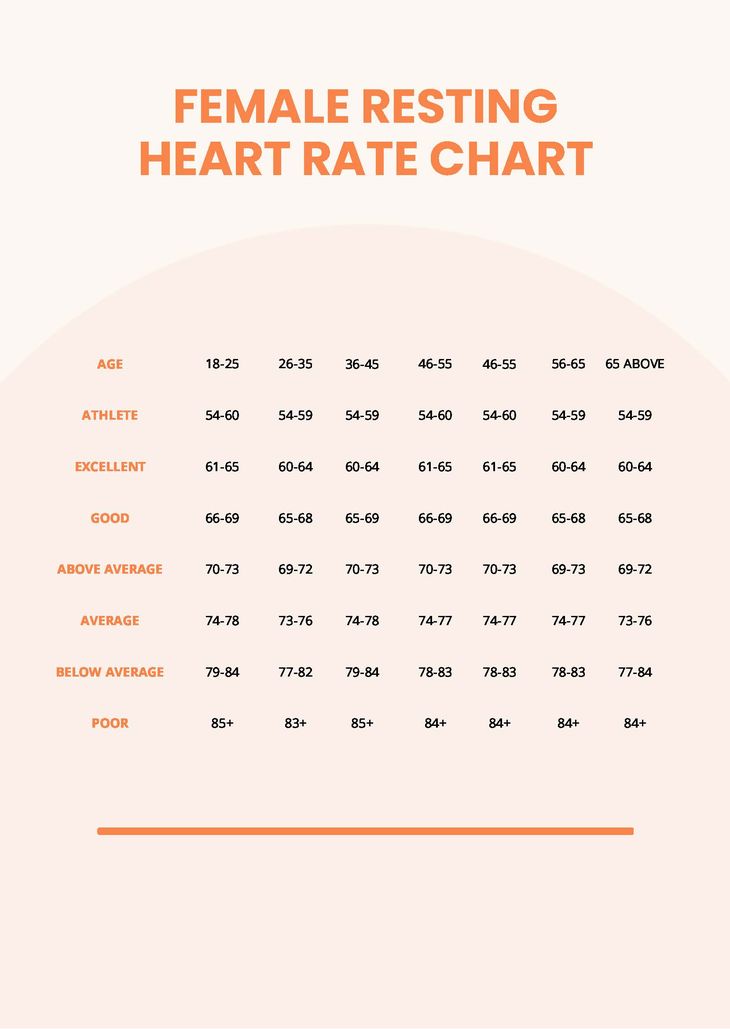
You can refer to a validated resting bpm chart to ensure that your pulse aligns with recommended values.
Taking note of these daily patterns allows you to adjust your daily workload before physical exhaustion sets in.
-
Step 3: Analyze Sleep Cycles and Account for Midlife Physiology
You need to assess the duration and proportion of deep sleep and rapid eye movement stages every morning.
Estrogen declines during midlife transitions can lead to frequent sleep fragmentation, which directly suppresses parasympathetic recovery.
Scientific studies concerning male vs female sleep highlights how mature women face different architectural challenges than men.
Gaining clarity on these biological gender sleep differences helps prevent unnecessary concern regarding mild architectural variances.
Use your tracker to confirm that your body enjoys at least ninety minutes of restorative deep sleep for tissue repair.
-
Step 4: Align Daily Physical Exertion with Autonomic Feedback
You should modulate the intensity of your physical exercise based on your daily autonomic feedback.
Plan lighter activities like restorative yoga, walking, or stretching on days when your baseline readings drop notably below average.
Reserve demanding cardiovascular workouts or resistance weight training sessions for mornings when your body reports high recovery.
This dynamic training protocol prevents physical burnout and protects your cardiovascular system from chronic overuse injuries.
Matching your physical load to actual biological readiness supports a balanced, resilient autonomic response over time.
-
Step 5: Apply Evening Autonomic Calming Exercises
You must practice targeted breathing techniques in the evening to prepare your nervous system for sleep.
Slowing your breathing down to six deep breaths per minute can stimulate the vagus nerve and promote parasympathetic dominance.
Dim the lights in your living spaces at least one hour before bed to support natural melatonin synthesis.
Keep electronic screens out of the bedroom to prevent high-energy blue light from raising your stress hormones.
These bedtime habits allow your cardiac rhythms to settle gently into a healthy restorative pattern.
Empowering Your Protocol with Herz P1
The highly responsive Herz P1 Smart Ring makes this step-by-step health optimization protocol simple to execute.
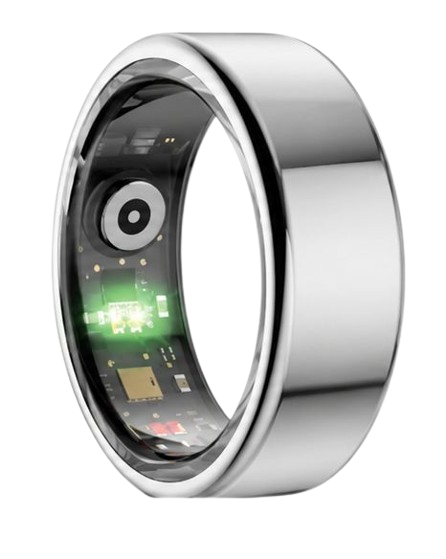
Its lightweight, military-grade steel body sits comfortably on your finger, allowing you to track biometric shifts 24/7 without the bulk of a wristband.
Our device requires no monthly subscription fees, meaning you retain complete, lifetime access to all of your critical physiological data.
Backed by an IP68 waterproof rating, a 2-year warranty, and a 90-day money-back guarantee, it represents a secure, durable, and highly precise health companion.
By monitoring your body’s signals with our smart ring, you can confidently turn daily data into lasting health habits.
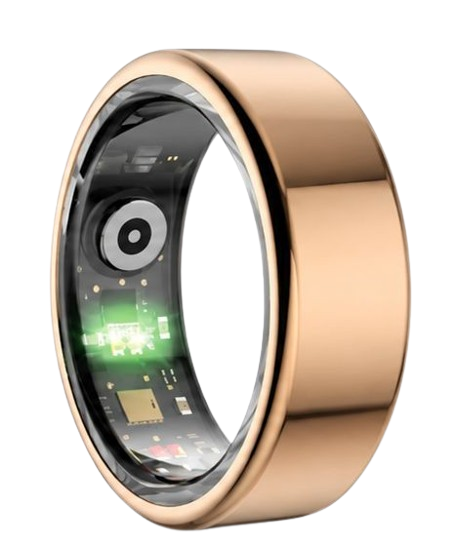
90-Day 100% Money-Back Guarantee
“The Herz Smart Ring helps me manage stress easily. It’s accurate, stylish, and lightweight—perfect for my busy life!”
— Jennifer P. | ✔ Verified Customer
- ✓ 6-Day Battery Life
- ✓ Detailed Sleep Analysis
- ✓ Fast 1-Hour Charging
- ✓ iOS & Android Ready
Questions? Call: 1-866-479-1629
Decoding the Biometric Science: Average HRV by Age for Women Aged 50
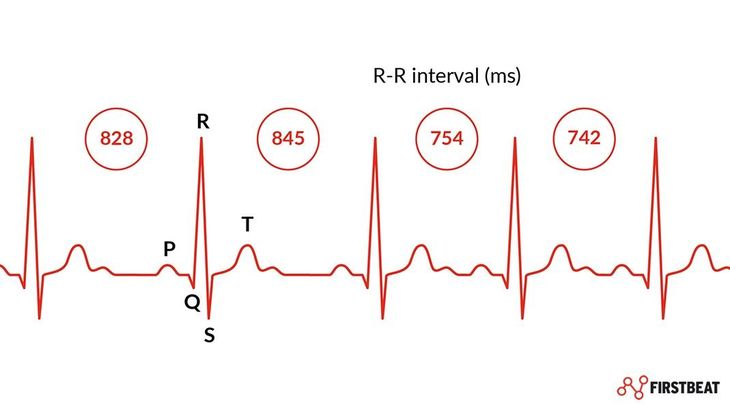
Heart rate variability represents the tiny, millisecond changes in the time intervals between your consecutive heartbeats.
Rather than beating with strict metronome-like regularity, a healthy heart adapts its speed based on the body’s immediate needs.
This dynamic responsiveness is regulated by your autonomic nervous system, which coordinates your stress and relaxation pathways.
When studying the average hrv by age for women aged 50, we observe typical shifts associated with natural biological maturation.
Medical research confirms that average values decline progressively as we age, making baseline comparisons highly age-dependent.
You should understand that your autonomic nervous system’s elasticity behaves differently than it did in your twenties.
To help you put these numbers into context, we have compiled a detailed comparative table for mature female demographics.
| Age Group | Typical HRV Range (ms) | Average HRV Baseline (ms) |
|---|---|---|
| Ages 20–29 | 55–85 ms | 70 ms |
| Ages 30–39 | 40–70 ms | 55 ms |
| Ages 40–49 | 25–50 ms | 37 ms |
| Ages 50–59 (Target Group) | 15–35 ms | 25 ms |
| Ages 60–69 | 12–28 ms | 20 ms |
Understanding normal heart rate variability by age helps you contextualise your numbers and avoid unnecessary health anxiety.
A score of 20 to 30 milliseconds is entirely normal, healthy, and expected for a fifty-year-old female.
You should avoid comparing your recovery data directly with younger individuals, as this leads to incorrect conclusions.
You should consult a comprehensive heart rate variability chart female to track how your metrics change over time.
By recognizing these biological baselines, you can track your health with confidence and focus on positive cardiovascular improvements.
Menopause and the Autonomic Shift: How Estrogen Loss Alters Your Baseline
Hormonal transitions play an enormous role in shaping cardiovascular and autonomic metrics for women in their fifties.
Estrogen acts as a protective shield for your blood vessels and supports your parasympathetic, calming pathway.
As estrogen levels decline during menopause, your body’s sympathetic, stress-driven pathway becomes more dominant.
This biological change can result in sudden, unexplained increases in the average resting heart rate for women during midlife.
You may also observe that your heart rate remains slightly elevated during sleep, leaving you feeling tired in the morning.
Evaluating an average heart rate sleeping woman baseline reveals how efficiently your heart rests during your deep sleep stages.
Based on internal health data from over 5,000 active Herz P1 users, women who monitor these subtle shifts can adapt their daily routines to mitigate symptoms like hot flashes and night sweats.
Our smart ring tracks these delicate overnight variables with deep precision, letting you see the exact relationship between hormonal shifts and cardiac stress.
Armed with this physiological insight, you can make lifestyle changes to help your body adapt smoothly to these changes.
Maximizing Your Daily Vitality: Practical Lifestyle Tips for Improving HRV

You can actively support and elevate your heart rate variability by making targeted adjustments to your daily habits.
Start by addressing your hydration, as even mild dehydration can reduce blood volume and strain your heart.
Aim to drink at least eight glasses of clean water throughout the day, particularly before your late afternoon activities.
You should also implement a consistent wind-down routine in the evening to prepare your nervous system for sleep.
Practicing deep abdominal breathing for ten minutes before bed can significantly lower physical tension and boost overnight recovery.
Ensure your bedroom is dark, quiet, and kept at a cool temperature to support deeper, uninterrupted sleep stages.
Tracking these adjustments on the free Herz P1 App allows you to see exactly which habits provide the most benefit.
Our smart ring’s lightweight profile makes 24/7 tracking comfortable, allowing you to capture clean, actionable trends effortlessly.
Consistent, daily habits can help you build lasting autonomic resilience and maintain your energy levels as you age.
Smart Ring vs. Smartwatch: Choosing the Right Tool for Autonomic Health
Many health-conscious individuals struggle to track their health effectively because they find wrist-worn smartwatches uncomfortable to wear to bed.
Bulky smartwatches can easily shift during the night, disrupting sleep and producing inaccurate sensor readings.
Additionally, the short battery life of many smartwatches means they are often charging overnight when you need them tracking your sleep.
This is where a dedicated smart ring offers a far more comfortable, lightweight, and continuous tracking experience.
The Herz P1 Smart Ring features a 6-day battery that fully charges in under an hour, so you can track your health with zero disruptions.
Furthermore, many premium smart rings lock your physiological data behind expensive monthly app subscriptions.
Team Herz P1 believes you should own your health data, which is why our companion app is 100% free for life.
We build long-term trust through high-quality materials, an IP68 waterproof design, and a solid 2-year warranty.
Choosing a durable, subscription-free health tracker lets you focus on your wellness goals without ongoing fees or bulky wearables.
Frequently Asked Questions About Biometric Smart Rings
Is the Herz P1 Smart Ring fully waterproof?
Yes, the Herz P1 Smart Ring features a robust IP68 waterproof rating, certifying protection against continuous immersion.
You can safely wear it while swimming in pools, taking hot showers, enjoying baths, or washing your hands throughout the day.
The hermetically sealed casing ensures that water cannot penetrate the internal sensors or affect your data collection.
How long does the ring’s battery last on a single charge?
Our smart ring is engineered with an advanced low-energy processor that delivers a full 6 days of continuous battery life.
You can recharge the device from empty to one hundred percent in under an hour using the included magnetic charging dock.
This rapid charging cycle ensures you rarely miss any valuable overnight sleep architecture or daytime activity data.
Which finger is best to wear the smart ring on for accurate readings?
For the highest reading precision, we recommend wearing the Herz P1 on your index, middle, or ring finger.
Your non-dominant hand is generally preferred because it undergoes less daily friction and motion noise during tasks.
Ensure the inner sensor bumps sit flush against the palm side of your finger to maintain steady, continuous skin contact.
Does the Herz P1 store my biometric data when my phone is offline?
Yes, the ring features internal flash memory that can store up to 7 days of raw physiological data offline.
You do not need to keep your smartphone nearby or leave your Bluetooth connection active around the clock.
Once you reopen the companion app, the device will automatically sync your stored data and update your trends.
Take Action for a Healthier Autonomic Future
Monitoring your biological markers is a powerful way to understand your body’s changing needs as you navigate midlife.
The Herz P1 Smart Ring makes tracking your health simple, comfortable, and completely free of monthly subscription fees.
Ready to monitor your health every day? Explore the Herz P1 Smart Ring and see if it fits your lifestyle. Call: 1-866-479-1629 — our team can help you advise on the correct ring size and set personalized health goals.
