

Waking up to an unexpected nocturnal pulse spike can be deeply unsettling, leaving many wondering why does heart rate increase while sleeping. Statistics from clinical sleep studies indicate that up to thirty-five percent of adults experience sudden nighttime cardiovascular shifts due to stress, diet, or sleep architecture. Understanding these subconscious patterns is crucial for long-term health, and the subscription-free Herz P1 smart ring is designed to track these variations with medical-grade precision. Let us explore what these signals mean for your body.
Built to Last. Save Up to 69% Today.
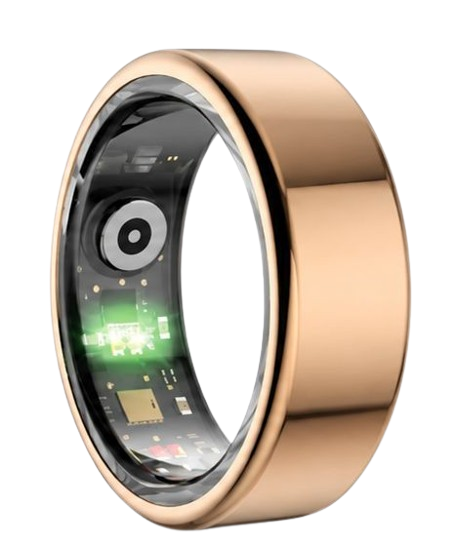
The Herz P1 Smart Ring tracks HRV, Sleep, Heart Rate & SpO2 around the clock. No subscriptions. No renewals. Ever.
In This Article
- The 5W2H Clinical Guide: A comprehensive breakdown of nocturnal heart rate elevations.
- The Biological Blueprint: How sleep stages and REM cycles directly impact your cardiac rhythm.
- Internal Triggers: Decoupling the roles of hormones, dehydration, and breathing disturbances.
- Practical Optimization: Direct wellness applications and sizing advice to improve sleep quality.
Why Does Your Heart Rate Increase While Sleeping? The 5W2H Clinical Guide
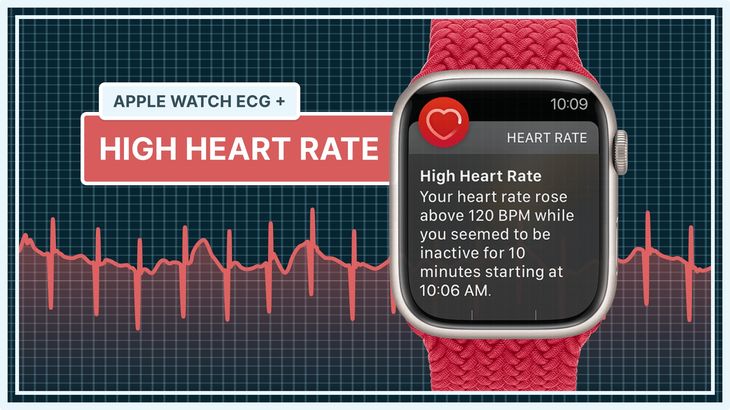
An elevated sleeping heart rate occurs when your heart beats faster than your normal resting baseline during sleep.
Normally, your resting heart rate drops to its lowest levels as your body enters deep relaxation.
This drop is known as nocturnal dipping, and it is a key marker of good cardiovascular health.
However, when your heart rate remains high or spikes suddenly, it indicates that your body is in an active state of stress.
Understanding these heart rate elevations is crucial because sleep is meant to be a period of intense physical recovery.
If your heart is working too hard during the night, your body cannot repair cellular damage or consolidate memories effectively.
This physiological phenomenon affects busy professionals, high-performing athletes, and individuals under chronic stress.
It also frequently impacts those with subclinical breathing disorders or cardiac sensitivities.
According to clinical studies, men and women aged twenty-five to sixty-five are highly susceptible to lifestyle-induced sleep disruptions.
Most heart rate spikes happen during specific sleep cycles, such as active Rapid Eye Movement (REM) sleep.
They can also occur during the early morning hours when cortisol production naturally increases.
Tracking when your pulse climbs helps pinpoint specific behavioral and neurological triggers.
The reaction begins in the autonomic nervous system, which controls involuntary bodily functions.
The brain releases adrenaline, which acts directly on the sinus node of your heart.
This neural shift instantly forces the heart muscle to beat faster and pump harder.
The heart rate climbs when physical or psychological demands override the parasympathetic system.
Common underlying triggers include elevated daytime cortisol levels, heavy meals, and dehydration.
The American Heart Association notes that even mild biological stress can elevate your overnight pulse.
Your brain perceives a physiological threat, such as low oxygen levels or a vivid nightmare.
The sympathetic branch of the nervous system is instantly activated to prepare for action.
This hormonal cascade forces your heart to beat rapidly to prepare your muscles for movement.
A normal sleeping heart rate ranges between forty and sixty beats per minute for healthy adults.
An abnormal elevation is defined as a spike that exceeds ten to twenty beats per minute above your resting baseline.
Determining if your heart rate higher when sleeping requires continuous, precise tracking.
Many users notice they experience a why does my heart rate spike while sleeping trend without knowing the root cause.
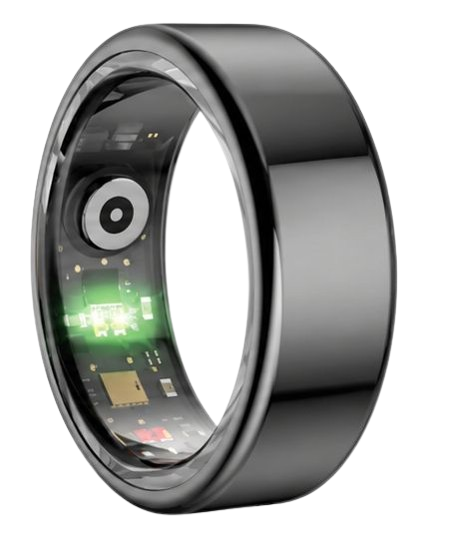
If you want to track this in real time, the Herz P1 Smart Ring monitors heart rate and heart rate variability 24/7 — explore it here.
90-Day 100% Money-Back Guarantee
“The Herz Smart Ring helps me manage stress easily. It’s accurate, stylish, and lightweight—perfect for my busy life!”
— Jennifer P. | ✔ Verified Customer
- ✓ 6-Day Battery Life
- ✓ Detailed Sleep Analysis
- ✓ Fast 1-Hour Charging
- ✓ iOS & Android Ready
Questions? Call: 1-866-479-1629
The Biological Blueprint: How Sleep Stages Control Your Cardiac Rhythm
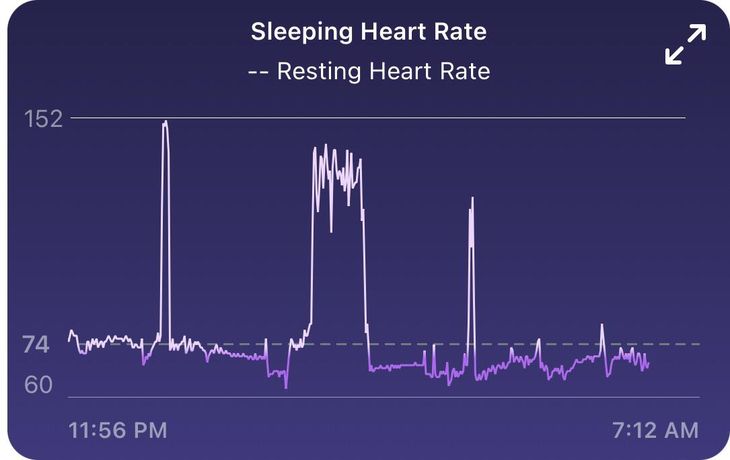
Your body progresses through distinct sleep stages every ninety minutes.
These stages include light sleep, deep slow-wave sleep, and Rapid Eye Movement (REM) sleep.
During non-REM stages, your parasympathetic nervous system dominates the cardiovascular network.
This dominance results in a lowered, highly stable resting heart rate.
Your blood pressure drops, and your muscle tissue receives highly oxygenated blood.
However, the entire cardiac environment undergoes a dramatic shift during REM sleep.
REM sleep is the stage where most dreaming occurs.
The brain becomes highly active, consuming as much energy as it does during waking hours.
The National Sleep Foundation states that REM sleep causes unpredictable autonomic fluctuations.
These fluctuations can trigger a high heart rate while sleeping.
Your heart rate and respiratory system fluctuate wildly to support brain activity.
This explains why you might notice a sudden spike in heart rate while sleeping during vivid dreams.
The autonomic nervous system is simply reacting to emotional and visual dream cues.
This cardiac response is a natural component of normal sleep architecture.
Yet, distinguishing between natural REM fluctuations and physical stress is crucial.
The Herz P1 Smart Ring utilizes multi-spectral PPG optical sensors to map these exact transitions.
By analyzing changes in sleep stages, the ring helps you understand your heart’s natural nocturnal patterns.
Internal Triggers: Hormonal Fluctuations, Dehydration, and Silent Breathing Issues
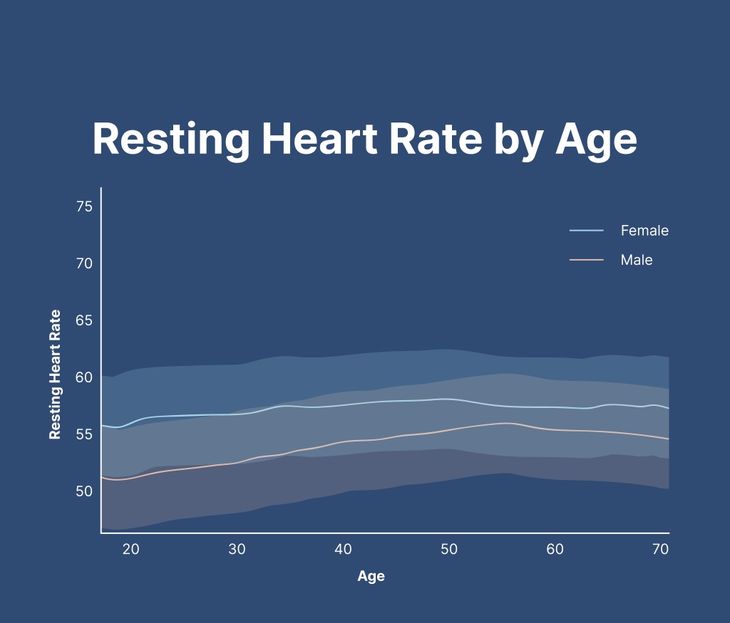
Many external and internal factors can cause a rapid heart rate during sleep.
One major internal trigger is the accumulation of daily psychological stress.
When you experience chronic stress, your adrenal glands produce excess cortisol and adrenaline.
These stress hormones do not instantly disappear when you close your eyes.
They remain active in your bloodstream, keeping your resting cardiovascular tone abnormally high.
Another critical trigger is nocturnal dehydration.
When your body lacks sufficient fluids, your overall blood volume decreases.
To maintain normal blood pressure, your heart must pump faster to deliver oxygen to your tissues.
Consuming alcohol or heavy meals close to bedtime also forces your digestive organs to work overtime.
This digestion requires increased blood flow, causing an elevated heart rate during sleep.
Additionally, silent breathing issues like obstructive sleep apnea play a major role.
Sleep apnea causes your upper airway to collapse temporarily during sleep.
This collapse blocks airflow, leading to a sudden drop in blood oxygen saturation (SpO2) levels.
Your brain senses this dangerous oxygen drop and triggers an emergency survival response.
The sympathetic nervous system fires, causing a rapid cardiovascular surge to restore oxygen flow.
These events strain the heart and severely disrupt your sleep architecture.
The Herz P1 Smart Ring actively monitors your blood oxygen (SpO2) levels alongside your heart rate.
It detects these physiological dips and spikes, giving you the clear data needed to make informed lifestyle changes.
Autonomic Health: The Critical Relationship Between Sleep and Heart Rate Variability
Understanding heart rate variability (HRV) is key to managing your cardiovascular health.
HRV measures the specific time variation between consecutive heartbeats in milliseconds.
A high HRV indicates that your nervous system is resilient and highly responsive to stress.
A low HRV suggests that your body is locked in a chronic state of fight-or-flight stress.
When you experience a high heart rate in sleep, your HRV typically drops.
This drop indicates that your cardiovascular system is struggling to recover overnight.
The autonomic nervous system is unable to transition fully into a restorative parasympathetic state.
Many users wonder why, while sleeping heart beat rises and HRV drops simultaneously.
The simple answer is that your body is working too hard to process daytime stressors or physical toxins.
This ongoing exertion prevents deep physical and mental recovery.
By tracking these metrics nightly, you can identify which lifestyle factors are harming your heart health.
The Herz P1 Smart Ring measures your HRV every five minutes throughout the entire night.
This high-frequency sampling provides a detailed, accurate map of your nervous system’s recovery trends.
You can easily review this data in the free companion app to monitor your cardiovascular resilience over time.
Practical Application Guide & Lifestyle Tips
You can easily use your smart ring data to build a healthier sleep routine.
First, open the Herz P1 App every morning to check your overnight cardiovascular trend graphs.
Look for any unexplained heart rate spikes or drops in your average HRV.
Next, correlate these metric changes with your activities from the previous day.
Did you eat a heavy dinner or drink alcohol before going to bed?
Did you participate in a highly intense workout late in the afternoon?
Over time, you will identify clear patterns between your daily habits and your sleeping heart rate.
We recommend avoiding large meals and screens for at least three hours before sleeping.
Engage in calming activities like deep breathing or reading to activate your parasympathetic nervous system.
The lightweight design of the Herz P1 ensures you can comfortably track these improvements every night.
Unlike bulky smartwatches, the ring does not cause wrist irritation or disrupt your sleep posture.
This comfort allows for consistent, uninterrupted data collection to help you reach your health goals.
Overcoming Risks & Common Mistakes
Many health-conscious individuals make the mistake of wearing a heavy smartwatch to bed.
These bulky devices can press against your skin and cause physical discomfort during sleep.
This discomfort can elevate your stress levels and artificially increase your sleeping heart rate.
Additionally, smartwatches require frequent charging, often leaving you without overnight tracking data.
Another common issue in the wearable market is the burden of ongoing monthly subscription fees.
Many brands require you to pay a monthly fee just to access your own sleep and heart rate data.
We believe that your personal health metrics should always be completely free to access.
The Herz P1 App is free for a lifetime, with no hidden costs or subscription paywalls.
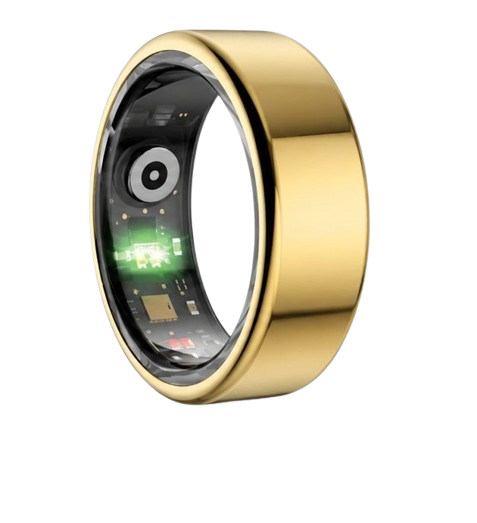
Furthermore, our smart ring features military-grade steel and a highly durable outer shell.
This robust construction protects the device from scratches and impacts during daily wear.
You get a reliable, long-lasting wellness companion without any recurring financial burdens.
Frequently Asked Questions (FAQ)
We have compiled answers to the most common questions about the Herz P1 Smart Ring.
Is the Herz P1 Smart Ring waterproof?
Yes, the Herz P1 features a certified IP68 waterproof rating.
This means the ring is fully protected against water ingress up to a depth of 164 feet.
You can safely wear it while swimming, showering, washing your hands, or sweating during intense workouts.
The military-grade steel casing ensures the internal sensors remain dry and fully operational in any wet environment.
How long does the battery last on a single charge?
The advanced lithium battery inside the Herz P1 lasts up to 6 days on a single charge.
This long battery life is made possible by our highly efficient power management system.
When the battery is depleted, you can charge it fully in under 1 hour using the included charger.
This rapid charging capability means you will rarely miss a night of critical sleep tracking.
Which finger is the best choice to wear the smart ring on?
We recommend wearing the Herz P1 on your index, middle, or ring finger for the best results.
The index finger generally provides the strongest and most accurate optical sensor reading.
Ensure the ring fits snugly but comfortably without slipping or cutting off your circulation.
A proper fit is crucial for maintaining consistent skin contact with the optical sensors.
Does the Herz P1 store my health data offline?
Yes, the smart ring features 7 days of local offline storage.
The device will continuously track and store your biometric metrics even if your phone is turned off.
Once you open the companion app, the stored data will sync automatically via a secure Bluetooth connection.
This ensures you never lose valuable health insights during travels or offline periods.
Conclusion
Monitoring your overnight biometrics is the first step toward improving your sleep and health. Team Herz P1 is dedicated to providing subscription-free tracking with robust military-grade durability. Ready to monitor your health every day? Explore the Herz P1 Smart Ring and see if it fits your lifestyle. Call: 1-866-479-1629 — our team can help you advise on the correct ring size and set personalized health goals.
Note: Individual results may vary depending on individual health conditions, age, and lifestyle habits. This article is intended for general health reference purposes only.
